
 sales@sunriver-electric.com
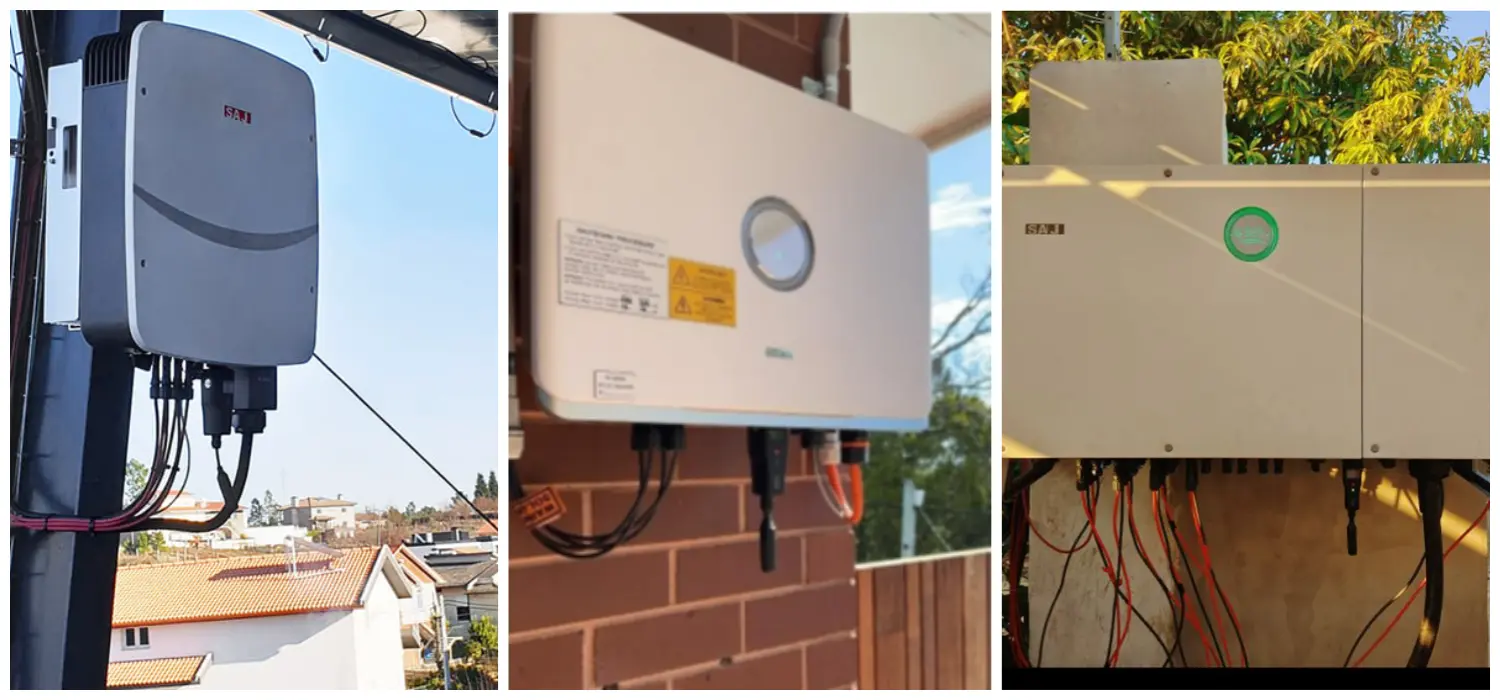
Yes — and for most homeowners on a stable grid with decent net metering, going battery-free is the smart call right now. Batteries add over $10,000 to a typical residential quote1, and unless your utility runs frequent outages or pays poorly for export, that money usually earns a longer payback than the panels themselves.
But here is the buying mistake most installers will not flag: the inverter on your quote decides whether "I’ll add a battery later" is a $3,000 retrofit or a $9,000 do-over.
Three hardware paths matter, and you only need to know which one is yours.
KEY TAKEAWAYS
- A solar system without a battery is a grid-tied (or "grid-interactive") system: panels generate, your home consumes, surplus exports to the utility under net metering or net billing. No backup during outages.
- The decision is not "battery or no battery." It is which inverter architecture you commit to today — because that locks or unlocks the battery decision for the next 10 years.
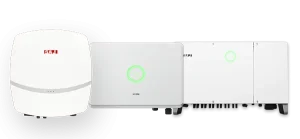
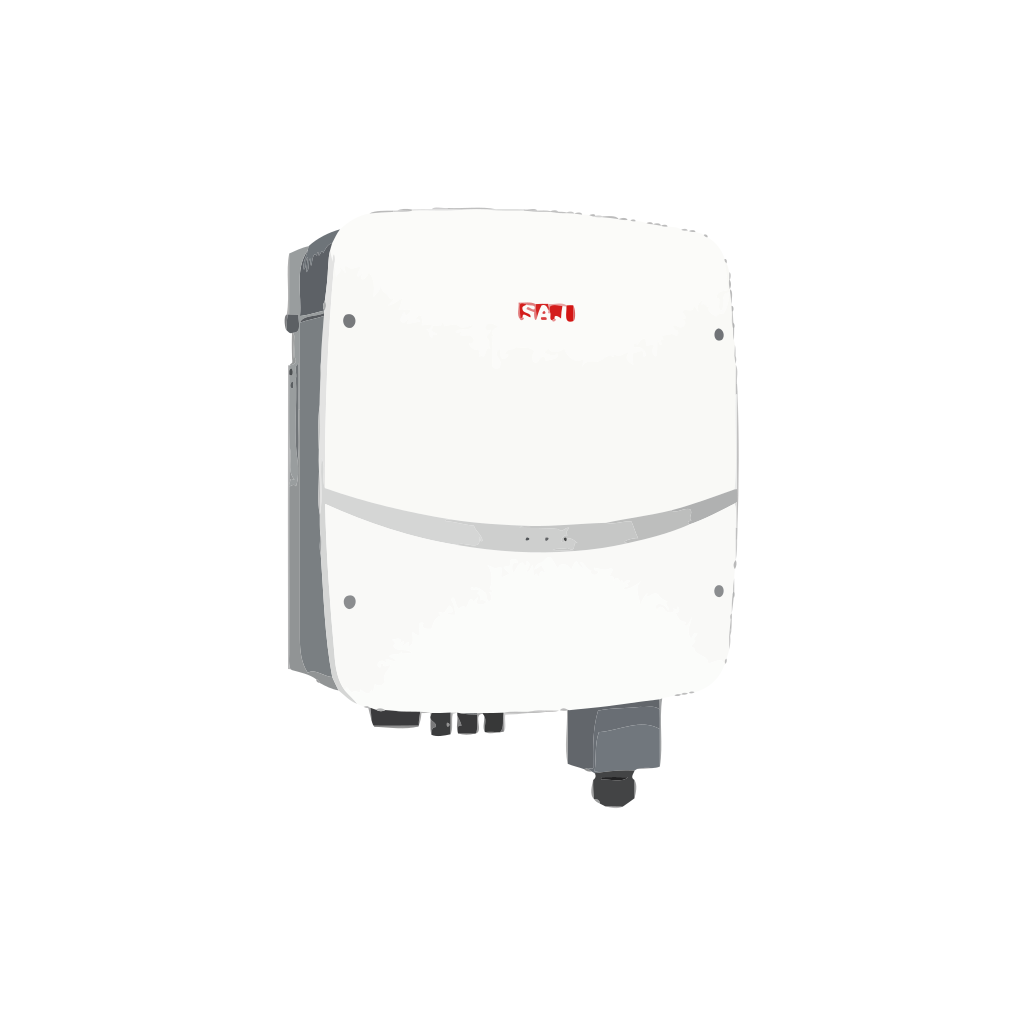
- Path A — Grid-tied string inverter (cheapest today, locked tomorrow). SAJ R6, 5–50 kW. Adding a battery later means a second inverter on the wall and an AC-coupled patch.
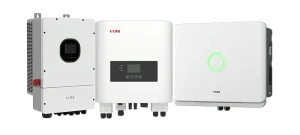
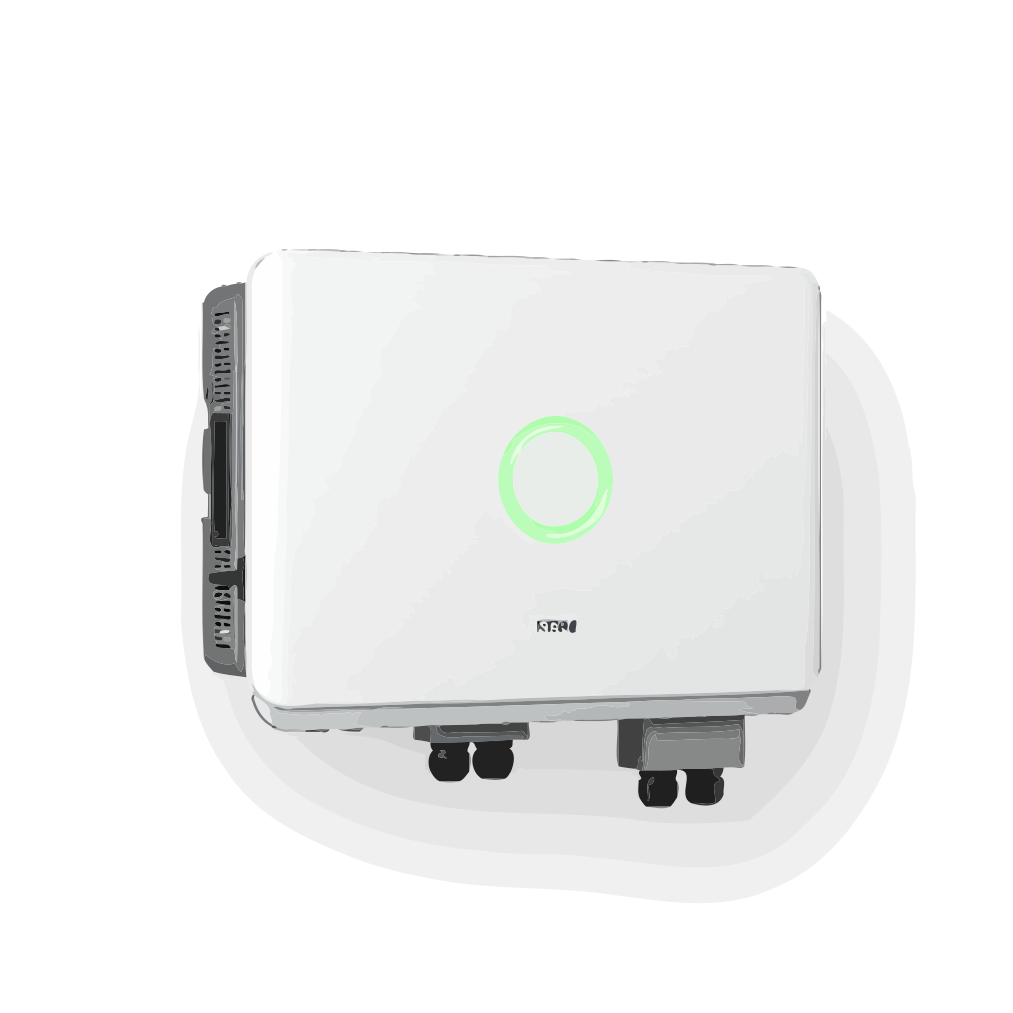
- Path B — Battery-ready hybrid inverter (the "wait and see" play). SAJ H2 runs grid-tied today with no battery, and accepts a 180–800 V LiFePO4 stack the day you decide.
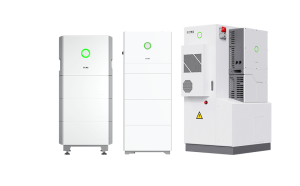
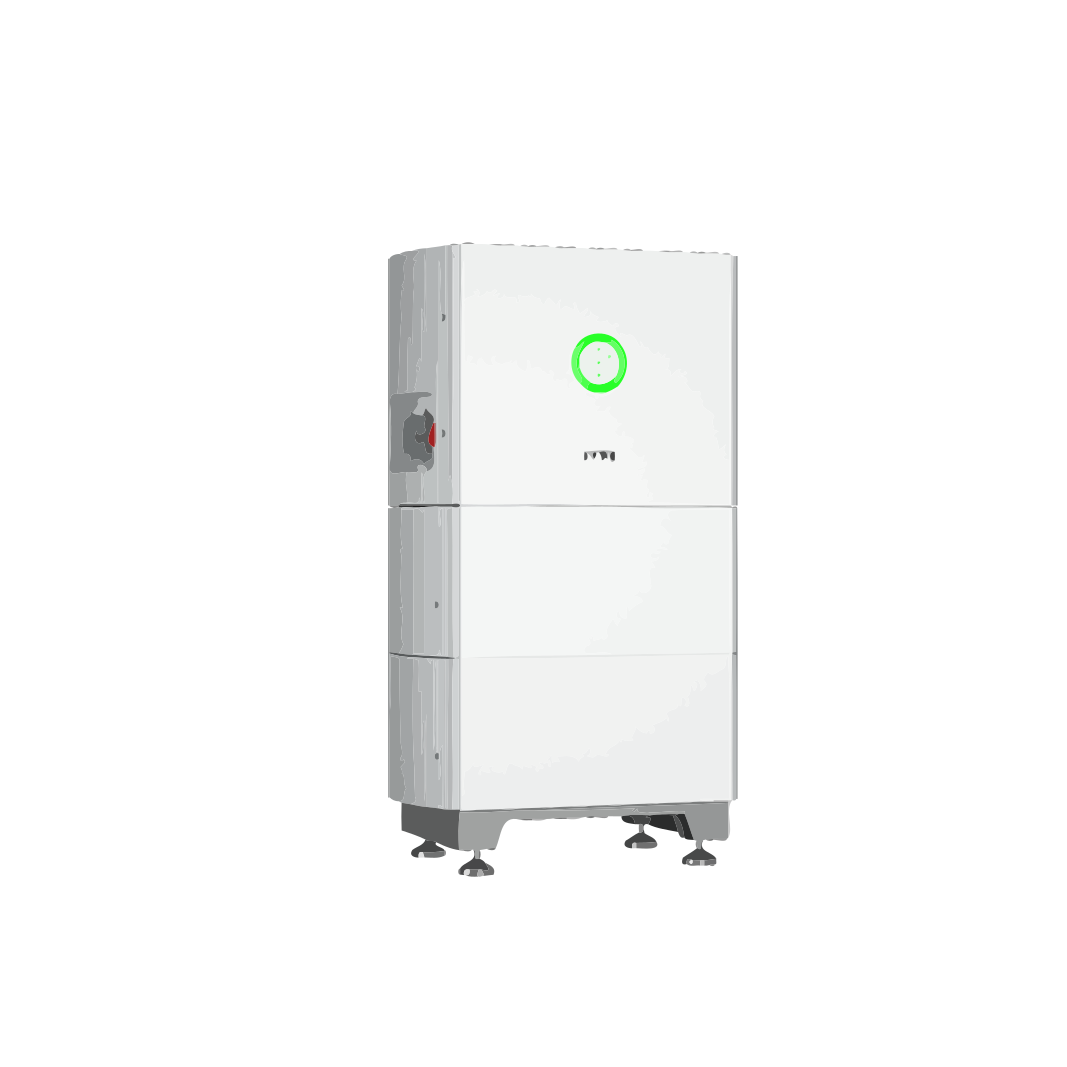
- Path C — All-in-one ESS (battery now, full backup). SAJ HS3, 5–40 kWh modular, sub-20 ms UPS2.
The phrase to remember is battery-ready, not battery-required. You can hold the option open without paying for it today — but only if the inverter on your quote is the right one.
Contenido Ocultar→ Related: Battery-Ready Inverters
The next sections dig into the one inverter setting and the system architecture that decide whether "no battery today" is reversible.
- Can a Hybrid Inverter Work Without a Battery? — The one setting and spec line that keeps the battery door open.
- Modern Hybrid Solar Systems Explained — How the grid-tied vs. hybrid decision plays out after year three.
The cheapest inverter on your quote can quietly close the battery door. Here is how to spot which one does it.
What Does "Battery-Ready" Solar Actually Mean — And Is It Worth It?
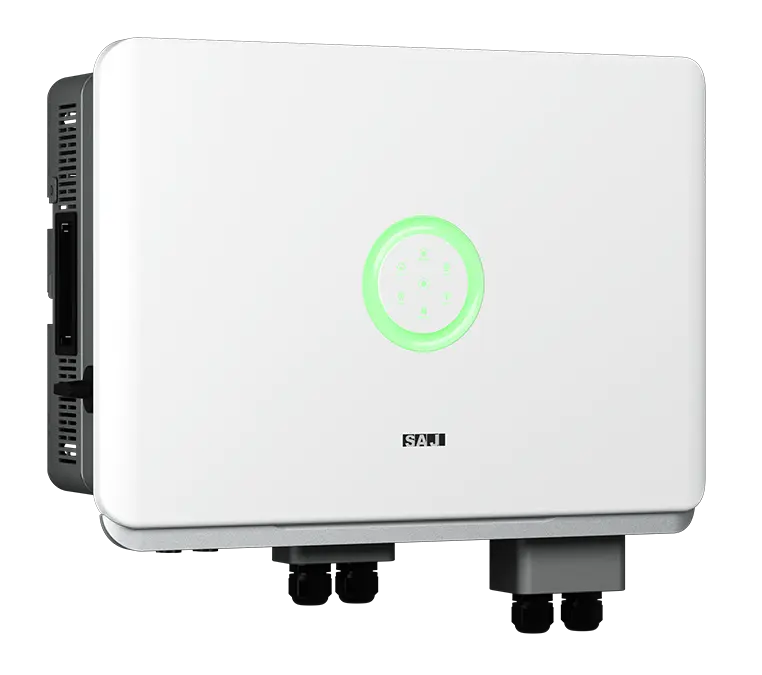
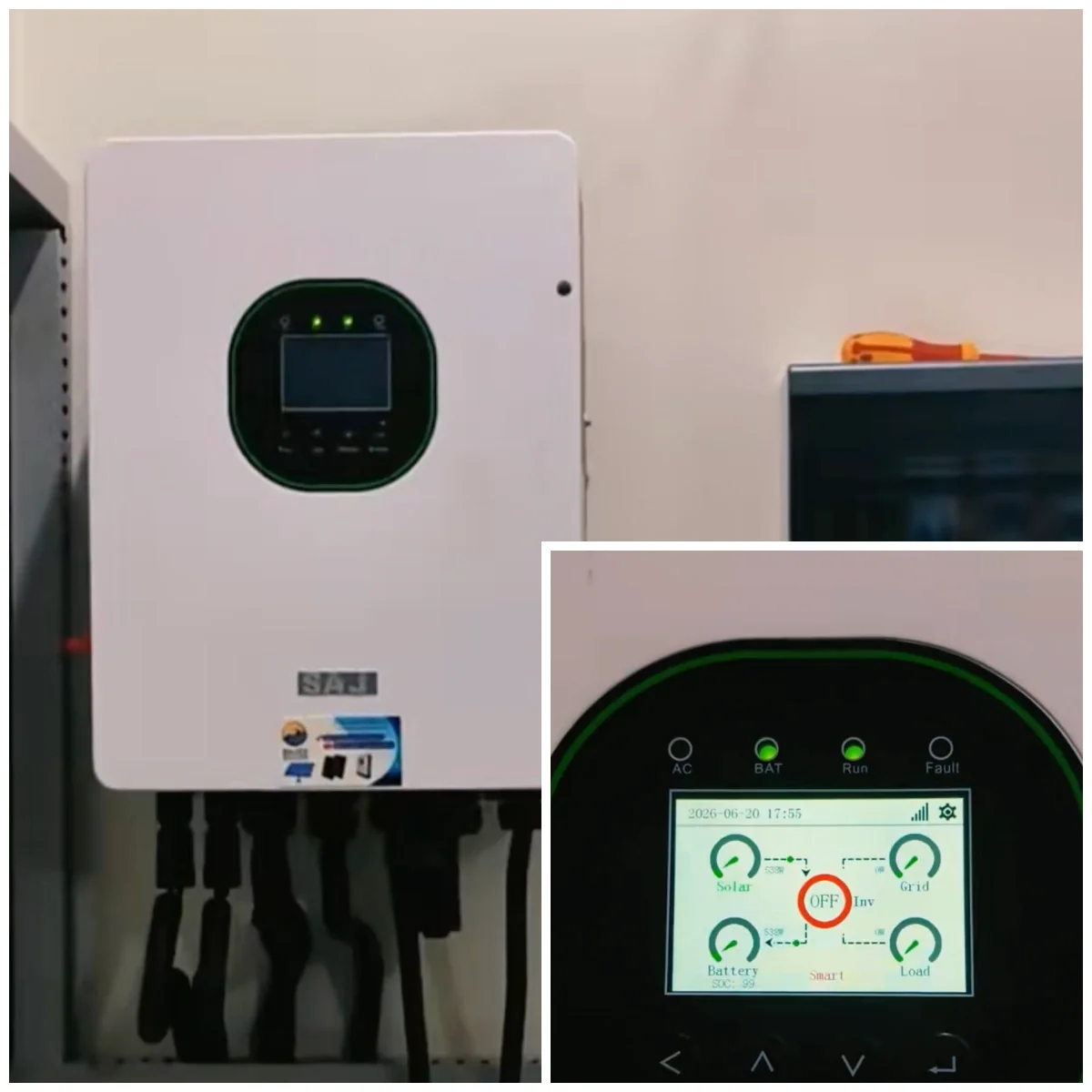
"Battery-ready" is a term installers love and homeowners rarely interrogate. It usually means one of three things, and only one of them actually protects your future.
The weak version: "We can add a battery later." Almost any solar system can technically add a battery later. The question is at what cost. If the installer means "we will swap your string inverter for a hybrid inverter and bolt on AC-coupled hardware," that is a $3,000–$5,000 retrofit on top of the battery itself. That is not battery-ready. That is battery-retrofittable.
The real version: the inverter you install today can natively accept a battery without being replaced. For SAJ’s lineup, that is the H2 hybrid inverter — a DC-coupled hybrid with dual 50 A battery ports, designed to run grid-tied with no battery today and integrate a 180–800 V LiFePO4 stack tomorrow. Same inverter, no swap, no second box, no AC-coupled patch.
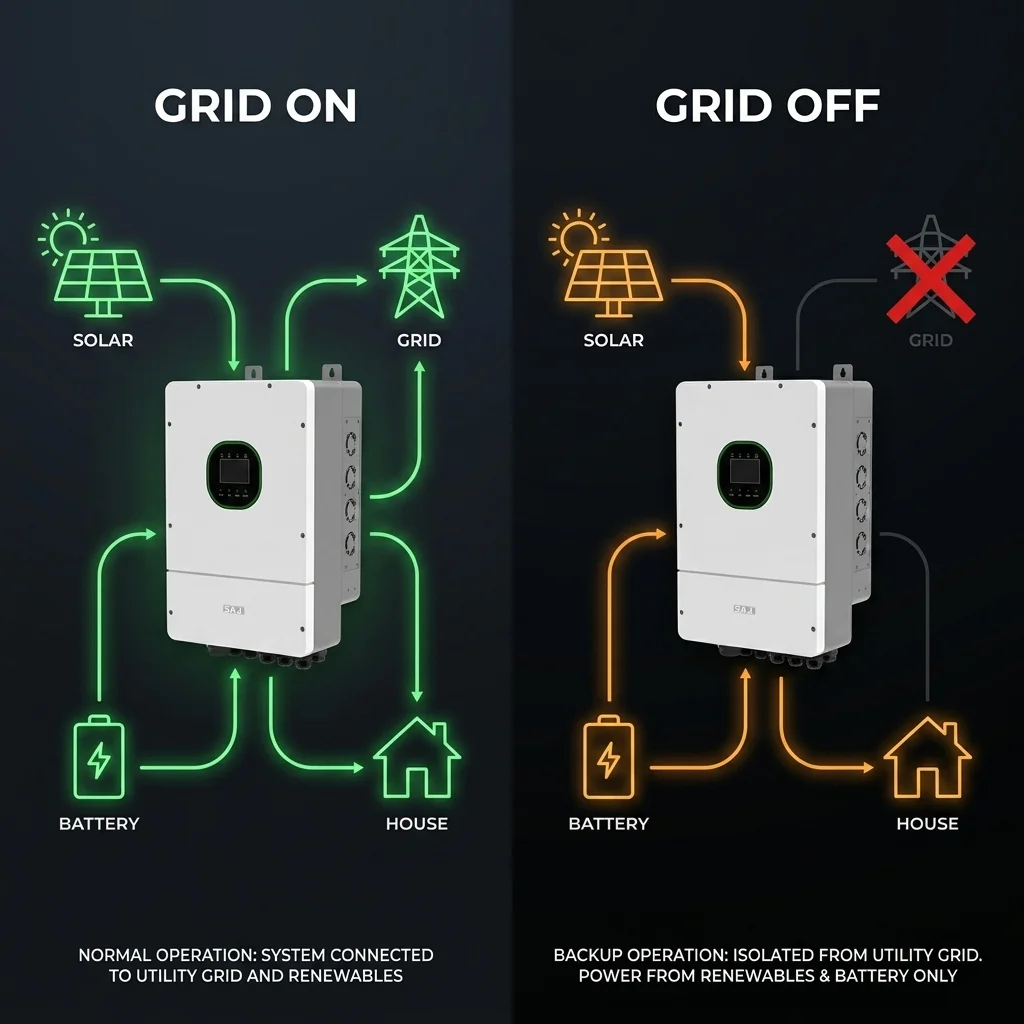
The premium version: an all-in-one ESS like the SAJ HS3 — solar inverter, battery PCS, battery pack, EV charger, EMS, and backup unit in one cabinet. Battery is not "ready," it is already there. This is what you buy when backup is non-negotiable today.
Is paying for a battery-ready hybrid worth the premium when you have no battery plans? Conditional answer:
- If you might want a battery within five years, yes. The hybrid premium is roughly the cost of one future service call. You preserve the DC-coupled path, which is more efficient and cheaper than retrofitting AC-coupled storage onto a string inverter.
- If you are confident you will never want a battery, no. A pure grid-tied string inverter (SAJ R6) at up to 98.8% peak efficiency3 does the job cheaper.
- If you are unsure, yes, lean hybrid. Uncertainty about future storage is the exact case battery-ready was designed for.
The premium is the cost of optionality. The question is whether you want the option.
→ Related: Hybrid System Architecture
If you are leaning toward deferring the battery, here is how the architecture decision affects your five-year math.
- Modern Hybrid Solar Systems Explained — The architecture choice that makes a year-3 battery add either plug-and-play or a full inverter swap.
If you are still not sure whether you want that option, the next section gives you three questions that will tell you which side you are on.
How Do You Know If You Actually Need a Solar Battery?
You do not need a battery if your answer to all three of the following is "no."
1. Does your grid go down more than once a quarter — for more than a few minutes at a time?
If the answer is no, backup is a comfort purchase, not a necessity. A battery for grid resiliency is an emotional buy in regions with stable utilities. That is not a criticism. It is just a different math.
If the answer is yes — wildfire PSPS shutoffs in California, hurricane belts on the Gulf Coast, ice-storm grids in Texas — backup is a real need, and a battery starts paying back in lived experience even when the spreadsheet does not love it.
2. Does your utility have time-of-use rates, demand charges, or net billing instead of net metering?
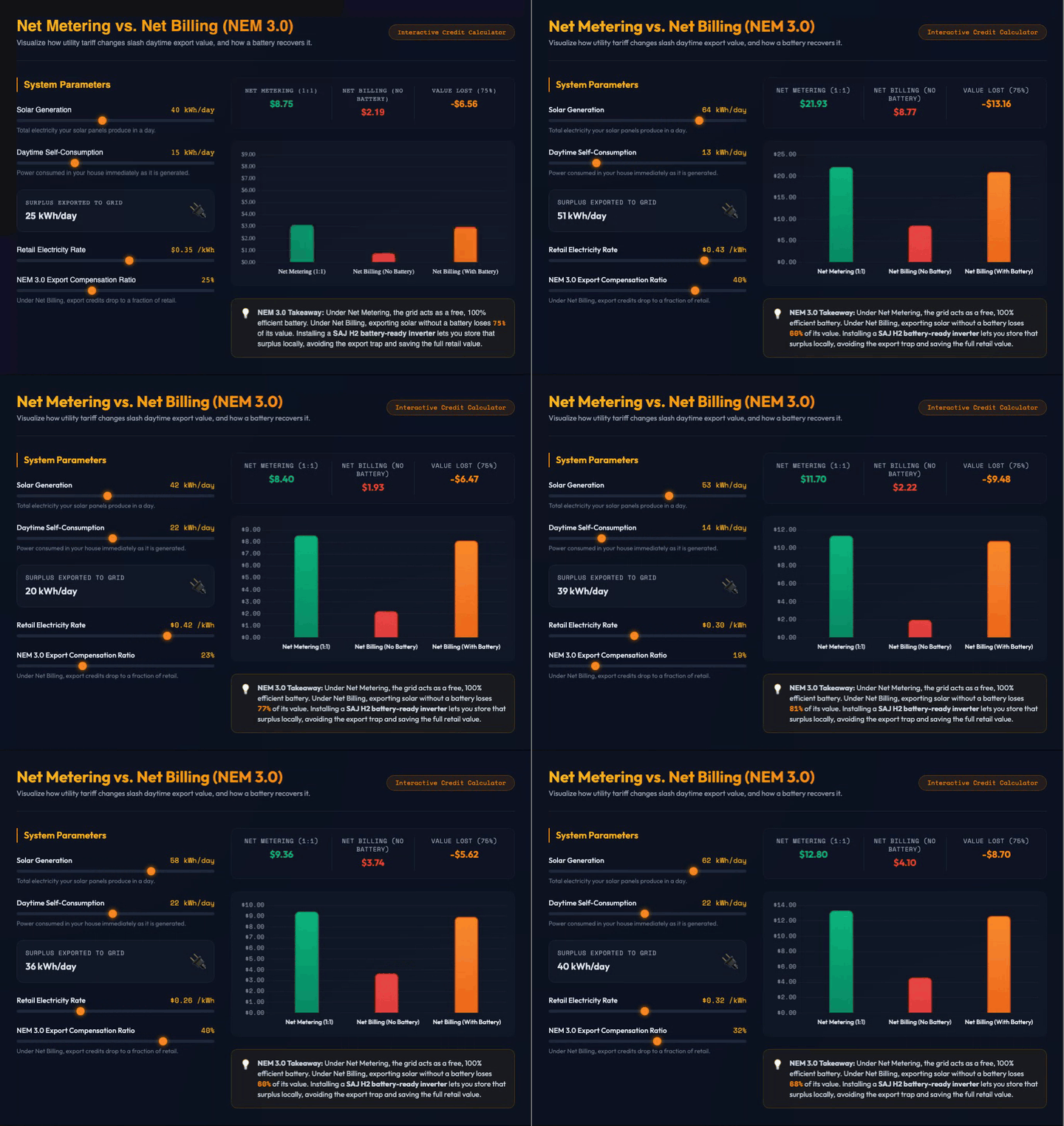
Net metering pays you full retail for every exported kWh. If that is your tariff, your solar panels already use the grid as an infinite battery. Adding a physical battery saves you very little.
Net billing (the post-NEM 3.0 default in California, for example) pays you a fraction of retail for export. There, a battery captures the export-versus-import spread and pays itself back through arbitrage. Time-of-use rates compound the math: charge cheap, discharge expensive.
If you do not know your tariff, you cannot decide whether a battery makes sense. This is the one piece of paperwork worth pulling before any quote.
3. Are you planning a major home electrification step in the next five years — heat pump, EV, induction range?
Each one shifts your load profile and your peak draw. A battery hedges that uncertainty. If your house is staying roughly as it is, the case is weaker.
Three "no"s? You are on Path A or B. Skip the battery today.
Mixed answers? You are on Path B — battery-ready hybrid, decide later.
Two or three "yes"es? You are on Path C — buy the battery now.
If you are on Path B, your next worry is whether deferring the battery actually costs you more later. Here is what the real math looks like.
Is It Really More Costly to Add a Battery to Solar Later?
| Escenario | Initial Choice | Year 3 Action | Additional Cost (Adder) | Total Math | Verdict |
|---|---|---|---|---|---|
| 1. Day 1 Hybrid | SAJ H2 Hybrid Inverter ($$) | Ninguno | $0 | Standard battery cost only | Cleanest integration |
| 2. AC-Coupled Retrofit | SAJ R6 String Inverter ($) | Keep R6, add battery inverter + battery | +$4,000 to $8,000 | Extra hardware, double labor, lower efficiency | The Retrofit Trap |
| 3. Inverter Swap | SAJ R6 String Inverter ($) | Scrap R6, buy H2 Hybrid + battery | +$5,000 to $9,000 | Full replacement of working inverter | The Scrap Trap |
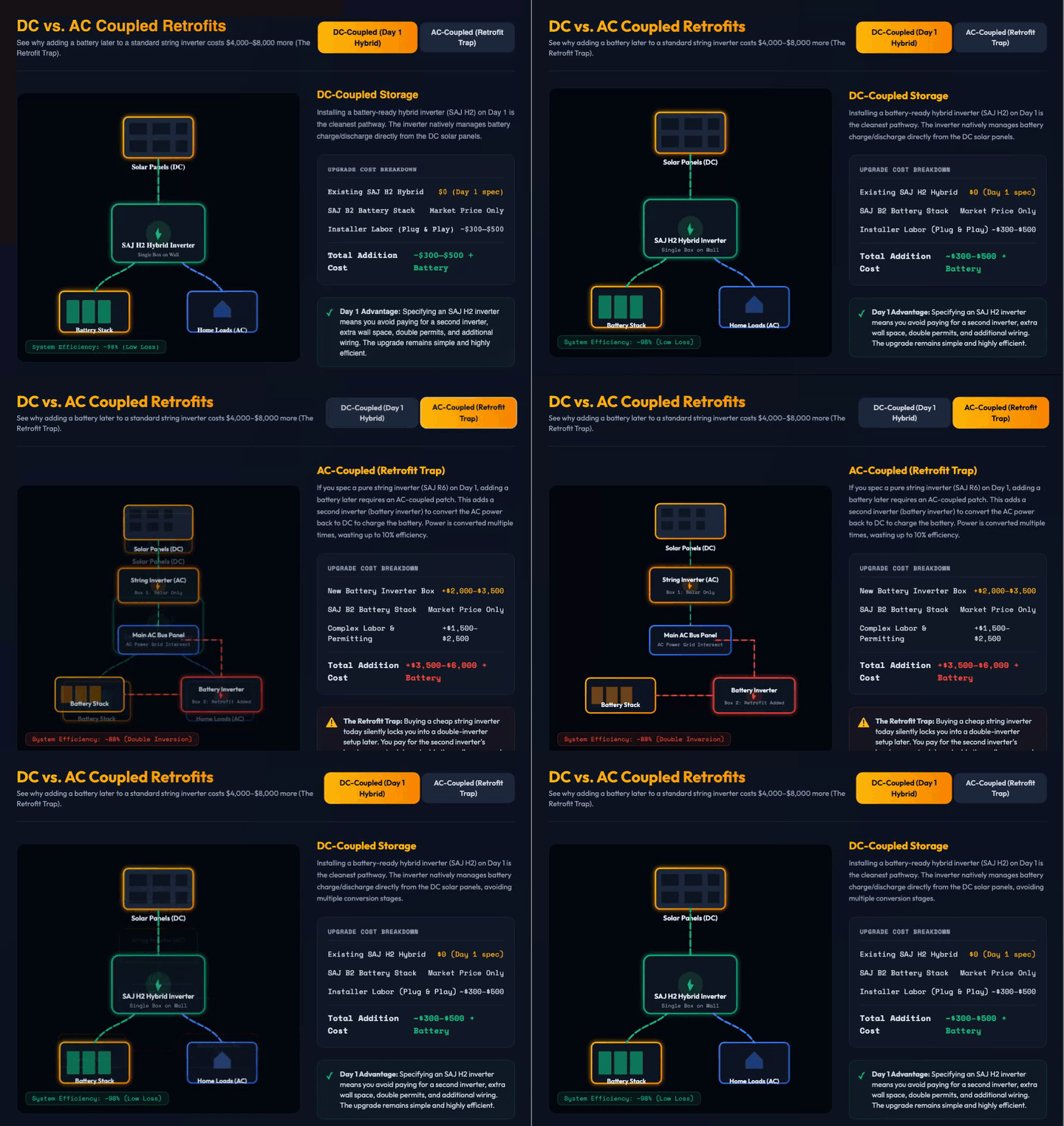
The honest answer is: it depends almost entirely on the inverter you bought today.
If you bought the right hybrid inverter, adding a battery later costs about what it would have cost today — plus inflation on the battery itself, which is dropping in real terms, not rising. You unbox a battery stack, your installer wires it to the existing inverter’s battery ports, commissioning is a few hours, you are done.
If you bought a pure grid-tied string inverter and want a battery later, you have three options, and all of them cost more than installing right the first time:
-
AC-coupled retrofit (most common, ugliest math). Keep your string inverter. Add a second inverter — a battery inverter — alongside it. You now have two inverters on your wall doing inversion work that one DC-coupled inverter would have handled. Efficiency drops a few percentage points. Hardware cost adds roughly $3,000–$5,000 on top of the battery4. Labor adds another truck roll and another permit. Real-world adder over installing hybrid from day one: $4,000–$8,000, depending on local labor and AHJ permitting.
-
String inverter swap (cleaner, more disruptive). Remove your string inverter. Install a hybrid inverter in its place. Wire the battery. You have replaced a piece of equipment that was still working — depreciation you absorb entirely. Real-world adder: $5,000–$9,0005, plus the disposal of perfectly functional hardware.
-
Live with no battery. Always an option. But if your reason for considering one in the first place was a real outage problem or a real net billing problem, the option of "live without" is the option you have already ruled out by asking.
The installer who tells you to add a battery later is doing you a favor only if your inverter is battery-ready. Otherwise, they are quietly selling you a $3,000-to-$9,000 future surprise — and they will not be the one on the truck when that bill arrives.
This is the retrofit trap in plain English. The way out is not avoiding the battery decision. It is making the inverter decision deliberately.
⚠️ Before You Sign: The One Quote Line That Locks You Out
The retrofit trap above is avoidable — but only if you catch the exact quote phrasing that hides it. Most installers will not flag this line, and by the time you notice, the inverter is already on your wall.
- Can a Hybrid Inverter Work Without a Battery? — Here’s the one setting and one spec line you need on the quote to avoid the $3,000–$9,000 retrofit trap. If your installer cannot point to it, the door is already closing.
- 5 Solar Battery Specs to Avoid — the Solar Rush Mistake — This checklist shows which quote combinations silently void your future battery option. Number 4 trips up most buyers who thought they were "battery-ready."
With that math in hand, the next call is the architecture itself: grid-tied or hybrid? The comparison is less abstract than it sounds.
Grid-Tied vs. Hybrid Solar: Which Is Best If You Don’t Want a Battery?
The honest comparison is not "which is better." It is "which one matches your five-year plan."
| Path A — Grid-tied string inverter (SAJ R6) | Path B — Battery-ready hybrid (SAJ H2) | Path C — All-in-one ESS (SAJ HS3) | |
|---|---|---|---|
| Battery today | No | No (designed to defer) | Sí |
| Battery later | Requires retrofit or swap (+$4K–$9K) | Native DC-coupled add (~battery cost only) | N/A — already integrated |
| Backup during outage | None (anti-islanding shutoff) | None until battery added | Yes, <20 ms UPS |
| Upfront cost | Lowest | Mid (hybrid premium) | El más alto |
| Eficiencia | Up to 98.8% peak (R6) | Slightly lower (DC bus + battery management overhead) | Integrated, varies by mode |
| System size range | 5–50 kW (R6) | Single-phase residential | 5–12 kW + 5–40 kWh storage |
| Best for | Stable grid, net metering, no five-year storage plan, lowest CapEx priority | Uncertain about storage, net billing risk, possible electrification | Frequent outages, NEM 3.0 territory, backup required day one |
| Worst for | Anyone who might want a battery in five years | Buyers who will definitely never want storage (paying for unused option) | Buyers on stable grid with strong net metering (overpaying for backup they don’t need) |
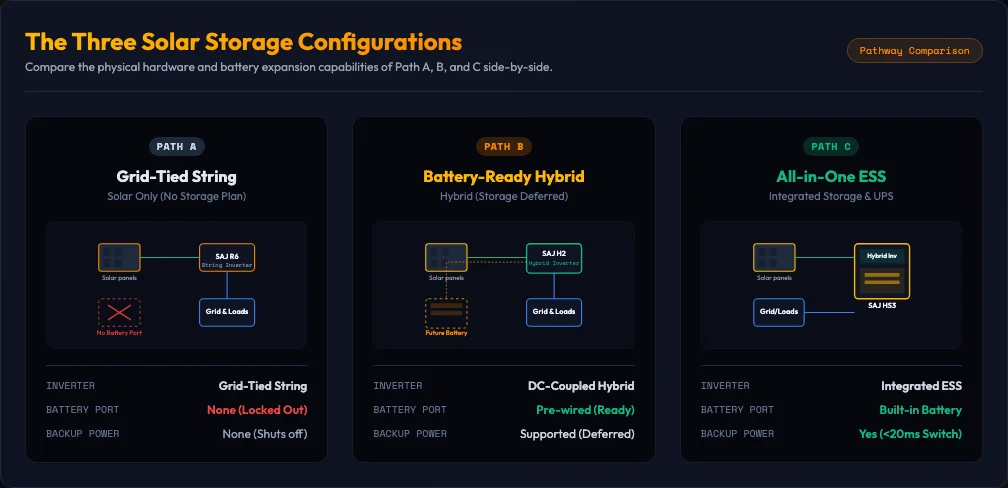
Two reads on this table that matter more than the rows themselves.
The hybrid premium is option pricing, not equipment pricing. You are not paying for the H2 hybrid because it is "better." You are paying because it preserves the right to add a battery without buying the inverter twice. If you exercise the option, the premium pays itself back many times over. If you do not, you overpaid by the cost of one future service call. That is not a bad bet for most homeowners.
The all-in-one ESS is not a "fancier hybrid." It is a different category of product. The HS3 is what you buy when backup during an outage is the actual reason you are looking at solar, not a bonus. If backup is not the headline reason, the HS3 is overspecified.
💡 Hybrid vs All-in-One: What Actually Changes After Year 3
You have picked Path B because it preserves the option. But "preserves the option" is not the same as "cheaper over time." Before you commit to the hybrid, here is the question the comparison table does not answer.
- Comparativa de sistemas de almacenamiento de energía «todo en uno» — This comparison ranks the three paths by actual expansion cost after year 3, not marketing specs. The hybrid wins on optionality; the all-in-one wins on total cost once you actually add storage.
- Modern Hybrid Solar Systems Explained — The one architecture decision that decides whether your year-3 battery add is a plug-and-play job or a full inverter swap.
❓ Quick Answers: Installation & Getting Started
Typical residential install: 1–2 days for the inverter + panels, plus 2–8 weeks for permitting depending on your city.
The SAJ H2 hybrid inverter itself is a single wall-mounted unit — the physical swap from a string inverter is a half-day job. The wait is almost always the permit, not the hardware. If your installer quotes a 1-day physical install but a 6-week permit queue, that is normal, not a red flag. Battery addition later (Path B) is a half-day plug-and-play job once permitted.
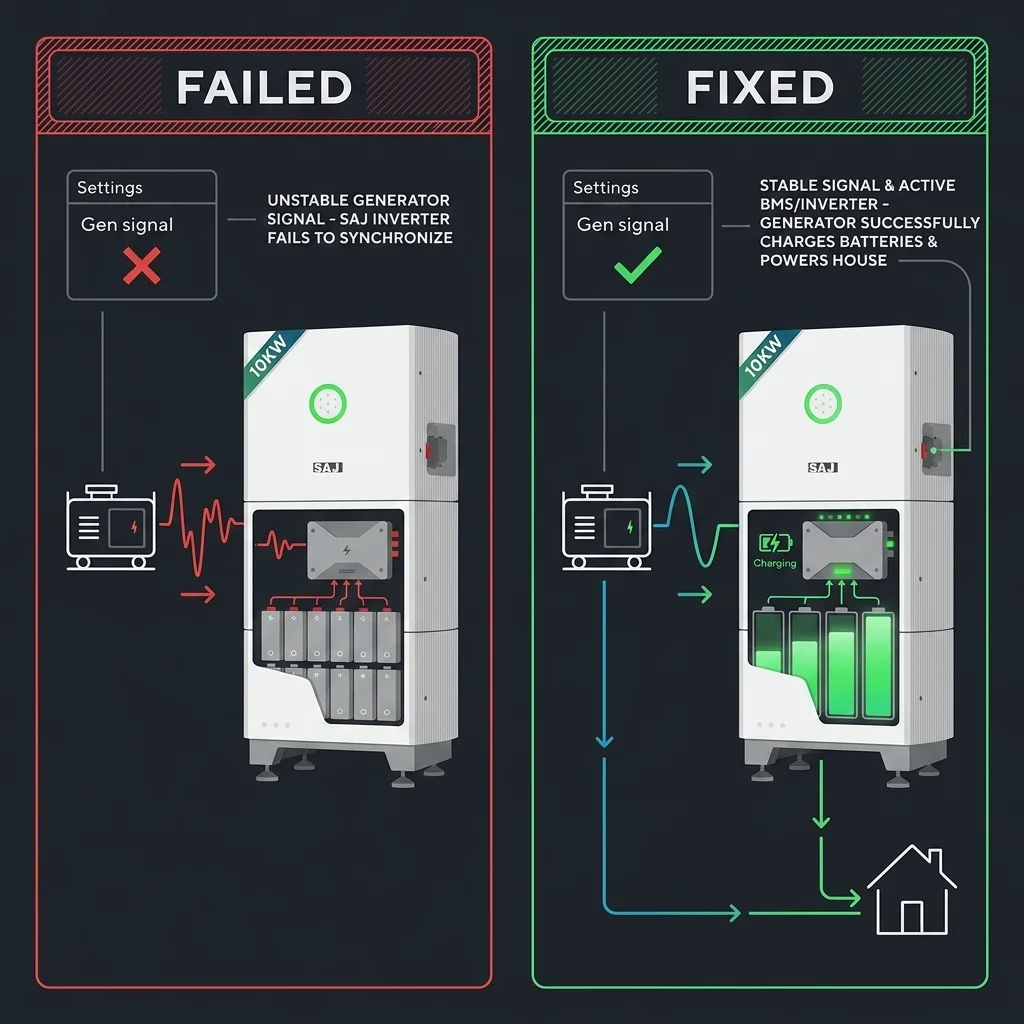
Yes — SAJ hybrid inverters (H2) and all-in-one ESS (HS2/HS3) feature a dedicated generator control port (Gen-signal) that can auto-start and charge batteries, but it requires a stable frequency signal to synchronize.
Most standard portable generators output unstable voltage and frequency signals, causing synchronization failures. Installing a stable generator signal filter or activating the generator sync settings in the SAJ portal solves this synchronization friction, ensuring the generator successfully charges the batteries and powers the house.
- Path A (grid-tied, no storage): SAJ R6 15K-25K Three-Phase On-Grid Inverter
- Path B (battery-ready hybrid): SAJ H2 3K-6K Single-Phase Hybrid Inverter
- Path C (all-in-one ESS): SAJ HS3 3K-6K Single-Phase All-in-One ESS
- Still comparing paths? Comparativa de sistemas de almacenamiento de energía «todo en uno»
Even with the right path picked, the wrong quote can still trap you. These are the lines to watch for.
Which Solar Quote Red Flags Can Lock You Out of a Battery Later?
| What the Quote Says | What it Actually Means (The Trap) | What You Should Ask the Installer |
|---|---|---|
| "String inverter with optional battery integration" | There is no battery integration. It requires a future inverter swap or AC-coupled retrofit. | "Which specific inverter model is this, and does its manufacturer datasheet show dedicated battery ports?" |
| "Hybrid-compatible" (without naming the model) | It’s likely a standard string inverter that works alongside separate battery hardware, not a true hybrid. | "Can you write the exact model number of the hybrid inverter on this line item?" |
| "Battery-ready" (without specs or ports) | The quote lacks battery voltage range, port count, or compatible chemistry details. | "What is the DC voltage range and maximum charge/discharge current of the battery ports on this inverter?" |
| No mention of coupling type | You are likely getting an AC-coupled setup with lower efficiency and higher future labor costs. | "Is the future battery pathway DC-coupled or AC-coupled? I want to verify the efficiency numbers." |
| "Storage upgrade pathway" (pricing battery only) | The quote hides the cost of the second inverter or the swap required to actually connect that battery. | "Does this future upgrade quote include the cost of battery inverters, communication modules, and new permits?" |
A quote can promise a "future-ready system" and still close the battery door. Here are the exact lines that should make you stop signing.
-
"String inverter with optional battery integration." Translation: there is no battery integration. There is a future inverter swap or AC-coupled retrofit, neither of which the quote is pricing in. Ask which specific inverter model, and whether the manufacturer’s datasheet shows battery support.
-
"Hybrid-compatible" without naming the inverter. "Compatible" is a word that means nothing without a model number. SAJ H2 is hybrid. Many other "hybrid-compatible" inverters are string inverters that work near a hybrid inverter — not the same thing.
-
No battery-port specification on the inverter line item. A real hybrid inverter quote should mention battery voltage range, port count, or supported battery chemistries. If the quote just says "battery ready" without the supporting spec, the installer either does not know or is hoping you do not ask.
-
No mention of AC-coupled versus DC-coupled. This is the single most expensive future-cost variable, and it does not appear on most quotes by default. A serious installer will tell you which one you are getting; a less serious one will not bring it up.
-
A "storage upgrade pathway" that quotes the battery only, not the inverter changes. If the upgrade quote is just battery + installation labor, the installer has not priced the inverter side. Either they will discover it on the day, or you will.
-
One inverter line item, no clarity on warranty transfer if upgraded. If you swap inverters in year four, what happens to the system warranty? The good answer is in writing on day one. The vague answer is the expensive answer in year five.
-
"Trust me, we do this all the time." The installer might be right. The quote, in writing, is what survives the day they stop returning calls.
None of these red flags require deep electrical knowledge. They require asking. The next section turns all seven into a single question — the one that does the work of the entire conversation.
→ Related: Quote Red Flags
The red flags above are quote-killers. This checklist shows which spec combinations silently void your future battery option.
- 5 Solar Battery Specs to Avoid — the Solar Rush Mistake — Number 4 trips up most buyers who thought they were "battery-ready."
What Is the Number One Question to Ask Your Solar Installer Before Signing?
[!TIP] The Single Question That Solves the Inverter Decision:"If I add a battery in three years, what changes in this quote — exactly which line items, and what will the all-in cost look like?"
Ask this one question, and you will either get a 30-second confident answer or you will watch your installer scramble. Either way, you have your real signal.
A confident installer will say something like: "Nothing changes structurally. The H2 hybrid inverter on this quote has dual 50 A battery ports. You add the battery stack, we wire it to the existing inverter, one truck roll, roughly the cost of the battery itself plus a half-day of labor. Here is what that looks like in numbers." That installer has thought about your three-year self before they wrote the quote.
A scrambling installer will say something like: "We would have to look at that when the time comes" — which is the polite way of saying nobody priced your future, and you will pay retail for whatever surprise comes out of it.
The question works because it forces the installer to confront the only variable that matters: did they spec for your option or against it? You do not have to know what a DC-coupled hybrid inverter is. You just have to ask what happens to the quote three years from now.
If the answer is short and specific, you have found the installer. If the answer is long and conditional, keep shopping.
❓ Quick Answers: Long-Term Costs & Incentives
So how do you actually choose the inverter that gives you that option in the first place?
How Do You Choose an Inverter That Lets You Decide on a Battery Later?
SAJ Product Lineup for Your Chosen Path
-
Path A (Grid-Tied, No Storage):
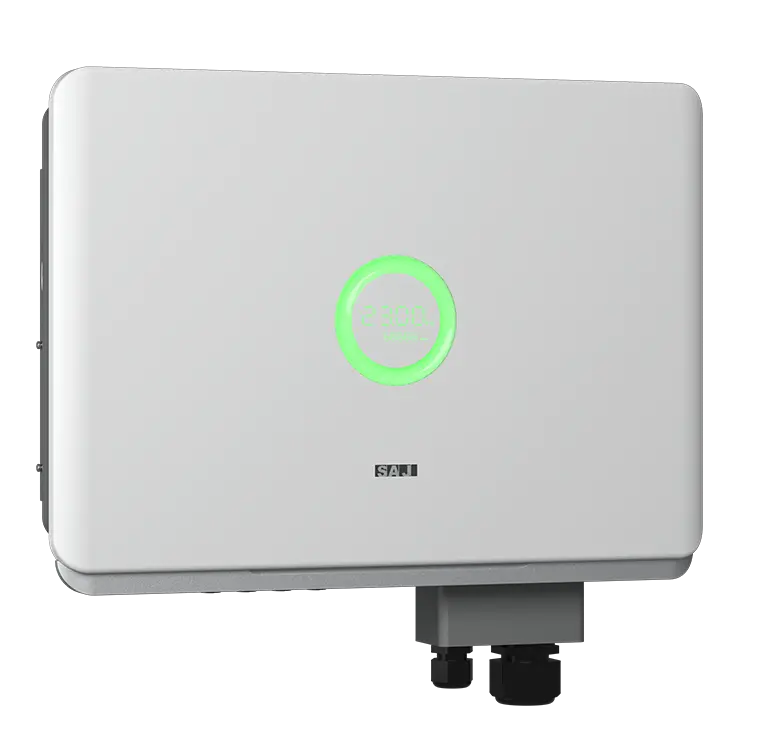
Best for: Commercial rooftops and residential self-consumption with stable grid and net metering.
Learn more: SAJ R6 15K-25K Three-Phase On-Grid Inverter -
Path B (Battery-Ready Hybrid):
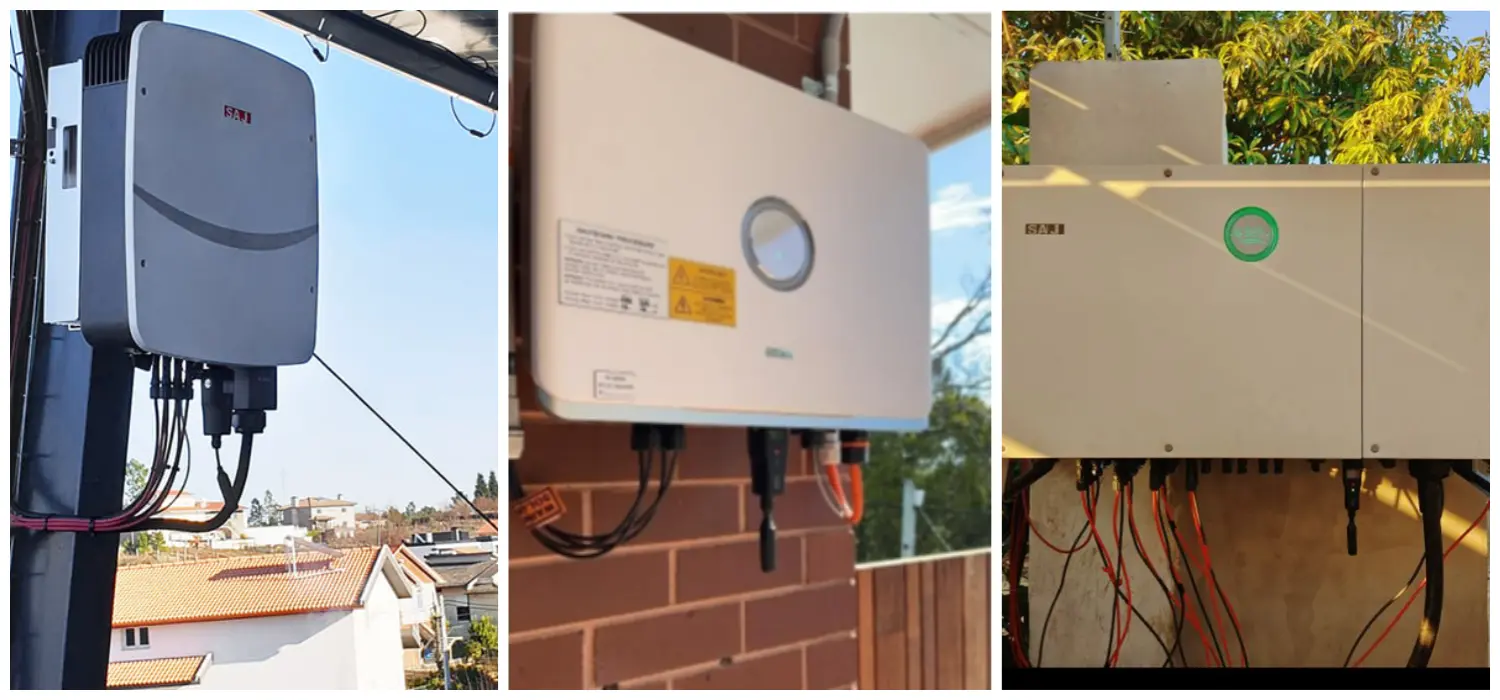
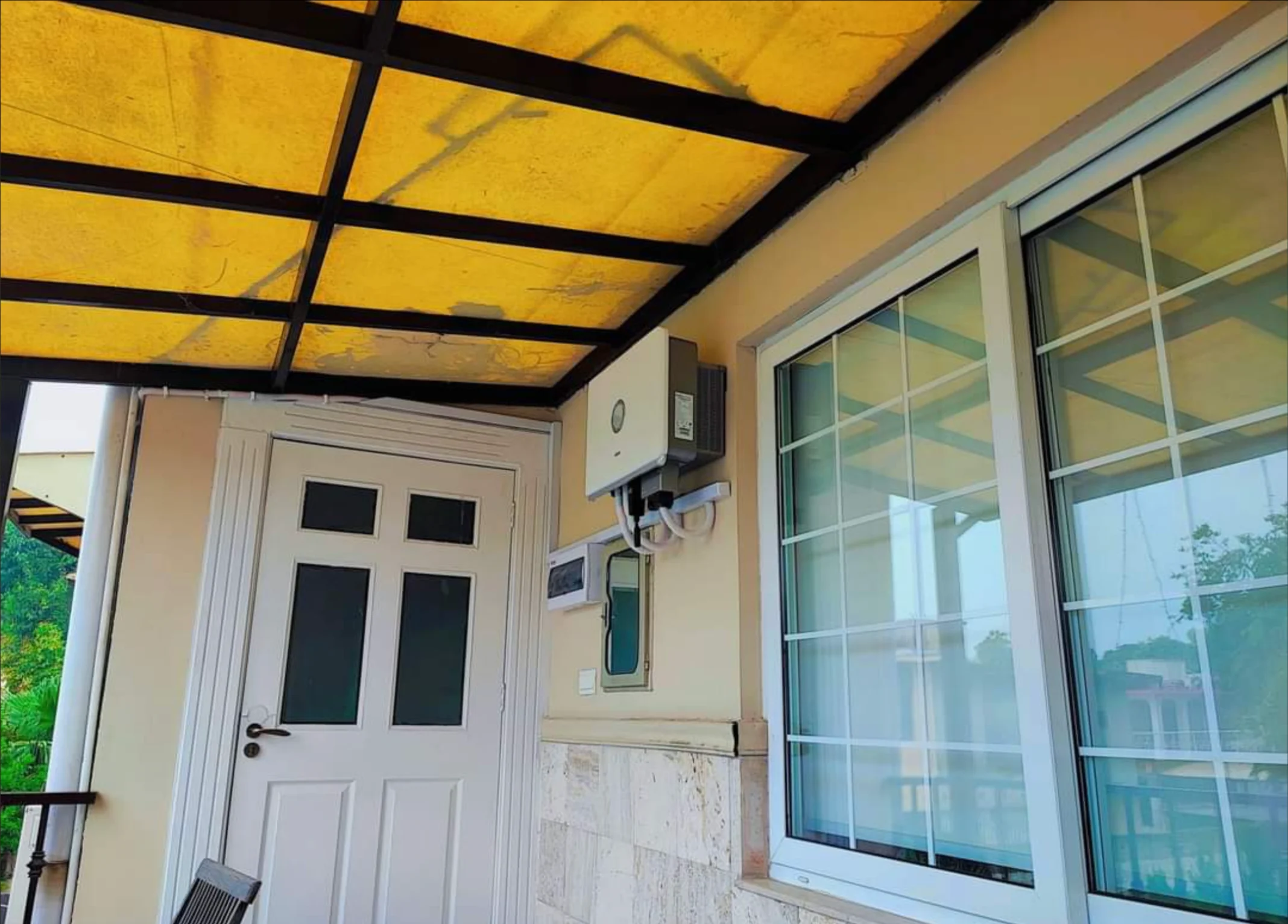
Real-World Outdoor Wall Mount:
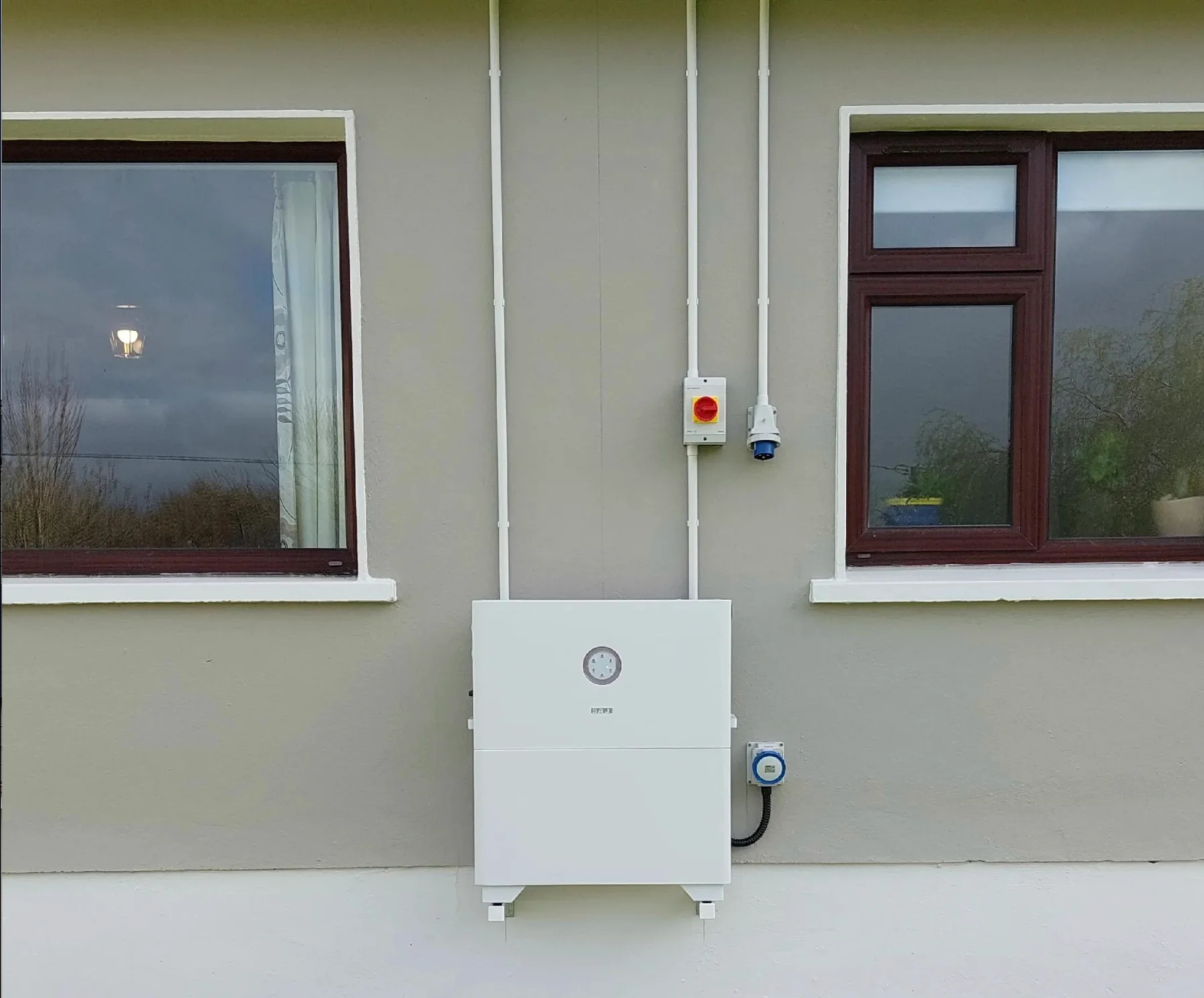
Best for: Homeowners who want to defer the battery purchase but keep a DC-coupled expansion open.
Learn more: SAJ H2 3K-6K Single-Phase Hybrid Inverter -
Path C (All-in-One ESS):
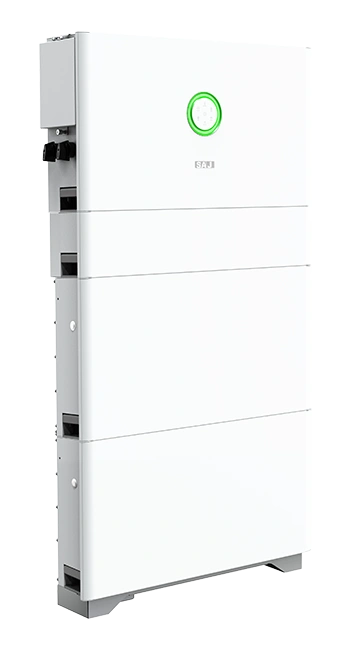
Best for: Homeowners needing backup capability, emergency power, and maximum self-consumption from day one.
Learn more: SAJ HS3 3K-6K Single-Phase All-in-One ESS
Three rules, in order of importance.
Rule 1: Pick the inverter for the option, not the price tag. The cheapest inverter on most quotes is a pure grid-tied string inverter. It works perfectly today. It locks you out of cheap battery integration tomorrow. The hybrid premium is the cost of keeping that door open. If you are within five years of possibly wanting a battery — and most homeowners on the post-NEM 3.0 grid are — the premium is the right call.
Rule 2: Match the inverter to the actual path you are on.
- If you are on Path A — stable grid, strong net metering, no foreseeable storage plan — a grid-tied string inverter (SAJ R6, 5–50 kW, up to 98.8% peak efficiency, IP65) is the right buy. Do not pay for optionality you will not exercise.
- If you are on Path B — uncertain about storage, net billing risk, possible electrification ahead — a battery-ready hybrid (SAJ H2 with dual 50 A battery ports6, 180–800 V LiFePO4 support7) is the right buy. You run grid-tied today, you accept a battery the day you decide, no swap.
- If you are on Path C — frequent outages, NEM 3.0 territory, backup non-negotiable — an all-in-one ESS (SAJ HS3, 5–12 kW with 5–40 kWh modular storage, sub-20 ms UPS) is the right buy. You are not paying for an option; you are paying for capability you will use on day one.
Rule 3: Get it in writing. Whichever path you pick, the inverter model, the battery port spec, the AC- or DC-coupled coupling method, and the upgrade pathway should all be on the quote in writing — not in the installer’s verbal reassurance. The written quote is what survives.
The strategy is not "buy a battery." It is not "skip a battery." It is battery-ready, not battery-required. Pick the inverter that keeps the decision in your hands, then make the decision when your life — your grid, your tariff, your electrification plans — tells you to.
That is the buying move most people miss. Now you do not.
- Path A — SAJ R6 grid-tied series: R6 15K-25K Three-Phase On-Grid Inverter
- Path B — SAJ H2 battery-ready hybrid: H2 3K-6K Single-Phase Hybrid Inverter
- Path C — SAJ HS3 all-in-one ESS: HS3 3K-6K Single-Phase All-in-One ESS
- Want a quote with the three-year upgrade math? Contact Sunriver
*Want a quote that names the specific inverter, the battery port spec, and the three-year upgrade math on day one? See our SAJ H2 hybrid inverter page, the SAJ R6 grid-tied series, or the SAJ HS3 all-in-one ESS to match your path before you talk to an installer. Contact Sunriver for a quote.
-
"Solar Battery Cost: Are They Actually Worth It In 2026? – EnergySage", https://www.energysage.com/energy-storage/how-much-do-batteries-cost. Supports: Batteries add over $10,000 to a typical residential quote ↩
-
"SAJ HS3 home battery – Energify.se", https://energify.se/en/produkter/batterilagring/hs3. Supports: SAJ HS3, 5–40 kWh modular, sub-20 ms UPS ↩
-
"R6 Series Smart On-Grid Inverter – SAJ Electric", https://us.saj-electric.com/en-us/r6-series. Supports: A pure grid-tied string inverter (SAJ R6) at up to 98.8% peak efficiency ↩
-
"Add a Battery to Your Solar: Guide to Retrofitting Solar", https://duracellpowercenter.com/what-to-know-before-retrofitting-solar-with-storage. Supports: AC-coupled retrofit … adds roughly $3,000–$5,000 on top of the battery ↩
-
"Solar String Inverter in the Real World: 5 Uses You’ll Actually See …", https://www.linkedin.com/pulse/solar-string-inverter-real-world-5-uses-youll-actually-akzif. Supports: String inverter swap … Real-world adder: $5,000–$9,000 ↩
-
"[PDF] H2-(10K-30K)-(T2, T3) User Manual (AU)", https://hnnrg.com/wp-content/uploads/2025/02/SAJ-H2-10K-30K-T2T3_User_Manual_V0.0_en_AU.pdf. Supports: SAJ H2 hybrid inverter … dual 50 A battery ports ↩
-
"[PDF] H2-(10K-30K)-(T2, T3) User Manual (AU)", https://hnnrg.com/wp-content/uploads/2025/02/SAJ-H2-10K-30K-T2T3_User_Manual_V0.0_en_AU.pdf. Supports: SAJ H2 … 180–800 V LiFePO4 support ↩