
 sales@sunriver-electric.com
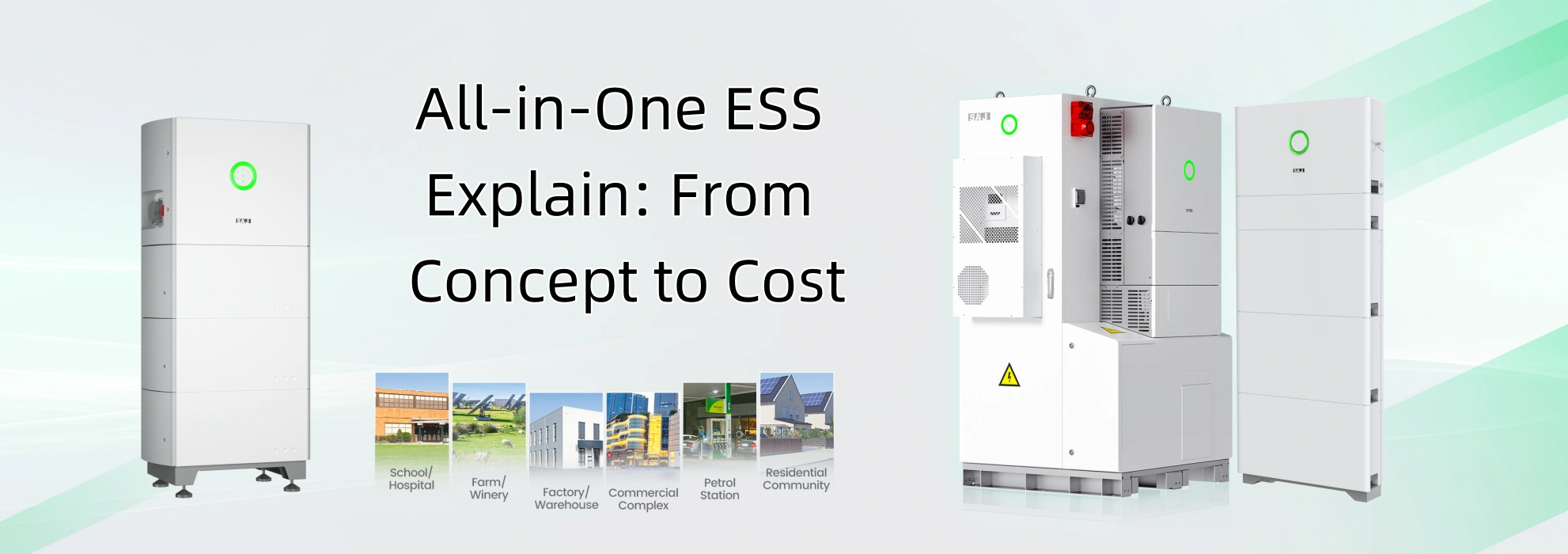
All-in-one energy storage helps you achieve energy independence, save on electricity bills, and ensure power reliability in ways you might not reach otherwise. And it’s never been more popular—if you’re not considering it, chances are your neighbors or competitors already are.
This guide helps you understand what an all-in-one energy storage system (ESS) is, why it’s becoming essential for modern properties, and how to get started. We also included key data and expert insights to give you the best head start for 2025 and beyond.
What is an all-in-one ESS?
An all-in-one energy storage system is the process of integrating all the critical components of a solar-plus-storage system into a single, pre-engineered unit to attract and retain users, so you can reduce energy costs and ultimately gain energy independence.
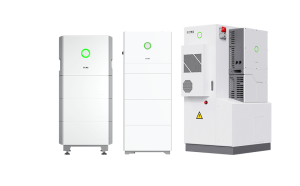
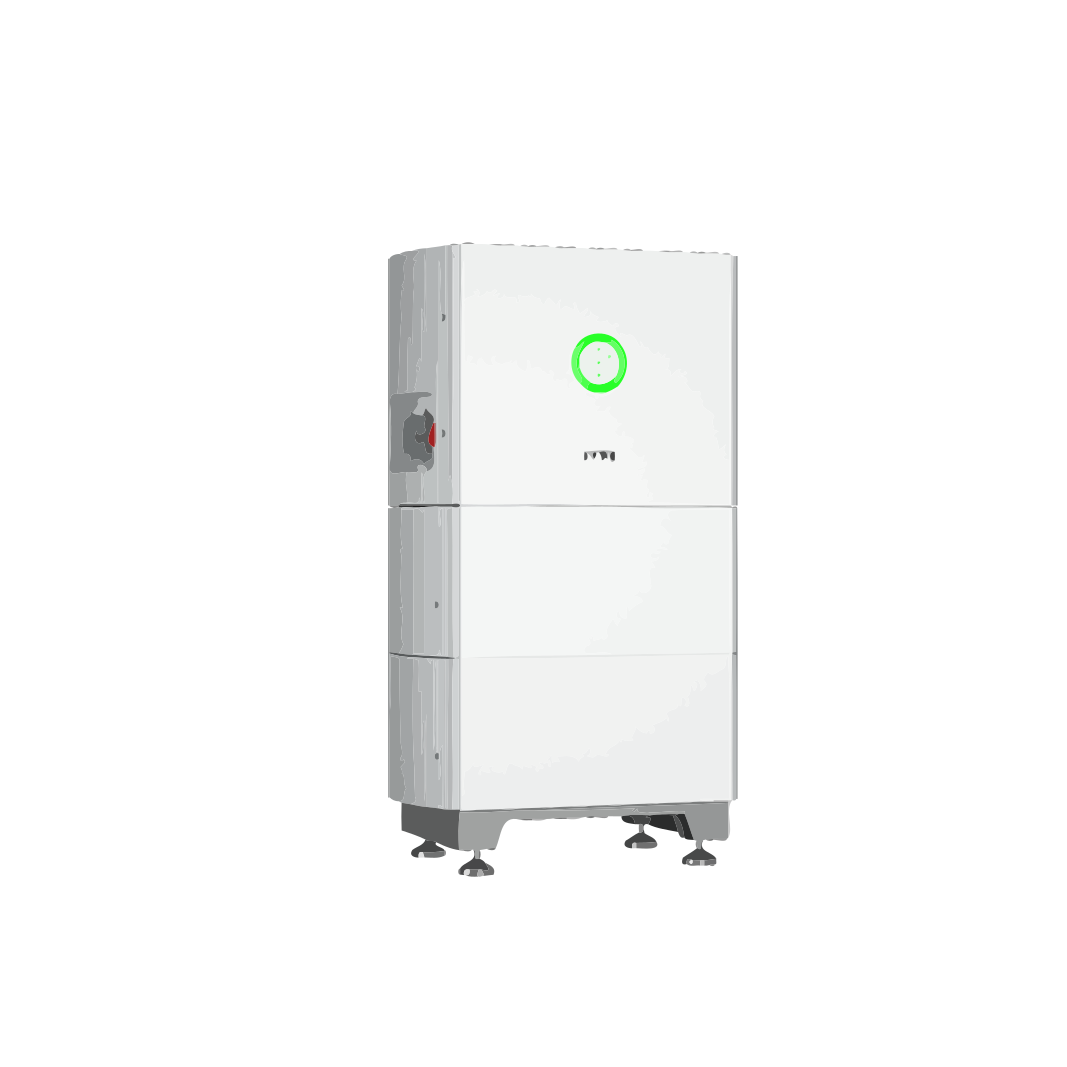
At SAJ, our all-in-one ESS strategy is simple and effective: we create residential (HS Series) and commercial (CHS2 Series) systems that solve the core problems of our customers, from high electricity bills to business disruptions from power outages. We rely primarily on advanced technology and user-friendly design to deliver these solutions.
Why is an all-in-one ESS important?
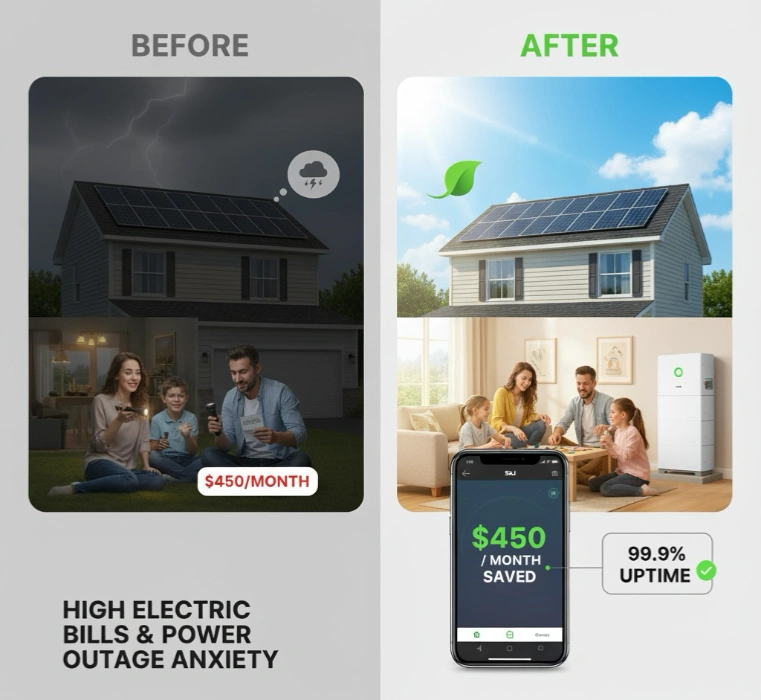
An all-in-one ESS is an opportunity to achieve energy independence, enhance power reliability, and generate significant cost savings. We know at least three compelling reasons to invest in it:
- It provides reliable backup power and resilience against grid failures
- It intelligently manages energy to slash electricity bills
- It simplifies the transition to renewable energy for homes and businesses
I’ll go through each of these with an example of how SAJ’s systems address these points.
1. An All-in-One ESS: Your 24/7 Shield Against Outages
1.1 Why Grid Failures Hurt More Than Ever
| User Type | Typical Outage Impact | Hidden Cost |
|---|---|---|
| Family | • Spoiled food • No heating / A/C • Lost internet & schoolwork |
Stress, health risks, wasted groceries |
| Small Business | • Halted production • Missed online sales |
Revenue loss, brand damage |
| Critical Services | • Security / medical devices offline | Safety & liability exposure |
Fact: EPRI reports U.S. outage costs exceed \$150 B annually—mostly from lost productivity rather than repair bills.
1.2 How an All-in-One ESS Keeps You Running
- Instant Detection – Voltage sensor spots grid loss in <2 cycles.
- Seamless Cut-over – Backup gateway opens the grid relay and switches to battery in < 10 ms (UPS-grade).
- Stable Power Quality – Pure-sine inverter holds ±2 % voltage and ±0.1 Hz frequency—screens don’t even flicker.
- Auto-Recovery – When the grid returns, the ESS resyncs and reconnects without manual reset.
1.3 SAJ Engineering Highlights
- Hybrid Architecture: Inverter + BMS + ATS inside one IP65 chassis.
- Peak Surge Handling: 200 % of continuous power for 10 s—starts well pumps & compressors.
- Lithium-Iron-Phosphate Core: ≥ 6,000 cycles @ 90 % DoD, 10-year warranty.
- OTA Diagnostics: Cloud AI predicts battery health and flags faults before they occur.
| Spezifikation | Value |
|---|---|
| Transfer time | < 10 ms |
| Continuous rating | 5–15 kW (model-dependent) |
| Round-trip efficiency | 92–94 % |
| Operating temp | –20 °C to +55 °C |
1.4 Real-World Resilience Metrics
- 80 % of global residential battery buyers cite “backup” as purchase driver (SolarReviews 2024).
- A single 15 kWh pack powers:
- • 1 fridge (24 h)
- • Wi-Fi + lights + 2 laptops (24 h)
- • Gas furnace fan (8 h)
- Pairing with 5 kW solar extends runtime indefinitely during sunny weather.
1.5 Peace-of-Mind Dividend
Beyond watts and specs, an all-in-one ESS removes the anxiety of storms and grid faults. You keep working, your kids keep studying, and your business keeps selling—while everyone else waits for the lights to come back on.
2. An All-in-One ESS Slashes Your Bill with Smart Energy Management
2.1 The Tariff Trap Without Storage
| Time | Grid Price* | Solar Home (No Battery) | Result |
|---|---|---|---|
| Mid-day | \$0.05 /kWh | Export surplus @ low rate | Pennies earned |
| Evening Peak | \$0.25 /kWh | Import power for dinner & A/C | Dollars spent |
Net result: you sell low und buy high—the opposite of smart investing.
2.2 How SAJ’s elekeeper EMS Flips the Equation
- Data Feed – Pulls 48-hour weather forecasts plus your utility’s TOU table.
- Usage Learn – Tracks your past 30-day consumption in 15-minute slices.
- AI Schedule – Calculates the cheapest charge times and most valuable discharge windows.
- Real-Time Adjust – Re-optimizes every five minutes if clouds roll in or usage spikes.
2.3 Savings Snapshot
| Szenario | Annual Grid Cost | Annual Savings vs. No Battery |
|---|---|---|
| No ESS | \$1,800 | — |
| ESS, Manual | \$1,400 | \$400 |
| ESS + elekeeper AI | \$1,050 | \$750 |
Assumes 8 kW PV, 15 kWh battery, TOU ratio 5 : 1.
2.4 Example Day: AI Schedule in Action
| Hour | System Action | Reason |
|---|---|---|
| 08:00 | Slow-charge battery from PV | Clear-sky forecast until noon |
| 13:00 | Pause at 90 % state of charge | Leaves room for cloud fluctuations |
| 18:00 | Discharge to house | Peak tariff hits \$0.30 /kWh |
| 22:00 | Top-up from off-peak grid if SOC < 40 % | Prep for next morning’s loads |
2.5 Key Takeaways
- Earn high, buy low: The battery flips the TOU game in your favor.
- Hands-free: AI does the math; you just watch the bill shrink.
- Future-proof: When tariffs change or weather shifts, the algorithm auto-relearns.
3. An All-in-One ESS Makes “Go Renewable” Plug-and-Play
3.1 From Puzzle Pieces to a Single Box
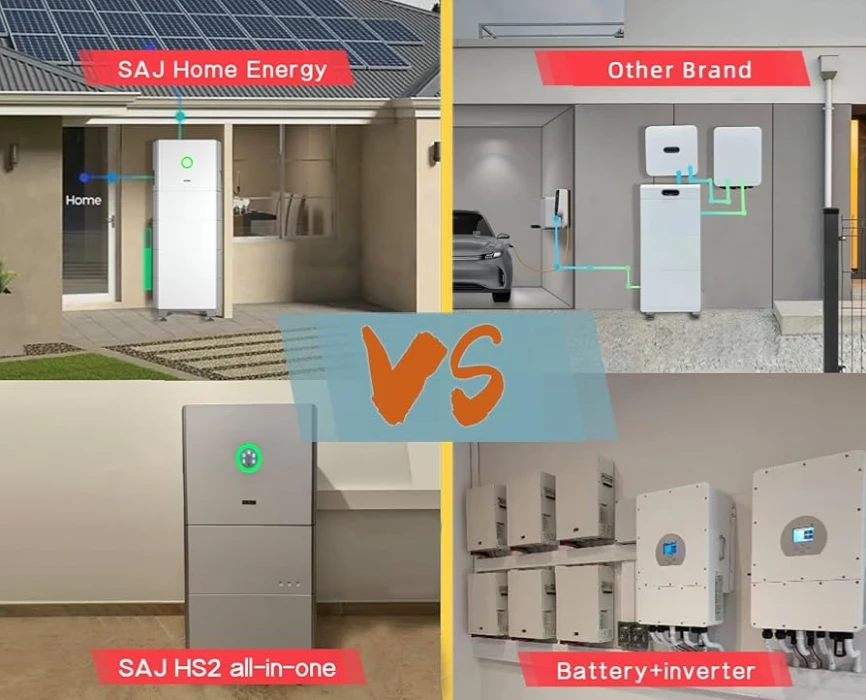
| Traditional Build-Your-Own | SAJ All-in-One ESS |
|---|---|
| Source inverter, battery rack, BMS, PV charger, ATS—from 4-5 vendors. | One factory-assembled unit: inverter + BMS + ATS + EMS inside an IP65 cabinet. |
| Spend hours cross-checking datasheets, connectors, firmware versions. | Pre-matched electronics—no spec guessing, no cable roulette. |
| Multi-step commissioning: update firmware, set CAN-bus IDs, run separate tests. | Single wizard on mobile app; factory self-test report included. |
| Warranty chain: each part = different RMA process. | One serial number, one hotline, 10-year umbrella warranty. |
3.2 Installer Win: 50 % Faster Job Site
- Unpack & Mount – Single wall bracket, < 45 min.
- Snap-fit PV & battery leads – Color-coded ports, tool-less MC4.
- Auto-commission – Scan QR code; app imports site data, runs tests.
- Handover – Customer sees live savings on the app before you leave.
Field data: SAJ partners report 2–3 fewer truck rolls per project versus multi-vendor builds.
3.3 Owner Win: One Dashboard, Zero Headaches
- Unified App – Solar, battery, grid import, and EV charger in one view.
- OTA Updates – New features (VPP, V2G) pushed overnight—no electrician visit.
- Single Support Portal – Track warranty, request service, download reports.
3.4 Future-Proof by Design
- Modular Expansion – Daisy-chain battery packs without rewiring the inverter.
- Standards Ready – Built-in IEEE 2030.5 & OpenADR gateways.
- Chemistry Agnostic – Firmware profiles for LFP today, solid-state tomorrow.
Fazit: All-in-one ESS turns renewable adoption from a custom project into an appliance purchase—fast, reliable, and built for the next decade of grid innovation.
Core Components & Key Specs — Deconstructing the “Magic Box”
1. Inside the Enclosure — Roles at a Glance

| Sub-Component | Nickname | Primary Job |
|---|---|---|
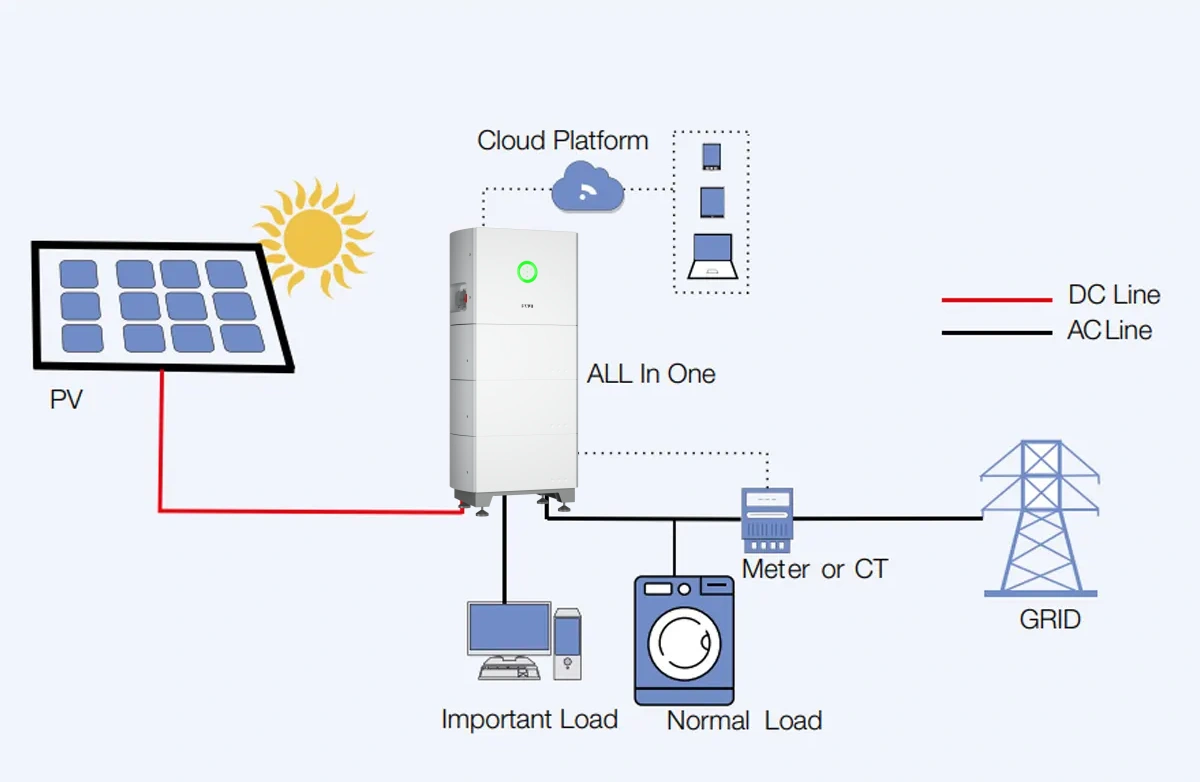
| Hybrid-Wechselrichter | Brain | Converts DC↔AC and routes energy between PV, battery, loads, and grid. |
| Battery Pack | Heart | Stores daytime surplus; discharges when solar or grid is unavailable or expensive. |
| Energy Management System (EMS) | Nervous System | Reads forecasts + tariffs, then schedules charge and discharge for best savings. |
| Backup Gateway / ATS | Safety Switch | Disconnects from grid in < 10 ms during an outage, keeping critical loads alive. |
2. Key Electrical Specs (SAJ Reference Values)
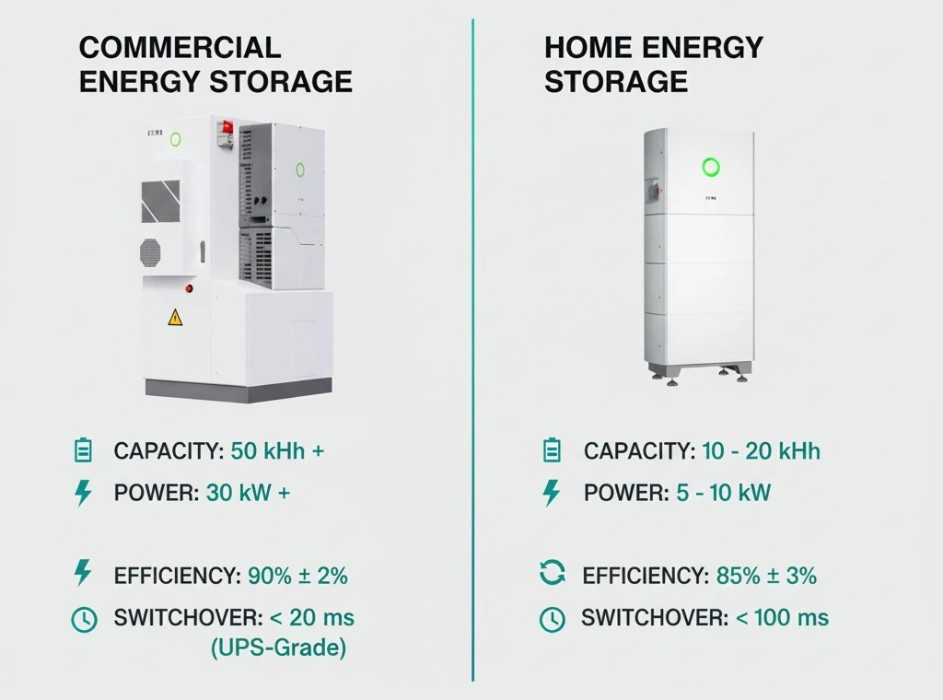
| Spezifikation | Warum das wichtig ist | Typical Home Model | Typical C&I Model |
|---|---|---|---|
| Energy Capacity (kWh) | Dictates blackout runtime and arbitrage size. | 5 – 20 | 50 – 4 000 |
| Continuous Power (kW) | Number of devices you can run at once. | 3 – 10 | 30 – 150 |
| Surge Power (10 s) | Starts pumps, compressors without tripping. | 2 × continuous | 1.5 × continuous |
| Gesamtwirkungsgrad | % of stored energy you actually use. | 95 % | 96 % |
| Switchover Time | Prevents PC/router resets. | < 10 ms | < 15 ms |
| Operating Temp | Ensures full output in hot or cold sites. | –20 ° to +55 °C | –15 ° to +50 °C |
3. How the Pieces Work Together — Sequence Snapshot
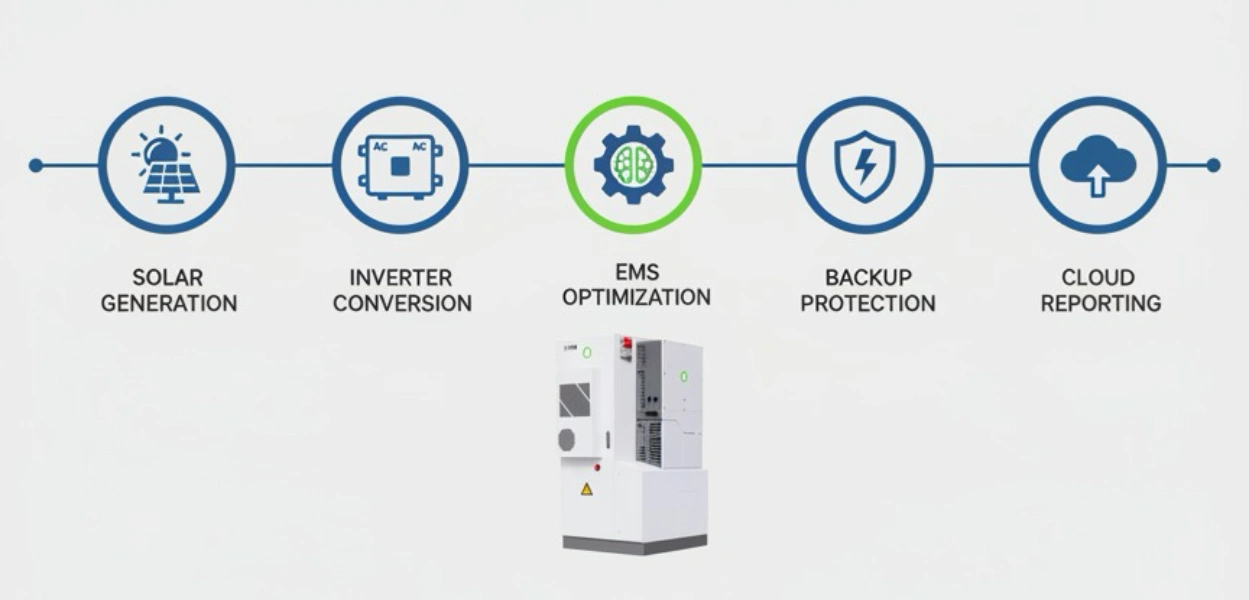
| Schritt | Action | Decision Maker | Typical Time-Scale |
|---|---|---|---|
| 1. Generation | PV modules produce DC power. | — | Real time |
| 2. Conversion | Hybrid inverter serves loads or charges battery. | Inverter firmware | Milliseconds |
| 3. Optimization | EMS refines plan using tariffs + forecast. | Cloud AI | 5-minute refresh |
| 4. Protection | Backup gateway isolates home if grid fails. | ATS relay | < 10 ms |
| 5. Reporting | System sends data for monitoring & OTA updates. | EMS | Every few seconds |
4. Why Full Integration Beats Mix-and-Match
- Single Warranty – One serial number covers inverter, battery, gateway, and EMS.
- Faster Installation – Pre-wired internals can cut on-site labor by ~35 %.
- Fewer Call-Backs – Integrated diagnostics halve post-install service tickets.
- Future-Ready – Unified firmware enables VPP, V2G, or new tariff modes via simple OTA push.
Fazit: an all-in-one ESS turns renewable adoption from a custom wiring project into an appliance-grade purchase—simpler for installers, safer for users, and built for tomorrow’s grid services.
Solution for Your Home: Energy Independence & Lower Bills
For homeowners, an all-in-one ESS is about security, savings, and smart living. It addresses the most common pain points of modern energy consumption by turning abstract features into tangible benefits.
Self-Consumption: Using Your Solar Power 24/7 – The problem for many solar owners is that they generate abundant power during the day while at work, only to buy expensive grid power in the evening. An all-in-one system solves this by storing that excess solar energy.
Backup Power: Keeping the Lights On – When a storm or grid failure plunges your home into darkness, the system’s backup gateway instantly disconnects from the grid and begins powering your home from the battery. The switchover is so fast that your sensitive electronics won’t even flicker.
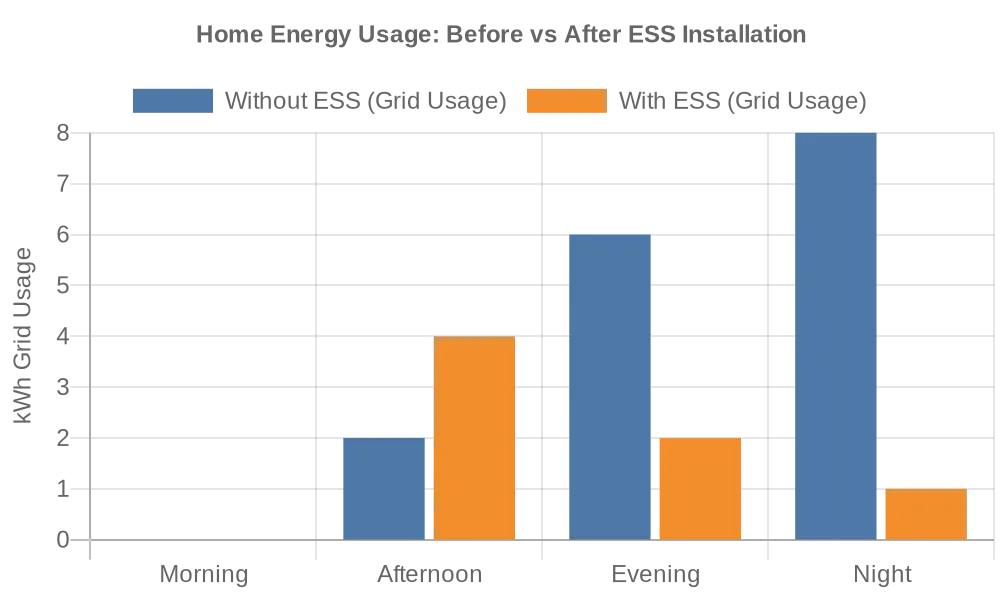
Comparing energy usage patterns before and after installing ESS
EV Charging: Fueling Your Car with Sunshine – Instead of charging your EV at night with grid power and raising your electricity bill, an all-in-one system with an integrated charger allows you to charge your car directly from your stored solar energy.

Solution for Your Business: Slashing Costs & Ensuring Uptime
For commercial and industrial users, an all-in-one ESS is a strategic asset that directly impacts the bottom line by reducing operational costs and eliminating the risk of downtime.
Here are the key benefits:
- Peak Shaving: Many businesses run heavy machinery during the day, causing short spikes in energy use. Utilities often penalize this with hefty "demand charges" that can make up over 50% of a bill. The ESS solves this by intelligently discharging power from its battery during these peak moments.
- Skalierbarkeit: As a business grows, so do its energy needs. A modular all-in-one system offers scalability without requiring a massive upfront investment. You can start with the capacity you need now and easily add more battery units later.
- Three-Phase Power: Many commercial facilities rely on sensitive three-phase equipment, like motors or manufacturing tools, which can be damaged by voltage imbalances.
Load profile showing peak shaving effect over a typical week

By using stored energy to lower the peak demand seen by the grid, a business can dramatically cut these charges. For example, reducing a 500 kW peak to 350 kW could save over $2,000 per month on demand charges alone.
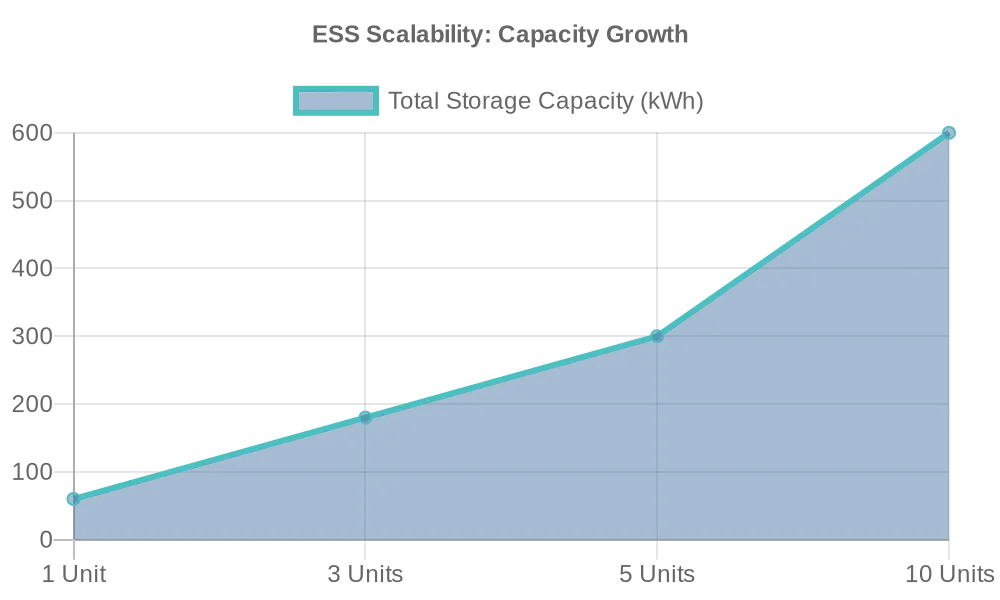
Visualizing how storage capacity scales as more units are added in parallel.
The SAJ CHS2 series, for instance, is designed for this flexibility, allowing businesses to scale their energy storage capacity seamlessly from 60kWh for a small operation to over 4MWh for a large industrial facility by simply paralleling units.
100% three-phase imbalance output guarantees that even if loads are unevenly distributed, the ESS delivers clean, stable power to each phase, protecting valuable equipment from damage and failure.
3 Common Mistakes & How to Avoid Them
Take-away: A little planning prevents costly redesigns later. Use the checklist below before signing a contract.
1. Sizing Errors — Too Small oder Too Large
| What Goes Wrong | Folge | Best-Practice Fix |
|---|---|---|
| Undersizing (e.g., 5 kWh battery for a 6 kW nightly load) | Battery drains before sunrise; ROI drops. | • Pull 12-month utility data. • Log actual peak kW with a clamp meter. • Size battery for 80-120 % of essential overnight load. |
| Oversizing (e.g., 40 kWh battery for a 3 kW peak) | Extra cap-ex, slower payback, unused capacity. | • Match capacity to tariff spread & outage risk. • Add expansion ports rather than oversize day-one. |
2. Overlooking Grid Rules & Certifications
- Issue: Each utility has its own interconnection rules (export limits, anti-islanding tests, rapid-shutdown codes).
- Consequence: Failed inspections, costly rework, delayed PTO (permission to operate).
- Best Practice:
- Hire installers certified for UL 1741-SB / IEEE 1547-2023.
- File utility paperwork early—some queues run 60 days.
- Confirm the ESS speaks required protocols (IEEE 2030.5, SunSpec Modbus).
3. Treating Warranty as Fine Print
| Warranty Clause | Warum das wichtig ist | What to Look For |
|---|---|---|
| Battery Cycles | Tells how much energy you’ll get over life. | ≥ 6,000 cycles @ ≥ 70 % capacity. |
| Throughput Cap | Prevents early expiration if you cycle heavily. | 20 MWh per 10 kWh module or higher. |
| Labor / Shipping | Hidden cost during RMA. | Manufacturer covers both for at least 5 yrs. |
| Inverter Coverage | Separate from battery; confirm lengths match. | 10-yr full parts & labor standard. |
Tip: Reputable vendors publish a minimum remaining capacity graph—ask to see it before purchase.
Quick Pre-Purchase Checklist
- Load study completed (12 months bills + peak log).
- Installer confirmed utility interconnection requirements.
- ESS carries UL 1741-SB / IEEE 1547-2023 certifications1.
- Warranty ≥ 10 yrs inverter, ≥ 6 000 cycles battery, labor included.
Following these steps ensures your all-in-one ESS delivers the savings, resilience, and peace of mind you expect—without expensive mid-project surprises.
Conclusion: The Future is Integrated
The era of complex, piecemeal energy components is giving way to a smarter, more integrated future. All-in-one energy storage systems represent this shift, moving from a collection of parts to a single, intelligent solution.
For homeowners, they offer a simple path to energy independence, lower bills, and peace of mind. For businesses, they are a powerful tool for slashing operational costs and guaranteeing reliability.
By combining the brain, heart, and nervous system of energy management into one elegant package, these systems are making clean, resilient energy more accessible than ever before.
Ready to explore a tailored solution? Get a consultation to analyze your specific energy needs.
-
Discover the importance of these certifications for ensuring safety and reliability in energy systems. ↩