


 sales@sunriver-electric.com
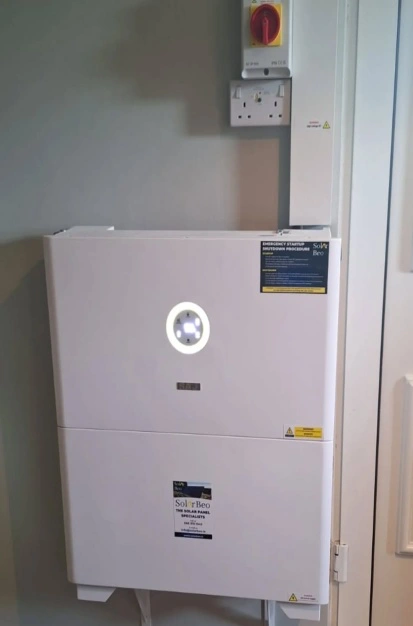
In this in-depth guide, we’re providing a complete, honest review of the SAJ HS3 all-in-one energy storage system. We’ll move beyond the marketing hype and technical jargon to analyze its real-world performance, standout features, and long-term value. Our goal is simple: to give you the clear, unbiased information you need to decide if the HS3 is the right energy hub for your home.
What Makes the SAJ HS3 Special?
A modern home energy system should ideally function like any other high-end appliance—seamlessly integrating into your life while providing tangible benefits like cost savings and energy security.
The SAJ HS3 is a strong example of this philosophy. It’s an all-in-one energy storage system designed to serve as the central hub for a modern, energy-independent home.
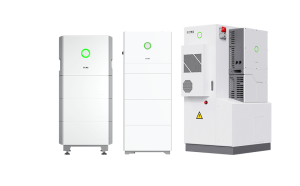
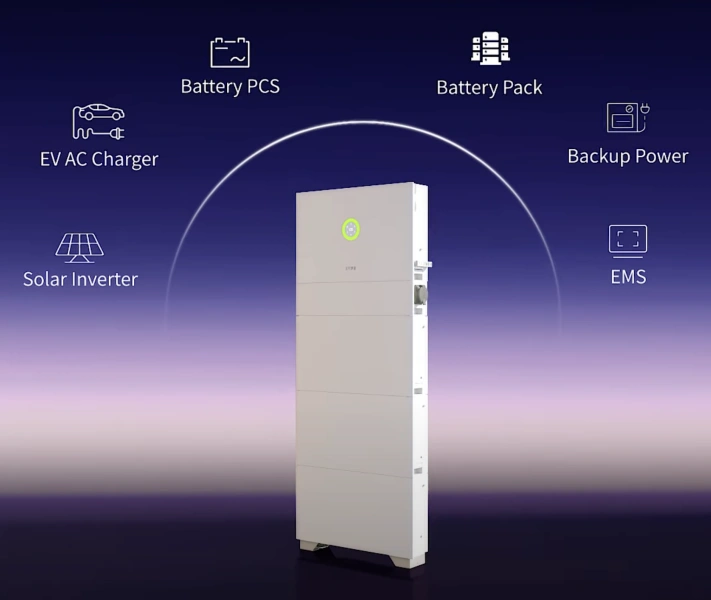
The All-in-One Concept: In simple terms, the HS3 combines three core components—a solar inverter, battery storage, and an EV charger—into a single, engineered unit. Unlike traditional setups that require separate components from different brands, this integrated approach is designed to simplify installation and save valuable space.
Second-Generation Improvements
The HS3 platform builds upon the established technology of SAJ’s original HS2 system. This means it has a proven, stable foundation while incorporating enhanced smart features, broader connectivity options, and improved efficiency metrics.
Who Is This System Designed For?
The HS3 is aimed at homeowners seeking a comprehensive and intelligent energy management solution. It is particularly well-suited for homes that either have an electric vehicle or plan to acquire one, due to its native charging capabilities.
Standout Features That Actually Matter
The engineering of the HS3 isn’t just about combining components; it’s about how those features work together to create a unified user experience.
| Característica | What It Provides | Key Technology |
|---|---|---|
| Integrated EV Charging | The ability to charge an EV with solar energy without needing a separate charger installation. | Built-in 7.4kW Level 2 EV Port |
| Advanced Energy Management | Automatic cost savings through intelligent analysis of usage patterns and utility rates. | AI-Powered Optimization Algorithms |
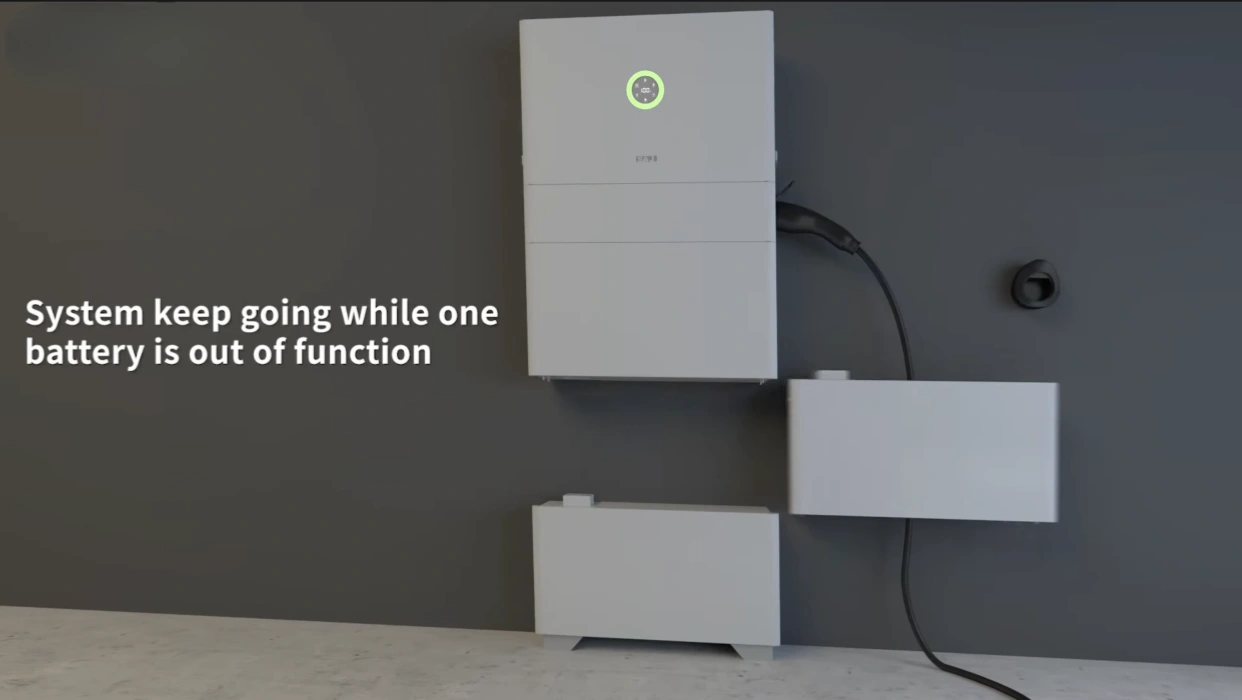
| Modular Battery Design | The flexibility to start with a smaller capacity and expand later as your family’s needs evolve. | Expandable from 5kWh up to 40kWh |
The modular battery design is a key aspect of future-proofing your investment. The system can scale with your life.

Real-World Performance Analysis
Technical specifications provide a baseline, but real-world performance is what truly matters.
Energy Efficiency Metrics
A system’s efficiency determines how much of your captured solar energy is actually put to use.
| Performance Metric | Typical HS3 Performance | What This Means |
|---|---|---|
| Round-Trip Efficiency | 94-96% | For every 10 kWh of energy stored, over 9.4 kWh is available to use. |
| Solar Conversion (MPPT) | 97.5% | Maximizes the energy captured from your solar panels. |
| Standby Consumption | < 10W | The system does not significantly consume energy when idle. |
Battery Performance and Longevity
The HS3 uses LiFePO4 (Lithium Iron Phosphate) battery chemistry, which is the current industry standard for residential applications due to its high safety profile and long lifespan.
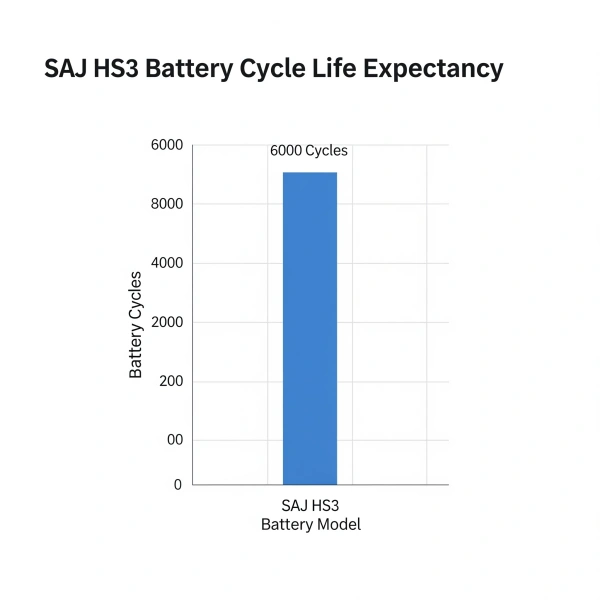
It’s rated for over 6,000 charge cycles while retaining at least 80% of its original capacity, indicating strong long-term performance.
EV Charging Performance
The HS3 provides a 7.4kW AC charging capability, classified as Level 2. To provide context, this is significantly faster than a standard Level 1 wall outlet charger and is the standard for home EV charging.
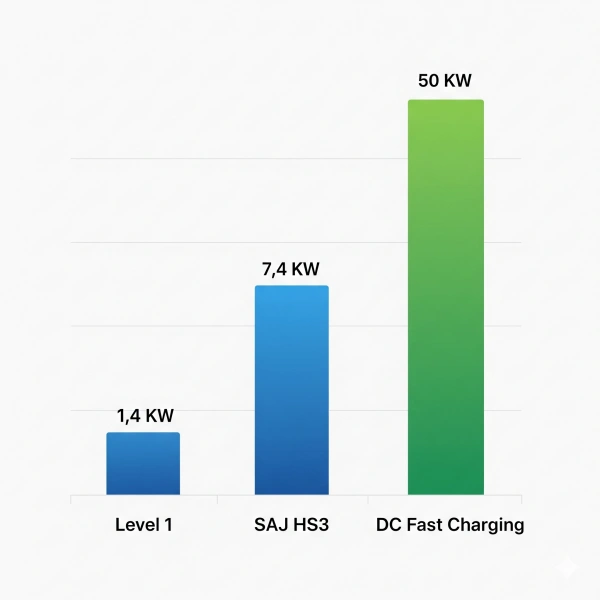
This Level 2 speed makes it possible to power your commute with solar energy by allowing most EVs to charge fully overnight.
Real-World Scenarios: How the HS3 Solves Everyday Problems
Technical features are abstract. Here is an analysis of how the HS3 applies to real-world situations.
Solution 1: Uninterrupted Power for the Home Office
- Painpoint: A remote professional living in an area with an unstable grid experiences frequent micro-outages. These brief power cuts cause their internet router and computer to reboot, leading to dropped client calls and lost work, posing a direct risk to their professional reputation and income.
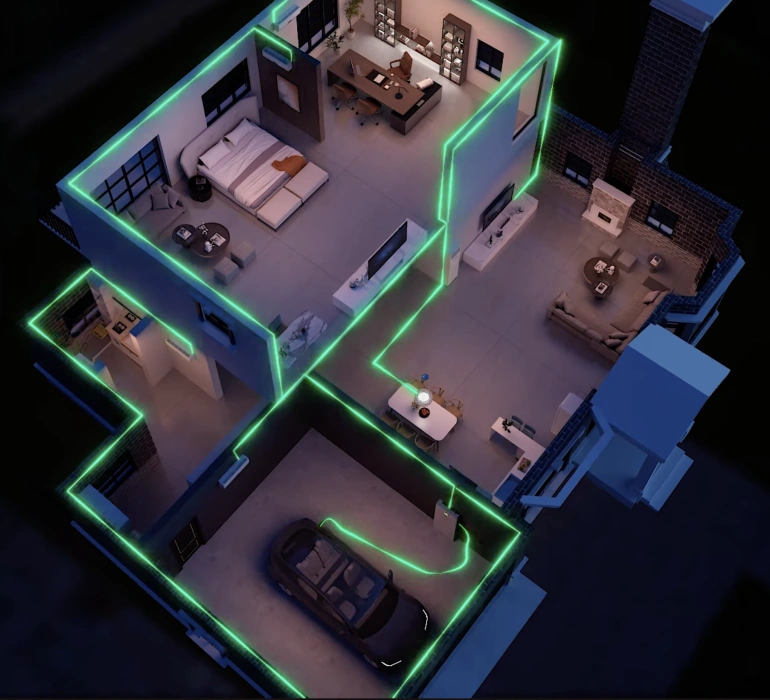
- Solution Analysis: The HS3’s UPS-grade backup power, which activates in less than 10 milliseconds, is the key feature here. This is faster than the hold-up time of most sensitive electronics, meaning the router and computer never lose power. The system effectively creates a stable, independent power source for the home office, isolating it from grid instability.
- Outcome: The system provides professional-grade power stability, ensuring 100% uptime for critical office equipment during grid events.
Solution 2: The EV-Driving Family in a High-Cost Area
- Painpoint: A family with a new EV lives in an area with Time-of-Use (TOU) electricity rates, where power is most expensive in the evening. Charging their vehicle after work coincides with these peak rates, leading to unexpectedly high monthly bills.
- Solution Analysis: The HS3’s integrated EV charger and smart energy management work together. The system stores abundant, low-cost solar energy during the day. Using the "Time-of-Use" mode in the app, the family can program the car to charge from the battery in the evening, intentionally avoiding any import of expensive grid power during the peak TOU window.
- Outcome: A significant portion of EV charging is shifted from the grid to stored solar, reducing the monthly electricity bill and maximizing the use of self-generated clean energy.
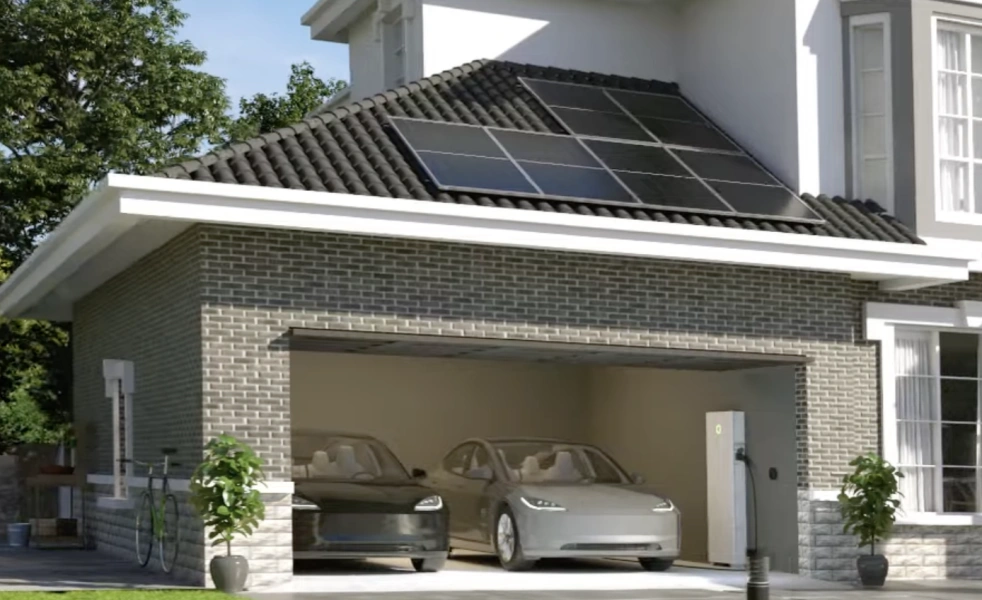
Solution 3: The Modern Homeowner Focused on Simplicity
- Painpoint: A homeowner wants a complete solar, storage, and EV charging solution but is concerned about the aesthetic impact and complexity of installing multiple, mismatched boxes and wiring in their modern home.
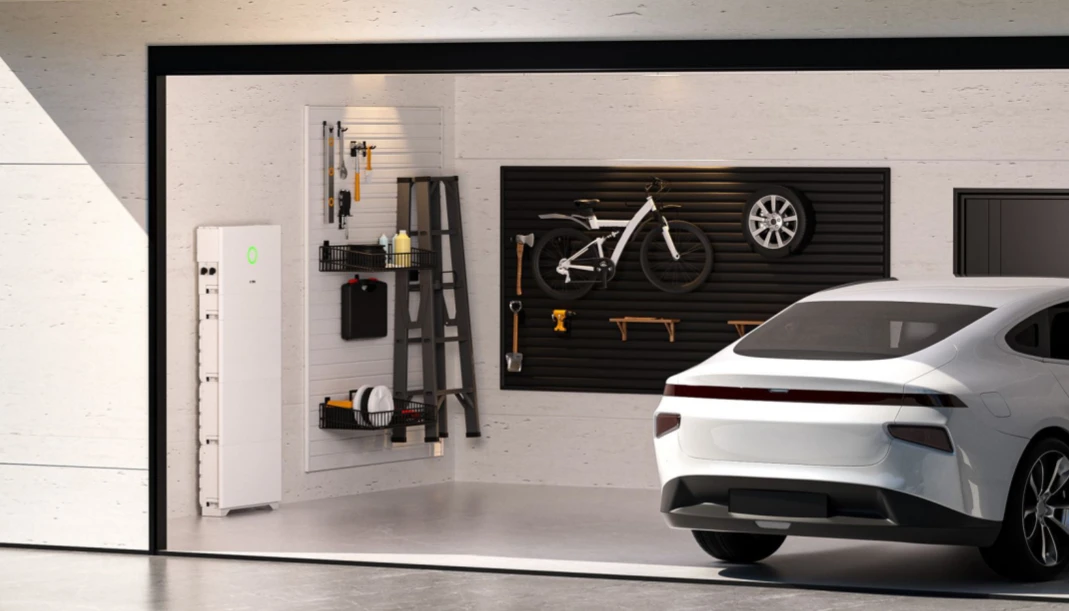
- Solution Analysis: The HS3’s value proposition is its all-in-one architecture. From a design perspective, it consolidates all functions into a single, engineered enclosure. From a project management perspective, it simplifies the entire process—from design to installation to service—under a single product and warranty.
- Outcome: The homeowner achieves full energy system integration with a minimal physical and aesthetic footprint, preserving the home’s design.
An Honest Pros and Cons Assessment
An objective evaluation requires a look at both strengths and limitations.
The Pros: What We Liked
- All-in-one convenience: Reduces the complexity of system design, installation, and maintenance.
- Future-ready design: The built-in EV charging and expandable storage prepare the home for future energy needs.
- Smart optimization: The AI-driven energy management actively works to optimize energy use and reduce costs.
- Solid warranty: A 10-year system warranty provides long-term investment protection.
The Cons: What Could Be Improved
- Higher upfront cost: The integrated system has a higher initial capital cost compared to some entry-level separate components.
- Single point of failure: As a fully integrated system, a fault in the main unit could impact all energy functions.
- App dependency: Accessing the system’s most advanced optimization features requires a stable internet connection and user interaction with the mobile app.
Value Proposition and Market Comparison
The Core Value Proposition of the HS3
The SAJ HS3’s value proposition is built on three pillars for the homeowner:
- Simplicity: Consolidating solar, storage, and EV charging into a single product with a unified app and warranty, reducing complexity for the end-user.
- Integration: Offering features like native EV charging that are deeply integrated into the system’s smart energy management, rather than acting as a simple add-on.
- Future-Proofing: Providing a modular and expandable platform that can grow with a household’s evolving energy needs.
A Detailed Breakdown of the Costs
The total installed cost for an HS3 system typically ranges from $18,000 to $35,000, depending on battery capacity and installation complexity.
This total cost is comprised of several key components:
- Hardware: This includes the HS3 unit itself and the selected number of modular battery packs. This is the largest portion of the cost.
- Installation Labor: The cost for certified electricians to install the system, which typically takes 1-2 days. The simplicity of the all-in-one unit can often reduce labor costs compared to complex, multi-brand installations.
- Balance of System (BOS): This includes all necessary wiring, conduit, and mounting hardware to connect the HS3 to your home’s electrical panel and your solar array.
- Permitting and Fees: Costs associated with local utility and municipal permits for installing a home energy system. These vary significantly by location.
- Incentives (Cost Reduction): Remember that the final net cost is often significantly lower after factoring in federal tax credits (like the U.S. ITC), state rebates, and other local incentives.
How It Compares to Key Competitors
vs. Tesla Powerwall
- Integration: The Powerwall is primarily a battery. It requires a separate solar inverter (either from Tesla or a third party) and a separate EV charger. The HS3 integrates all three into one unit.
- EV Charging: The HS3’s key advantage is the built-in 7.4kW EV charger. With a Powerwall setup, you must purchase and install a separate Tesla Wall Connector or other EV charger.
- Battery Chemistry: The HS3 uses LiFePO4, known for its long cycle life and safety. The Powerwall 2 uses NMC chemistry. Both are proven, but have different characteristics.
vs. Enphase IQ System
- Architecture: Enphase is a leading provider of microinverters (one per solar panel), which offers benefits in panel-level monitoring and performance. The HS3 uses a central string inverter. This is a fundamental architectural difference.
- Integration: Like the Tesla setup, an Enphase system requires a separate battery (the Enphase IQ Battery) and a separate EV charger. The HS3 offers a more consolidated hardware approach.
- Ecosystem: Enphase has a very mature and broad ecosystem of products and a large installer network. The HS3 is a more focused, all-in-one product offering.
Final Verdict: Who Should Consider the SAJ HS3?
This table can help you decide if the HS3 aligns with your needs.
| You’re a great fit if… | Why the HS3 Excels Here |
|---|---|
| You own or plan to buy an EV. | The integrated EV charger is a seamless and economically efficient solution. |
| You value smart home technology. | The AI-powered energy management and unified app control will feel intuitive. |
| You prioritize simplicity and aesthetics. | The sleek, single-unit design is far more compact and visually appealing than separate components. |
The Bottom Line: The SAJ HS3 is a well-engineered, forward-thinking all-in-one energy solution. Its premium pricing reflects its high level of integration, smart features, and strong performance.
For homeowners who prioritize seamless integration and want a single, future-proof investment to manage their solar, storage, and EV charging needs, the HS3 is one of the most compelling options on the market today.