
 sales@sunriver-electric.com

When you’re thinking about going solar, one of the first questions
that comes to mind is straightforward: Is it safe? You want to be confident that the system on your roof is not just powerful, but exceptionally safe for your home and family.
The answer is a resounding yes, thanks to multiple layers of automatic safety features built into every modern solar installation. One of the most critical is the Arc-Fault Circuit Interrupter (AFCI) —a silent guardian that provides constant protection against a primary cause of electrical fires.
Think of it as built-in peace of mind.
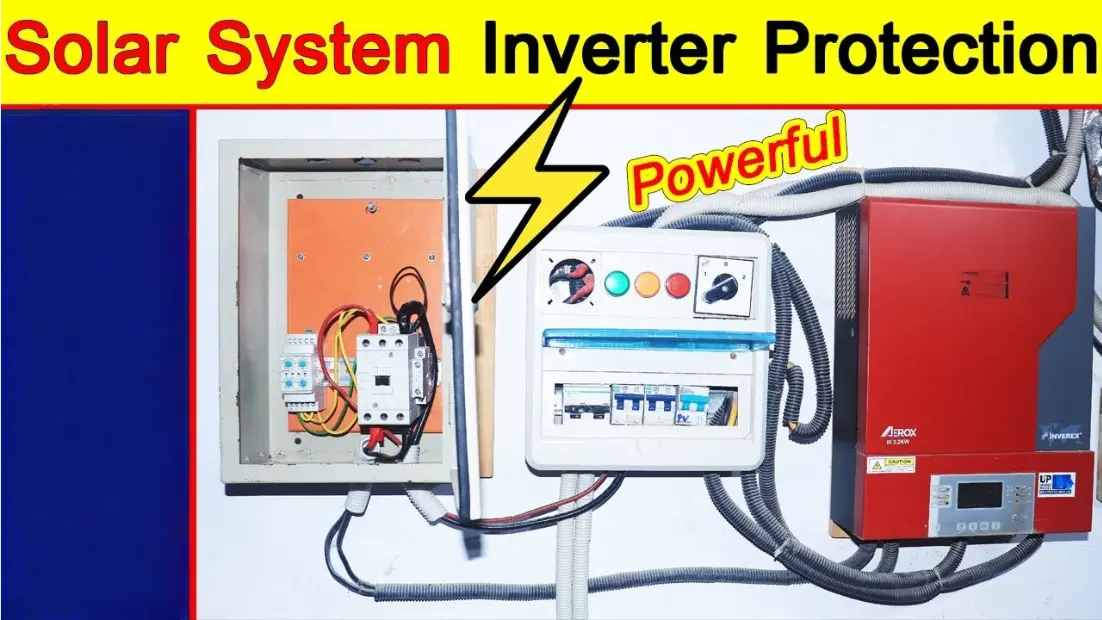
What is an Arc Fault? A Rare but Serious Risk
An arc fault is a dangerous electrical event, like a miniature, contained lightning bolt. It can happen if an electrical current jumps through the air, which might be caused by a damaged wire, a loose connection, or water getting into a sealed part.
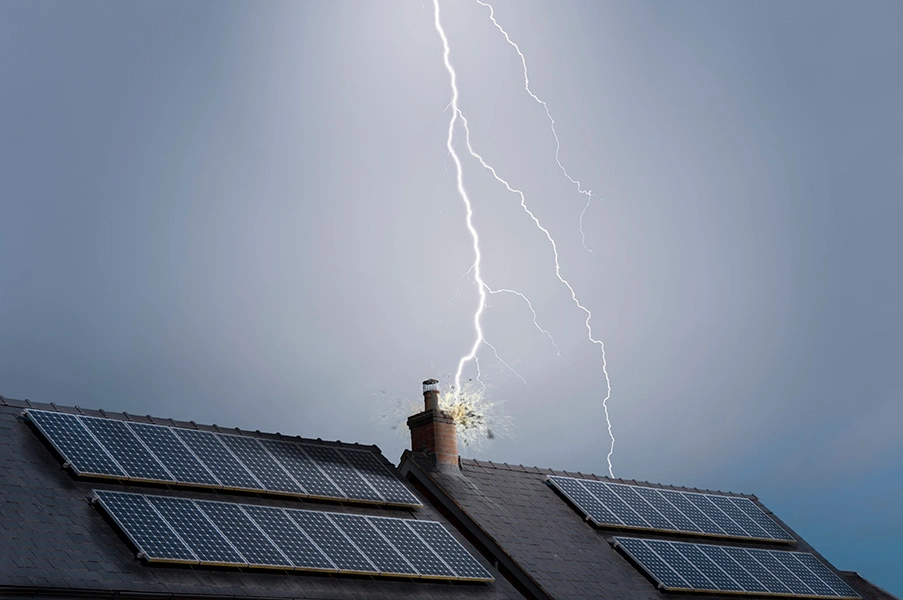
While extremely rare in a professionally installed solar system, an arc fault generates intense heat and is a serious fire risk. That’s why every high-quality solar system is engineered to stop an arc the instant it’s detected.
How AFCI Works: Your System’s Built-In Smoke Detector
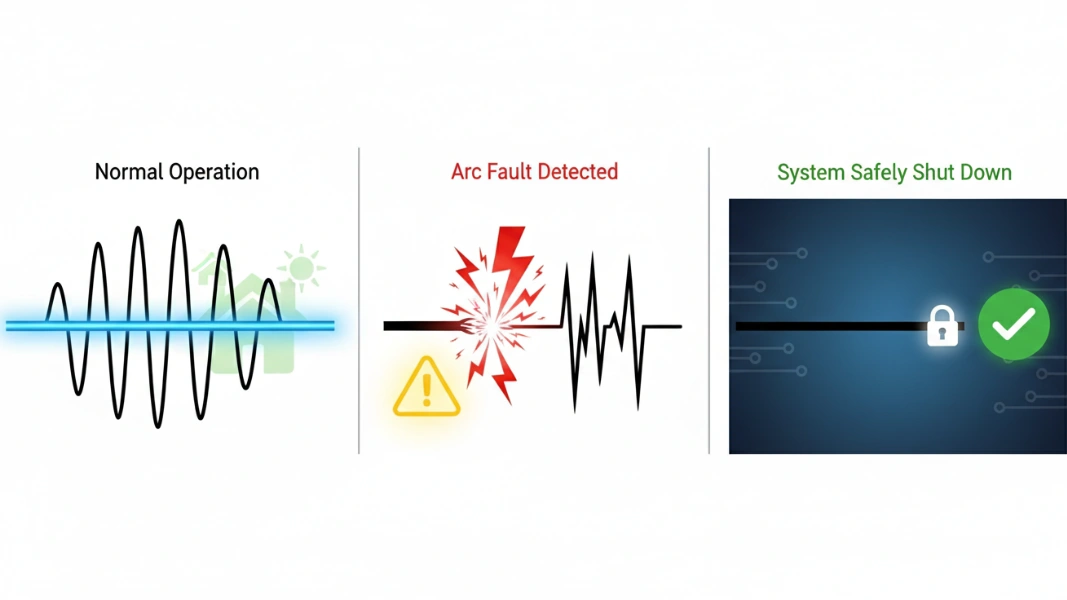
The easiest way to understand an AFCI is to think of it as a smoke detector, but for your solar system’s wiring. It follows a simple, three-step process:
- Monitoring: The AFCI constantly "listens" to the electrical
flow, looking for irregularities. - Detection: It recognizes the unique electrical "noise" that
signifies an arc fault. - Action: It instantly and automatically shuts the entire system
down in less than a second, extinguishing the arc.
This isn’t an optional extra; it’s a mandatory safety feature. In fact, all solar inverters in North America must pass the rigorous UL 1699B certification1—a seal of approval that guarantees this protection is built-in.
What to Do If You See an AFCI Alert
⚠️ CRITICAL SAFETY ALERT
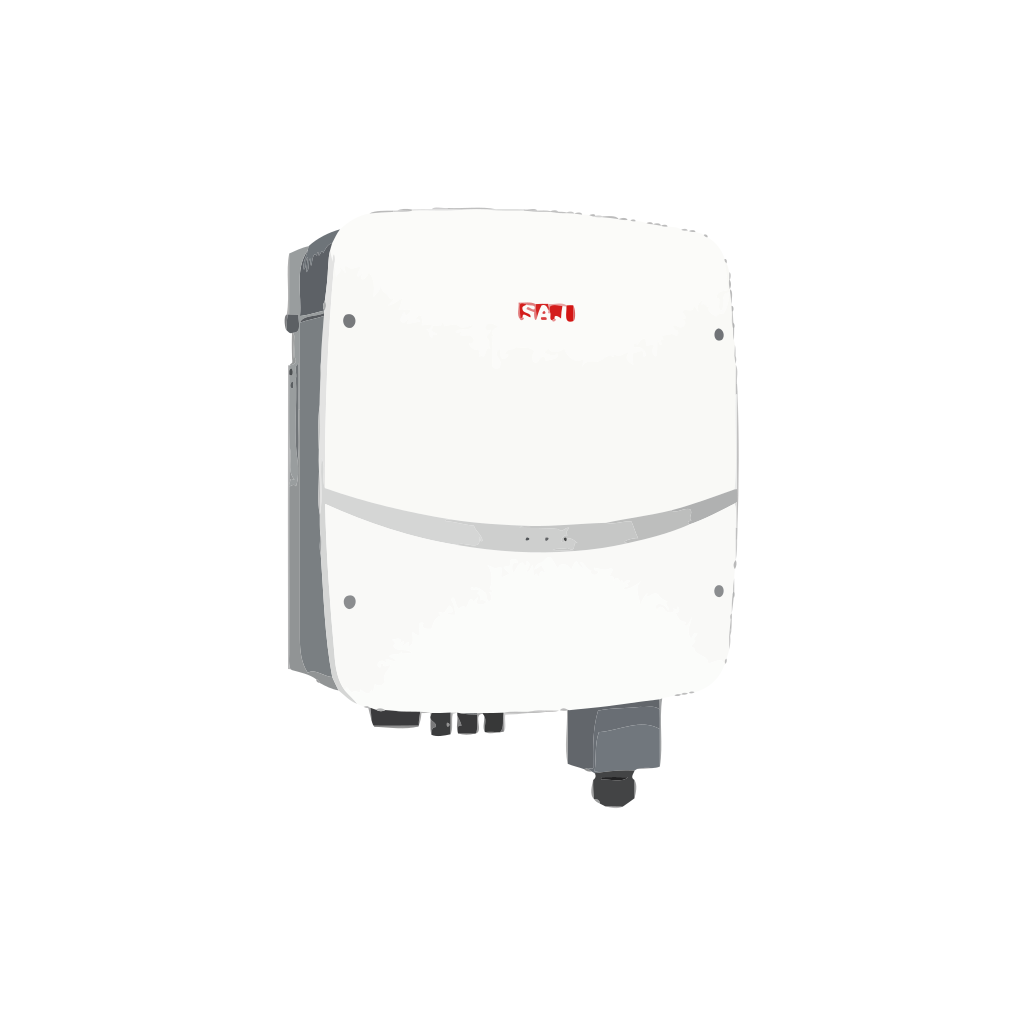
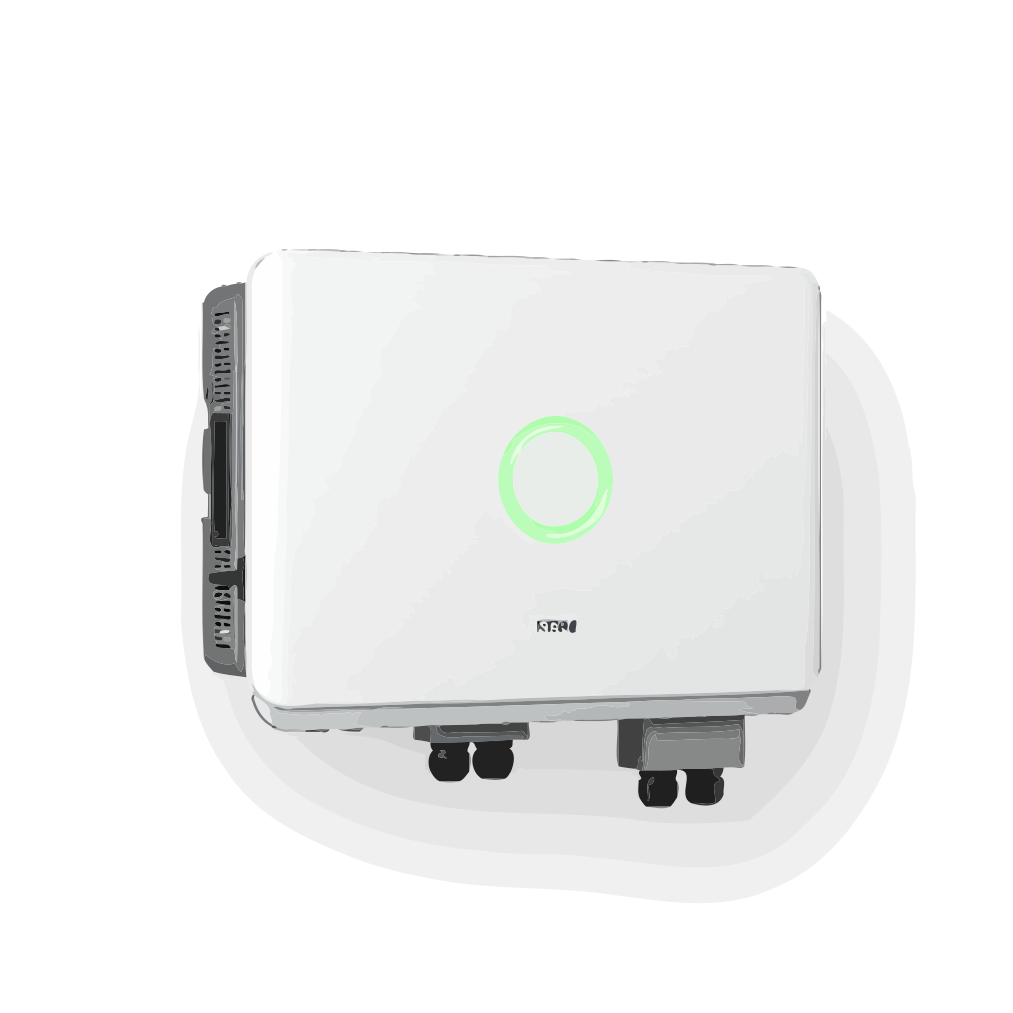
Seeing a fault alert on your inverter might seem alarming, but an
AFCI warning is actually a good sign. It’s proof that your safety
system is working exactly as it should.Your course of action is simple and immediate:
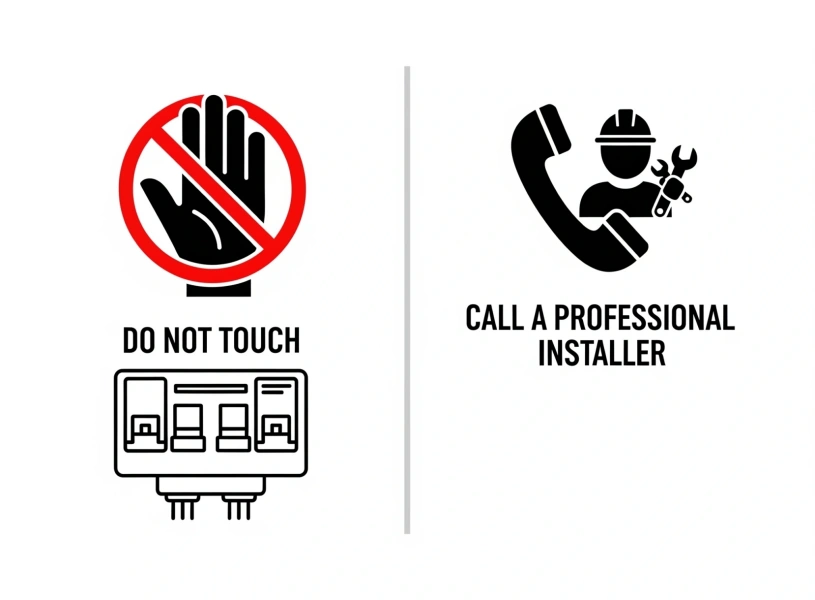
- Don’t touch the system.
- Contact your professional solar installer immediately.
Your installer has the expertise to safely diagnose the cause. They will determine if the system stopped a real fault or if it was a minor "nuisance trip" from something like grid interference.
The Key to Long-Term Safety: A Quality Installation
Pro-Tip: Prevention is the Best Protection
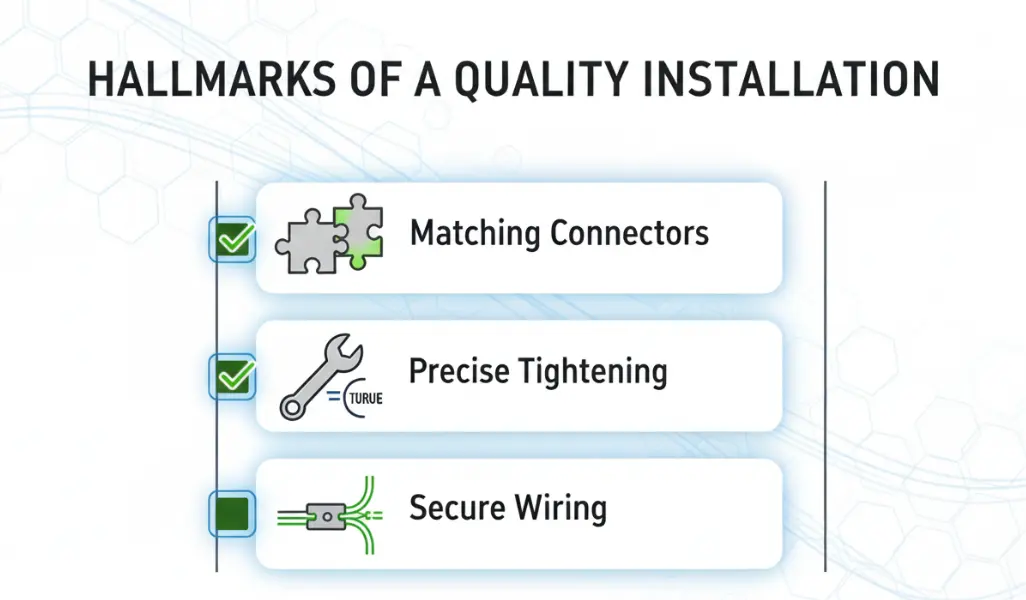
The single best way to ensure the safety and longevity of your solar panel system is to have it installed correctly from the start. A professional installer is your most important partner.
Conclusion: Confidence in Your Solar Investment
Modern solar systems are exceptionally safe because of these automatic, built-in layers of protection. The AFCI is a cornerstone of that safety promise, standing guard over your system so you don’t have to.
By choosing a vetted, professional installer, you can be confident that your solar investment will be a safe, reliable, and powerful addition to your home for decades to come.
-
Discover the rigorous safety standard every North-American solar inverter must meet. ↩