When should buyers start with on‑grid inverters?
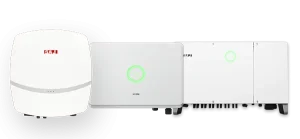
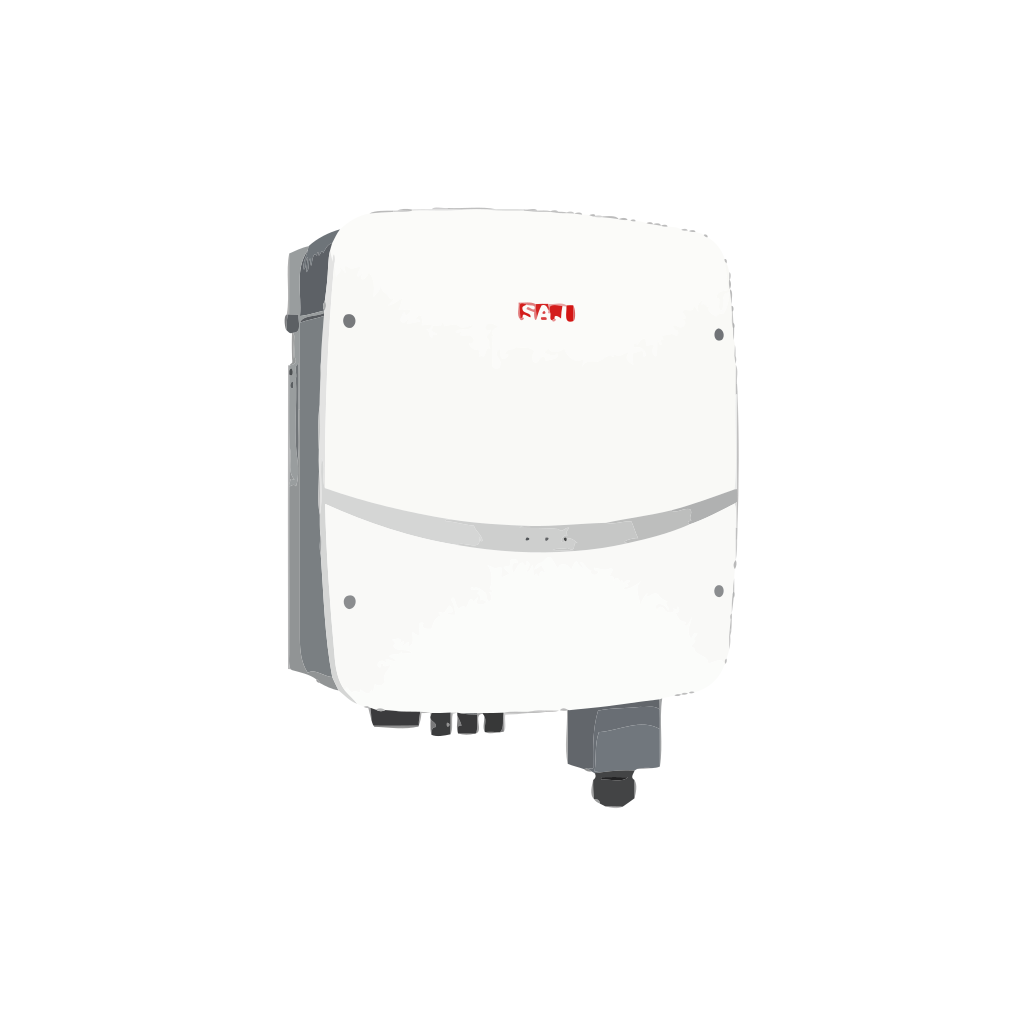
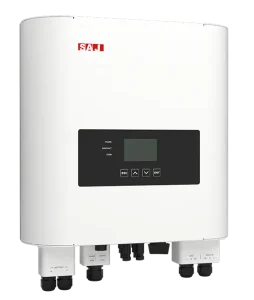
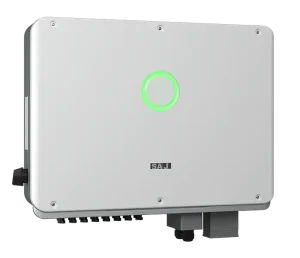
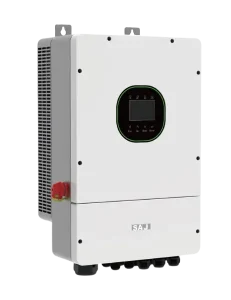
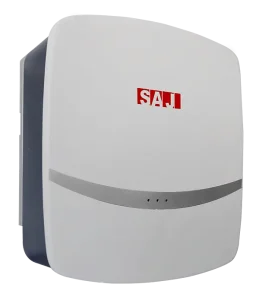
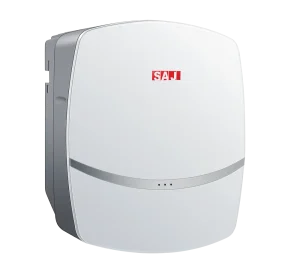
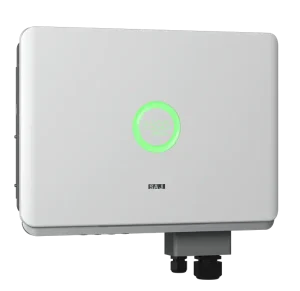
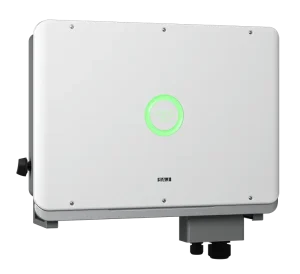
Buyers should start with on‑grid inverters when the project is primarily grid‑tied solar generation without battery storage or backup requirements. The on‑grid family is the simplest procurement path for PV export, yield monitoring, and grid‑code compliance. Sunriver organises the on‑grid portfolio around R5 (0.7–12kW, single and three‑phase residential), R6 (15–50kW, commercial rooftop), and C6 (75–125kW, C&I).
If the project brief includes batteries, backup switching, time‑of‑use strategy, or self‑consumption control, the hybrid and all‑in‑one ESS pages are a better starting point. For document or compatibility questions before selecting a model, use the FAQ and resource page.
When does hybrid make more sense than on‑grid?
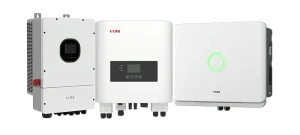
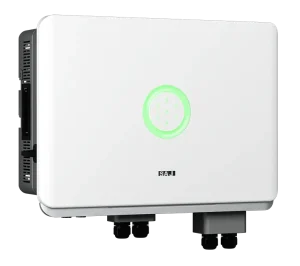
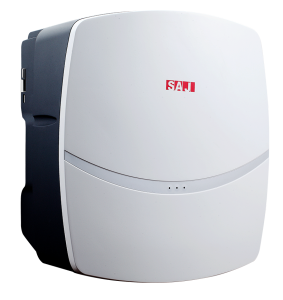
A hybrid inverter is the better choice when the buyer needs both solar generation and battery integration in one system. Hybrid inverters support self‑consumption control, backup‑ready design, and time‑of‑use optimisation that on‑grid inverters do not provide.
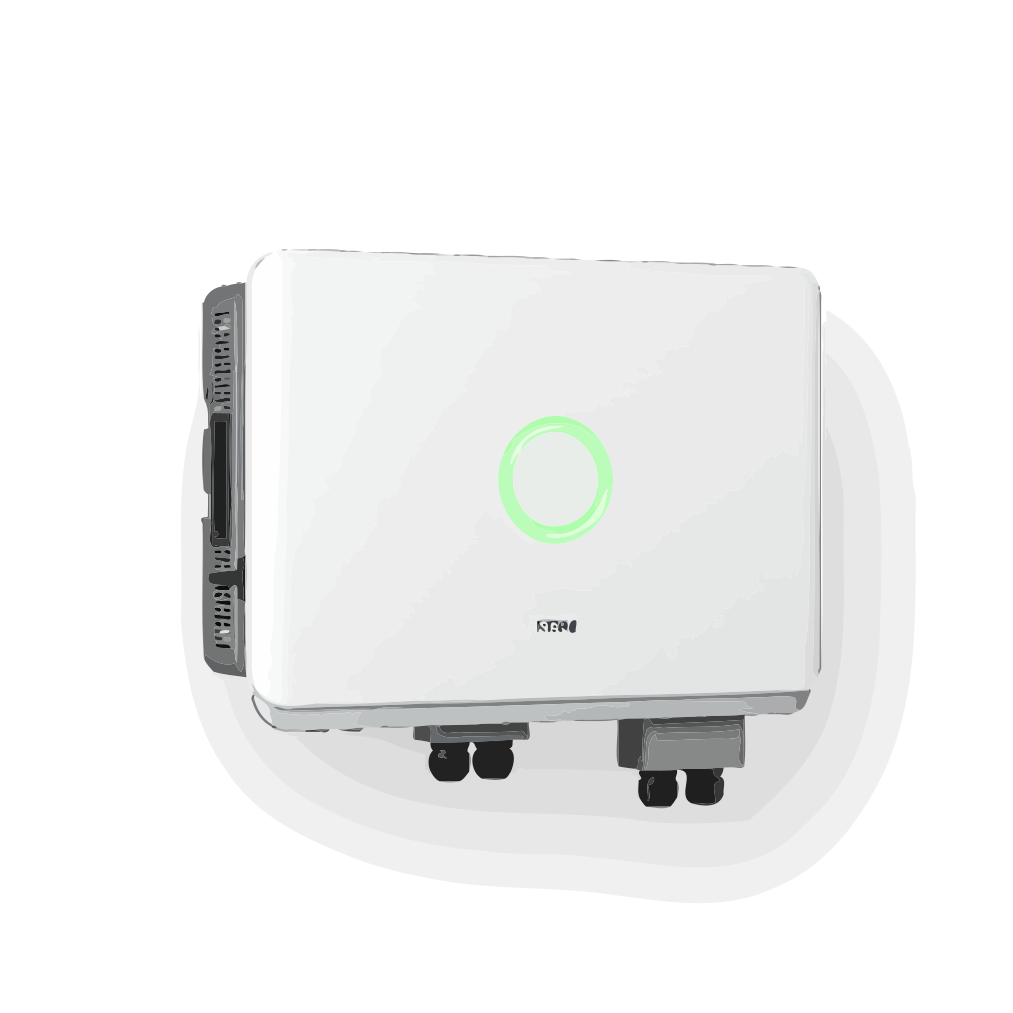
Sunriver’s H1 (3–6kW single‑phase) and H2 (3–30kW single and three‑phase) families cover the standard residential and light commercial hybrid range, while H2 LV (5–12kW) serves low‑voltage battery retrofits. If the buyer already has a battery system and only needs inverter matching, start with the hybrid inverter family page. If the buyer wants a packaged inverter and storage cabinet, compare the all‑in‑one ESS page.
When is all‑in‑one ESS the cleaner procurement path?
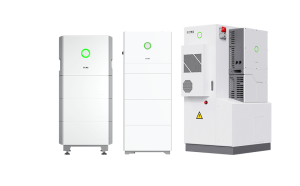
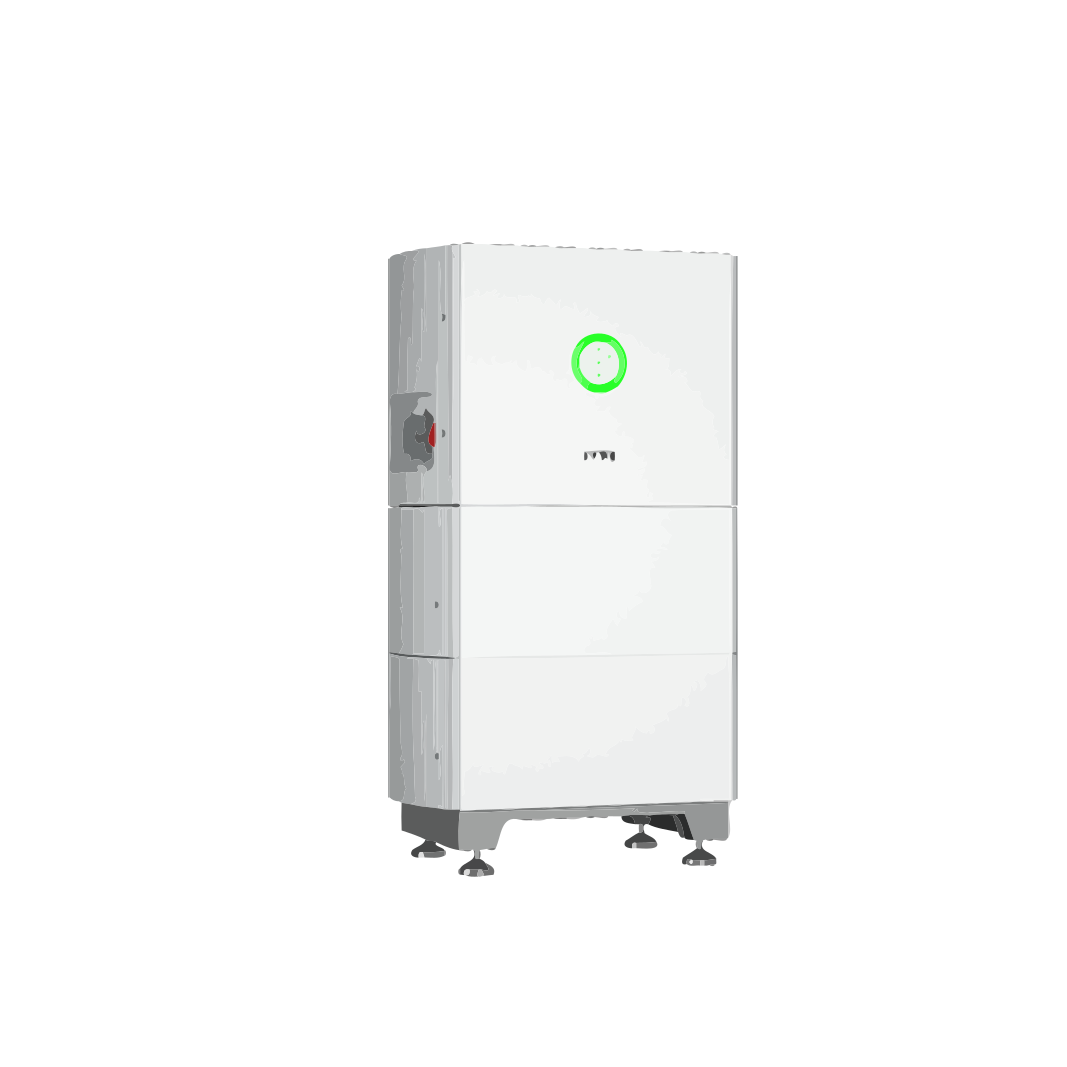
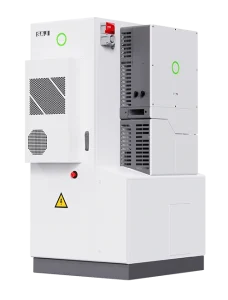
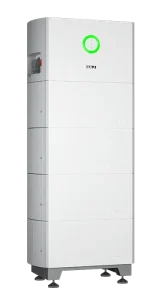
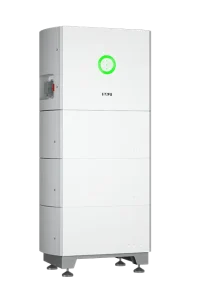
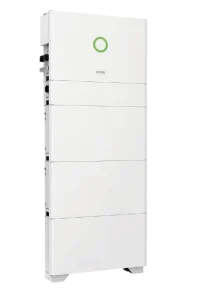
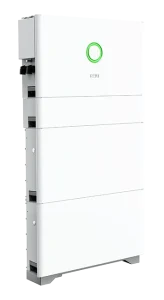
All‑in‑one energy storage systems bundle inverter, battery, and energy management into a single platform. This is the cleaner procurement path when the buyer wants one coordinated storage package rather than sourcing an inverter and battery separately.
Sunriver’s HS2 (3–10kW) and HS3 (3–12kW) cover residential and light commercial, while CHS2 (30–50kW) serves C&I storage planning. The all‑in‑one route reduces compatibility checks, wiring complexity, and commissioning time compared to a separate inverter‑plus‑battery combination. Buyers who need to pair batteries with an existing inverter family should check the ESS family overview before opening individual product datasheets.
What should buyers prepare before requesting a quote?
Before requesting a quote, buyers should prepare the project type (on‑grid, hybrid, or storage), target AC power range, phase type, grid voltage and frequency, battery and backup requirements if applicable, and any documentation or certification needs.
A clear project brief helps Sunriver confirm the recommended series and model range before formal quotation. Buyers should also note whether the inquiry is for a single‑unit sample, a trial order, or a regular procurement volume. The FAQ and resource page provides datasheets, manuals, and the documentation library for each family.
What details change the recommended model range?
Several project details can shift the recommended model range: total installed DC capacity, the number and configuration of PV strings, roof orientation or shading complexity affecting MPPT count, local grid‑code requirements (VDE‑AR‑N 4105/4110, G98/G99, EN 50549, or regional equivalents), ambient temperature range and altitude, and any backup or EPS load requirement that influences hybrid or ESS selection.
Buyers should share these specifics during inquiry so the Sunriver team can narrow the model recommendation rather than listing every product in a family. For detailed technical comparison, visit the individual product pages or the FAQ and download library.
When should buyers use FAQ and resources instead of choosing a model?
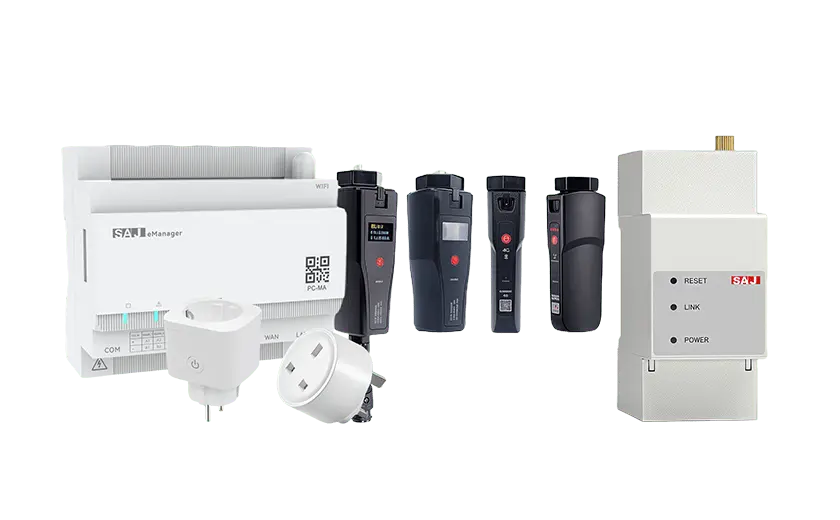
Buyers should use the FAQ and resource page when the question is about documentation, compatibility, grid‑code references, warranty terms, or installation support materials rather than about comparing specific product models. The FAQ and download library is the fastest route for datasheets, manuals, and general procurement FAQs.
If a buyer already knows the family but cannot decide between two models, opening both individual product pages and using the product archive to compare is a better use of time than browsing general FAQ content. For project‑specific questions that involve multiple families or unique site conditions, contact the Sunriver team directly.