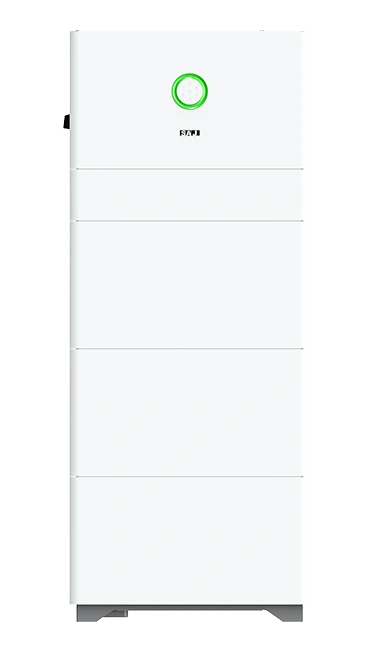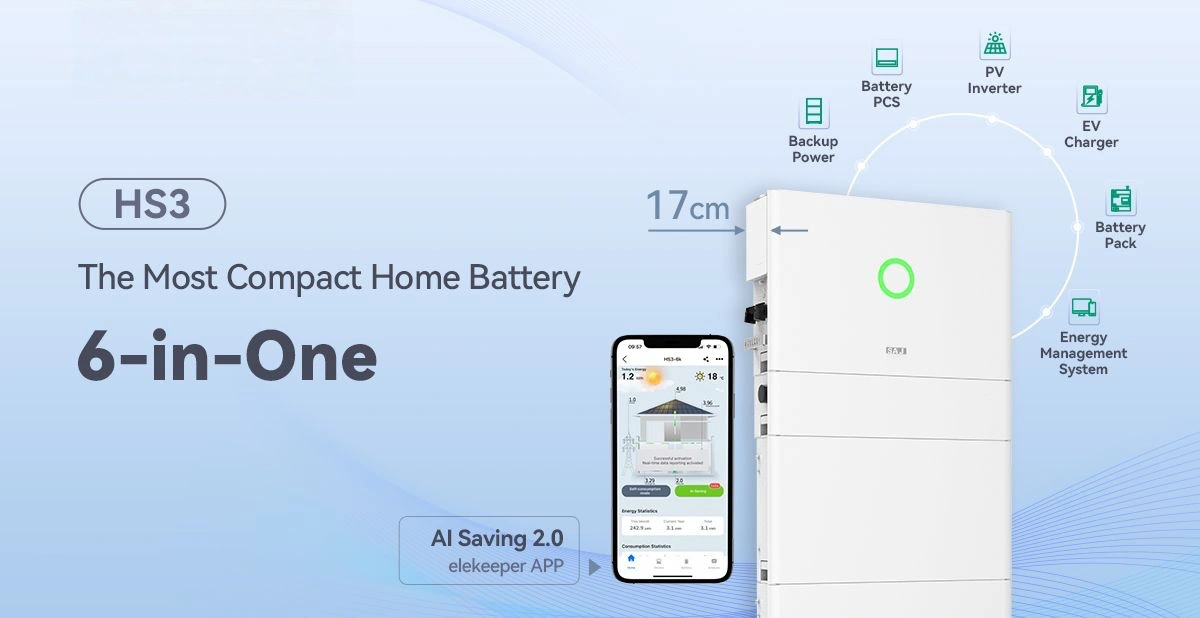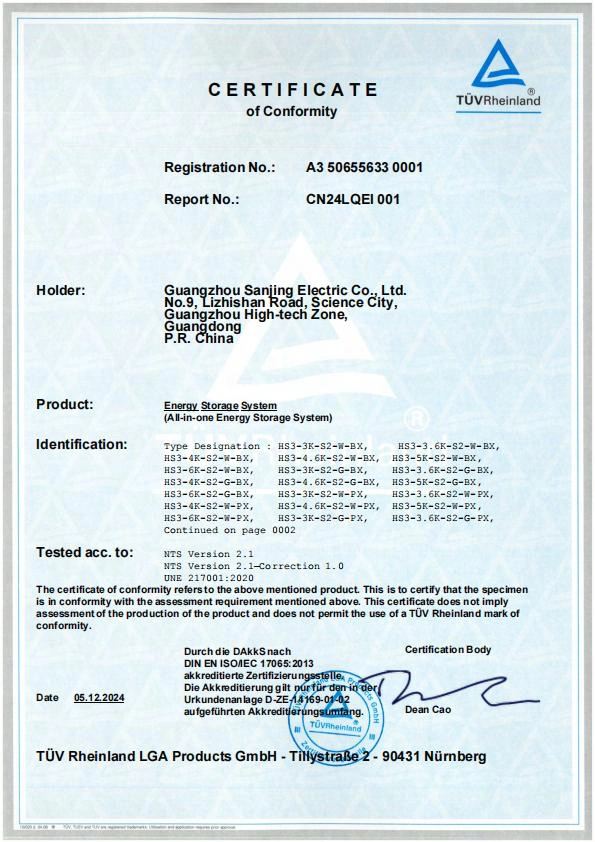

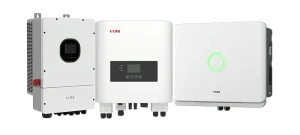
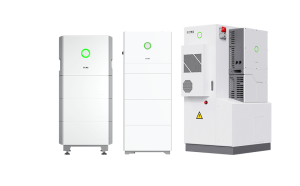
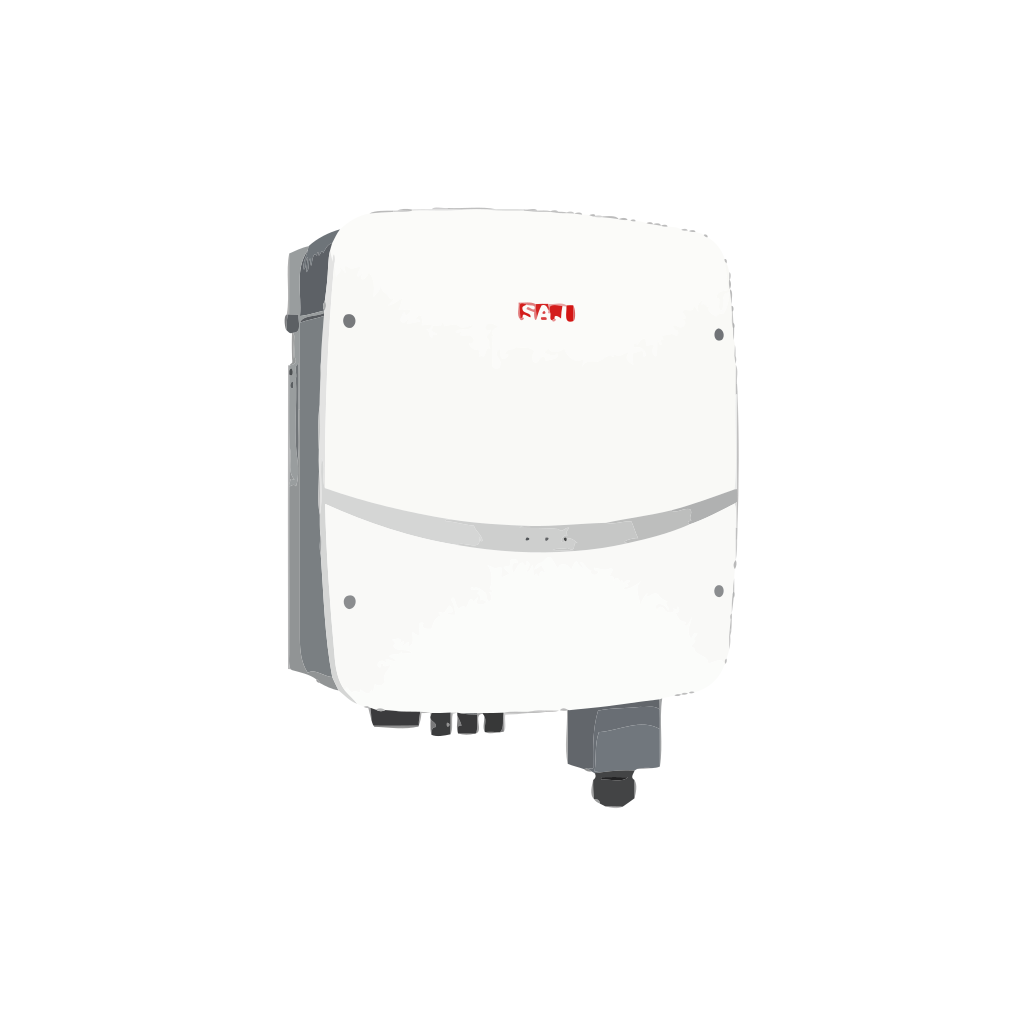
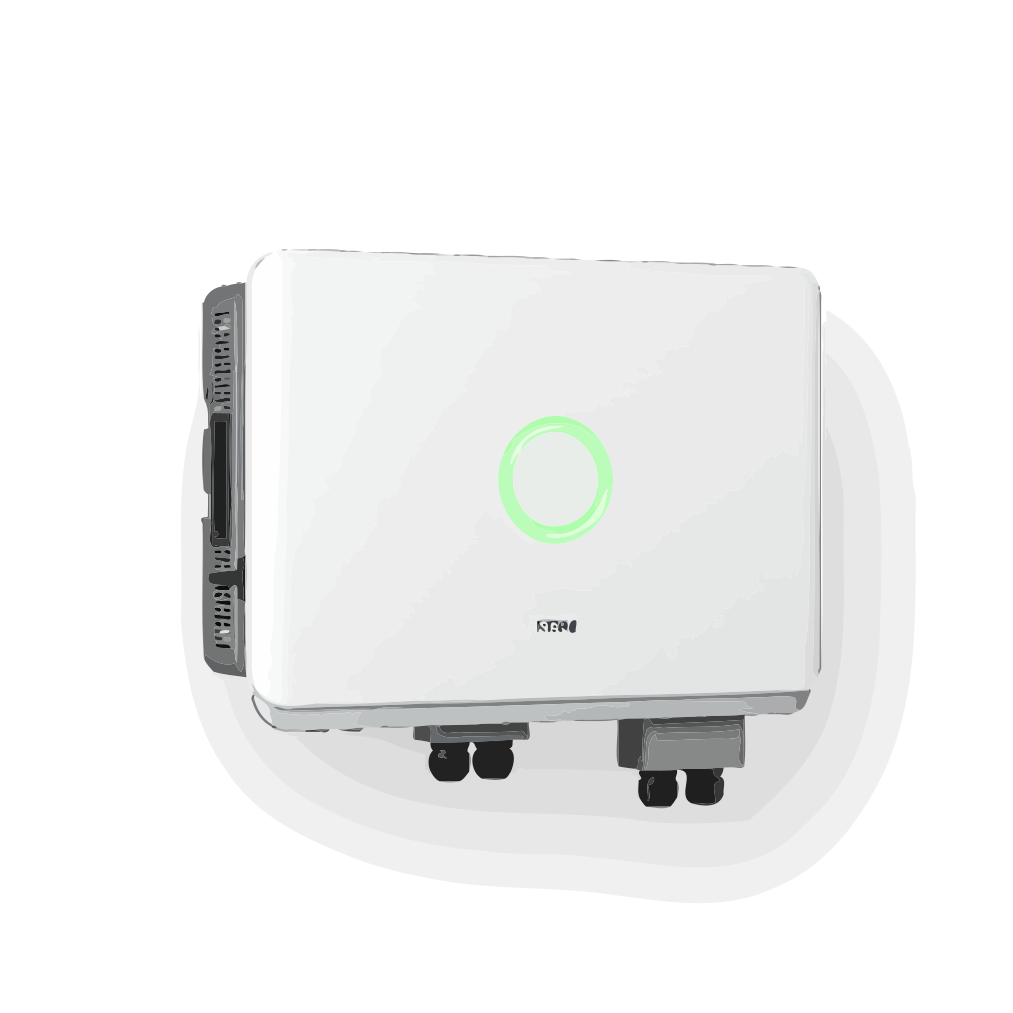
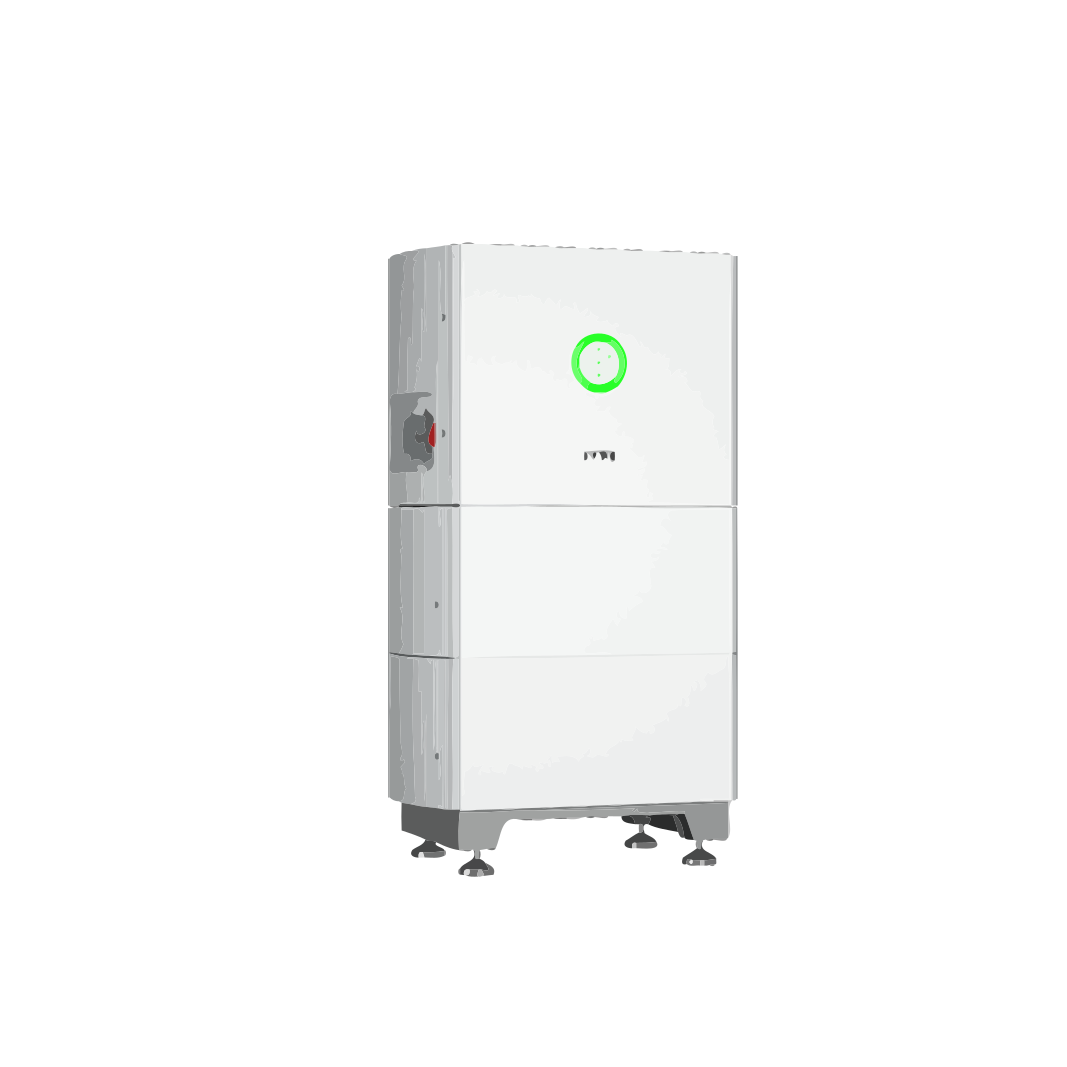
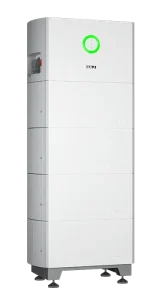
HS3-3k~6k Sistema de almacenamiento de energía monofásico todo en uno
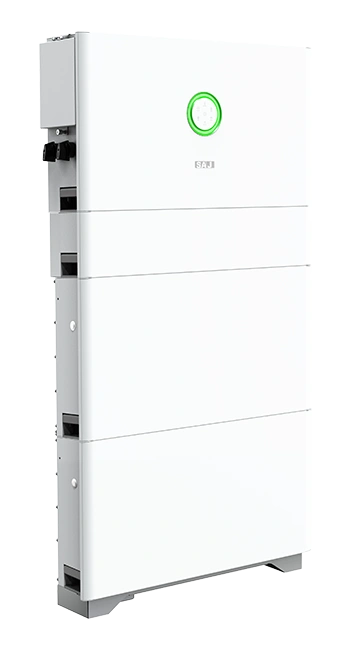


Technical Specifications at a Glance
| AC Power | 3kW - 6kW |
|---|---|
| Inverter Type | All-in-one hybrid energy storage system |
| MPP Voltage Range | 90 – 550 Volt |
| MPP Tracker | 2 |
| Phases | 1 |
| Communication | CAN, RS485, Wi-Fi, Ethernet, 4G, DRM, Bluetooth |
| Pieces per Package | 1 per carton, 14 per pallet |
| Garantía | 10 years |
Where This Model Fits Best
Use these scenarios to decide whether this model belongs on the shortlist before quote approval.
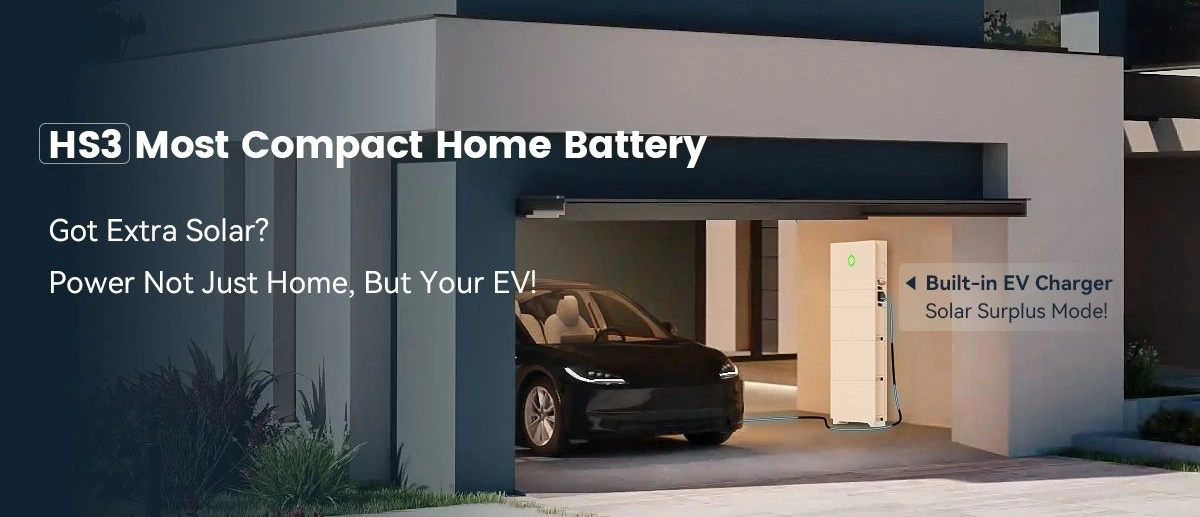
Solar EV Charging & Home Backup
Who it’s for: Homeowners with an Electric Vehicle who want to maximise clean energy use, charge their car with sunshine, and secure essential power during outages.
Key loads & priorities (example):
| Load | Power (W) | Prioridad |
|---|---|---|
| EV Charger | Up to 7,400 | 1 (when surplus PV is high) |
| Home Office & Fridge | 200–400 | 2 (always on, UPS backup) |
| General Household | 500–2000 | 3 (covered by PV/battery) |
How it runs (Self-Use + EV Mode):
Sunny Day:    PV → House; surplus → EV Charger; extra → Battery
Cloudy Day:   PV → House; Battery tops up loads
Evening:      Battery → House; (optional: top up EV from battery/grid)
Grid Outage:  Battery → Backup circuit (lights, fridge, office)
Charging guide (for reference):
- A 10 kWh battery system can add ~35-45 km of range to an EV overnight from stored energy alone.
- With 6 kW of PV panels, a full sunny day can provide over 30 kWh of energy—enough for a full charge on many standard-range EVs.
Do/Don’t for the backup branch:
| Put on BACK-UP | Keep on non-backup |
|---|---|
| Lights, router, fridge, home office, security | EV Charger, AC unit, oven, water heater |
Cut Evening Bills & Beat Peak Tariffs
Who it’s for: Families with high energy use after sunset who want to slash their electricity bills by avoiding expensive peak-hour grid tariffs.
Typical evening loads (example):
| Load | Power (W) | Energy Use (4h) |
|---|---|---|
| Kitchen (cooking, microwave) | 1200–2000 | ~1.5 kWh |
| Entertainment (TV, console) | 200–400 | ~1.0 kWh |
| Lighting & General Use | 150–300 | ~0.8 kWh |
| Total Evening Use | – | ~3.3 kWh |
How it runs (Time-of-Use Mode):
Daytime (Off-Peak):  PV → House; surplus → Battery
17:00–21:00 (Peak):  Battery → House; avoid grid import
Night (Off-Peak):    Grid → House; (optional: charge battery on cheap tariff)
Sizing guide (for reference):
- A 5 kWh battery pack (4.5 kWh usable) easily covers a typical 3–4 kWh evening peak, making the home self-sufficient when grid costs are highest.
- A 10 kWh system provides a larger buffer for heavy-use days or cloudy weather.
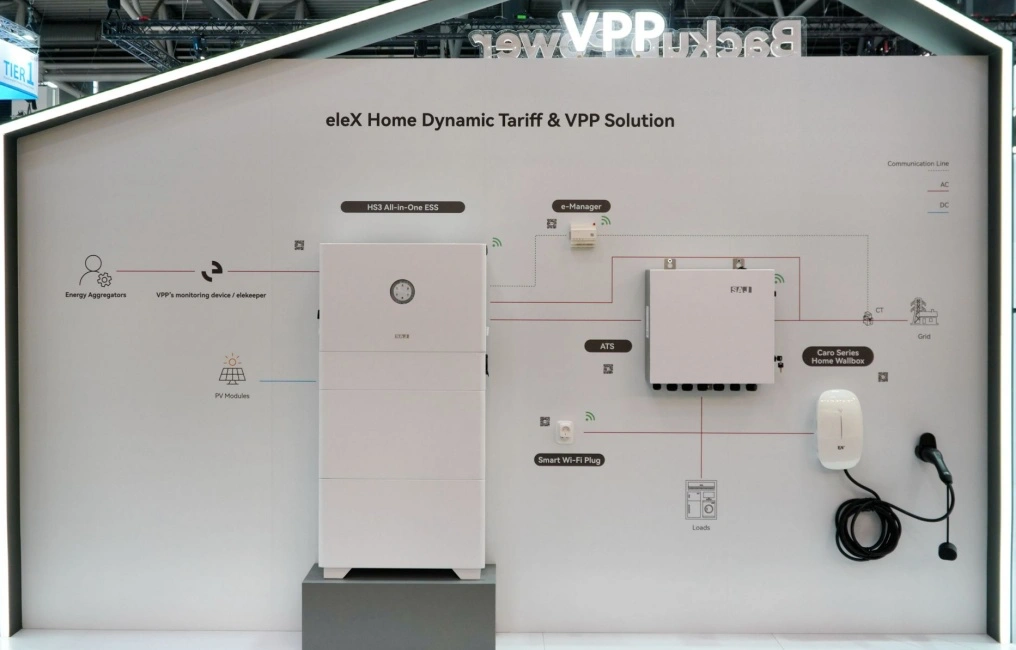
What Buyers Get Before Quote Approval
From requirement check to document pack and quotation, Sunriver keeps the process clear for distributor and project teams.
Talk & Plan
We listen to your needs and create a plan that works for you. Our team will help you understand all your options.

Quote & Agree
You get a clear price with no hidden costs. Once you're happy with everything, we sign the agreement and start working.
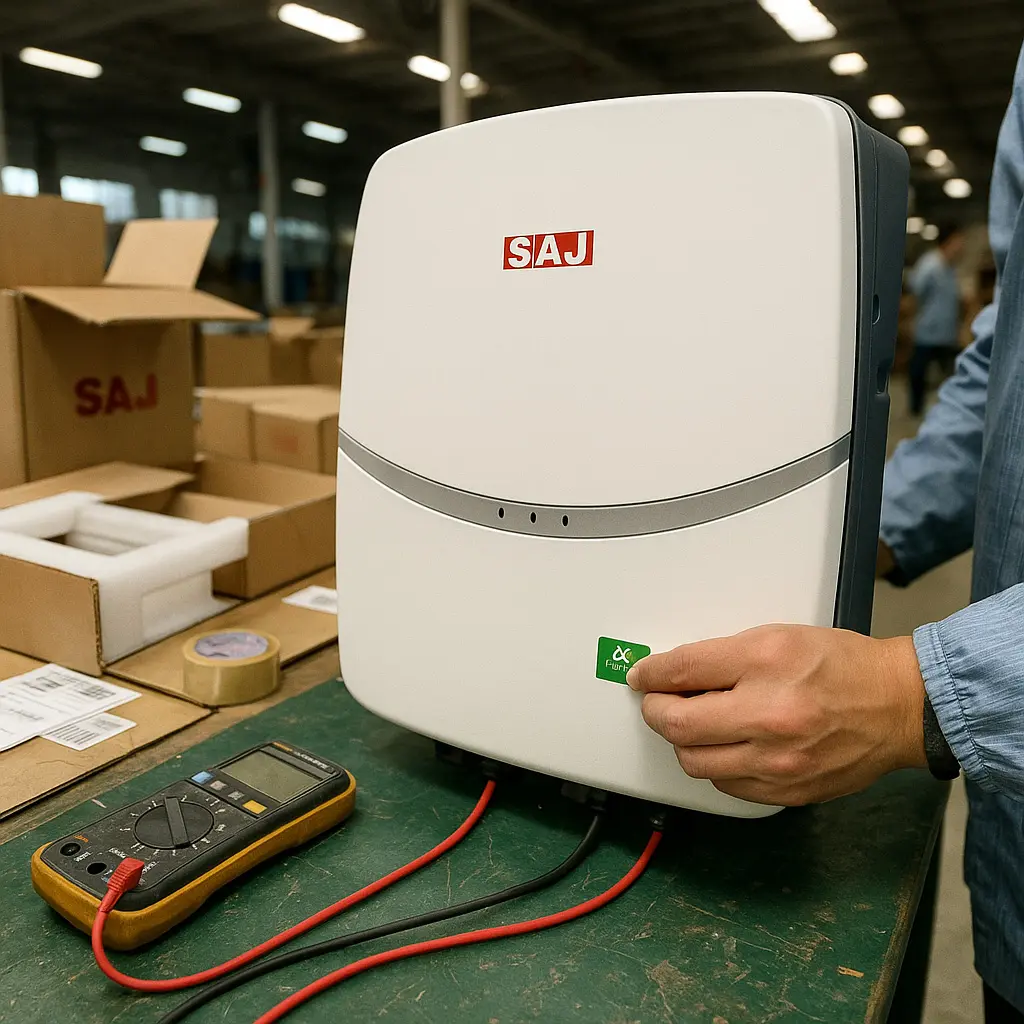
Make & Check
We carefully make your order and check everything meets our high standards. You'll know exactly how things are going.
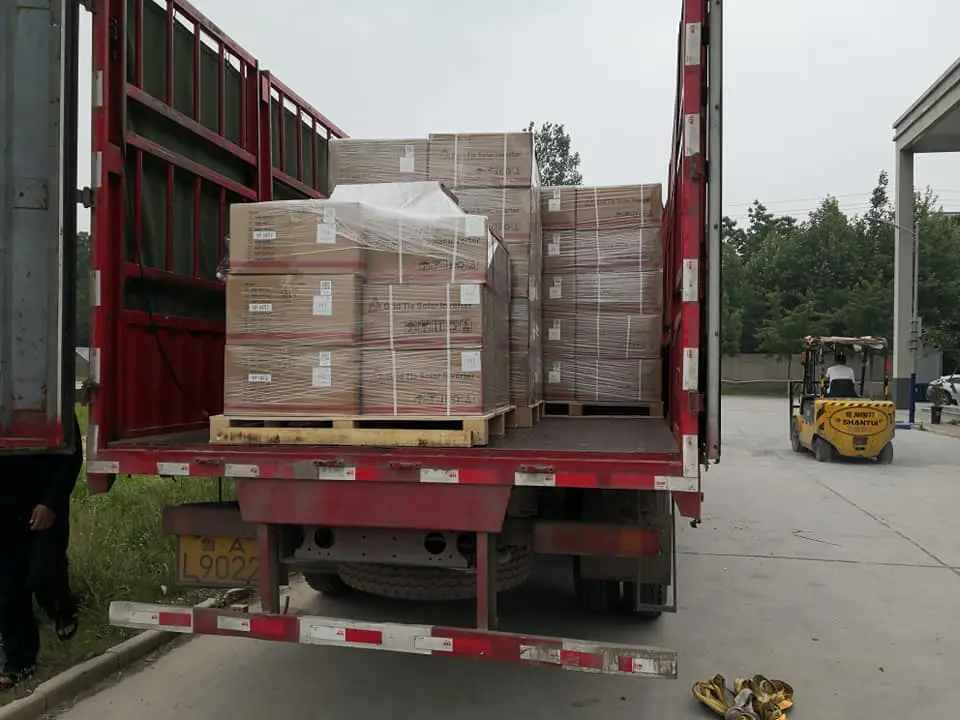
Ship & Support
Your order ships safely to you on time. We're always here to help if you need anything after delivery.
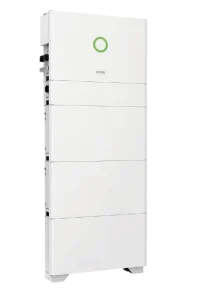
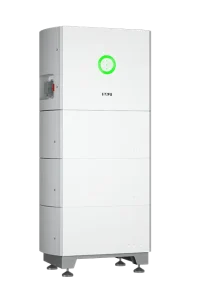
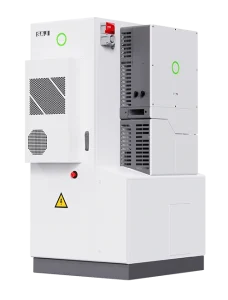
Compare Nearby Models
Review adjacent models before you finalize the shortlist.

Need Pricing, Documents, or Model Matching?
Tell us what you need—from pricing and availability to technical specs or project planning. Our product team will respond within 24 hours.
- Request pricing, lead time, and carton or pallet guidance
- Get engineering support and compatibility checks
- Receive datasheets, manuals, and project-reference material
¡Gracias! Hemos recibido tu consulta.
Our product specialists will reach out within 24 hours. A detailed Thank You page has opened in a new tab.
 English
  Deutsch (Österreich)
  Français
  Español
  Português