
 sales@sunriver-electric.com
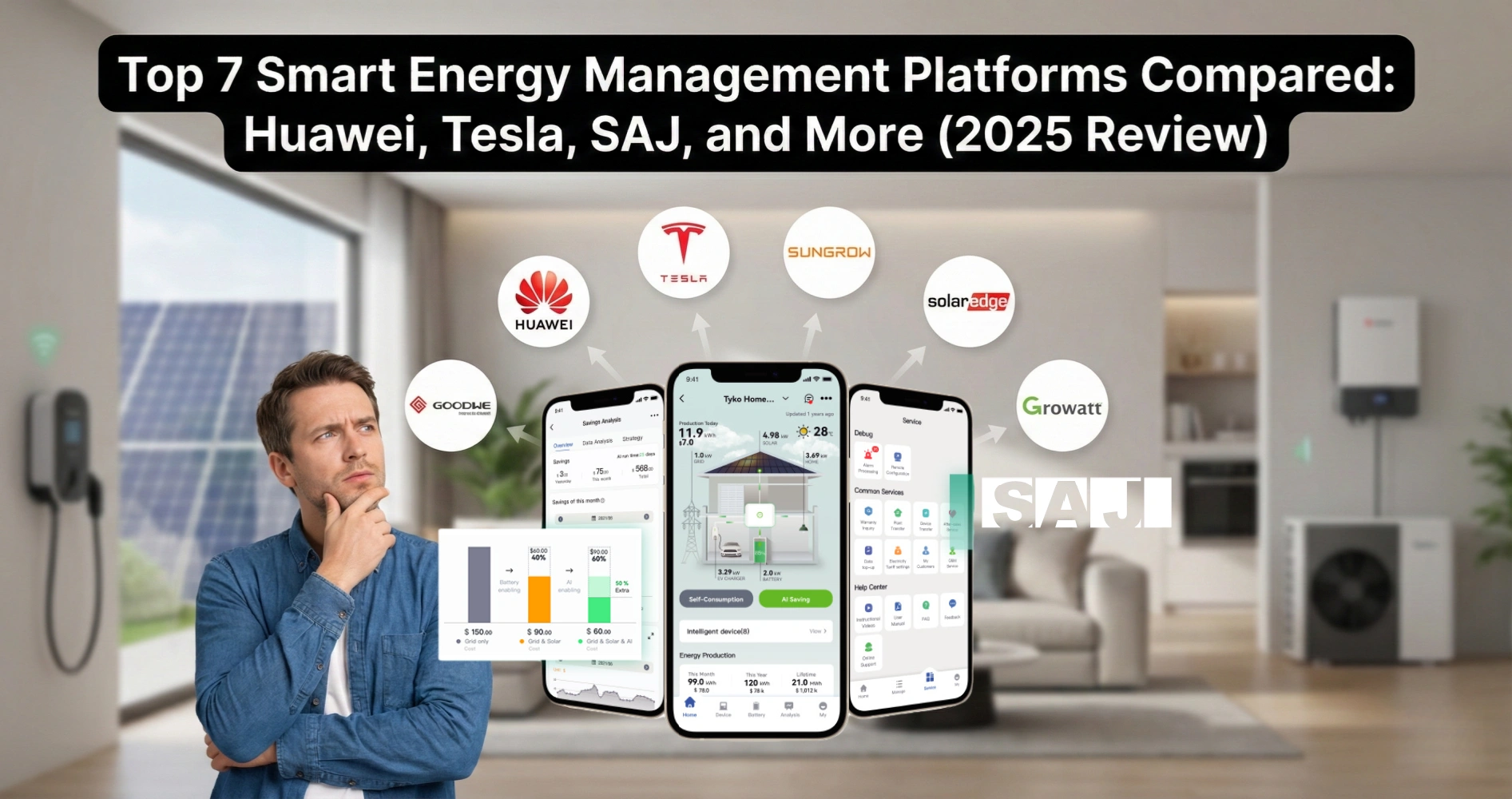
Introduction: As the global transition to smart solar and energy storage accelerates, hardware alone is no longer enough. The real competition has moved from panels and inverters to intelligent energy management platforms (HEMS) – the apps and cloud “brains” that decide how your system behaves hour by hour.
Most homeowners and small businesses don’t want to become energy traders or engineers. They simply want lower bills, fewer outages, and the sense that the system is quietly making smart decisions in the background.
From global giants like Huawei and Tesla to fast-growing players like SAJ, Growatt, and GoodWe, almost every serious brand now offers its own platform. They all call themselves “smart” – but they don’t all mean the same thing by that word.
At Sunriver Electric, we distribute SAJ’s Elekeeper platform. We are not here to pretend the other brands don’t exist. Instead, we believe in understanding what the leaders are doing well – and then seeing clearly where SAJ Elekeeper fits among them.
In this article, we compare seven platforms:
- Huawei FusionSolar1
- Sungrow iSolarCloud2
- SolarEdge mySolarEdge
- SAJ Elekeeper
- Tesla Energy App3
- Growatt Shiner
- GoodWe SEMS4
Our focus is on how they work in practice – platform features, everyday usability, and what types of users they actually fit.
Key Takeaways: How These 7 Platforms Position Themselves
- Huawei FusionSolar1 – Highly data-driven with strong AI scheduling; feels almost like a mini utility control system for serious users and larger projects.
- Sungrow iSolarCloud2 – Very clean visual design with solid forecasting and diagnostics; friendly for both homeowners and C&I installers.
- SolarEdge mySolarEdge – Ideal if you care about module-level visibility and want to squeeze every watt out of your rooftop system.
- SAJ Elekeeper – A rising open hub balancing AI Saving 2.0, multi-device control, and VPP readiness for smart homes and SMBs.
- Tesla Energy App3 – One of the smoothest, most polished user experiences, especially if you’re already inside the Tesla ecosystem.
- Growatt Shiner – Brings smart scheduling and clear monitoring to value-oriented systems without overwhelming the user.
- GoodWe SEMS4 – Built for hybrid and backup scenarios where the grid is unreliable and multiple energy sources must cooperate.
Comparison Table: Smart Energy Platforms at a Glance
| Platform | AI Optimization | Device Integration | VPP/Grid Trading | Idéal pour |
|---|---|---|---|---|
| Tesla Energy App3 | Yes (automated TOU) | Tesla ecosystem only | Yes (Tesla VPP) | Tesla owners |
| Huawei FusionSolar1 | Yes (24/7 AI scheduling) | EV, heat pump, HVAC | Yes (real-time) | Enterprise & tech-savvy homes |
| Sungrow iSolarCloud2 | Yes (solar forecasting) | EV, generators | Yes (dynamic tariff) | Residential & C&I |
| SAJ Elekeeper | Yes (AI Saving 2.0) | EV, heat pump, IoT | Yes (VPP-ready) | SMBs & smart homes |
| SolarEdge mySolarEdge | Yes (TOU modes) | Smart loads, EV chargers | Partial (export limits) | Solar-first households |
| Growatt Shiner | Yes (smart schedule) | 3rd-party EV chargers | Yes (EU VPP, region-dependent) | Budget-conscious users |
| GoodWe SEMS4 | Partial (smart modes) | Generators, heat pumps | Yes (API-based) | Hybrid/backup scenarios |
💡FAQ Cluster 1 – Smart Energy Platforms 101
Before we go brand by brand, it helps to clear up a few basic questions that many users quietly have.
1. Tesla Energy App5: Beautiful, Simple – If You’re All-In
Verdict: The “Apple-style” experience for Tesla households.
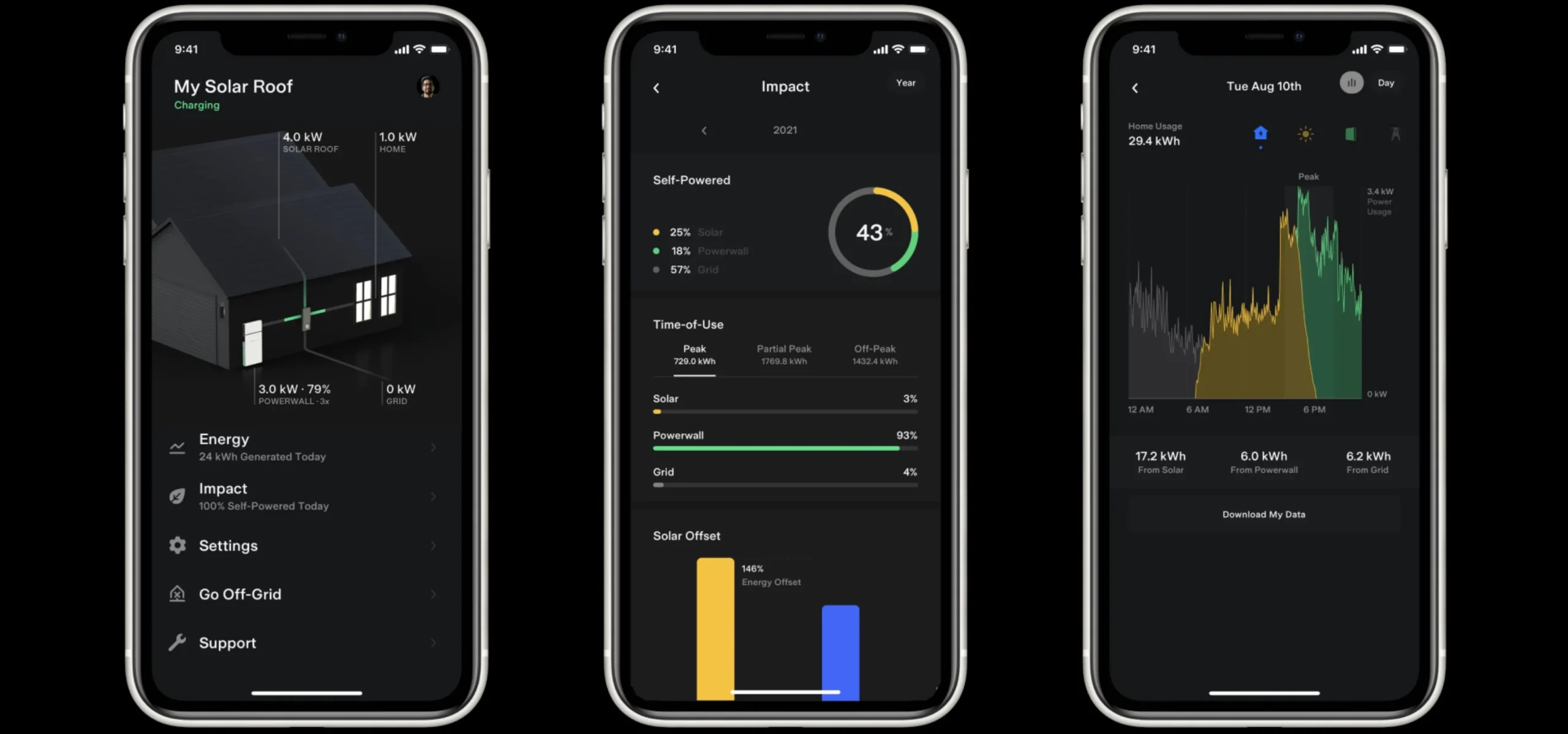
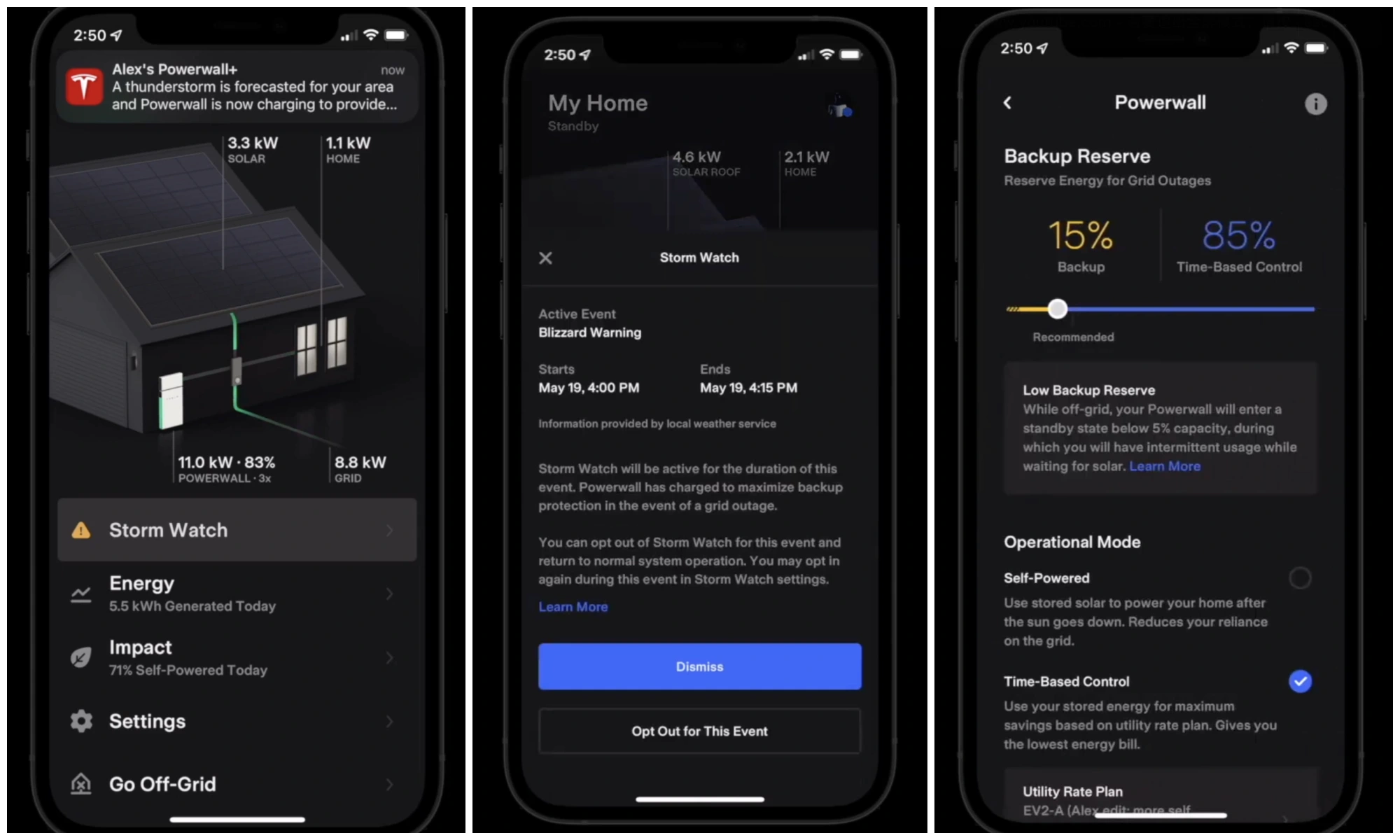
The Tesla app is probably the most recognizable energy interface on the market. It’s polished, animated, and very easy to understand, even for people who don’t consider themselves technical.

What people love:
-
Time-based control that “just works” You tell the app what your tariff structure looks like – peak, off-peak, shoulder – and the system automatically shapes Powerwall6 behavior around that. Most users never need to touch it again.
-
Storm Watch7 In regions with unstable grids or frequent storms, Storm Watch7 is a standout feature. When severe weather is predicted, the system charges the Powerwall6 aggressively so you are better prepared for an outage.
-
Engaging visuals The real-time flow diagrams between Solar, Home, Powerwall6, and Grid make the invisible visible. It genuinely helps people understand their system and feel connected to it.
The clear limitation:
- Closed ecosystem Tesla’s platform works best – and is only fully supported – when you stay inside Tesla’s own product family: Powerwall6, Tesla inverters, Tesla EVs. If you want to integrate third-party EV chargers, specific heat pumps, or broader IoT devices, you quickly hit the edges of the official integration story.
Where it fits best:
- Households that already own or plan to own multiple Tesla products
- Users who value simplicity and polish more than openness and device diversity
- Regions where Tesla VPP programs are active and easy to join
If you want something you can set up once and barely think about again, and you’re comfortable with the Tesla ecosystem, the Energy App delivers exactly that.
2. Huawei FusionSolar8: When “Home Energy” Feels Enterprise-Grade
Verdict: Enterprise-grade intelligence for users who want maximum control.
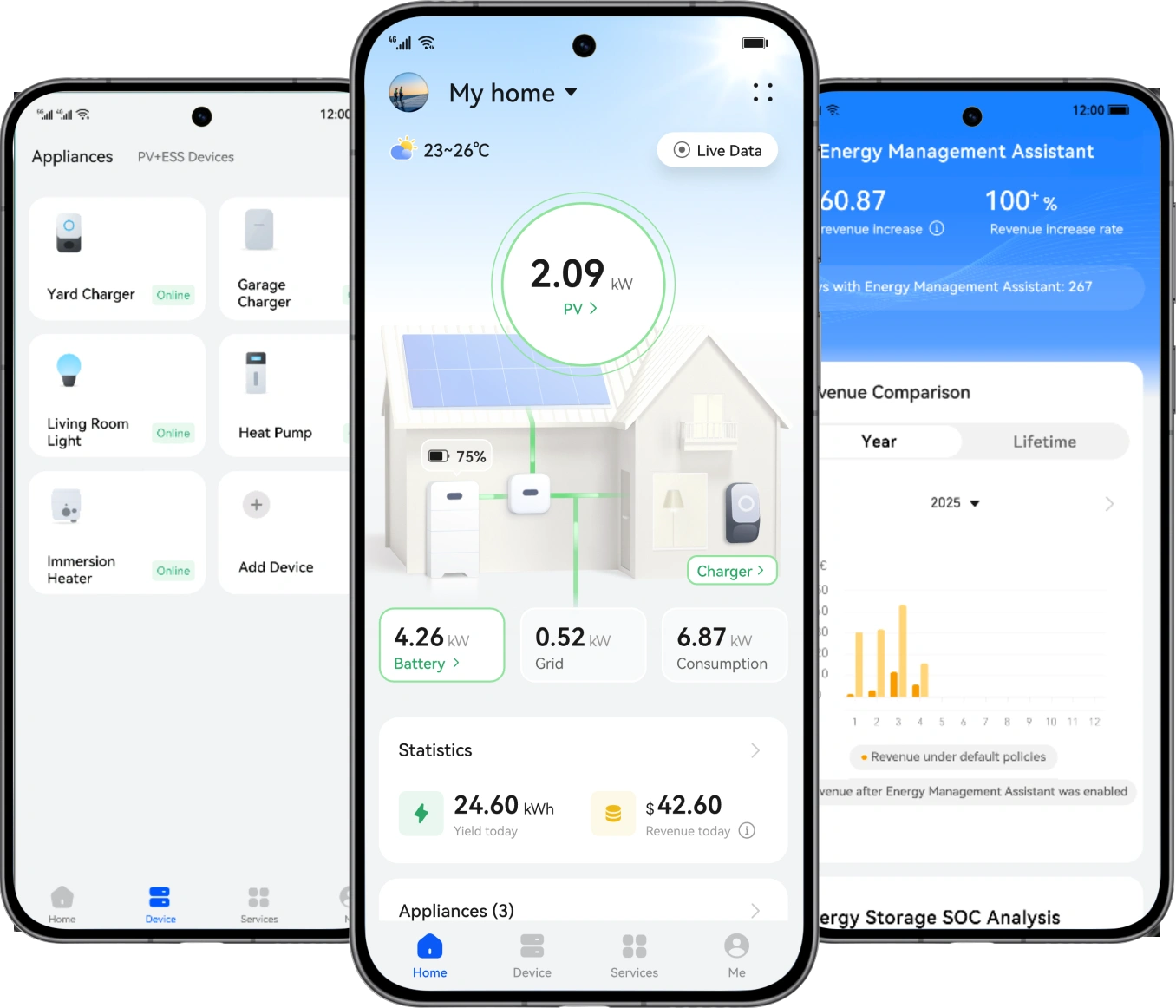
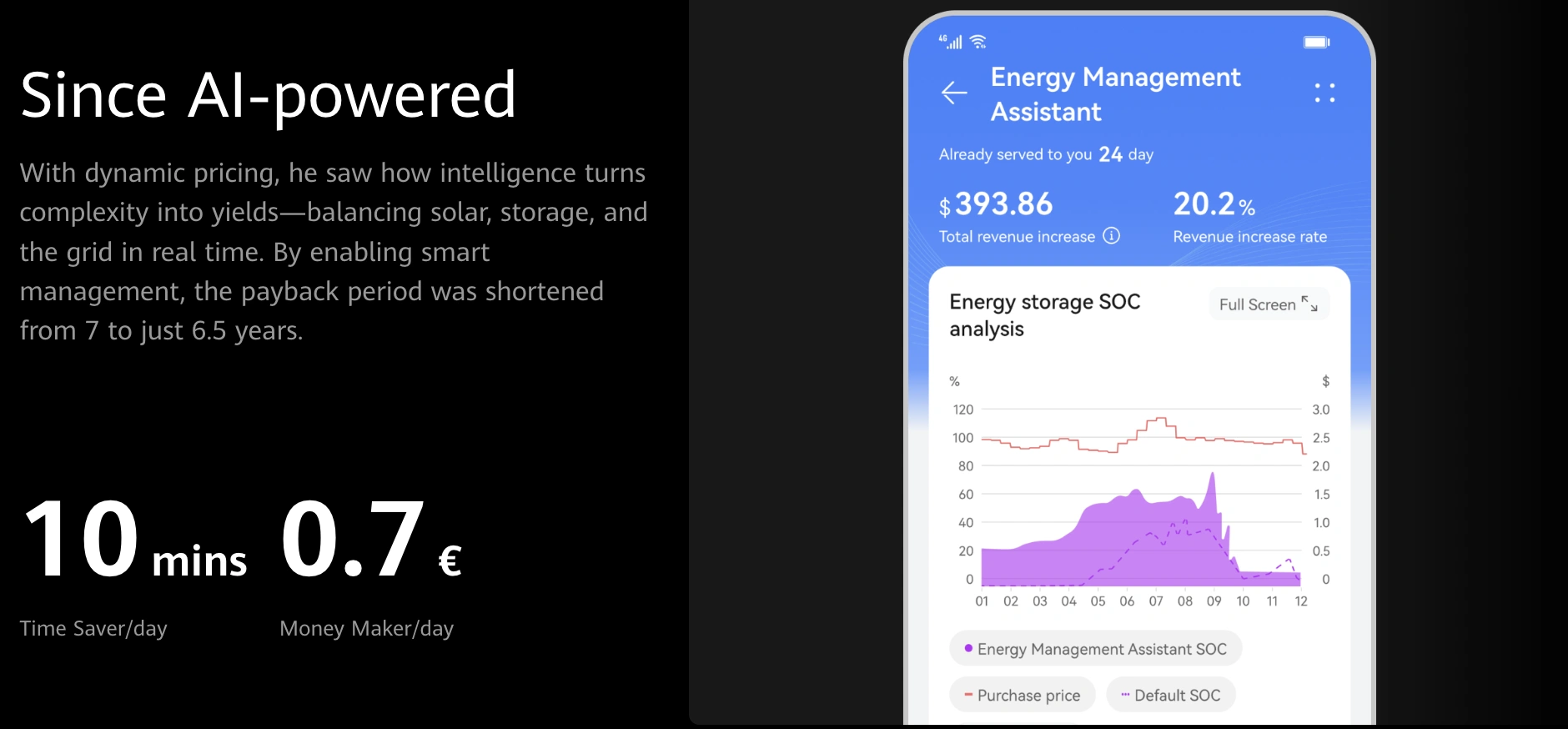
Huawei’s FusionSolar platform feels like something that has come down from the utility and telecom world into homes and businesses. It’s not just a pretty dashboard – it’s a serious control system in a consumer-friendly package.
Key characteristics:
-
24/7 AI scheduling FusionSolar looks at weather forecasts, historical usage patterns, and (where available) wholesale or dynamic tariffs. It then updates its schedule frequently – often in 15-minute intervals – to position the battery for maximum economic benefit or specified priorities.
-
Deep integration with Huawei hardware In a “full Huawei” system, FusionSolar may be talking to inverters, LUNA batteries, EV chargers, smart meters, and building controls. This allows it to coordinate not just storage, but also EV charging and HVAC or load behavior in some setups.
-
Strong tools for installers & operators String-level PV diagnostics, battery health reports, alarm management, and fleet dashboards make FusionSolar very attractive for EPCs, C&I projects, and multi-site portfolios.
Where it fits best:
- Households that are comfortable with data and happy to spend some time learning the tool
- Larger residential systems with dynamic tariffs
- Commercial & industrial projects where energy is a strategic cost item
For someone who just wants a simple, “set and forget” experience on a small system, FusionSolar can feel a bit heavy. But for users who like to see and control the details, it is one of the strongest platforms on the market.
3. Sungrow iSolarCloud9: Clean Design with a Serious Back-End
Verdict: Visual simplicity, quietly backed by solid intelligence.
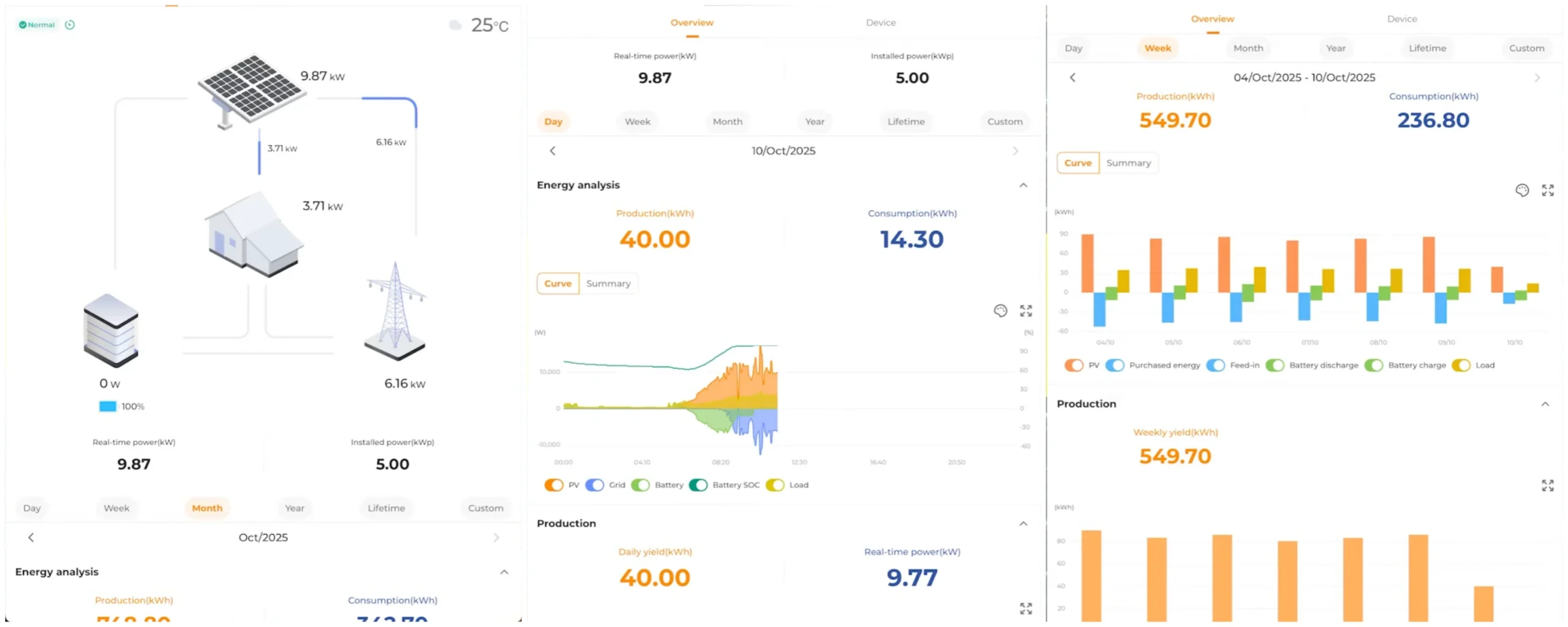
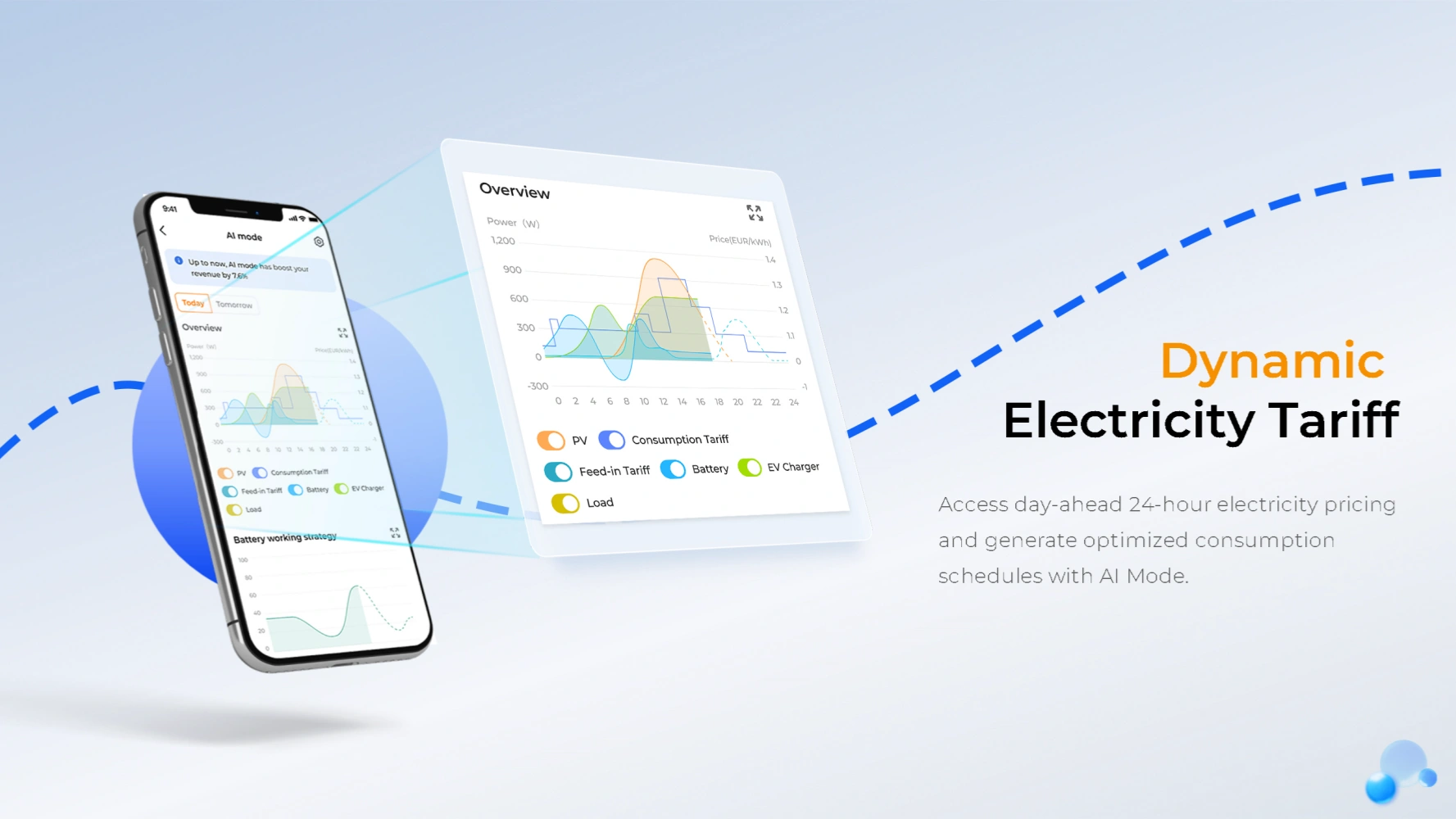
Sungrow’s iSolarCloud tends to impress in two steps: first with how clean and understandable the interface is, and then later with how much useful information it exposes once you start exploring.
What stands out:
-
Forecast-driven logic10 iSolarCloud uses weather and historical data to estimate solar production and load. Combined with time-of-use or dynamic tariffs, it can adjust battery behavior to make more informed trade-offs between self-consumption and arbitrage.
-
Diagnostics that installers actually use The platform surfaces issues like string underperformance, abnormal inverter temperatures, or grid disturbances. That allows installers to act before system owners feel something is wrong, which is a big deal for long-term reliability.
-
Residential and C&I friendliness The same platform scales from a single home system to medium-size commercial projects. Permissions, dashboards, and alarms can be tuned so that different stakeholders see what they need without clutter.
Where it fits best:
- Users who care about a clear and approachable UI, but also want more than just basic monitoring
- Installers who manage many Sungrow sites and prefer having both customers and technicians on one platform
- Markets where Dynamic Tariff or time-based pricing is common
If you want a platform that feels friendly but still has “real tools under the hood”, iSolarCloud is a strong candidate.
4. SAJ Elekeeper (Featured Choice): An Open Smart Energy Hub
Verdict: A flexible, AI-driven hub that doesn’t lock you into a closed world.
As Sunriver Electric’s flagship software partner, SAJ Elekeeper is the platform we work with most directly. Our perspective is simple: many customers want something more intelligent than a basic app, but they also don’t want to be locked into one single brand for every device they’ll ever buy.
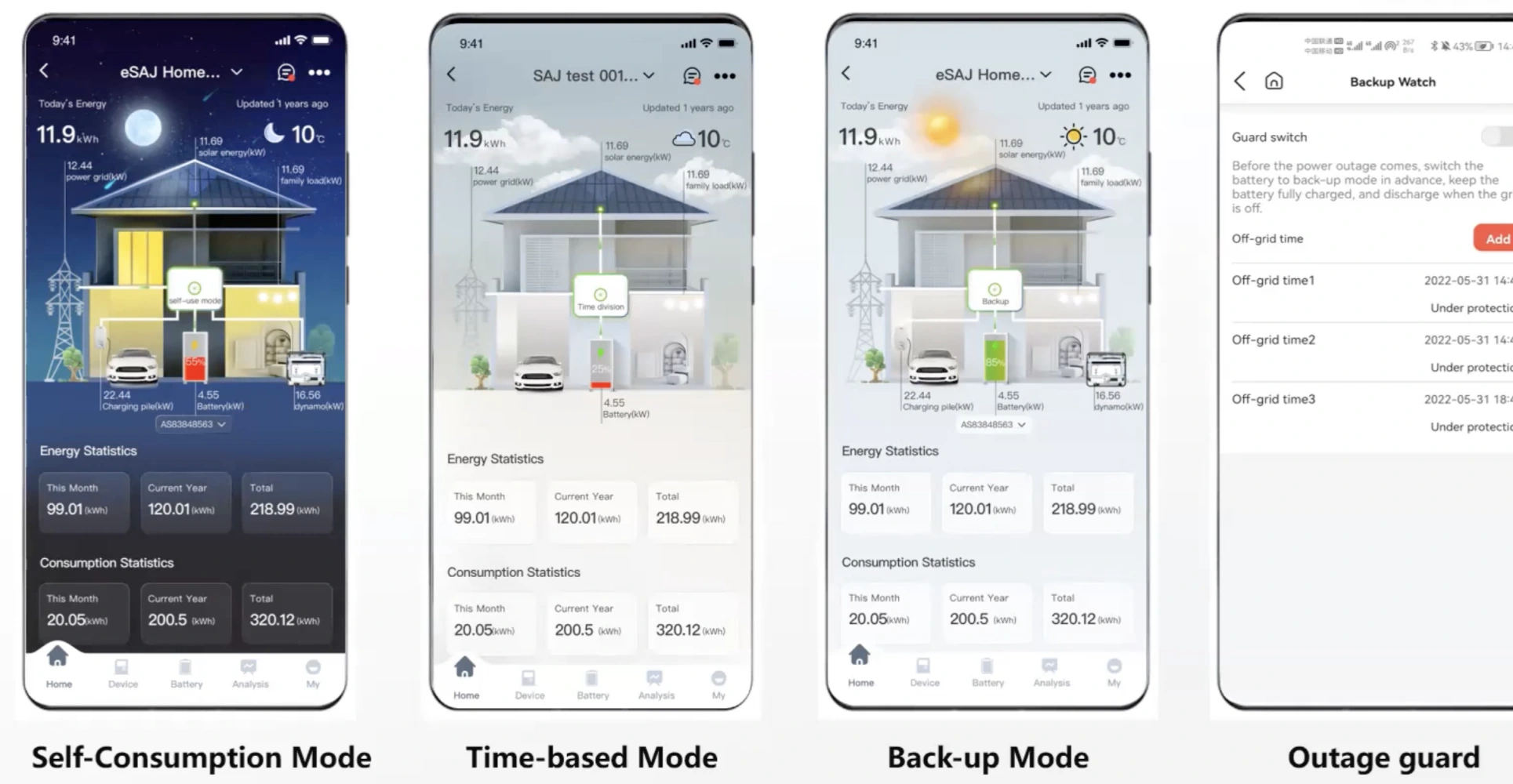
Why Elekeeper is interesting:
-
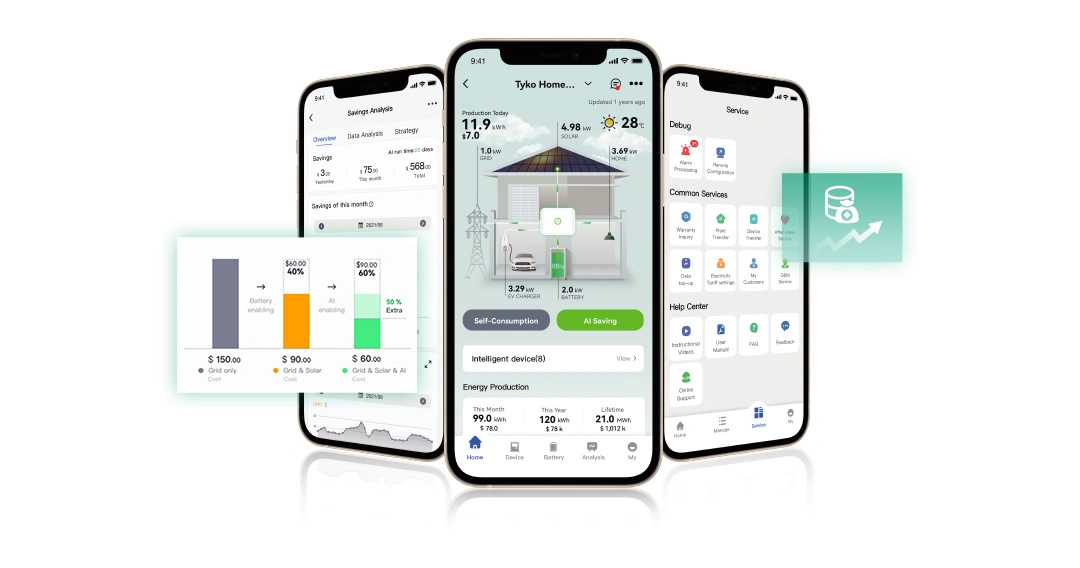
AI Saving 2.0 – not just fixed schedules Elekeeper uses tariffs, weather, and historical behavior to adjust battery usage and device control over time. Rather than you constantly editing timers, the platform gradually learns when and how your home consumes energy and adjusts accordingly.
-
Genuine “all-in-one” control Beyond PV and storage, Elekeeper is designed to coordinate:
- EV chargers
- Heat pumps
- Water heaters
- Smart plugs and other IoT devices
That means you can create very practical scenarios from a single app, such as “only charge the EV from surplus solar” or “heat water when the battery is above a certain level”.
-
VPP-ready architecture11 The platform is designed with Virtual Power Plant participation in mind. In markets where VPPs or aggregator programs exist (or are emerging), Elekeeper-based systems can be registered without re-engineering the entire energy setup.
-
Modern, approachable interface The visual style is contemporary and focused on clear power-flow diagrams first, then numbers. For homeowners who are not energy professionals, this makes the system feel more understandable and less intimidating.
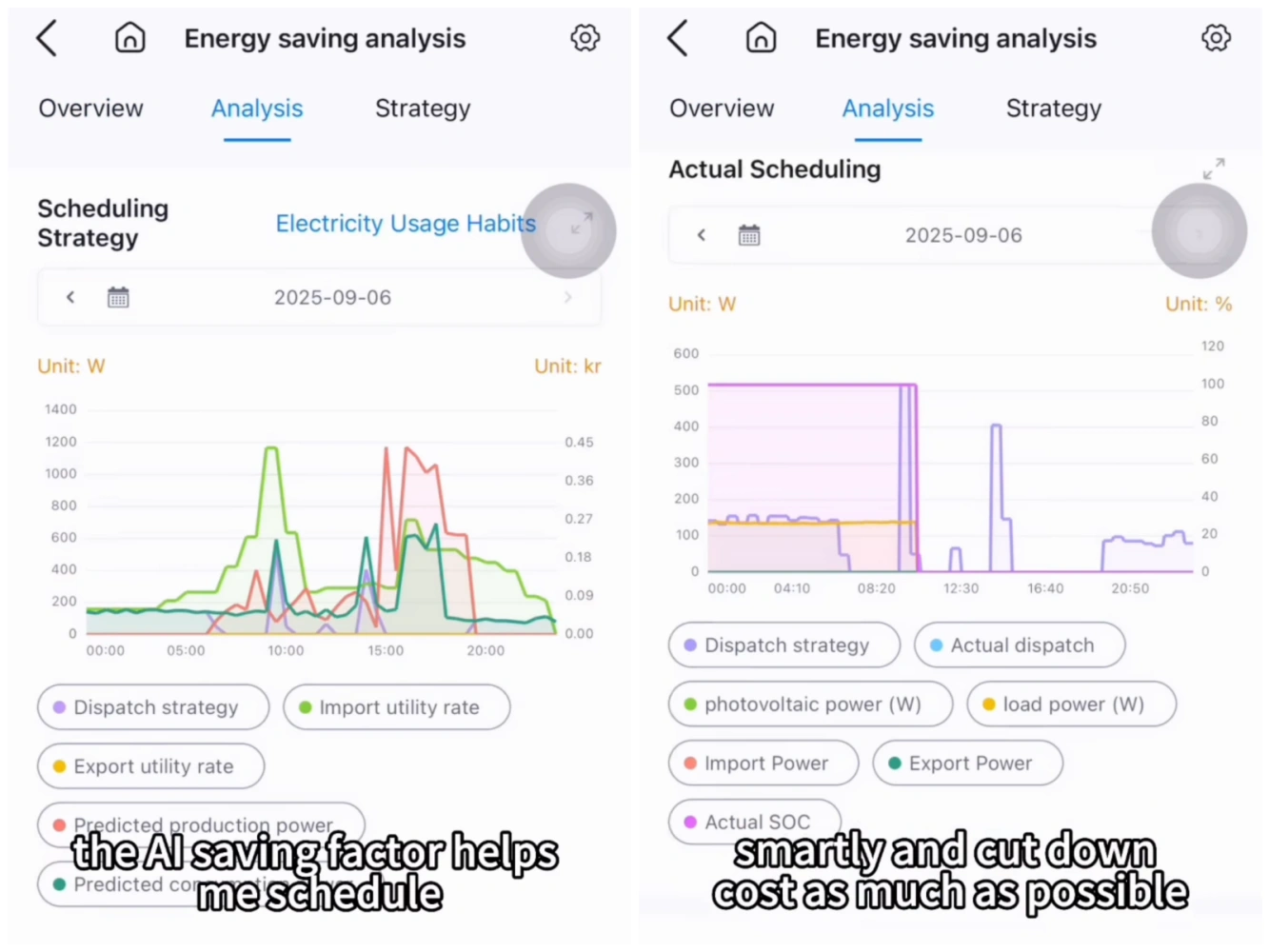
Where it fits best:
- Smart homes and SMBs that want more than a monitor, but don’t want to be trapped in a very strict ecosystem
- Users in markets with time-based tariffs or emerging VPP programs
- Projects where different devices may be added over time, and flexibility is important
Elekeeper is compelling because it strikes a balance: it feels smart enough to stand next to the top-tier platforms, but remains open and practical enough to match real-world homes and small businesses where things change over time.
🚀 Unlock the Full Power of Elekeeper
Want to see how to actually set this up?
- Setup Guide: How to Configure AI Monitoring & Alerts
- The Bigger Picture: Why AI Management is the Future of Solar
5. SolarEdge mySolarEdge12: For People Who Want to See Every Panel Work
Verdict: A solar-first platform with a lot of granularity.
SolarEdge made its name with panel-level power optimizers. mySolarEdge extends that philosophy into the app world: you can see your system as a whole, but you can also zoom into surprisingly detailed levels when you need to.
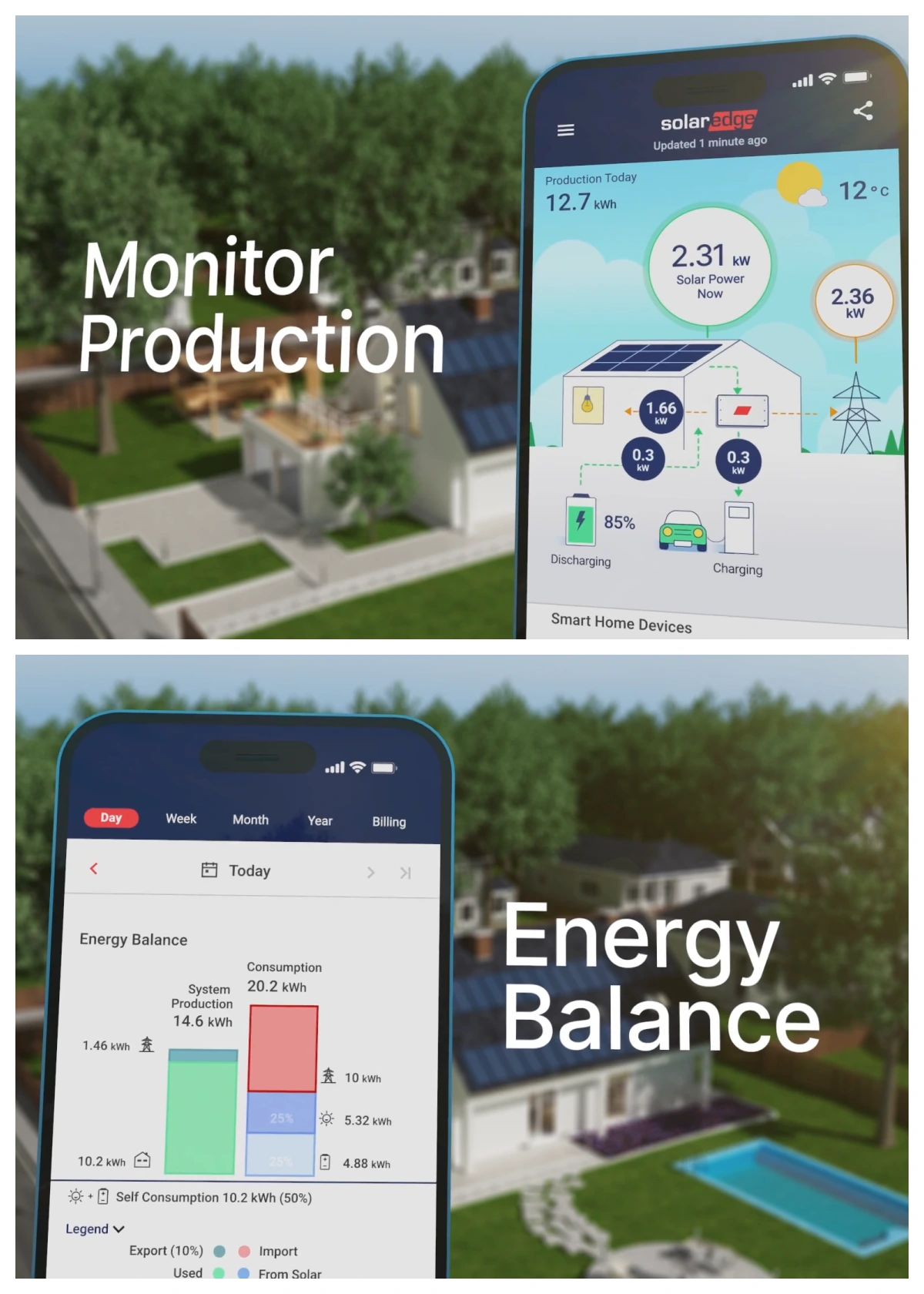
Core strengths:
-
SolarEdge ONE energy intelligence The platform tracks your usage patterns – when your home peaks, when you tend to charge an EV, how much you use at night – and suggests or applies energy modes that align with your goals (bill savings, backup, self-consumption).
-
Module-level visibility Few platforms let you see exactly which panel is underperforming. mySolarEdge does. That is especially valuable on complex roofs or in shaded environments, and it speeds up troubleshooting.
-
Ecosystem around solar With SolarEdge EV chargers, smart plugs, and water heater controls, mySolarEdge can manage key flexible loads using solar surplus. It is not trying to be a full smart-home platform, but it handles the big energy loads quite well.
Where it fits best:
- Households already using SolarEdge inverters and optimizers
- Users who really like the idea of watching system performance in detail
- Installers who standardize on SolarEdge for reliability and want one consistent platform
If your philosophy is “get the most out of the roof I already have”, mySolarEdge is a logical platform to build around.
6. Growatt Shiner13: Smart Enough, at a Friendly Price
Verdict: Smart scheduling and clear monitoring for value-driven projects.
Growatt built its business on value-oriented hardware. With the newer Shiner app, it has made a clear effort to upgrade the software side to match.
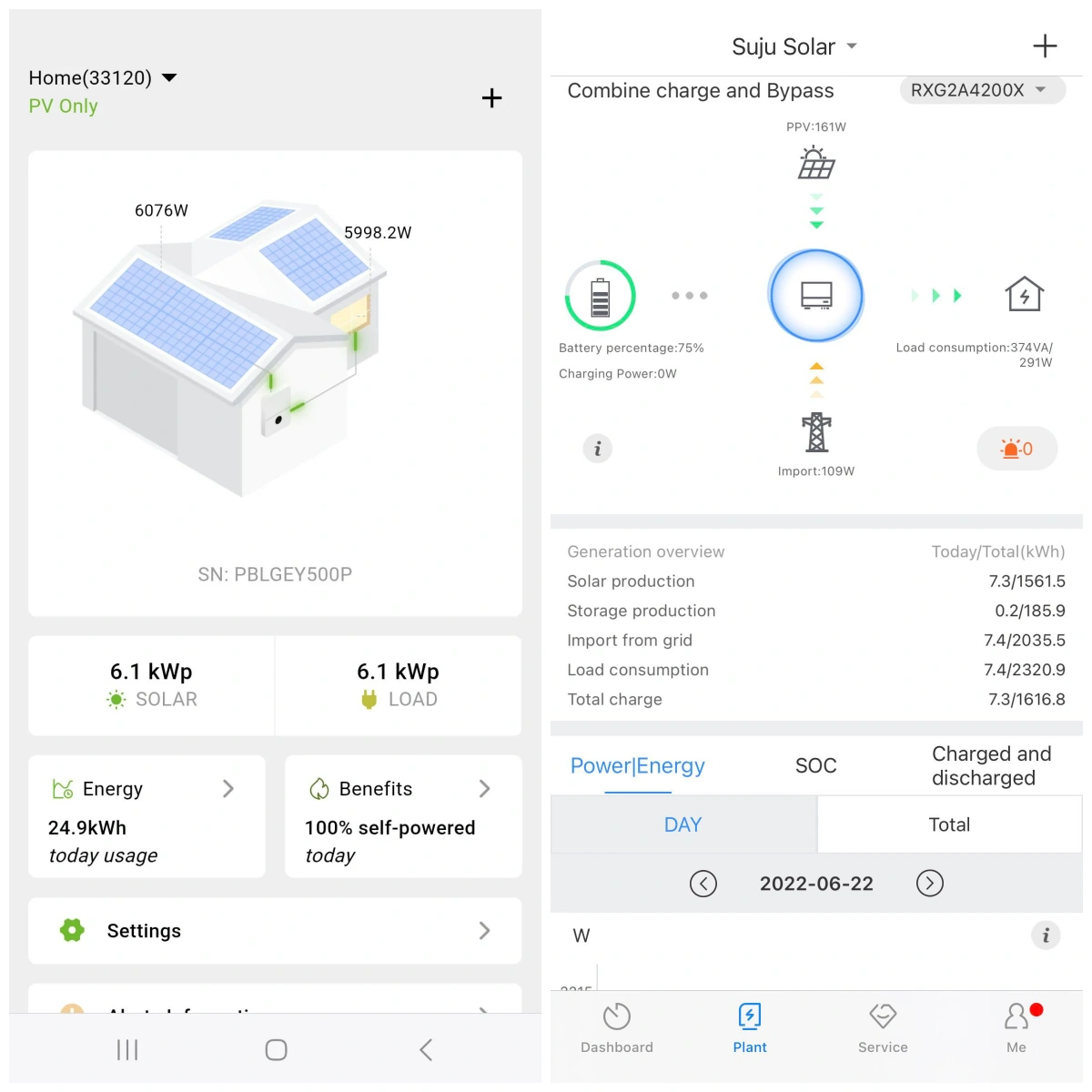
What Shiner brings:
-
Smart Scheduling Mode14 After watching your system for a few weeks – how solar production peaks, when your household load spikes, how much you use at night – the platform can start aligning battery behavior with dynamic tariffs in markets that support them. It’s not as heavily branded “AI” as some competitors, but it does provide adaptive scheduling.
-
Growing device support Shiner works with Growatt’s own EV chargers and is moving toward broader third-party compatibility via standard protocols. Combined with smart meters and some load controls, it provides a practical level of energy automation for typical homes.
-
Clear, functional UI The interface isn’t trying to be artistic; its goal is clarity. Daily production, consumption, and battery state are easy to see, and deeper graphs are there for users who want them.
Where it fits best:
- Budget-conscious homeowners who still want automation and insight
- Retrofit projects where Growatt is added to existing PV
- Markets where dynamic tariffs exist but users don’t want to over-invest in the platform side
If you’re honest about your priorities – “I want a good system, but price matters” – Growatt Shiner13 provides a lot of value for the cost.
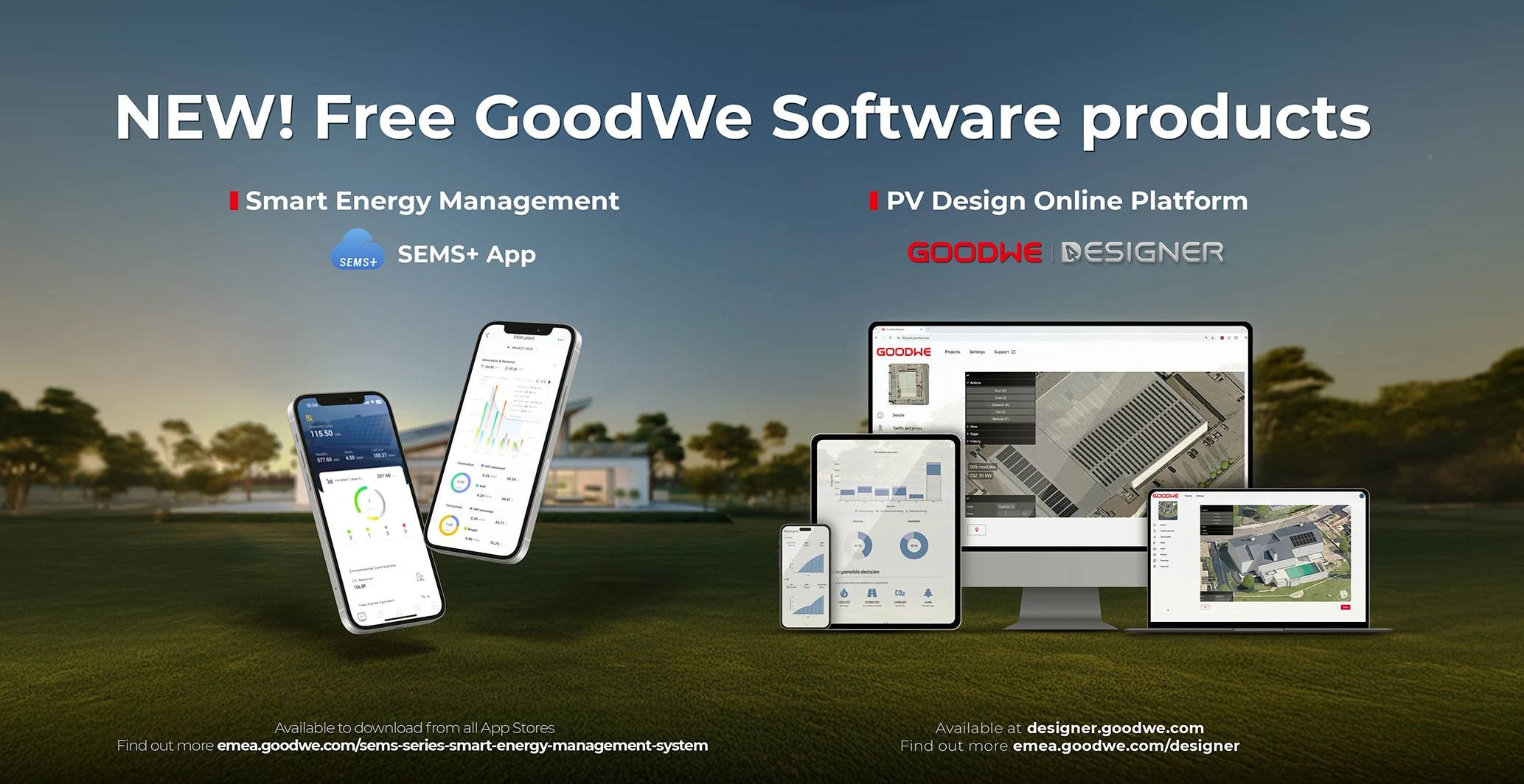
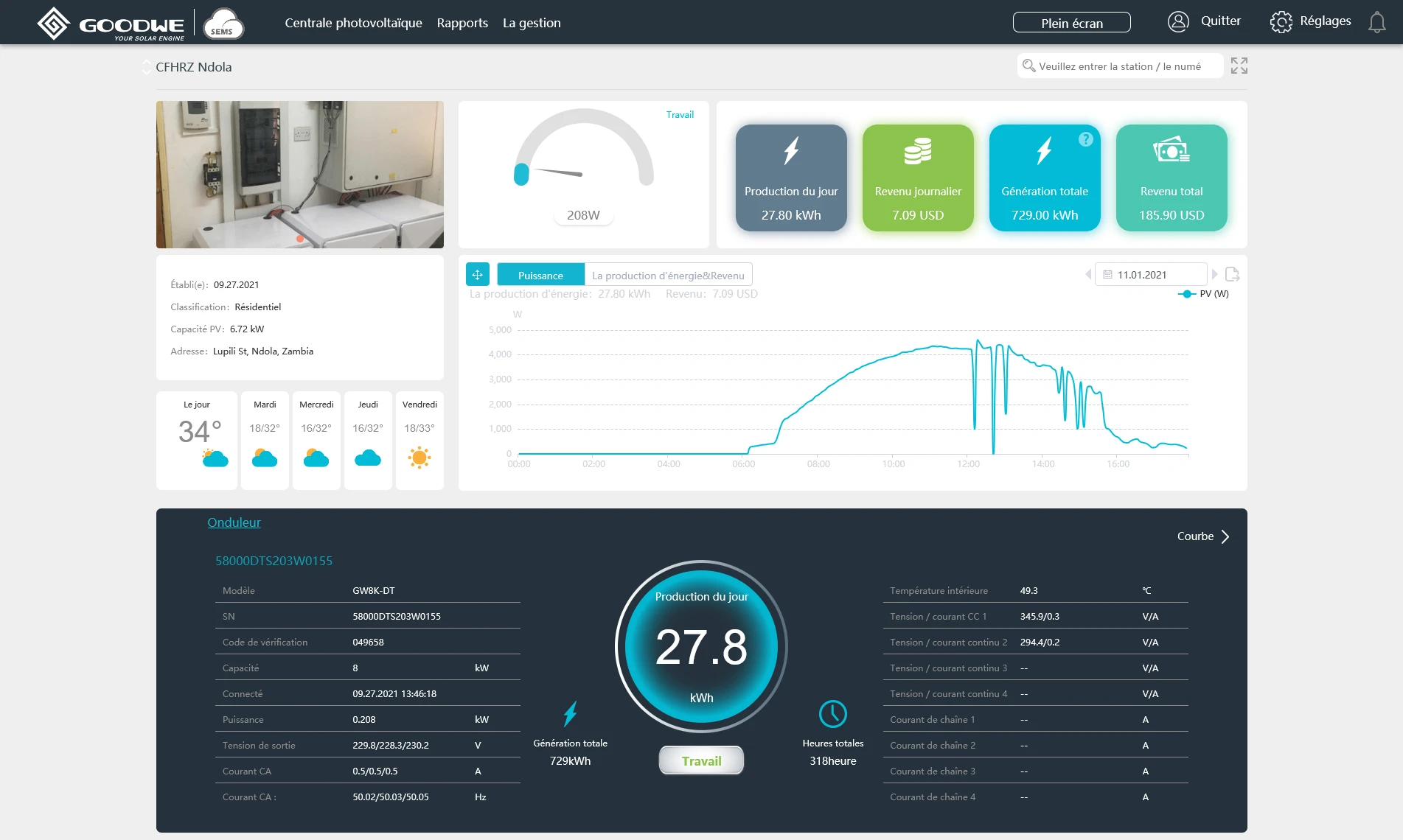
7. GoodWe SEMS15: Built for Hybrid and Backup-Heavy Systems
Verdict: A robust control center when the grid can’t always be trusted.
GoodWe’s SEMS platform is designed with the assumption that the grid may be weak, unstable, or supplemented by generators. It is less about showing pretty solar graphs and more about keeping complex systems running smoothly.
Key aspects:
-
Smart mode profiles for real-world scenarios SEMS offers predefined behaviors such as Self-Consumption First, Backup Priority, and Peak Shaving. Behind each label is a tested strategy for how to use PV, battery, grid, and generator together. Users choose the mode that best matches their situation and tweak the thresholds as needed.
-
Multi-source awareness When you have PV, battery, a diesel generator, and sometimes unreliable grid all in play, SEMS can orchestrate which source should take the lead at each moment, according to your chosen mode.
-
API and integration potential For aggregators, pilot VPP projects, or advanced users, SEMS exposes data and certain controls via API. This makes it possible to integrate GoodWe systems into larger control schemes beyond the standard app.
Where it fits best:
- Rural or semi-rural homes with frequent outages
- Small commercial sites relying partly on generators
- Hybrid systems that must prioritize resilience over cosmetic polish
If you see energy as a reliability problem first and a “nice graph” problem second, SEMS is very much worth considering.
💡FAQ Cluster 2 – Trends, VPPs, and Strategy
At this point, you’ve seen seven different takes on “smart energy”. It’s worth pausing for a few strategic questions.
Conclusion: Choosing the Right “Brain” for Your Energy System
Every serious platform we’ve covered will run a solar + storage system. The real question is: Which one will run it in a way that fits your life, your tariffs, and your appetite for complexity?
Here is a quick way to map common scenarios to platforms:
| Scenario | Recommended Platforms |
|---|---|
| Pure plug-and-play simplicity | Tesla Energy App |
| Granular technical / AI control | Huawei FusionSolar, SolarEdge |
| Balanced, open, AI-driven smart home hub | SAJ Elekeeper |
| Budget but still wants smart optimization | Growatt Shiner, GoodWe SEMS |
| Hybrid / backup-heavy, weak-grid scenarios | GoodWe SEMS, Sungrow iSolarCloud |
There is no single “best” platform for everyone. Choosing well means being honest about:
- Your grid and tariff reality – flat tariff vs time-of-use vs dynamic, stable vs unreliable grid.
- Your device roadmap – one brand forever vs a mix of EVs, heat pumps, and IoT from different brands.
- Your priorities – simplicity, deep control, energy resilience, return on investment, or some blend of these.
💡 Matching Software with Hardware
A great app needs a great battery. Check out the top hardware options for 2025:
- Top Picks: Best All-in-One Home Energy Storage Systems 2025
- Capacity Guide: 7 Puzzles to Solve Before Buying
At Sunriver Electric, we have chosen to focus on SAJ because it consistently hits a practical balance in real projects. Elekeeper brings the kind of AI-driven control and multi-device integration you expect from top-tier platforms, while staying open and flexible enough for real homes and small businesses that grow and change over time.
For many of the customers we work with, that combination – intelligence plus flexibility – is exactly what turns a solar + storage system from “installed hardware” into a genuinely smart energy solution.
-
Find out how Huawei FusionSolar leverages AI to enhance energy management and efficiency. ↩ ↩ ↩
-
Investigate the benefits of Sungrow iSolarCloud for both homeowners and commercial installers. ↩ ↩ ↩
-
Learn why the Tesla Energy App is praised for its user experience and integration with Tesla products. ↩ ↩ ↩
-
Explore GoodWe SEMS to understand its role in hybrid and backup energy scenarios. ↩ ↩ ↩
-
Watch a review of the Tesla Energy App to see how it simplifies energy management. ↩
-
Discover how Tesla Powerwall integrates with the Energy App for efficient energy storage. ↩ ↩ ↩ ↩
-
Learn about the Storm Watch feature that prepares your home for outages during severe weather. ↩ ↩
-
See an external review of Huawei FusionSolar visualization features. ↩
-
Visit the official Sungrow iSolarCloud product page. ↩
-
Learn how forecast-driven logic helps optimize solar production. ↩
-
Learn about VPP-ready architecture and its benefits for participating in energy programs. ↩
-
Find out how SolarEdge mySolarEdge provides detailed insights into solar panel performance. ↩
-
Explore Growatt Shiner for smart scheduling and clear monitoring. ↩ ↩
-
Learn how Smart Scheduling Mode aligns battery behavior with dynamic tariffs for savings. ↩
-
See tips for using the GoodWe SEMS Portal effectively. ↩