


 sales@sunriver-electric.com
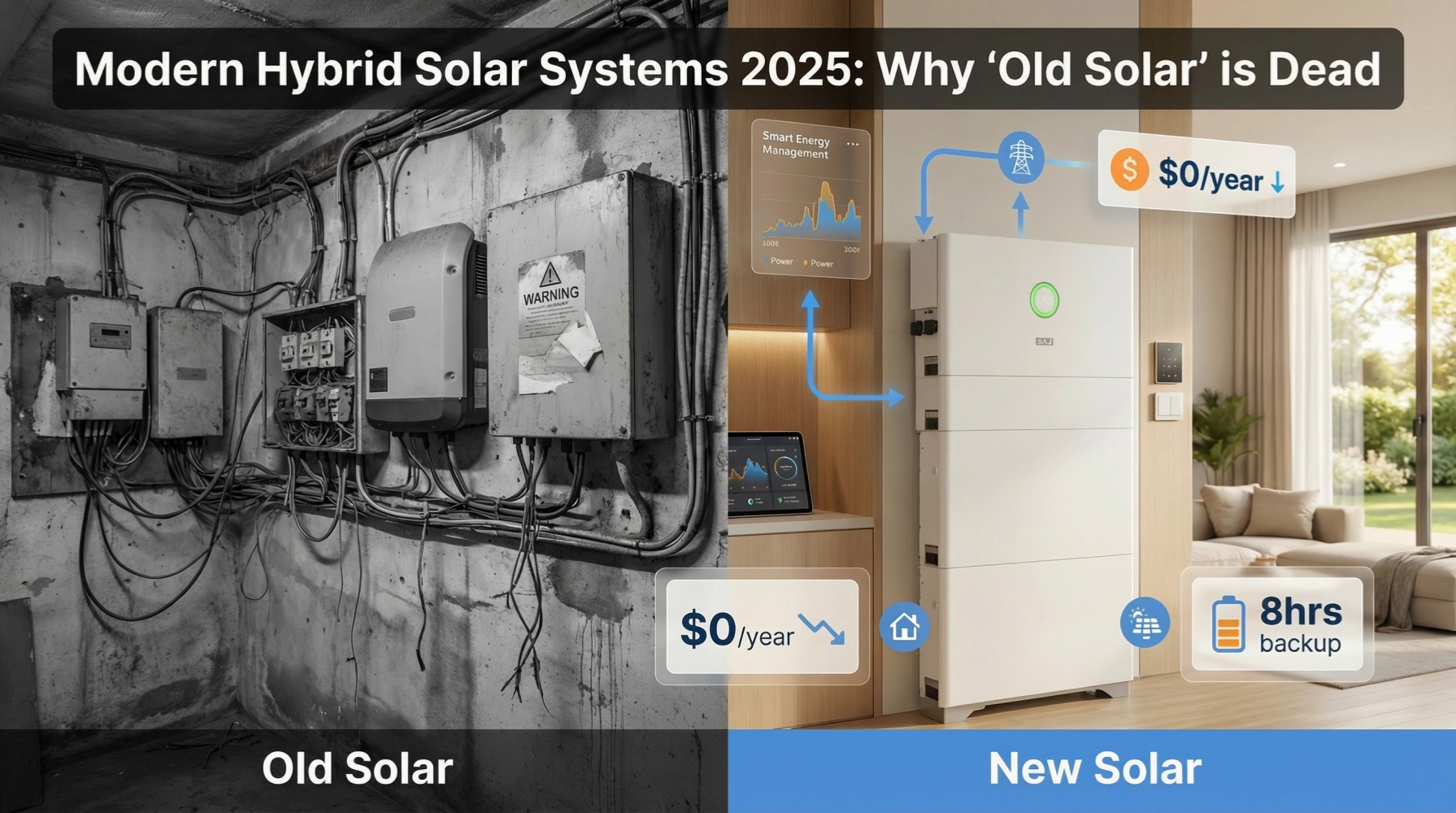
If your electric bill just doubled, or you’re staring at a new EV wondering how much it will cost to charge, you aren’t alone.
But here is the brutal truth: The solar industry has changed, and most homeowners are buying outdated tech.
If you install a standard grid-tied system today like your neighbor did five years ago, you are leaving money on the table. The future isn’t just about panels; it’s about creating an entire home energy system—panels, batteries, inverters, and EV charging—all managed by smart software that optimizes everything automatically..
In this guide, we are going to break down exactly how 2025 solar technology works, review the math on savings, and compare the top hardware solutions (specifically the SAJ H2 and HS3 series) so you don’t get stuck with a system that can’t keep the lights on.
What Makes Up a Modern Solar Ecosystem?
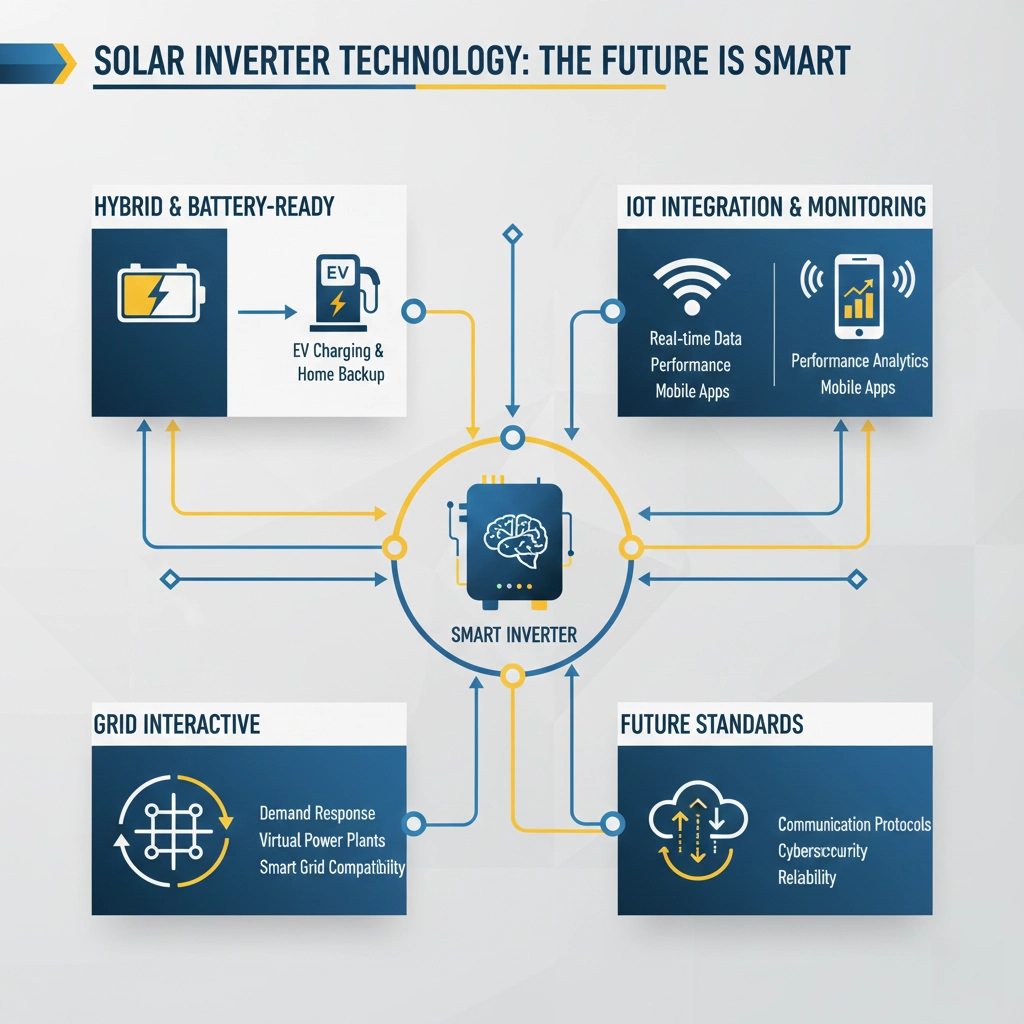
Before we talk hardware, you need to understand the shift. We aren’t just generating power anymore; we are managing it.
1. High-Efficiency Generation\
Today’s advanced solar panels (using technologies like N-type TOPCon cells1) capture significantly more energy from the same roof space. This matters because most homes have limited roof area—you want to maximize every square foot.
2. Intelligent Storage\
Batteries are the heart of the system. They solve the "Duck Curve" issue2—storing cheap solar power to use when grid prices spike in the evening, and can even charge from the grid when electricity prices go negative3, essentially getting paid to store energy.
3. Cross-Sector Integration\
Your solar now powers your transportation. This eliminates your gas bill, not just your electric bill.
4. AI-Powered Management:\
Smart management systems like SAJ’s Elekeeper use algorithms to predict weather and pricing, optimizing your energy usage automatically.
Onduleurs hybrides: The Brain of a Hybrid Solar System
The inverter is the "brain" of your system. Choosing the wrong one is the most expensive mistake you can make.
The Golden Rule: Do not buy a system in 2025 that isn’t battery-ready.
String vs Micro vs Hybrid Inverters: Feature Comparison
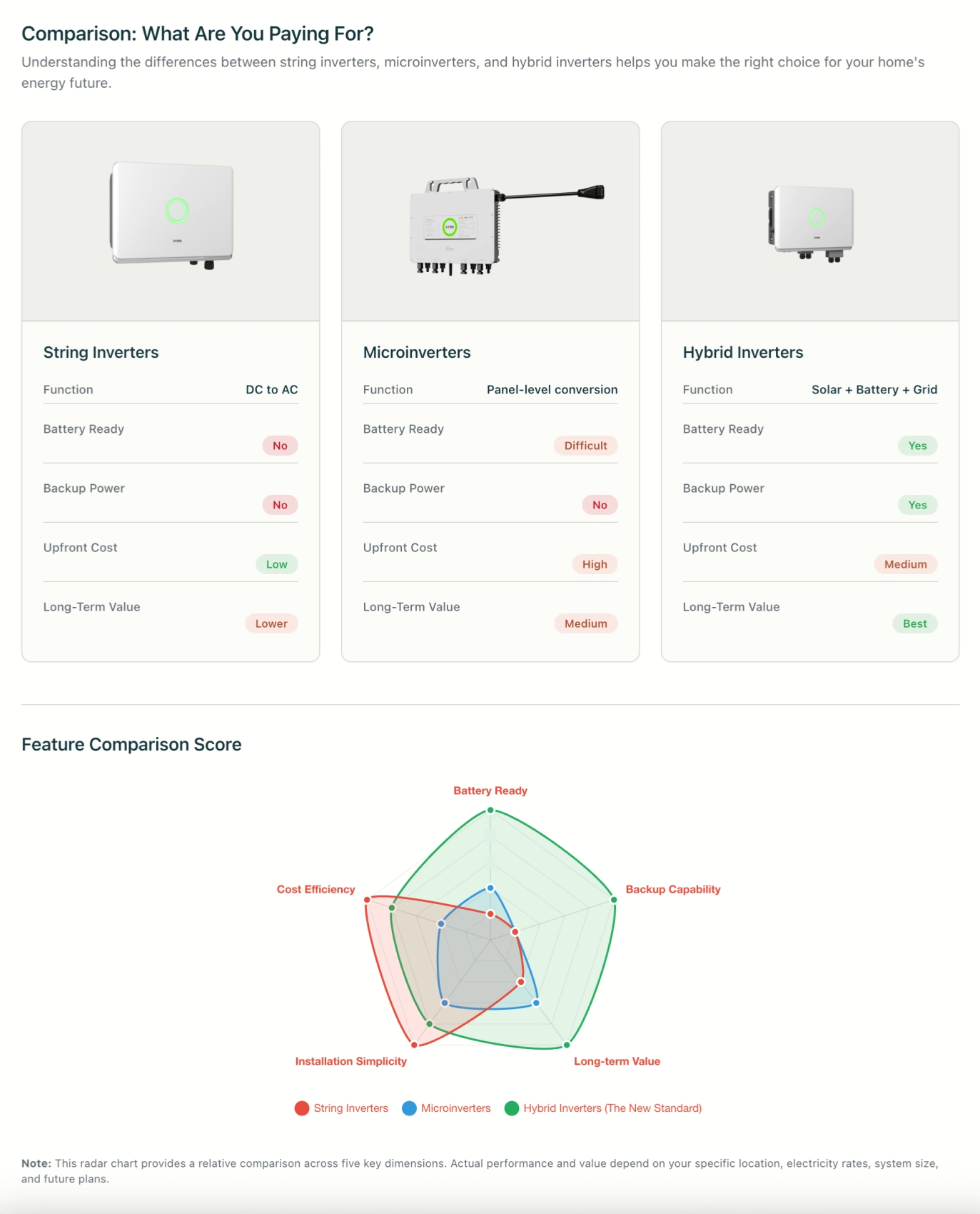
| Fonctionnalité | String Inverters (Old Tech) | Microinverters | Hybrid Inverters (The New Standard) |
|---|---|---|---|
| Fonction | DC to AC only | Panel-level conversion | Solar + Battery + Grid Management |
| Battery Ready? | No (Requires expensive upgrade) | Difficult/Expensive | Yes (Plug & Play) |
| Backup Power? | No (Grid goes down, you go down) | Non | Yes (UPS Backup) |
| ROI Impact | Lower upfront, lower long-term | Highest upfront cost | Best Long-Term Value |
Why Hybrid is the New Standard (The SAJ H2 Benchmark)
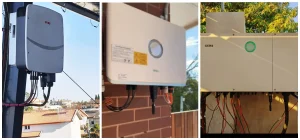
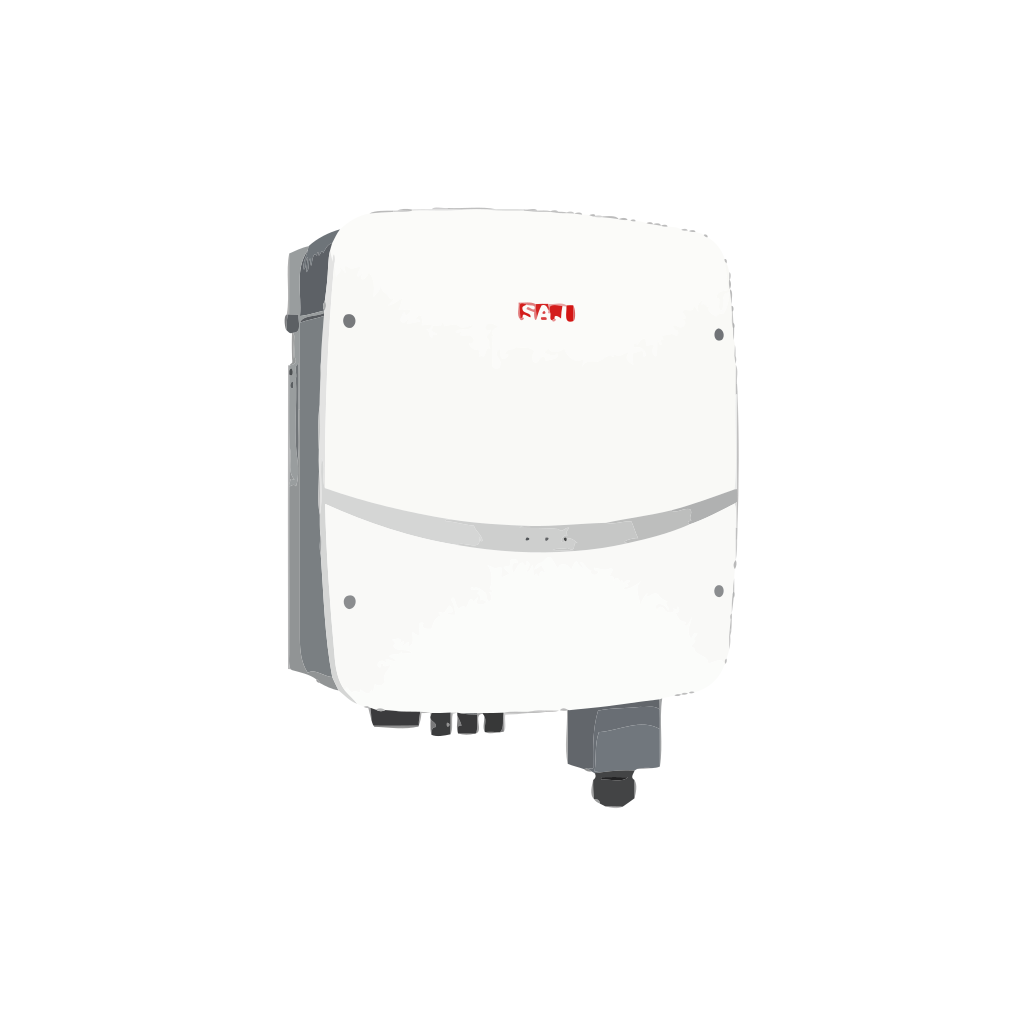
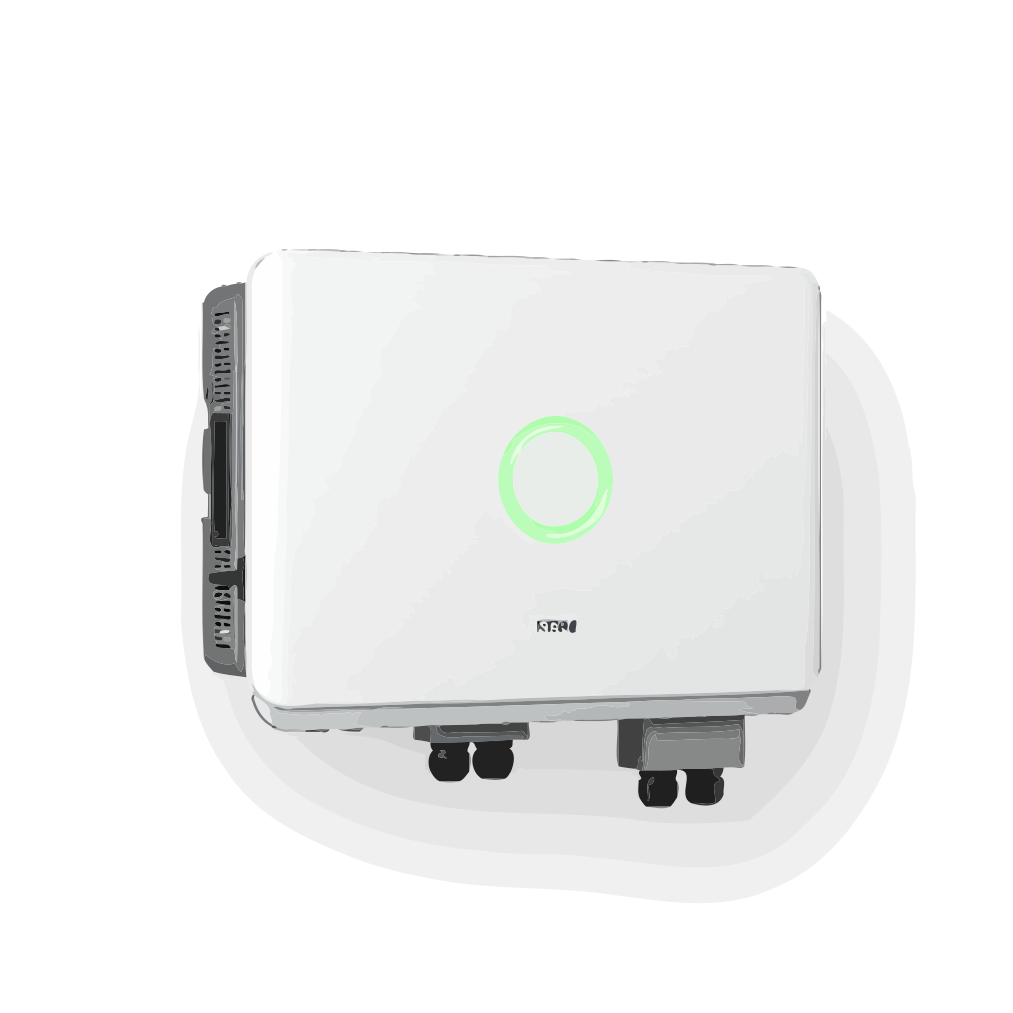
To understand why Hybrid is winning, let’s look at the SAJ H2 Series specs. This represents the new industry standard for three reasons:
→ View H2 Product Line: Single-phase (3-6kW) and three-phase (5-30kW) models available.
- Anticiper l'avenir : You can install it with just panels today. When you’re ready for batteries in two years, it’s plug-and-play.
- 10ms Switchover: If the grid fails, the H2 switches to battery power in under 10 milliseconds. Your Wi-Fi won’t even disconnect.
- High-Voltage Efficiency: Older systems use 48V architecture. The H2 uses 180-600V. Less current means thinner cables, less heat, and hundreds of extra kWh saved per year.
💰 Case Study: The $4,500 "Retrofit Trap"
Why should you buy a hybrid inverter even if you can’t afford batteries today? Let’s look at the math.
The Scenario:
A homeowner in Norway installed a standard string inverter in 2020. In 2023, due to energy crisis pricing, they wanted to add a battery.
The Cost to Retrofit:
- New Battery Inverter: $2,500
- Secondary Installation Labor: $1,200
- Rewiring/Reconfiguration: $800
- Total "Fix It" Cost: $4,500
The Alternative:
If they had installed a Hybrid Inverter (like the SAJ H2) initially, adding the battery later would have been a plug-and-play job costing $200-$400 in labor.
Total Savings:
~$4,100 just by choosing the right inverter upfront.
⚠️ Before You Wire It: Can Hybrid Inverters Run Without Batteries?
Most installers won’t tell you this upfront—but it changes your budget strategy completely:
- Un onduleur hybride peut-il fonctionner sans batterie ? — Yes, and here’s the one setting you need to flip to avoid the $4,500 trap.
- Hybrid Inverter Compatibility Guide — Not all batteries play nice with all inverters. This chart shows which combinations fail (and void your warranty).
The Rise of All-Electric Home: Solar, Storage, and EV Charging
Here is where the math gets fun. We are witnessing Whole-Home Electrification: replacing gas appliances with electric ones powered by your roof.

The Economics of EV Charging
Drive 12,000 miles per year?
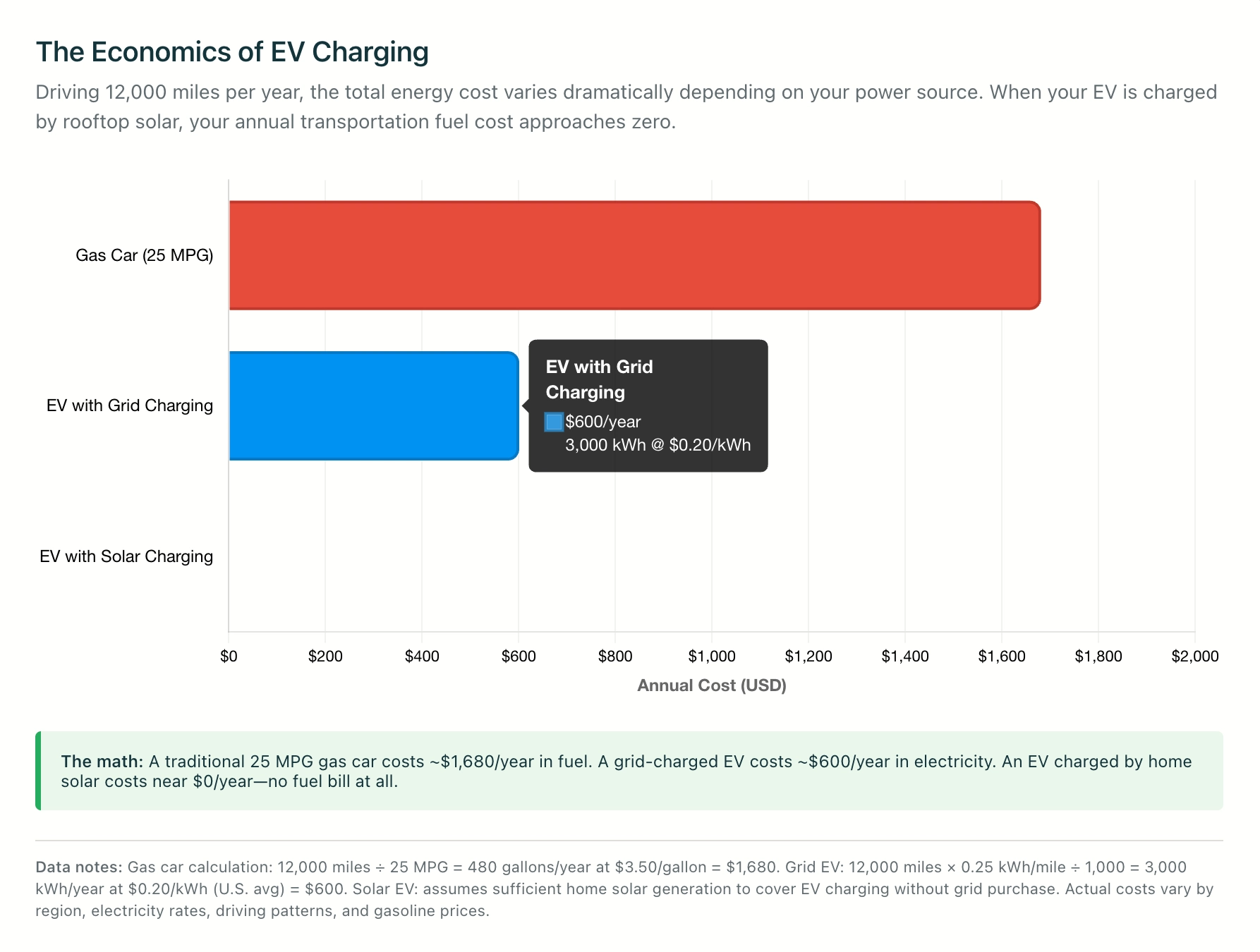
- Gas Car (25 MPG @ $3.50/gal): $1,680/year
- EV charged by Grid: $600/year
- EV charged by Solar: $0/year4
When you combine gas savings with electricity savings, a solar+storage system can save the average family $25,000–$40,000 over its lifetime5.
The Challenge: Load Management
When you plug in your EV (7kW) and turn on the Heat Pump (4kW) and start cooking (3kW), you will trip your main breaker.
Unless you have smart load balancing.
Modern systems monitor this in real-time. If you turn on the oven, the system automatically throttles the EV charger down for 30 minutes, then ramps it back up. You don’t have to do anything—it just works.
❓ Quick Answers: Installation & Getting Started
The All-in-One as Modern Solar Systems Solution
Traditional solar installs are messy. You have an inverter on one wall, a battery box on the floor, and conduits running everywhere. The industry is moving toward "All-in-One" cabinets.

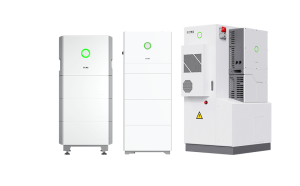
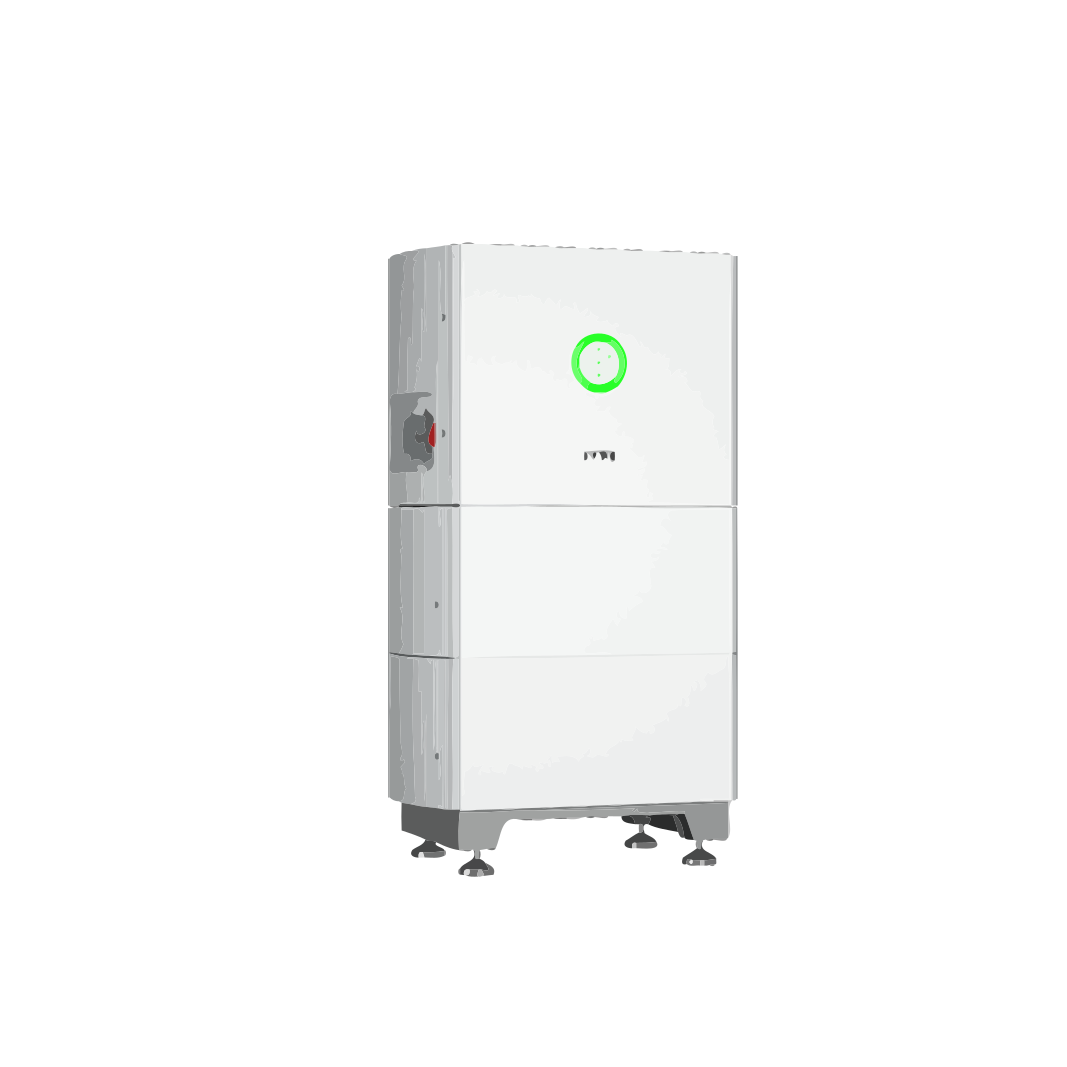
Let’s look at the SAJ HS3 All-in-One unit as a case study for this trend.
→ Explore HS3 Models: Available in single-phase (3-6kW) and three-phase (3-12kW) configurations.
Why Homeowners and Installers Prefer All-in-One
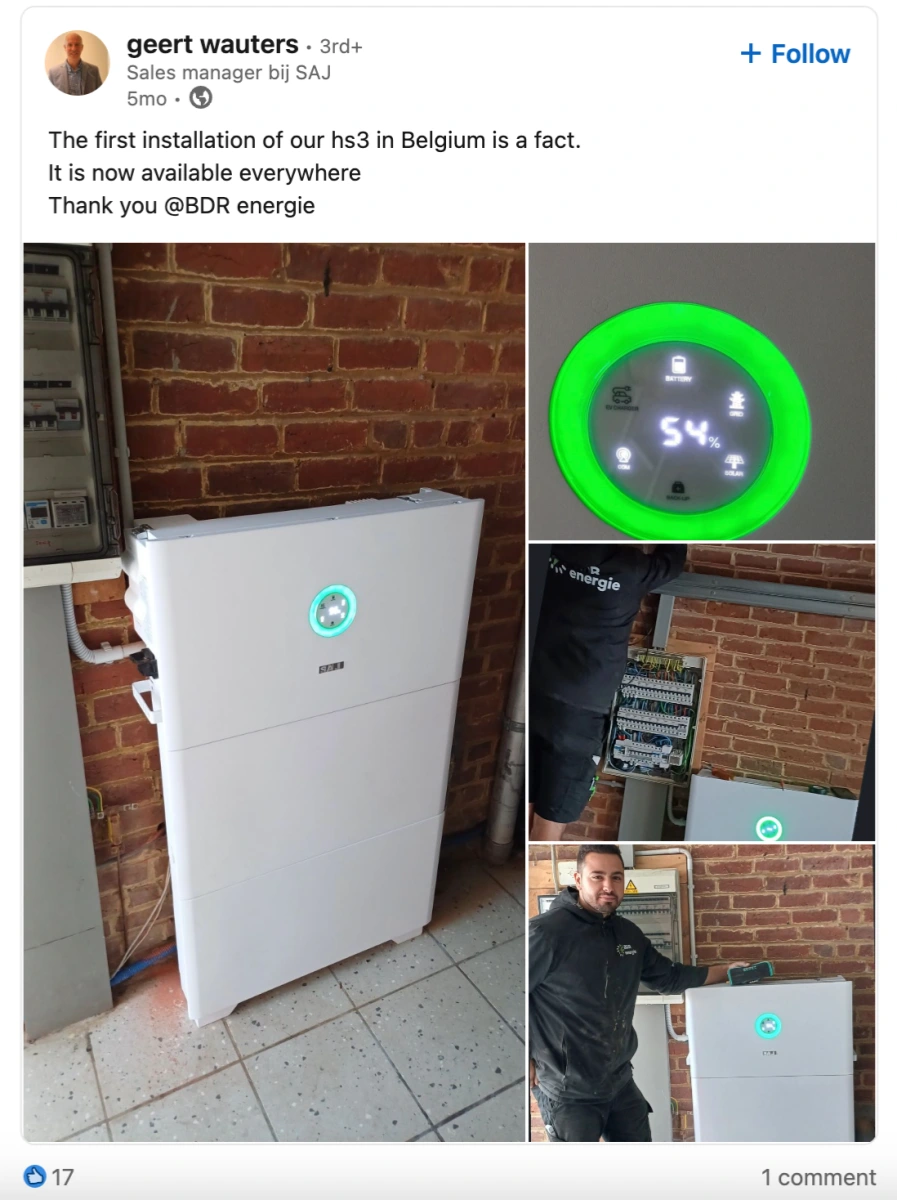
- The "LEGO" Installation:
The battery modules stack on top of each other with blind-plug connections. No wiring between batteries.
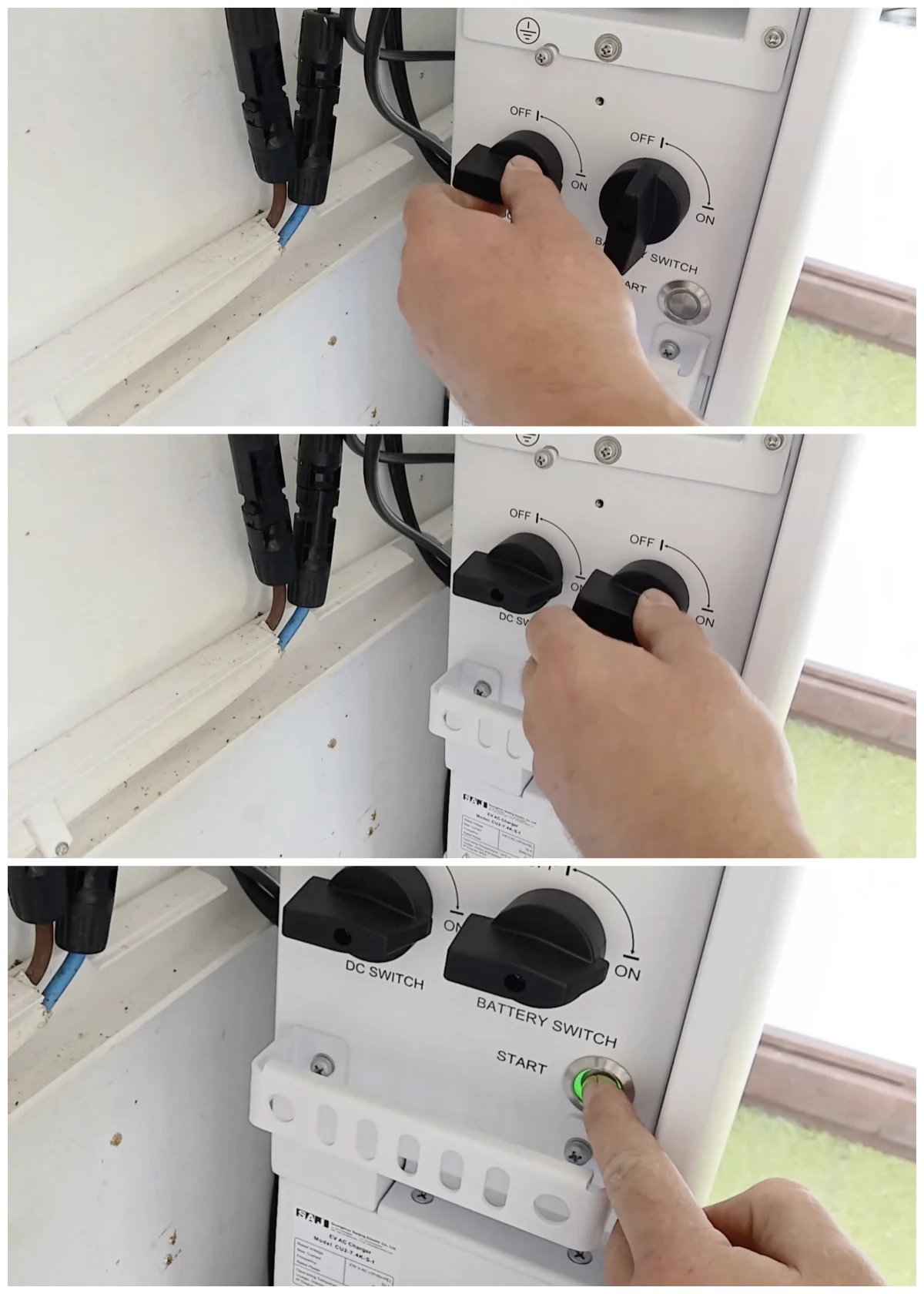
*   *Traditional Install Time:* 8-12 Hours
* *HS3 Install Time:* 4-6 Hours (Saves you money on labor).-
Space Efficiency:
The unit is only 17cm (7 inches) deep. It fits in narrow garage walkways where traditional bulky systems can’t go. -
Integrated EV Charging:
Most competitors (like Tesla Powerwall) still require a separate wall charger. The HS3 has the EV charger built directly into the chassis. One unit, total control.
💡 All-in-One vs. Modular: What Changes After Year 3?
The cleanest install isn’t always the smartest long-term bet. Here’s what homeowners wish they knew before choosing:
- Best All-in-One Home Energy Storage 2025 — We rank the top 5 systems by réel expansion costs, not marketing specs.
- 7 Puzzles Before Committing to an All-in-One System — Question #4 ("Can you add batteries later?") trips up 60% of buyers.
Making the Financial Case: Is a Hybrid Solar System Worth It?
Let’s talk money. Solar systems are a big investment—but here’s the real economics.
What Actually Affects Your ROI
| Facteur | What Matters | Pourquoi ? |
|---|---|---|
| Electricity Rate | $0.15+/kWh = strong case $0.20+/kWh = no-brainer |
Higher rates = faster payback |
| Monthly Usage | Bills over $150/month | Bigger users save more |
| Mesures d'incitation | Federal: 30% tax credit (through 2032)6 State: varies by location |
Can cut effective cost in half |
| Net Metering | Full retail rate credit ideal | Determines payment for excess solar |
The Hidden Value of Resilience
Here’s what people often miss: the value of backup power during outages.
For those working from home, running home businesses, or with medical equipment, losing power can cost thousands.
The data:
- Average American experiences 8 hours of outages per year7
- Homeowners with batteries reported zero work interruptions during grid failures
- Peace of mind factor alone worth $100-200/month to survey respondents8 (2023 study)
What About Electricity Price Trends?
The reality: electricity prices aren’t stable.
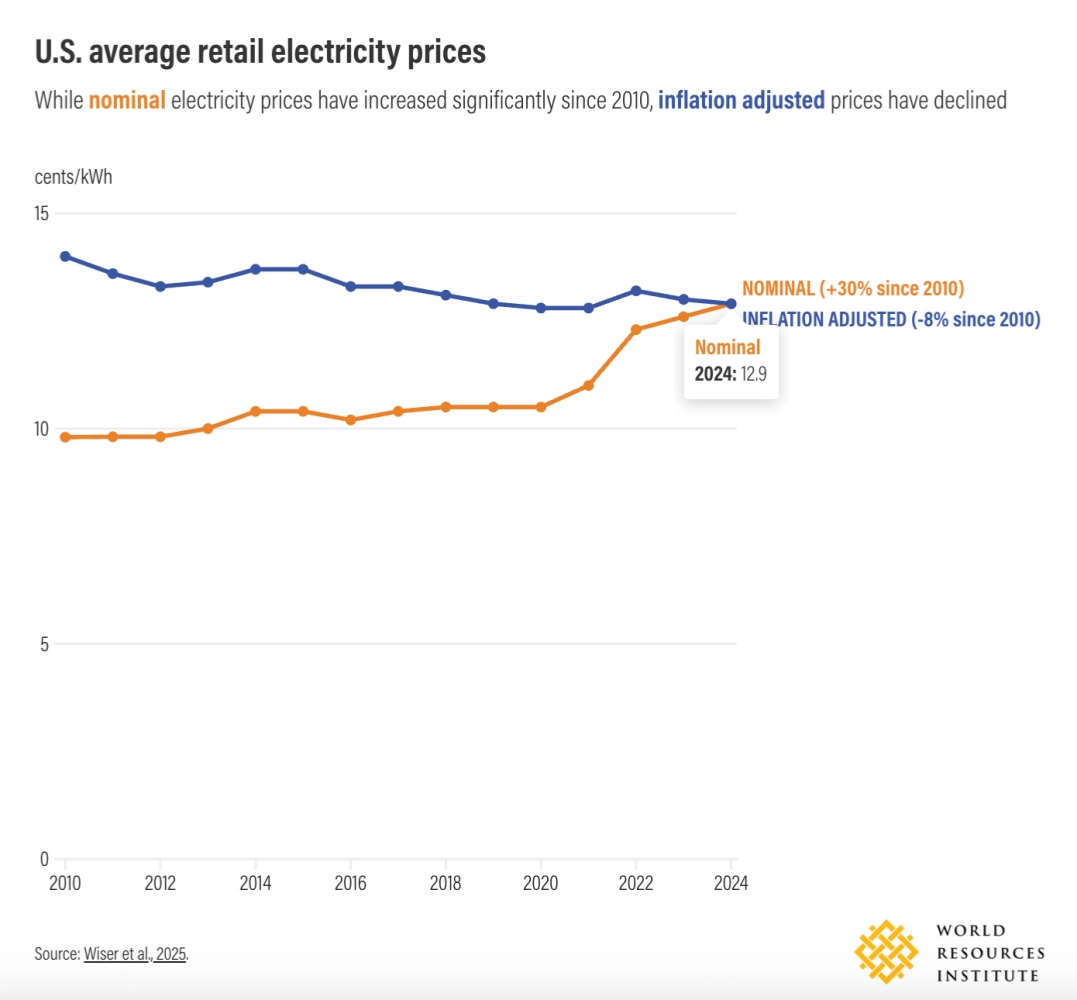
- U.S. prices increased 30% over the past decade9
- Europe remains significantly above pre-2020 levels10
- Climate change strains grids, causing more frequent price spikes
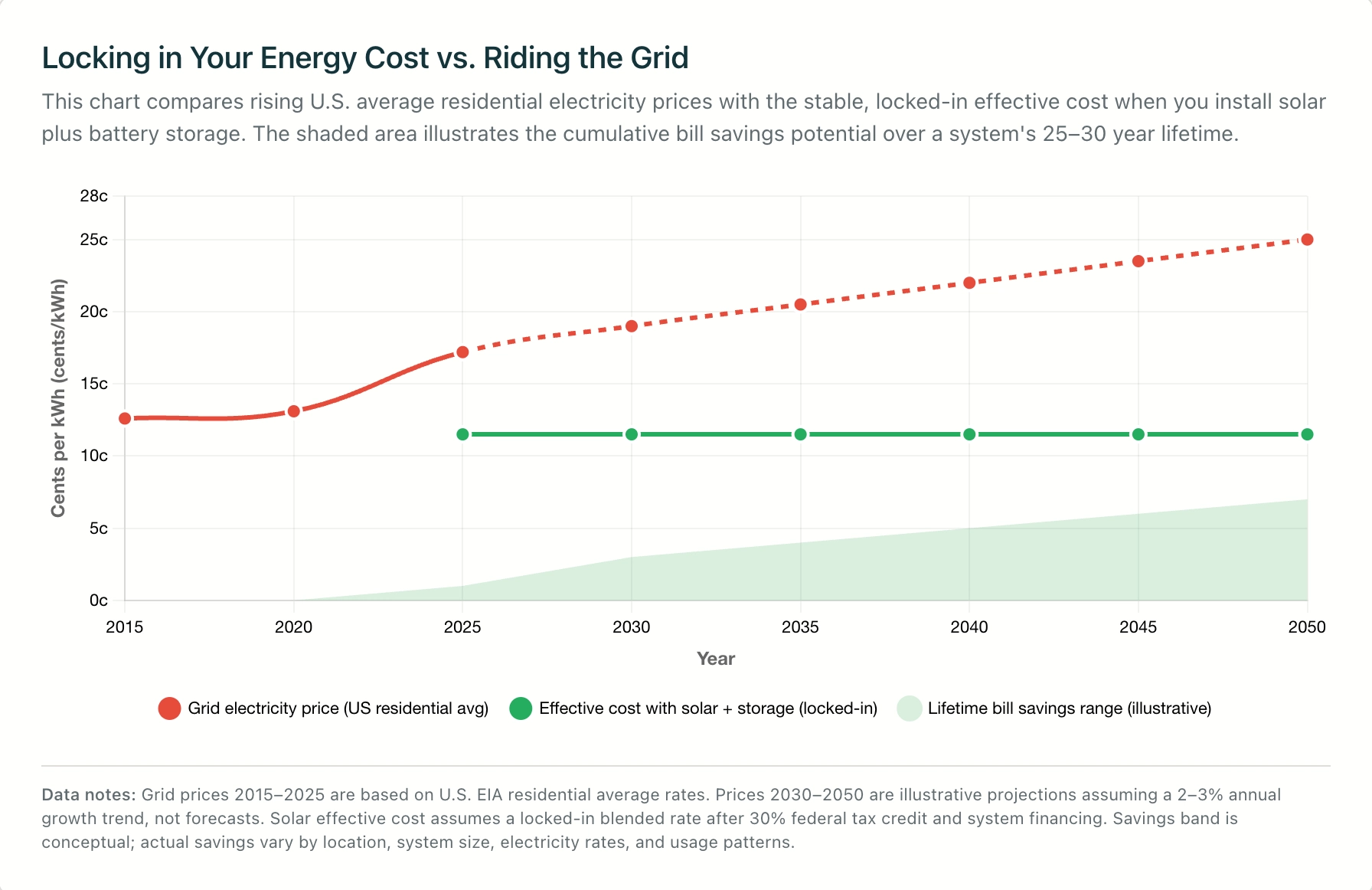
The point isn’t fear-mongering—it’s recognizing that locking in your energy costs with solar provides real financial protection against future rate increases.
❓ Quick Answers: Long-Term Costs & Incentives
Decision Matrix: Which Solar System Fits Your Home, Modular or All-in-One?
Don’t overcomplicate it. Use this framework to choose between the Modular (H2) or Integrated (HS3) approach.
| Your Situation | Recommended SysteSAJ HS3 (All-in-One) | Only 7 inches deep; fits anywhere. |
| I have an irregular wall/room | SAJ H2 + B2 (Modular) | Flexible placement; put inverter and battery in different spots. |
| I own (or plan to buy) an EV | SAJ HS3 | Integrated EV charger saves buying a separate unit. |
| I’m on a tight budget now | SAJ H2 (Inverter Only) | Install solar now; plug in B2 batteries in 2 years. |
| I want the cleanest look | SAJ HS3 HS3 | Integrated EV charger saves buying a separate unit. |
| I’m on a tight budget now | SAJ H2 (Inverter Only) | Install solar now; plug in B2 batteries in 2 years. |
| I want the cleanest look | SAJ HS3** | No visible wires; looks like a modern appliance. |
Conclusion: Stop Renting Your Power Build a Hybrid Solar System
The solar landscape has completely transformed in the past few years. We’ve moved from simple roof panels to intelligent home energy ecosystems that manage power generation, storage, consumption, and even transportation—all automatically.
Here’s what you need to remember:
-
Modern systems are integrated ecosystems, not just panels on a roof. The inverter you choose determines your future flexibility.
-
Hybrid inverters are becoming standard because they offer the best combination of performance, economics, and future-proofing.
-
Batteries change everything. They transform solar from a money-saver into a full backup power solution and enable true energy independence.
-
The ROI is real, especially when you factor in rising electricity costs, EV charging savings, and the value of backup power.
-
You can start small. Begin with solar + hybrid inverter, add batteries later, then integrate EV charging as you’re ready.
Ready to Stop Renting Your Power?
The best time to install solar was five years ago. The second best time is now—before incentives drop and grid prices hike again.
Don’t guess on the price.
- Browse our Onduleurs hybrides et Energy Storage Systems, or contact Sunriver Electric for a comprehensive solution tailored to your home.
- Check the "Monthly kWh" usage.
- Find Sunriver Electric and we can provide you with comprehensive solution, building modern solar systems for you.
Your roof is generating value every day the sun shines. It’s time to capture it.
References
-
N-type TOPCon (Tunnel Oxide Passivated Contact) solar cell technology achieves conversion efficiencies exceeding 22.2% in commercial production, representing a significant advancement over traditional P-type cells. Trina Solar and other leading manufacturers have validated these efficiency gains in mass production, enabling homeowners to generate more power from the same roof area. Source: Trina Solar – TOPCon Technology Explanation ↩
-
The "Duck Curve" phenomenon, first documented by the California Independent System Operator (CAISO), describes the steep ramp in net electricity demand that occurs as solar generation drops off in the evening while residential demand peaks. U.S. Energy Information Administration analysis shows this creates both operational challenges and opportunities for battery storage systems to capture low-cost or negative-priced electricity during high solar production periods. Source: U.S. EIA – Today in Energy ↩
-
GridX market analysis documented 7,841 hours of negative electricity pricing across European markets in 2024, driven by renewable energy oversupply during high wind and solar production periods. This represents a market signal for battery storage systems to charge from the grid while effectively being paid to do so, before discharging during high-price evening periods. Source: GridX Insights – Negative Electricity Prices in Europe ↩
-
Enphase Energy cost analysis comparing transportation energy costs for 12,000 annual miles shows gasoline vehicles cost approximately $1,260/year (at $3.50/gallon), grid-charged EVs cost $662/year (at typical residential electricity rates), while solar-charged EVs eliminate fuel costs entirely. These calculations demonstrate the compound savings potential when combining home solar systems with electric vehicle adoption. Source: Enphase – Understanding the True Cost of EV Charging ↩
-
NREL (National Renewable Energy Laboratory) studies on photovoltaic module degradation show modern crystalline silicon panels degrade at median rates of 0.5-0.7% per year, supporting operational lifetimes of 25-30+ years with minimal performance loss. Most manufacturers warranty 80-85% of rated power output at 25 years, with many systems continuing to produce electricity well beyond warranty periods, validating long-term economic projections. Source: NREL – Photovoltaic Research ↩
-
The Inflation Reduction Act (2022) extended the federal residential clean energy credit at 30% through 2032, stepping down to 26% in 2033, 22% in 2034, then expiring for residential installations in 2035 unless Congress extends it. Homeowners can claim this credit via IRS Form 5695 for qualified solar electric property, including panels, inverters, batteries, and installation costs. Source: IRS Form 5695 – Residential Energy Credits ↩
-
Based on U.S. EIA Form EIA-861 reliability metrics (SAIDI – System Average Interruption Duration Index), residential customers experience varying outage durations depending on event inclusion. Excluding major storm events, average annual outages range from 2-2.2 hours; including major events, totals range from 5.5-11 hours in recent years (2022-2024 data). The "8 hours per year" figure represents a middle-ground estimate inclusive of weather-related disruptions that battery backup systems can mitigate. Source: U.S. EIA – Electric Power Annual, Table 11.1 ↩
-
Lawrence Berkeley National Laboratory research on customer valuation of backup power and grid resilience shows residential customers place significant willingness-to-pay premiums for uninterrupted electricity supply, with survey-based valuations in the $100-200/month range particularly for households with medical equipment, home-based businesses, or high-value perishables. These resilience values often exceed the direct economic savings from time-of-use arbitrage alone. Source: Lawrence Berkeley Lab – Publications on Resilience and Distributed Energy ↩
-
U.S. Energy Information Administration data shows residential electricity prices rose from approximately $0.128/kWh in 2015 to $0.168/kWh in 2024, representing a 30% nominal increase over the decade. This upward price trajectory creates a compelling economic case for fixed-cost solar investments that lock in energy costs and provide inflation protection. Source: U.S. EIA – Electric Power Monthly ↩
-
Eurostat data shows EU household electricity prices in H1 2025 (€0.2872/kWh) remain elevated compared to pre-crisis 2020 levels, despite declining from the 2022-2023 peak of €0.2916/kWh following energy market interventions and reduced Russian gas dependency. Price volatility and sustained higher baseline costs across European markets reinforce the value proposition of self-generation and storage. Source: Eurostat – Electricity Price Statistics ↩