
 sales@sunriver-electric.com
Points clés à retenir
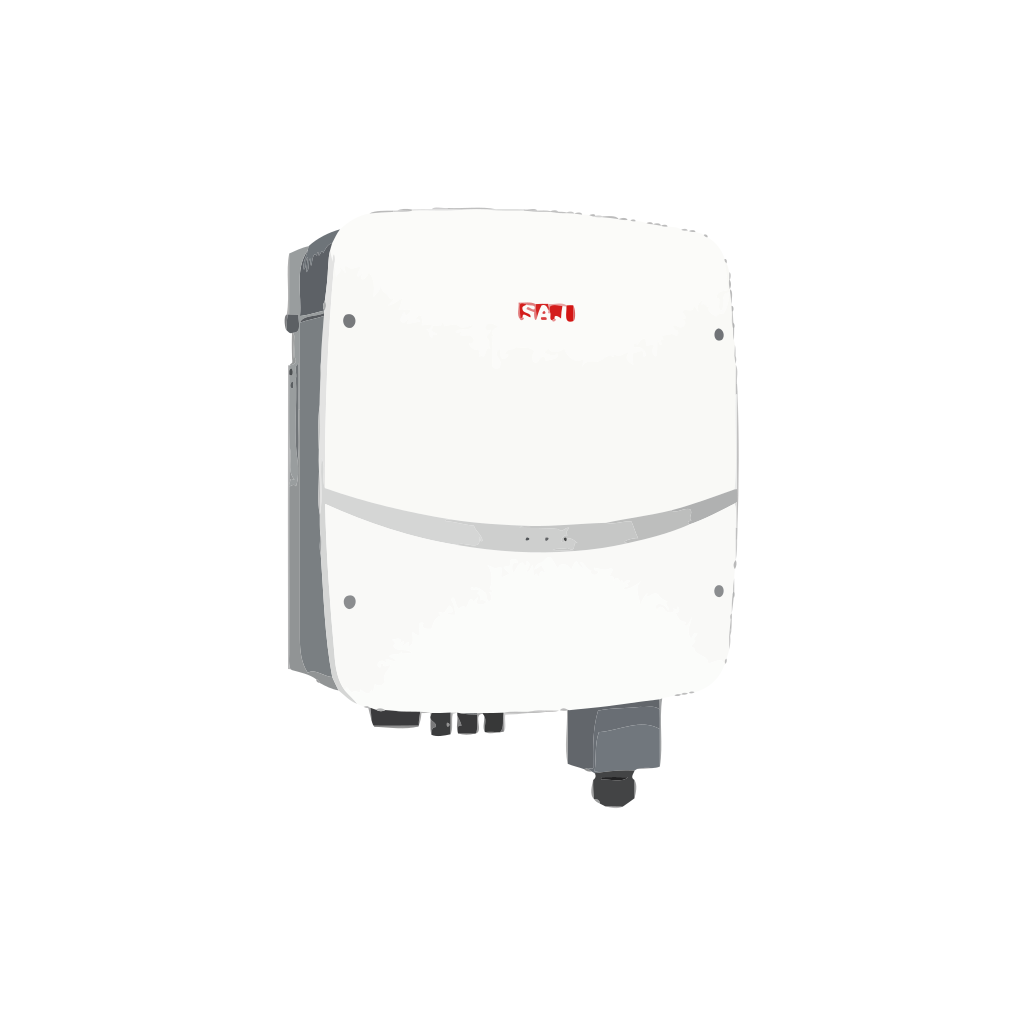
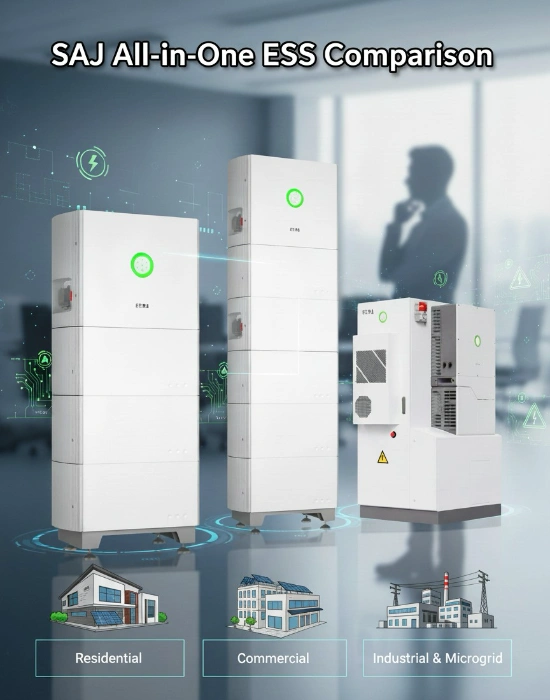
- SAJ HS2 Series: The ideal choice for budget-conscious homeowners seeking reliable backup power and seamless integration with existing solar systems.
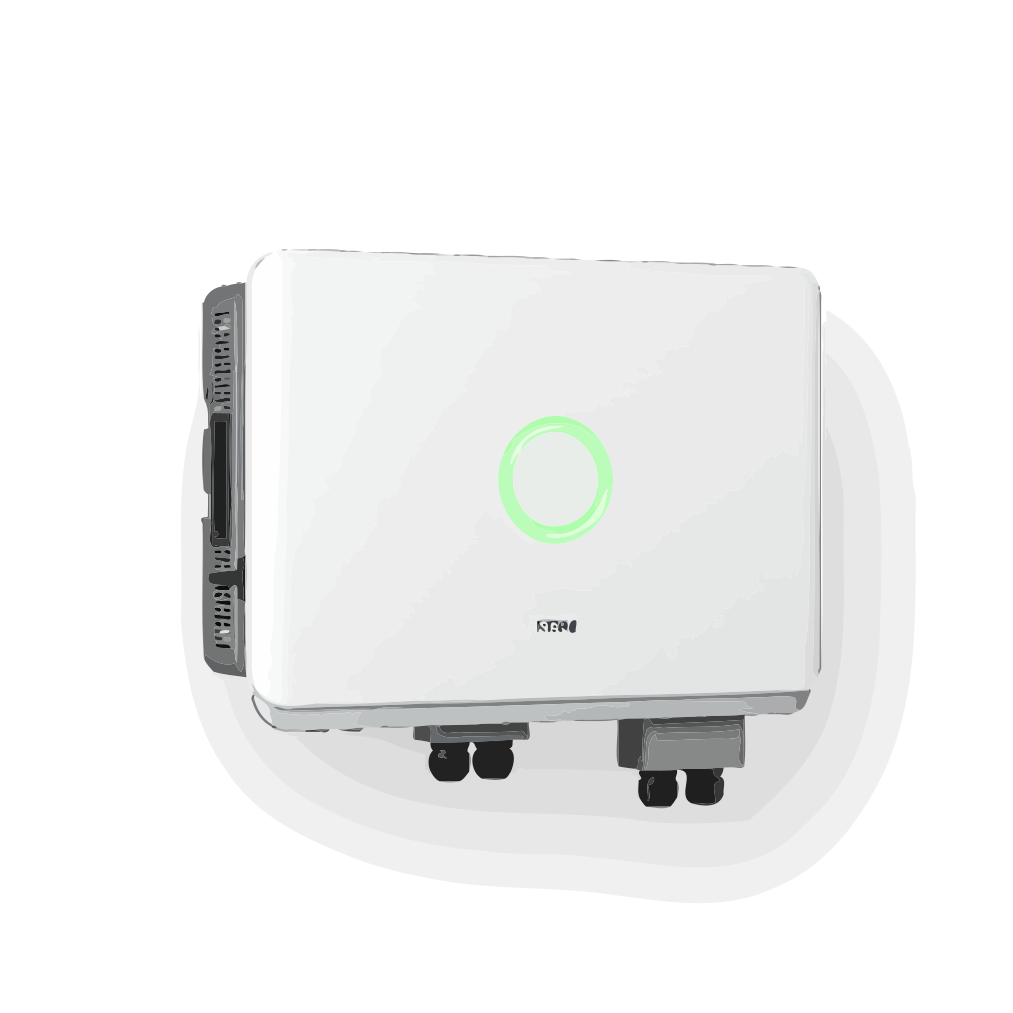
- SAJ HS3 Series: The ultimate all-in-one solution for the modern smart home, offering integrated EV charging and AI-powered energy management for maximum efficiency.
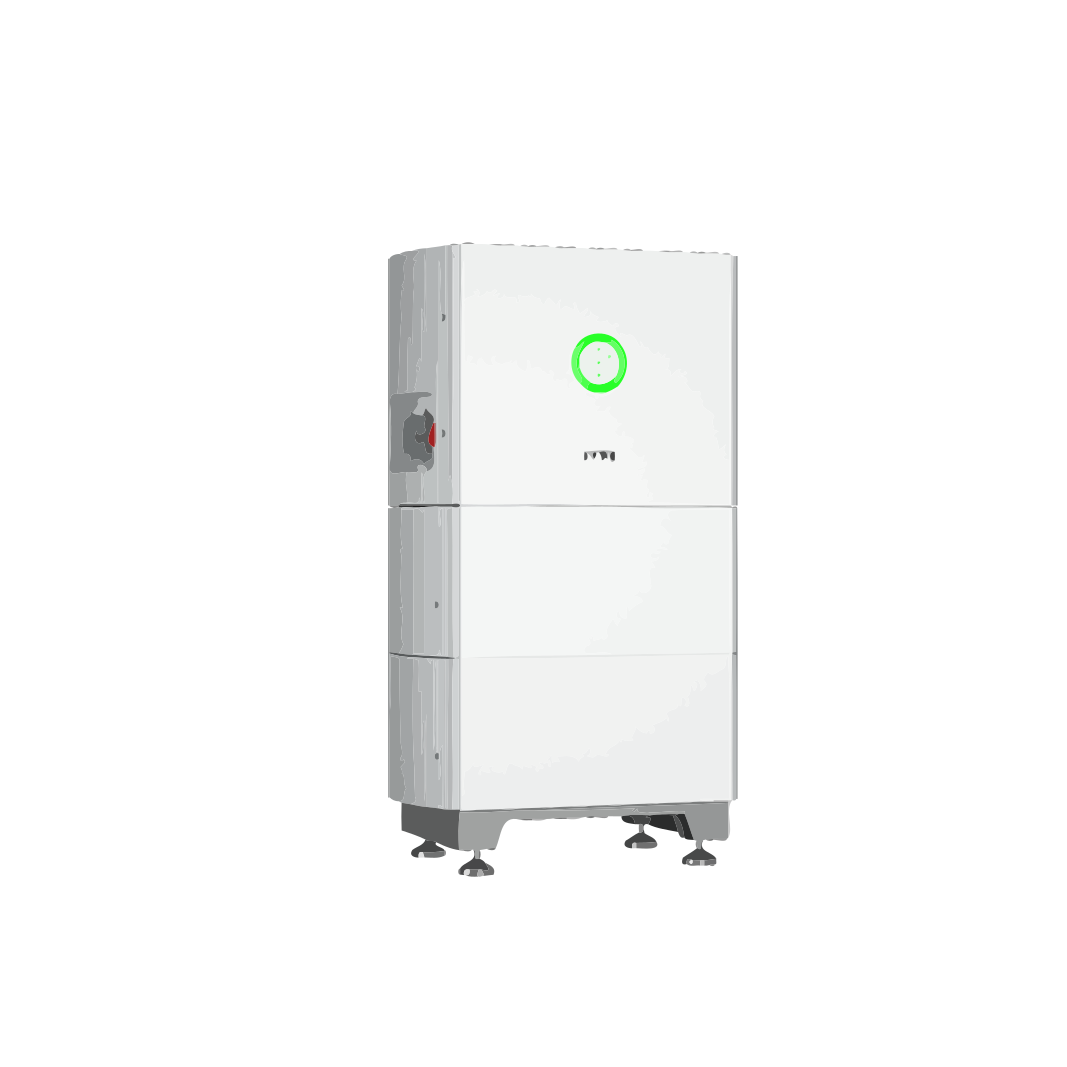
- SAJ CHS2 Series: A commercial and industrial powerhouse designed for business continuity, offering high-capacity storage and advanced features like peak shaving to reduce energy costs.
As solar energy adoption grows, choosing the right storage solution has become the most critical decision for homeowners and businesses alike. Among the leading innovators, SAJ Electric stands out with a comprehensive suite of energy storage systems designed for every need, from a small residential backup to a large-scale commercial operation. But with different series like HS2, HS3, and CHS2, how do you know which one is the perfect match for your project?
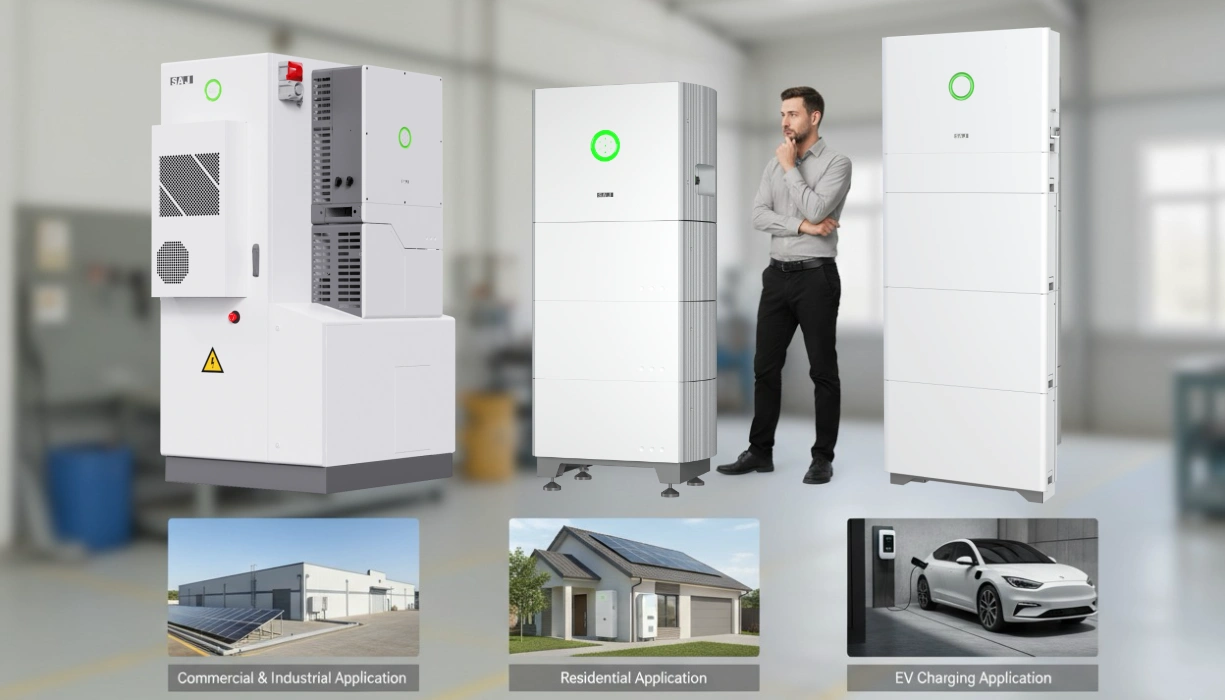
This guide is here to help. We’ll provide a complete, in-depth comparison of the SAJ HS2, HS3, and CHS2 series, breaking down their technical specifications, ideal applications, and unique features. Whether you’re a solar professional designing a system for a client or an enthusiast planning your own energy independence, this guide will equip you with the knowledge to make a confident decision.
Quick System Overview
Before diving into a head-to-head comparison, let’s get a clear picture of SAJ’s energy storage ecosystem. The company has strategically developed three distinct product lines, each targeting a specific segment of the market, but all built on a unified technological foundation.
SAJ Energy Storage Product Line
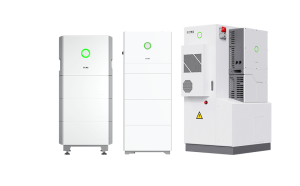
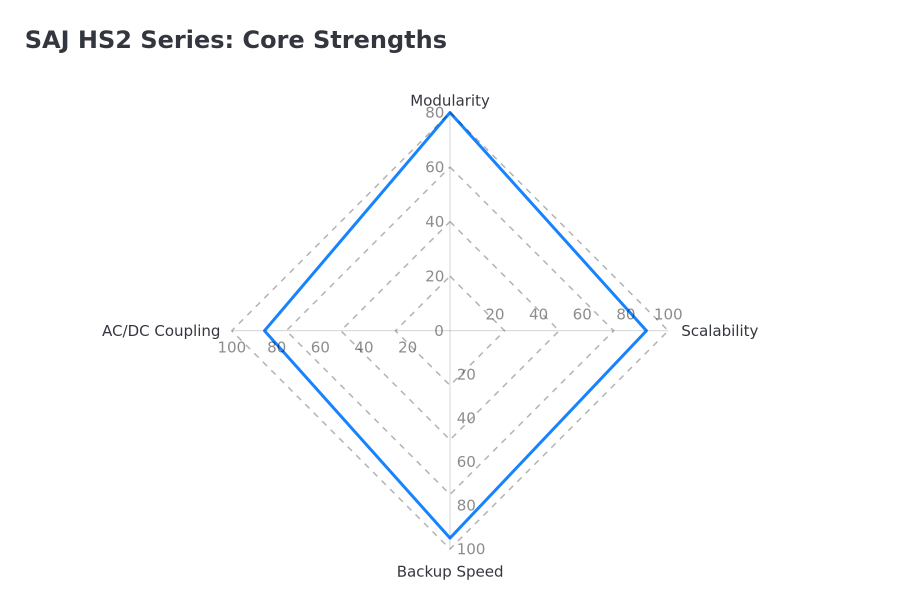
- Série HS2: Think of the HS2 as the versatile and modular foundation of SAJ’s residential offerings. It’s a reliable and scalable solution perfect for homeowners who need dependable backup power or want to add energy storage to an existing solar PV system. Its strength lies in its flexibility and straightforward design.
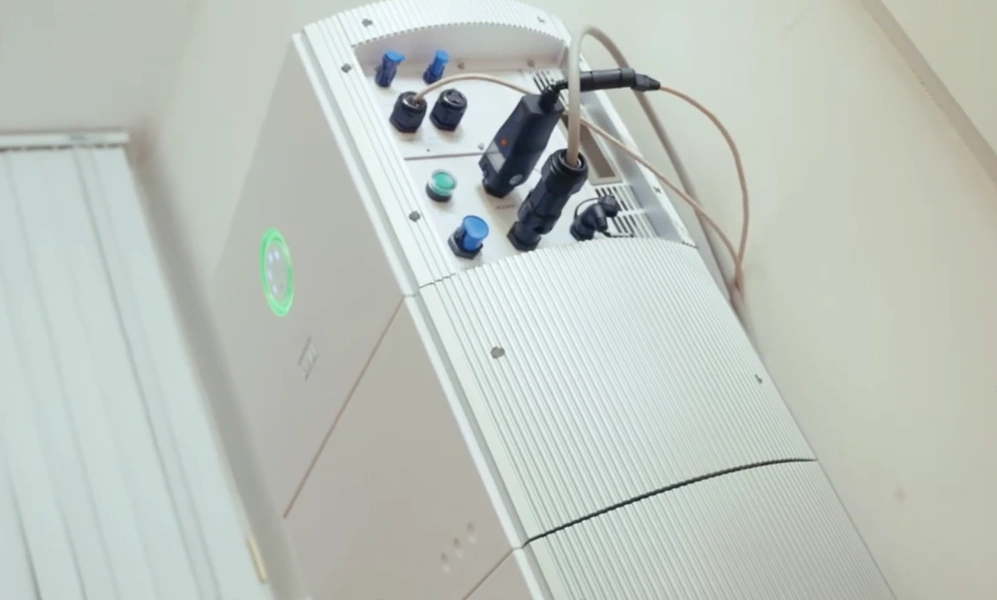
- Série HS3: The HS3 is the intelligent heart of a modern smart home. It’s a sophisticated 6-in-1 hub that integrates solar energy, battery storage, and even EV charging, all managed by an AI-powered energy management system. This series is for those who want to maximize their energy efficiency and build a truly connected home.
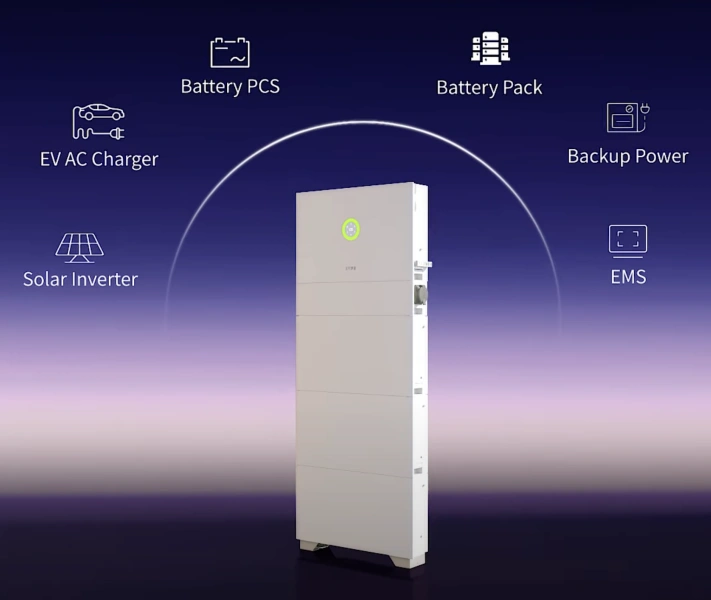
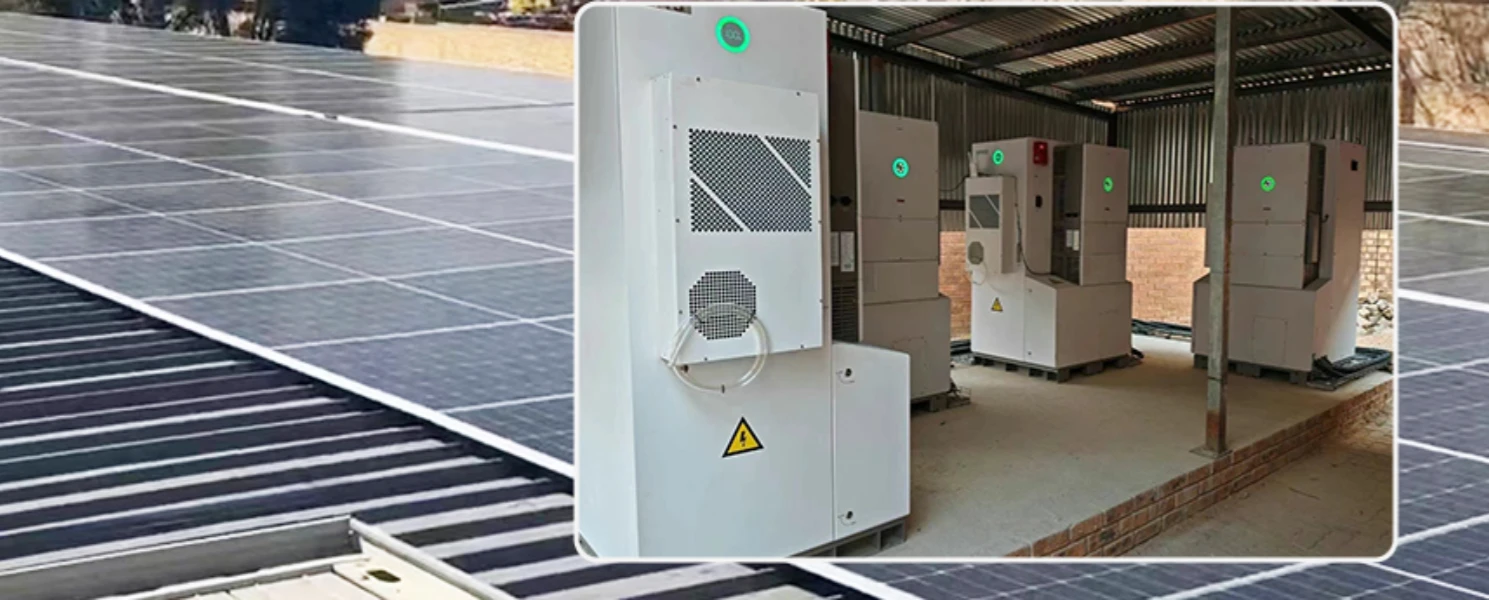
- Série CHS2: The CHS2 is the commercial powerhouse. This industrial-grade, all-in-one cabinet is engineered for business resilience, providing robust backup power and enabling advanced energy management strategies like peak shaving to reduce electricity costs for commercial and industrial clients.

Technology Foundation — One DNA, Three Product Lines
Even though the HS2, HS3, and CHS2 target different segments, each series is built on the same three pillars of SAJ engineering. Understanding those pillars will help you explain why any system you choose today will still make sense tomorrow.
1. Unified Battery Technology — Safer, Longer-Lasting Power
| Attribute | LiFePO₄ Advantage1 | What It Means for You |
|---|---|---|
| Stabilité thermique | No runaway at 600 °C | Peace of mind—safer indoors or garage. |
| Durée de vie | ≥ 6,000 cycles @ 80 % DoD | 15-year daily-cycle potential. |
| Garantie | 10 years, capacity ≥ 70 %* | Predictable long-term cash flow. |
*Whichever comes first: years ou throughput cap published in datasheet.
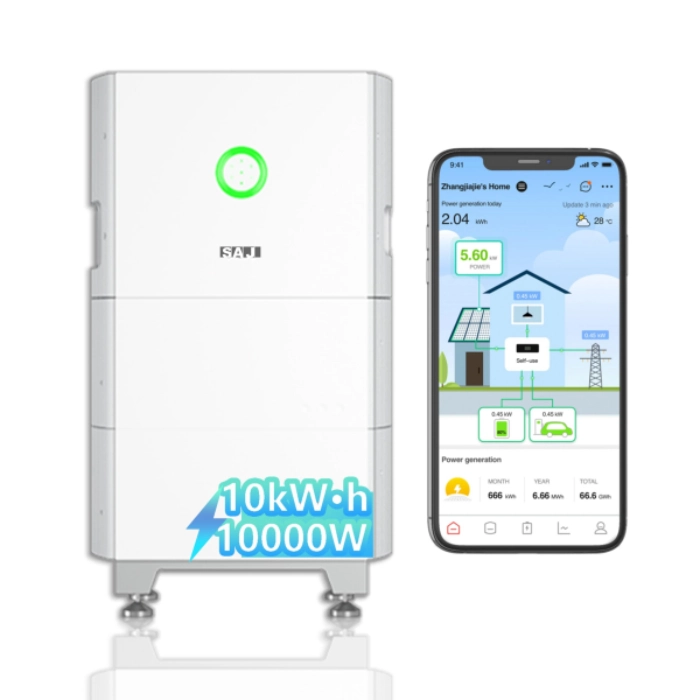
2. Elekeeper Cloud Platform — One Dashboard, Endless Features
Elekeeper isn’t just an app; it’s the central nervous system for every SAJ device.
| Fonctionnalité | Home User Benefit | C&I User Benefit |
|---|---|---|
| Real-time monitoring | Track self-consumption & grid import in watts. | Fleet view for multi-site portfolios. |
| AI energy scheduling | Lower TOU bills automatically. | Demand-charge shaving across sites. |
| OTA firmware updates | New features (e.g., EV-charger sync) overnight. | Remote bug fixes—no technician visit. |
| VPP / API hooks | Optional revenue in utility programs. | SCADA integration via SunSpec & MQTT. |
3. Modular Scalability — Grow as Your Needs Grow
| Series | Base Format | Expansion Method | Max Capacity* |
|---|---|---|---|
| HS2 | Floor-standing tower | Add vertical modules (slide-in, no tools). | 5 → 30 kWh |
| HS3 | Wall-mount pack | Daisy-chain packs with one cable. | 10 → 40 kWh |
| CHS2 | Cabinet | Parallel entire cabinets; auto-balancing bus. | 100 → 800 kWh |
*Per installation; multiple installs can be networked via Elekeeper.
Key design choices that keep scaling painless:
- Auto-addressing BMS — new module registers itself, no DIP switches.
- Field-swappable fuses — expansion doesn’t void warranty.
- Unified firmware — same app workflow for commissioning one pack or twenty.
En résumé : Whether you start small with a 5 kWh HS2 or deploy an 800 kWh CHS2 for a factory, the same battery chemistry, cloud intelligence, and plug-and-grow design ensure seamless upgrades and unified management throughout the product family.
Comprehensive Product Comparison
Now, let’s break down the key differences between the HS2, HS3, and CHS2 series across the metrics that matter most to installers and end-users.
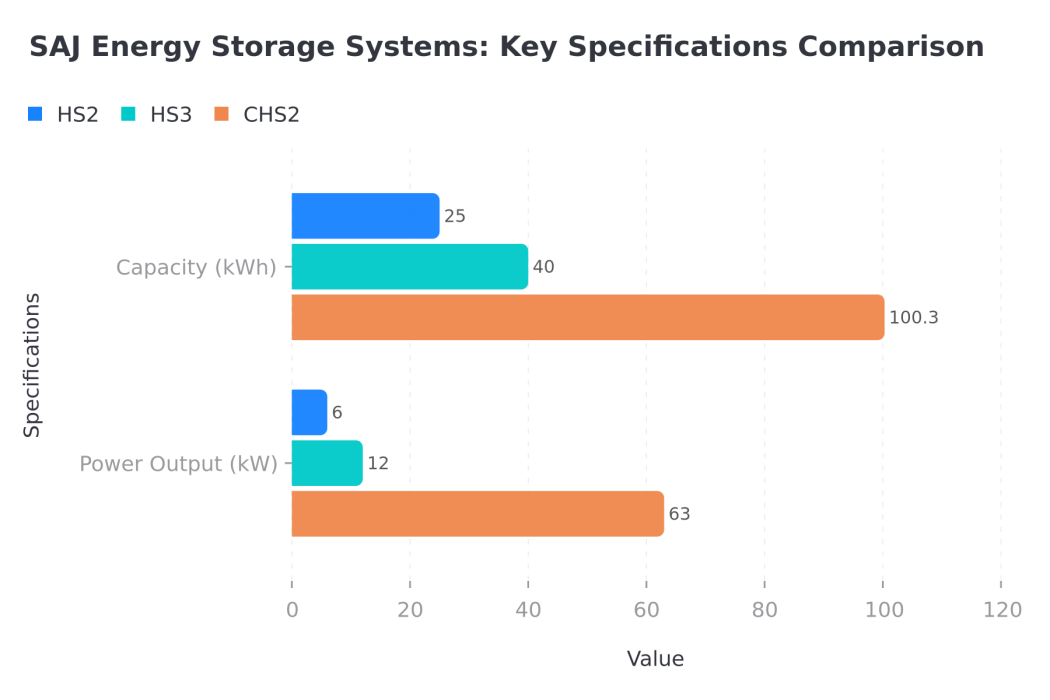
Technical Specifications Matrix
This chart provides a clear, at-a-glance comparison of the core technical specifications for each series.
Cost & Economics Analysis
*Note: The cost figures presented here are market estimates and may vary based on location, installer, and specif***ic project requirements. Contact a certified SAJ installer for a detailed quote.
| Cost Factor | SAJ HS2 | SAJ HS3 | SAJ CHS2 |
|---|---|---|---|
| Base Unit Price | $3,000-$8,000 | $4,500-$12,000 | $25,000-$65,000 |
| Per kWh Cost | $200-$400 | $200-$350 | $250-$450 |
| Installation | $500-$2,000 | $800-$3,000 | $5,000-$15,000 |
| Calendrier de retour sur investissement | 5-7 years | 4-6 years | 3-5 years |
| Maintenance/Year | $100-$200 | $150-$300 | $500-$1,500 |
Installation Complexity
The HS3 series features a ‘plug-in play’ design with a limited number of screws, which can significantly simplify and speed up the installation process.
| Installation Aspect | SAJ HS2 | SAJ HS3 | SAJ CHS2 |
|---|---|---|---|
| Installation Time | 4-8 hours | 6-12 hours | 2-4 days |
| Tools Required | Basic electrical | Certified installer | Professional team |
| Space Requirements | 2-4 ft² | 2-4 ft² | 8-20 ft² |
| Electrical Prep | Circuit breaker upgrade | Panel modifications | Dedicated feed |
| Certification Required | Electrical license | Solar installer cert | Commercial electrician |
Advanced Features Comparison
| Feature Category | SAJ HS2 | SAJ HS3 | SAJ CHS2 |
|---|---|---|---|
| Surveillance à distance | Basic app control | Full smart ecosystem | Professional dashboard |
| Grid Services | VPP Ready (FFR, Peak Shaving) | Advanced VPP with AI | Full Ancillary Services (Frequency Reserve) |
| Load Management | Manual shed 3-4 circuits | AI automatic balancing | Priority-based sequencing |
| EV Integration | Compatible with external chargers | Integrated 7kW/11kW EV charger | Compatible with commercial charging stations |
| Generator Support | Hybrid connection | Automatic switching | Dual-fuel integration |
Application Scenarios Deep Dive
To understand where each system truly shines, let’s explore some real-world scenarios.
Residential Backup Power — Matching ESS to User Profiles
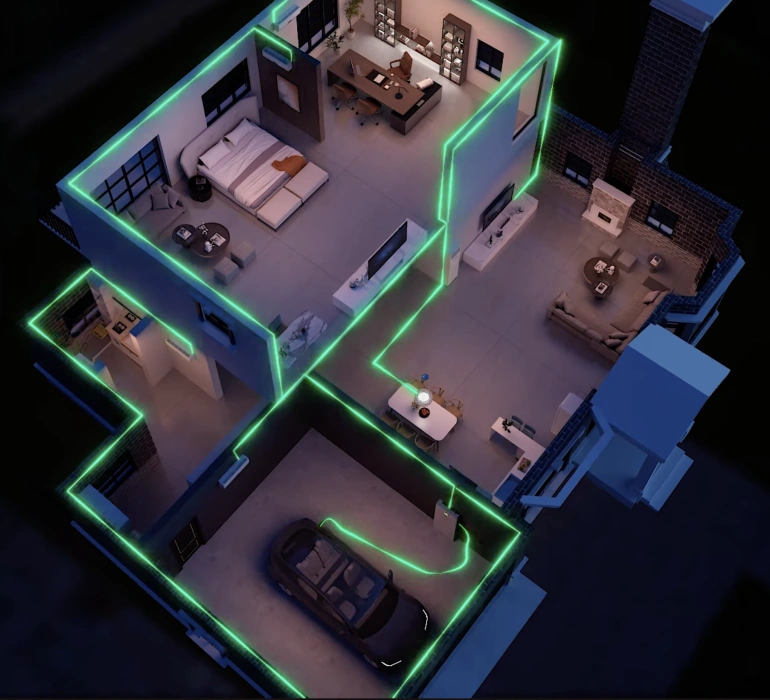
Profile 1 · High-Security Urban Home (outages < 5 min)
| Need | Pourquoi est-ce important ? | Best-Fit Features |
|---|---|---|
| Instant switch-over | Keeps alarms, CCTV, and work PCs online. | HS2 ≤ 10 ms relay; HS3 built-in UPS. |
| Quiet & compact | Apartment basements or utility closets. | HS3 fan-less design; HS2 slim tower modules. |
| Scalable power | HVAC + fridge + multiple PCs may hit 8 kW peak. | Add HS2 modules to 10 kW / 20 kWh; HS3 stack to 15 kWh. |
| Premium monitoring | High-net-worth owners expect phone alerts. | Elekeeper push notifications + per-circuit metering. |
Typical protected loads
- Central HVAC blower (1.5 kW)
- Refrigerator (0.2 kW)
- Security system + cameras (0.1 kW)
- 2–3 desktops + networking (0.6 kW)
Recommended ESS sizing
10 kWh battery · 8 kW inverter keeps critical loads running 8–10 h without PV; unlimited with rooftop solar.
Profile 2 · Weekend Vacation Home (outages 5–10 h, sometimes days)
| Need | Pourquoi est-ce important ? | Best-Fit Features |
|---|---|---|
| Solar + battery synergy | Cabin often empty; PV tops battery all week. | HS2 AC-couples to existing string inverter. |
| Surveillance à distance | Check SOC before the drive up. | Elekeeper app + LTE dongle. |
| Weather resilience | Storms cause extended outages. | HS3 weather-predictive AI “vacation mode.” |
| Generator interface | Deep-woods sites may need fallback. | CHS2 ATS input handles 5–15 kW genset. |
Typical protected loads
- Well pump (0.8 kW starting 2 kW)
- Septic aerator (0.1 kW)
- Wi-Fi / cameras (0.05 kW)
- LED interior / exterior lights (0.2 kW)
- Occasional space-heater (1 kW)
Recommended ESS sizing
15 kWh battery · 5 kW inverter powers essentials 24 h; add 3 kW portable generator input for overcast weeks.

Decision Quick-Guide
| Scénario | Go HS2 | Go HS3 | Consider CHS2 |
|---|---|---|---|
| Need instant switch + high peak power | ✅ | ✅ | — |
| Noise-sensitive interior install | — | ✅ | — |
| Remote location, generator tie-in | — | — | ✅ |
| Budget-focused, expandable tower | ✅ | — | — |
| Premium app & AI scheduling | ⚬ | ✅ | ⚬ |
✅ best; ⚬ acceptable; — not recommended.
Choose the model that meets today’s loads et offers modular expansion for tomorrow’s lifestyle upgrades.
Commercial Applications — Matching ESS to Business-Continuity Goals
Context: Downtime and demand charges drain profits. Pairing the right SAJ ESS with each business model locks in stable power et predictable operating costs.
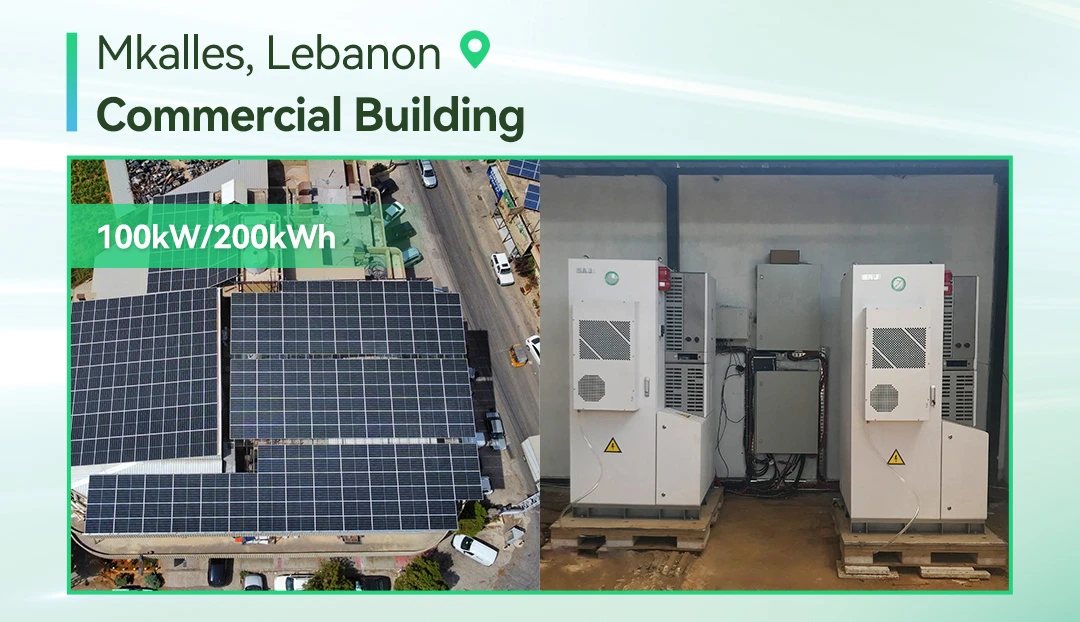
1 · Retail Store Operations (Demand-Charge & Voltage Stability)
| Criteria | Best-Fit Option | Pourquoi ? |
|---|---|---|
| Small convenience / boutique ( < 50 kW peak ) | HS2 – 10 kW / 20 kWh | 20–25 % ROI when demand fees > \$30 kW-mo. |
| Smart grocery / EV-enabled forecourt | HS3 – 30 kW / 40 kWh | AI shifts EV-charger draw away from 4-to-7 p.m. peak. |
| Supermarket / retail plaza | CHS2 – 100 kW / 200 kWh | Clips spikes from multiple HVAC racks; 20–30 % bill savings. |
Operational Wins
- Shaves 15-min demand spikes → stops the ratchet that locks charges for 12 months.
- Acts as on-site voltage regulator → fewer POS reboots, less transformer wear.
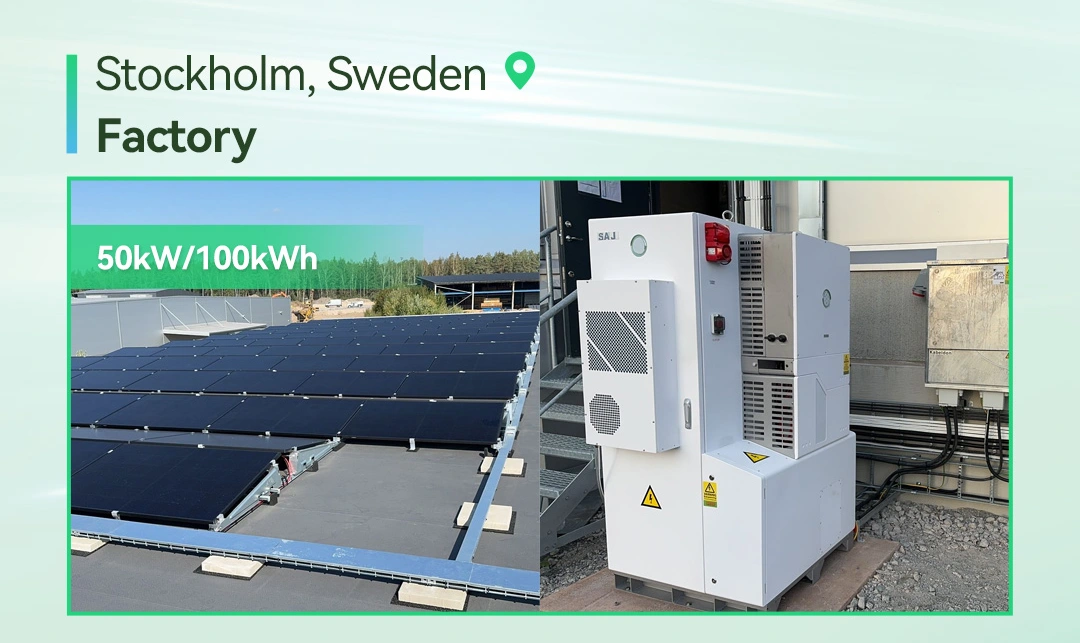
2 · Manufacturing Facility (Process Continuity & Power Quality)
| Plant Size | Suggested System | Coverage Objective |
|---|---|---|
| CNC / woodworking shop (30 kW peak) | HS2 – 15 kW / 30 kWh | Ride-through < 1 min lags; protect PLCs. |
| Robotics cell, laser cutters (60 kW peak) | HS3 – 50 kW / 80 kWh | Seamless 0 ms transfer keeps servo references alive. |
| Food, plastics, or pharma line (150 kW+) | CHS2 – 250 kW / 500 kWh | 5-min autonomy for orderly shutdown or genset spin-up. |
Additional Features
- Generator handshake: CHS2 accepts 480 V backup genset for extended outages.
- Battery-health analytics: Elekeeper flags cycle count vs. throughput to schedule replacements before failures.
3 · Solar-Optimized Commercial Sites (Max Self-Consumption & VPP Revenue)
| Retrofit Scenario | ESS Match | Solar Utilisation Gain |
|---|---|---|
| 100 kW legacy PV, no export tariff | HS2 – 30 kWh AC-coupled | Raises self-use from 40 → 70 %. |
| Smart-building BMS, mixed loads | HS3 – 60 kWh DC-coupled | AI shifts HVAC & EV to solar hours → 80 % self-use. |
| 500 kW rooftop, aiming 200 % DC/AC | CHS2 – 300 kWh DC bus | Stores mid-day surplus; > 85 % solar utilisation + VPP income. |
Operational Upside
- Cuts midday curtailment, captures feed-in tariffs when prices spike.
- Eligible for utility VPP calls; earns \$60–\$120 kW-yr capacity payments in some markets.
Decision Matrix
| Priority | Pick HS2 | Pick HS3 | Pick CHS2 |
|---|---|---|---|
| Fast ROI on demand fees (< 50 kW site) | ✅ | ⚬ | — |
| EV-charger load shifting & AI control | ⚬ | ✅ | ⚬ |
| > 100 kW peak or generator integration | — | ⚬ | ✅ |
| Highest solar self-consumption goal | ⚬ | ✅ | ✅ |
✅ Ideal ⚬ Suitable — Not recommended
Selecting the right series aligns capital outlay with measurable business KPIs: lower demand charges, zero unplanned downtime, and higher onsite solar utilisation.
Emerging Scenarios — Preparing for a Smart-Energy Future
1 · EV-Heavy Household (Vehicle-to-Home & Vehicle-to-Grid)
| Facteur | HS2 | HS3 | CHS2 |
|---|---|---|---|
| Bidirectional Hardware2 | Works with an external V2H charger; 7 kW in/out. | Built-in 11 kW V2H / V2G port plus cable lock. | Scales to 50 kW depot chargers for small fleets. |
| Energy Scheduling | Manual timers or utility-rate table. | AI selects cheapest charge windows, discharges to house at peak. | Fleet dashboard coordinates 5-20 vehicles simultaneously. |
| Backup Power | EV battery adds 40–80 kWh reserve via HS2 gateway. | Auto-detects EV SOC; keeps 20 % reserve for mobility. | Allocates reserve per vehicle and site backup rules. |
| Future Upside | Night-time grid support, modest feed-in revenue. | Dynamic V2G contracts; earns \$250–\$600 / yr. | Demand-charge shaving and capacity payments. |
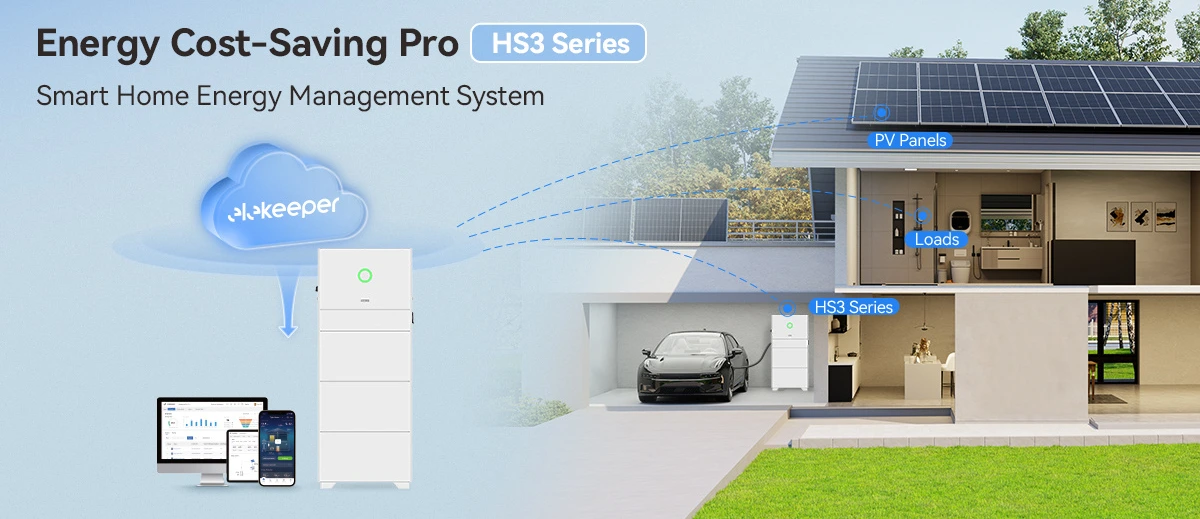
Sizing Tip
Each 60 kWh EV battery can run a 5 kW essential load for ~10 hours; factor travel reserve when designing V2H schedules.
2 · Grid-Services Participation (Virtual Power Plant Ready)
| Requirement | HS2 (“Starter”) | HS3 (“Smart Home”) | CHS2 (“C&I Plant”) |
|---|---|---|---|
| Comms Protocols | SunSpec Modbus; utility ripple-control. | SunSpec + IEEE 2030.5 / OpenADR built-in. | Same as HS3 plus SCADA via Modbus-TCP / IEC-104. |
| Temps de réponse | 1 s active-power curtailment. | Sub-500 ms freq-response; AI day-ahead bids. | Sub-200 ms; meets FFR / PJM Reg-D specs. |
| Revenue Potential | \$50–\$150 / yr (neighborhood DR). | \$200–\$600 / yr (dynamic VPP, capacity + energy). | \$5k–\$20k / yr per 250 kW (regulation + peak-shave). |
| Data Security | Encrypted MQTT over LTE/Wi-Fi. | Dual-band Wi-Fi + Ethernet + TLS 1.3. | Redundant VPN, role-based access. |
Decision Quick-Reference
| Scénario | Choose HS2 if… | Choose HS3 if… | Choose CHS2 if… |
|---|---|---|---|
| Single EV owner | You already own an external bidirectional charger. | You want an integrated charger + AI bill optimiser. | — |
| Multiple EVs / fleet vans | — | Two or three household EVs need shared scheduling. | Site must manage 5–20 vehicles and demand fees. |
| Basic demand-response program | Utility offers flat \$/kW credits. | You plan to bid into hourly VPP markets. | Plant qualifies for frequency-reg or capacity markets. |
Future-proof insight: All SAJ models receive over-the-air firmware that unlocks new grid-service APIs as markets mature, so today’s hardware remains revenue-capable tomorrow.
Decision Framework — Looking Beyond the Hardware
A storage purchase succeeds only when the chosen unit fits project timing, budget realities, site constraints, and long-range energy goals. Use the matrix below to test each variable before signing a PO.
1 · Project Constraints
| Constraint | Fast Track (< 3 mo) |
Balanced (3–6 mo) |
Long Horizon (> 6 mo) |
Remarques |
|---|---|---|---|---|
| Schedule | HS2 → quickest permitting & commissioning | HS3 → added features, still inside half-year window | CHS2 → time to build C&I business case | Temp emergency installs usually default to HS2. |
| Cap-Ex Flex | Tight budget → HS2 (best \$ / kWh) | Mid-range budget → HS3 (feature-rich) | Cap-ex OK when ROI > 8 yr → CHS2 | Factor O&M contract on CHS2. |
| Space / Weight | Evenly spread tower modules | Wall-mount pack frees floor space | Dedicated switch-gear room needed | Verify roof load for HS3; floor slab for CHS2. |
| Electrical Service | Fits existing panel | 1 × new breaker | Separate switchboard + service upgrade | Check feeder size & utility CT limits. |
2 · Energy-Strategy Fit
| Objective | Best Match | Pourquoi ? |
|---|---|---|
| Backup First | HS2 — plug-and-play islanding | Minimal setup, fast ROI on resilience. |
| Bill Cutting | HS3 — AI tariff arbitrage | Predicts load + weather, auto-optimises TOU spread. |
| Mission-Critical Uptime | CHS2 — industrial-grade redundancy | Parallel cabinets, generator handshake, SCADA hooks. |
3 · Smart-Feature Priority
| Feature Set | HS2 | HS3 | CHS2 |
|---|---|---|---|
| Automation / Schedules | Basic TOU timers | Full AI optimisation | Custom logic via Modbus-TCP |
| Dashboard Depth | Home app | Enhanced analytics | Pro BI panels + API |
| Ecosystem Tie-ins | Modbus AC-couple | Smart-home platforms | Building-management / VPP gateway |
4 · Scalability & Future-Proofing
| Growth Scenario | Recommended Path |
|---|---|
| Gradual load increase | Stack HS2 modules as needed. |
| Smart-home upgrades | HS3 OTA updates for V2H, dynamic VPP. |
| Commercial expansion | Add CHS2 cabinets or parallel sites under one Elekeeper fleet view. |
En résumé : Run each project through timeline, budget, site, and strategy filters above. The resulting intersection will point clearly to HS2, HS3, or CHS2—and keep surprises off the punch-list.
Conclusion – Choosing Your SAJ Energy Storage Solution
The choice between the SAJ HS2, HS3, and CHS2 series ultimately comes down to a careful evaluation of your specific needs. There is no single "best" solution, only the best fit for your application.
Three Systems, One Ecosystem Vision
- Unified Management: Elekeeper platform connects all series seamlessly
- Scalable Architecture: Evolutionary path from residential to commercial
- Global Support Network: SAJ’s worldwide installation and service partners
- Innovation Continuity: Ongoing technology advances across entire portfolio
Making the Right Choice for Your Energy Future
- Needs-Driven Selection: Start with your specific energy challenges, not product specifications
- Professional Consultation: Work with SAJ certified partners for customized evaluation
- Future-Proofing: Consider emerging trends like EV charging and grid services
- Sustainable Investment: Beyond immediate needs, invest in your energy independence
Beyond Energy Storage – Towards Sustainable Energy Independence
- Smart Energy Ecosystem: SAJ systems as intelligent energy management centers
- Grid Modernization Partner: Active participant in distributed energy future
- Economic Benefits: Direct cost savings through advanced load management
- Environmental Leadership: Supporting transition to clean energy infrastructure