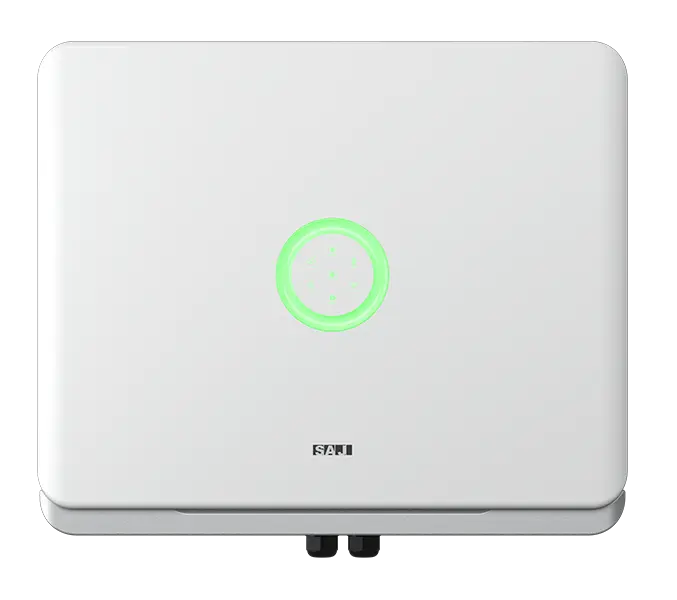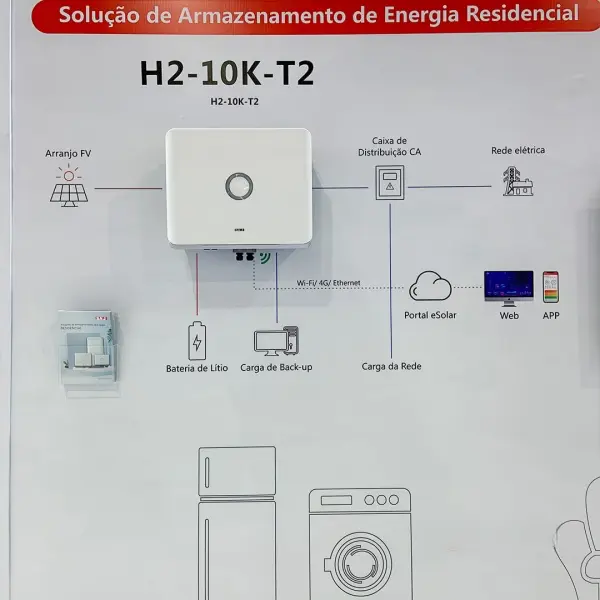

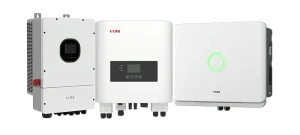
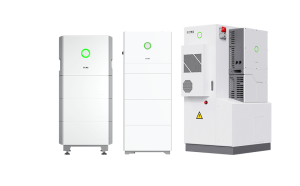
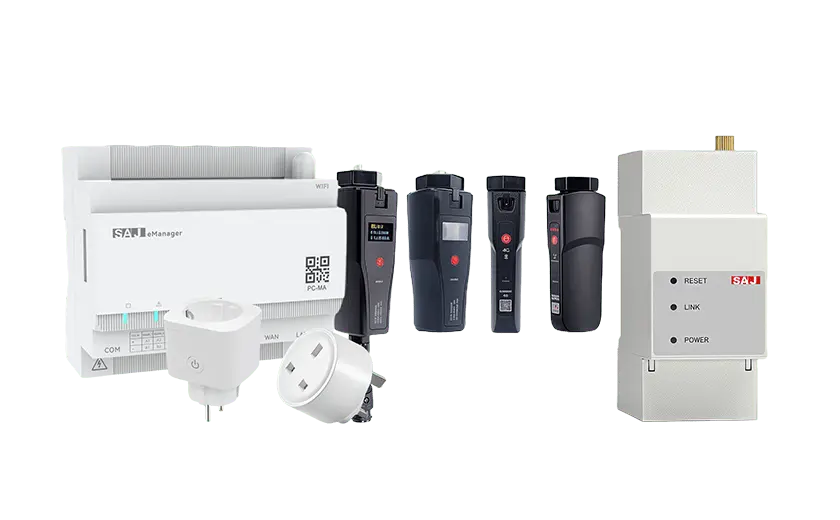
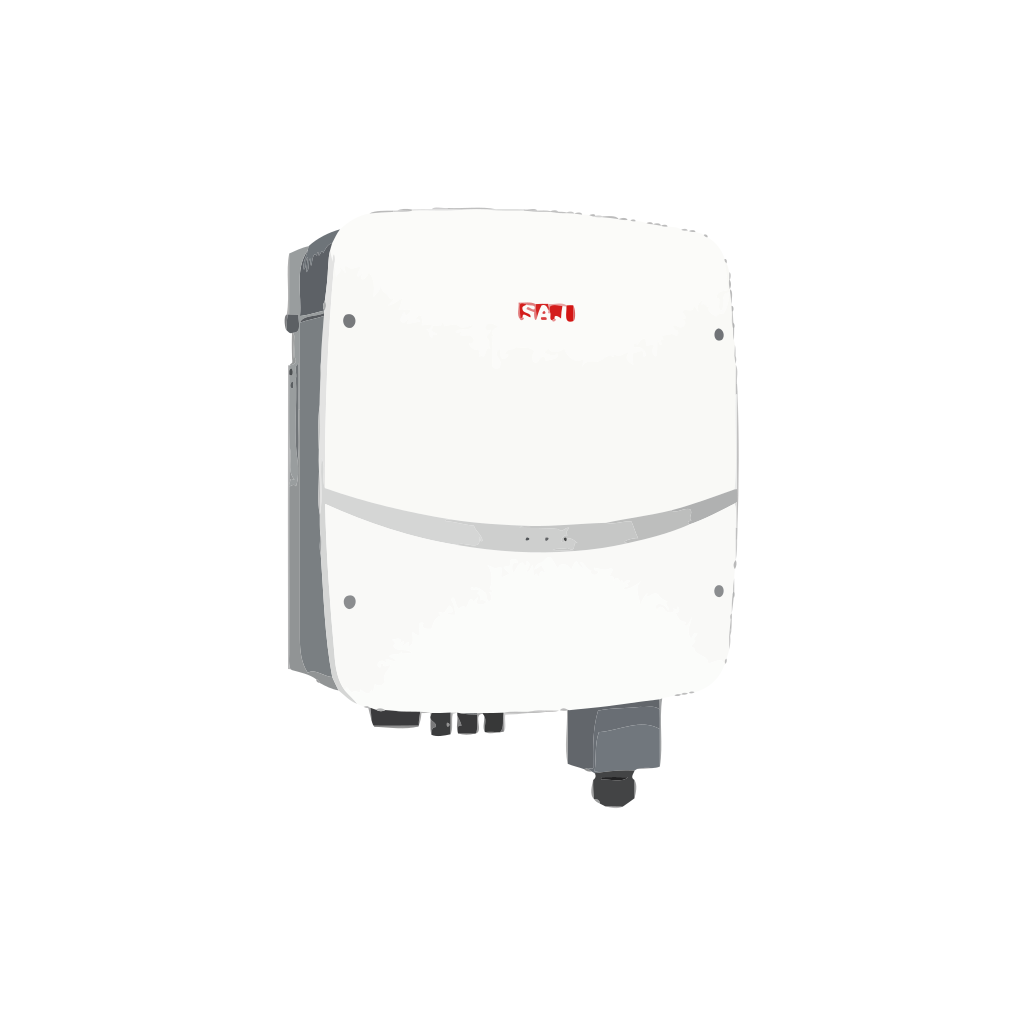
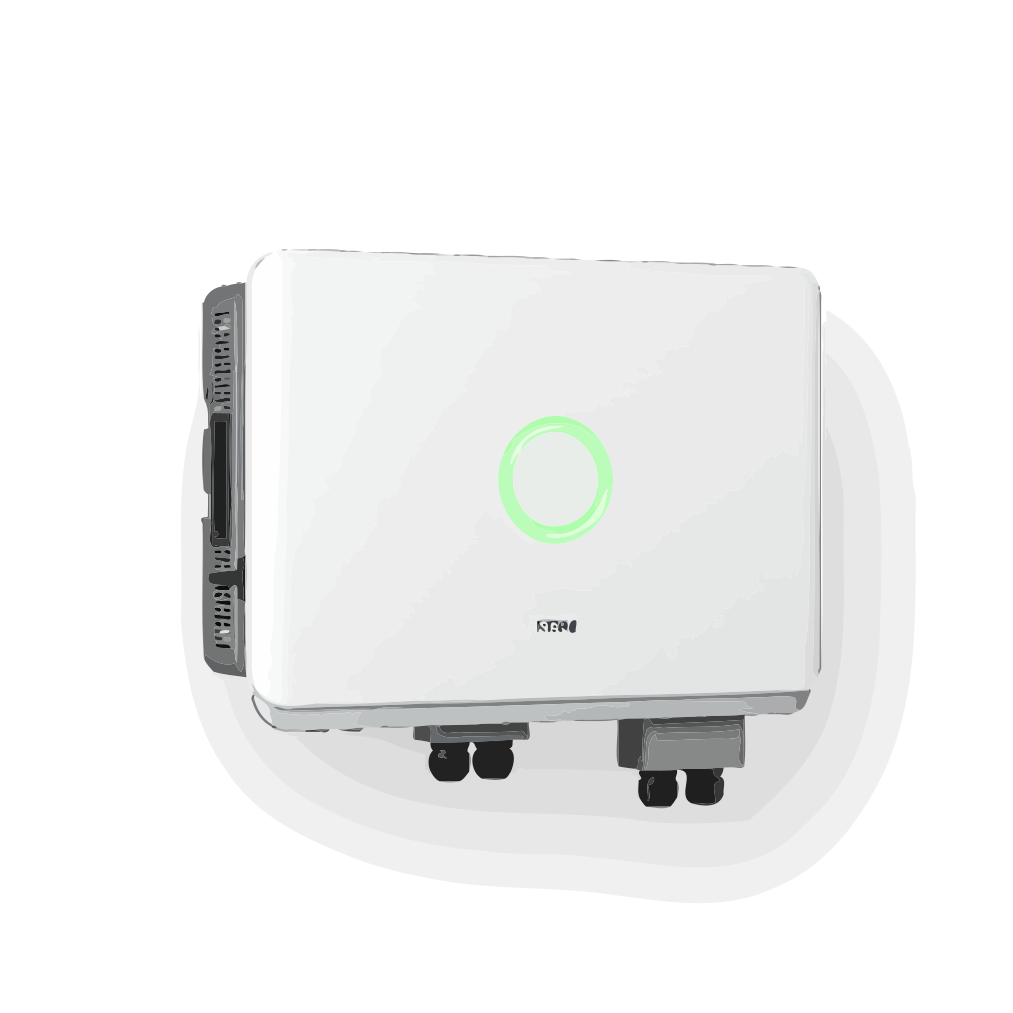
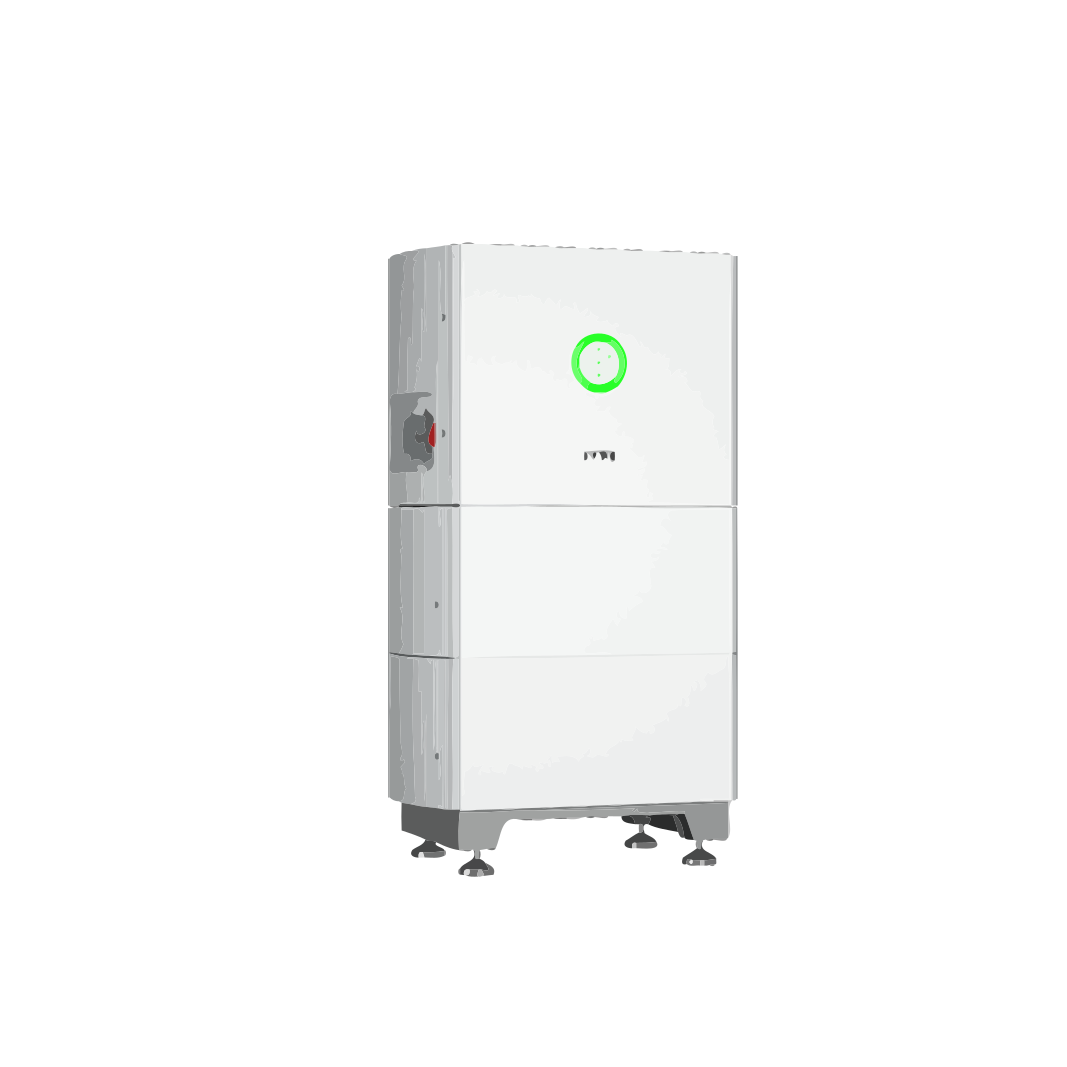
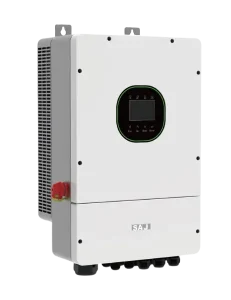
Onduleur hybride triphasé H2-5k~10k
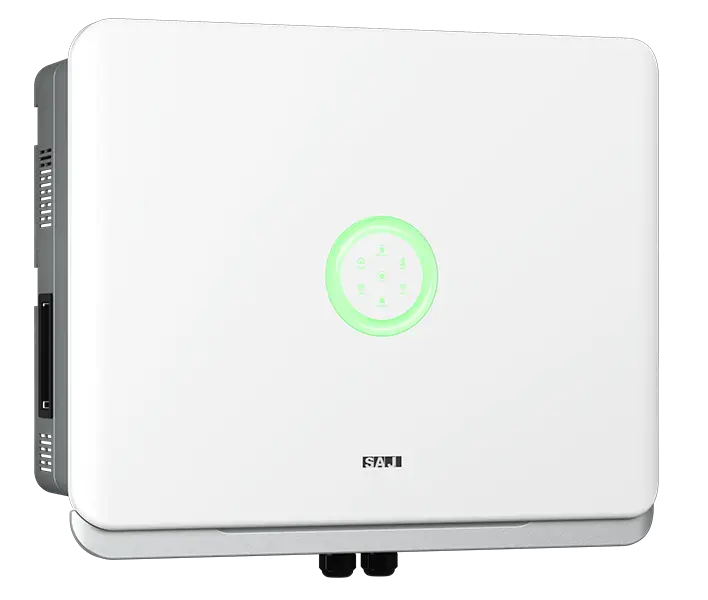
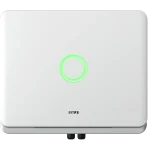

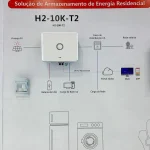

Technical Specifications at a Glance
| AC Power | 5kW - 10kW |
|---|---|
| Inverter Type | Onduleur hybride |
| MPP Voltage Range | 180 – 900 Volt |
| MPP Tracker | 2 |
| Phases | 3 |
| Communication | CAN, RS485, RS232, Wi-Fi, Ethernet, 4G (optional) |
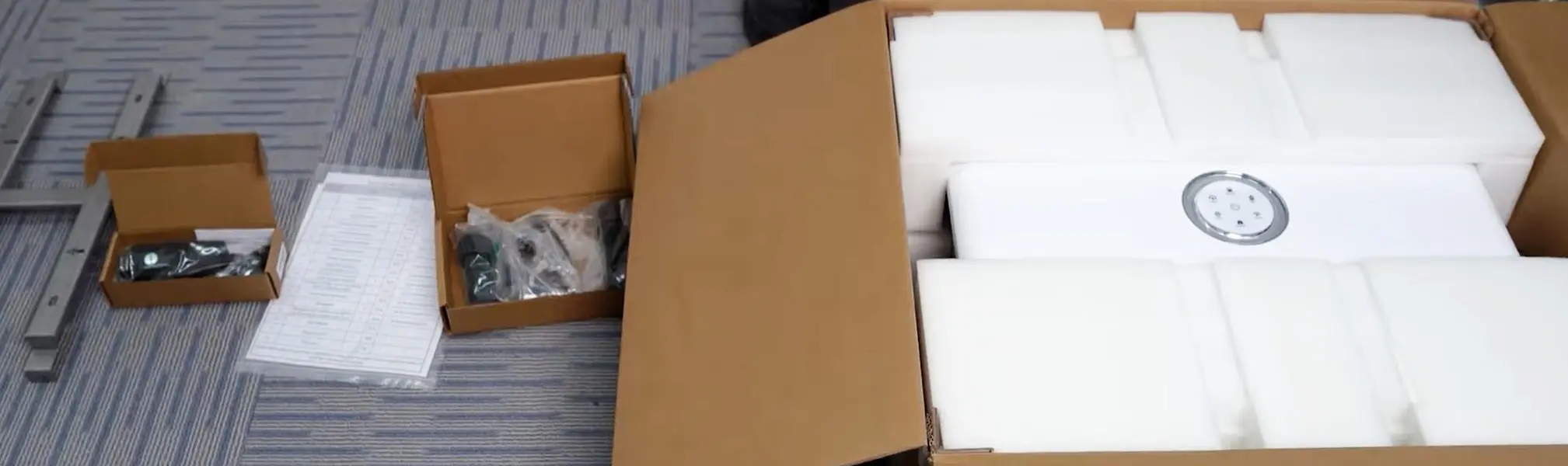
| Pieces per Package | 1 per carton, 12 per pallet |
| Garantie | 5 years (extendable up to 20 years) |
Where This Model Fits Best
Use these scenarios to decide whether this model belongs on the shortlist before quote approval.
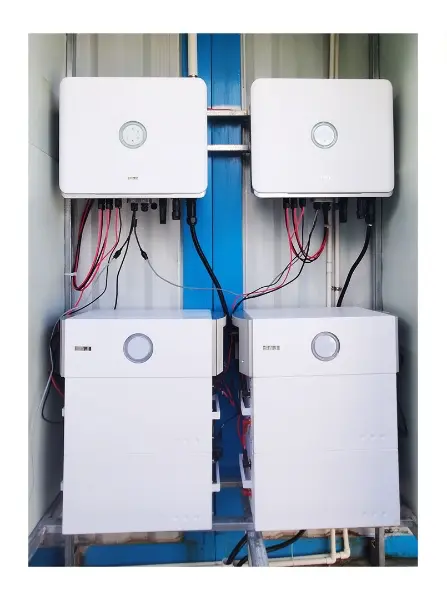
Small Commercial Rooftop (Clinic / Store / Workshop)
Who it’s for: Small clinics, retail stores, and light workshops needing 3-phase power, backup for POS/IT, and bill savings via TOU.
| Component | Recommended | Why |
|---|---|---|
| PV array | 6–10 kW (2 MPPT, split E/W or S) | Smooths peaks, better yield on mixed roofs |
| Battery (HV) | 10–15 kWh, CAN/RS485 BMS | Covers evening peak + short outages |
| Backup bus | POS, lighting, router, CCTV | Avoid high inrush devices on backup |
3-phase balance checklist:
- Distribute single-phase loads across L1/L2/L3 to reduce imbalance
- Keep backup branch light and stable (IT + lights first)
- Verify CT orientation before enabling zero-export
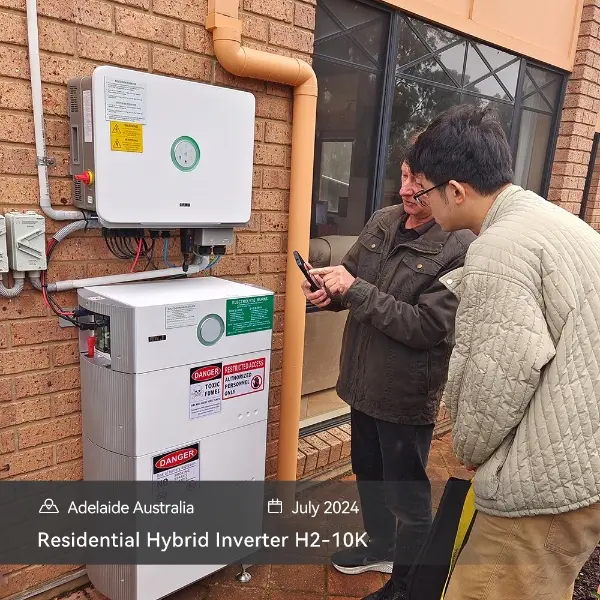
Suburban Villa with Heat Pump / Pool Pump (3-Phase Loads)
Who it’s for: Homes with 3-phase appliances (heat pump, pool pump, large induction cooktop) that want comfort + lower bills.
Suggested setup:
- PV 7–10 kW across 2 MPPT (keep string Isc ≤ inverter limit)
- Battery 10–15 kWh; reserve SOC 25–30% for outage buffer
- Zero-export ON if your HOA/utility forbids feed-in
Simple TOU plan (code style):
Charge (off-peak): 00:00–05:00
Discharge (peak): 18:00–22:00
Reserve SOC: 25%
Zero-export: 08:00–18:00 (if required)
Installer notes:
- Place EV charger and heat pump on non-backup side to avoid inrush during transfer
- Balance single-phase sub-circuits across L1/L2/L3
- Save screenshots of final parameters for utility file
Rural Farm: Cold Room + Water Pump + Night Lighting
Who it’s for: Farms with 3-phase pump during the day and cold room/light loads at night, where outages or voltage dips happen.
| Time | Energy flow | Note |
|---|---|---|
| Day (sunny) | PV → Pump + surplus → Battery | Pump on non-backup side; monitor inrush |
| Evening | Battery → Cold room + lights | Quiet hybrid, no genset noise |
| Outage | UPS ≤10 ms keeps lighting/IT stable | Avoid starting pump during transfer |
Wiring quick path:
- CT on main incomer (arrow → grid) for export control
- Cold room and lights on backup; pump on grid/non-backup
- Set TOU to recharge off-peak if night cooling is heavy

What Buyers Get Before Quote Approval
From requirement check to document pack and quotation, Sunriver keeps the process clear for distributor and project teams.
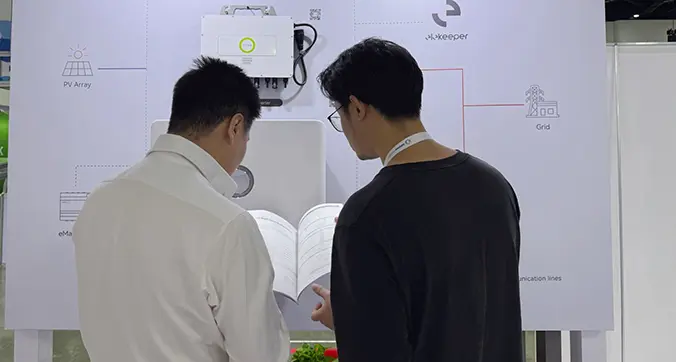
Talk & Plan
We listen to your needs and create a plan that works for you. Our team will help you understand all your options.

Quote & Agree
You get a clear price with no hidden costs. Once you're happy with everything, we sign the agreement and start working.
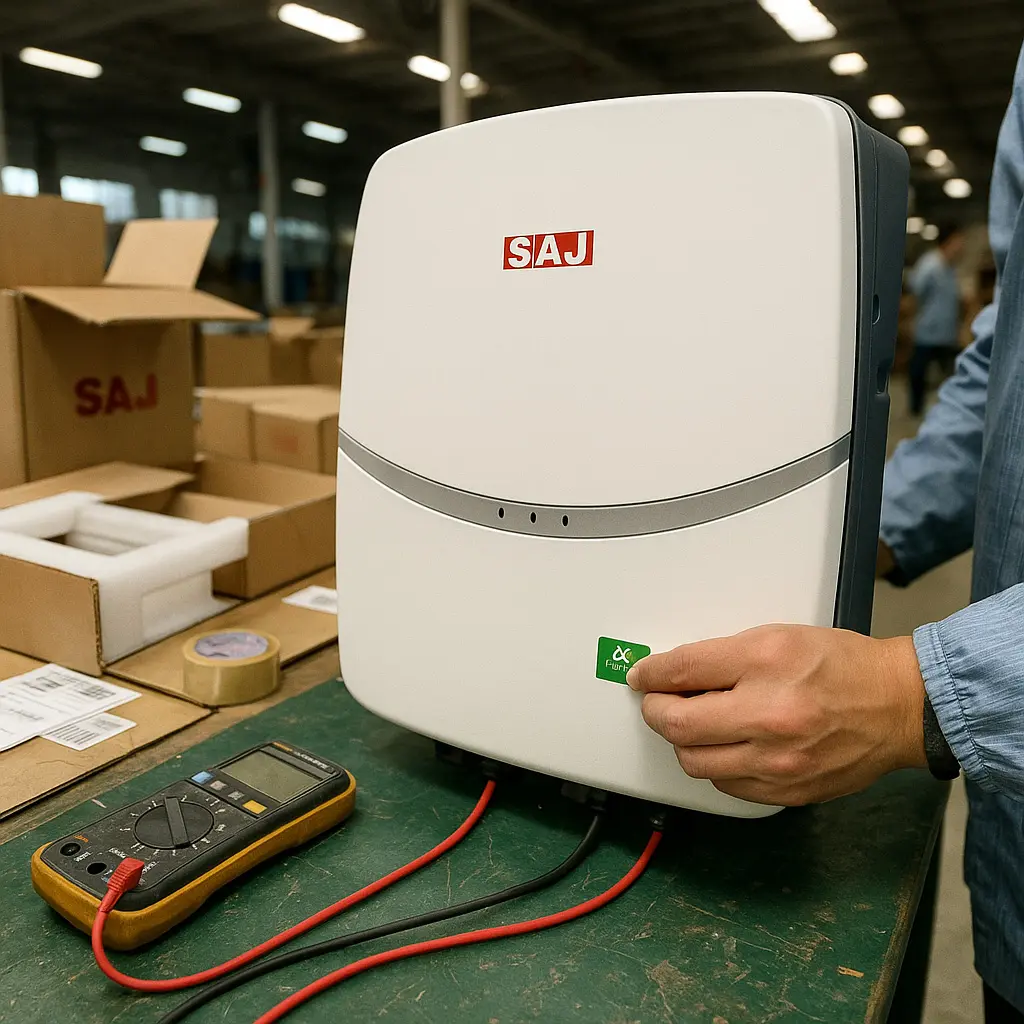
Make & Check
We carefully make your order and check everything meets our high standards. You'll know exactly how things are going.
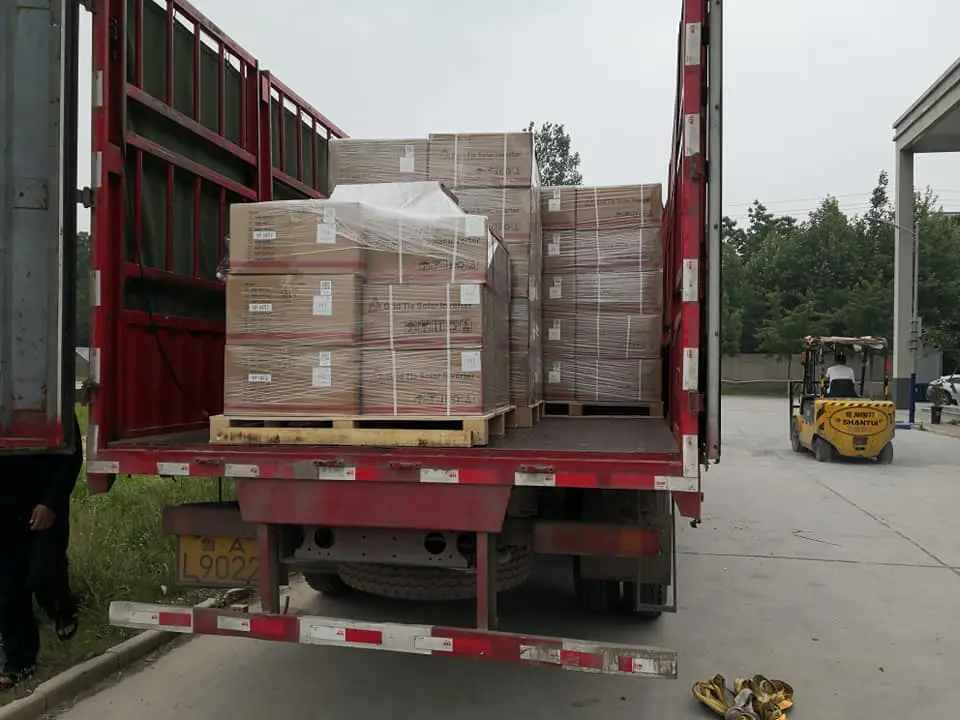
Ship & Support
Your order ships safely to you on time. We're always here to help if you need anything after delivery.
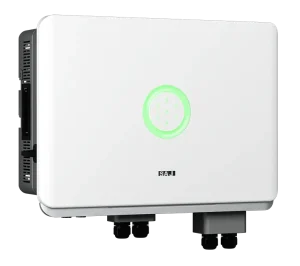
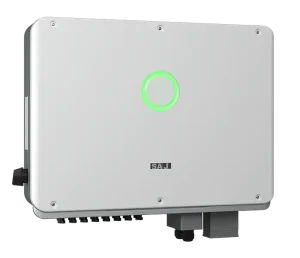
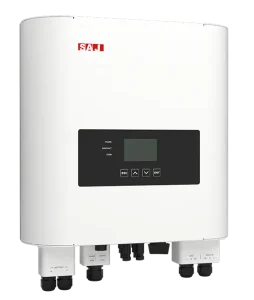
Compare Nearby Models
Review adjacent models before you finalize the shortlist.
Need Pricing, Documents, or Model Matching?
Tell us what you need—from pricing and availability to technical specs or project planning. Our product team will respond within 24 hours.
- Request pricing, lead time, and carton or pallet guidance
- Get engineering support and compatibility checks
- Receive datasheets, manuals, and project-reference material
Merci ! Nous avons bien reçu votre demande.
Our product specialists will reach out within 24 hours. A detailed Thank You page has opened in a new tab.
 English
  Deutsch (Österreich)
  Français
  Español
  Português