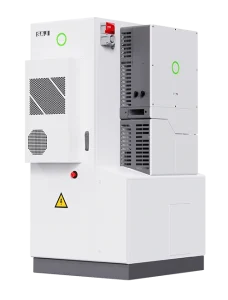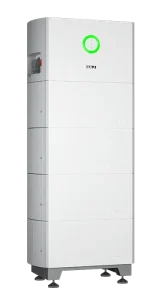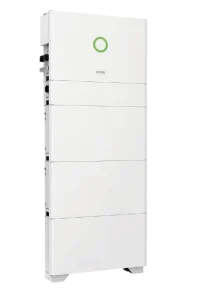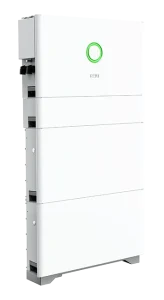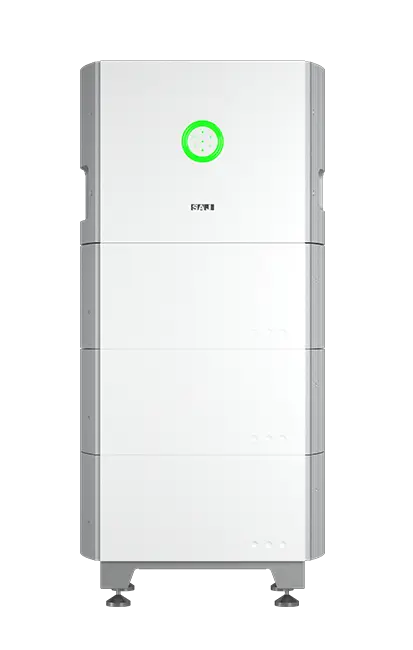

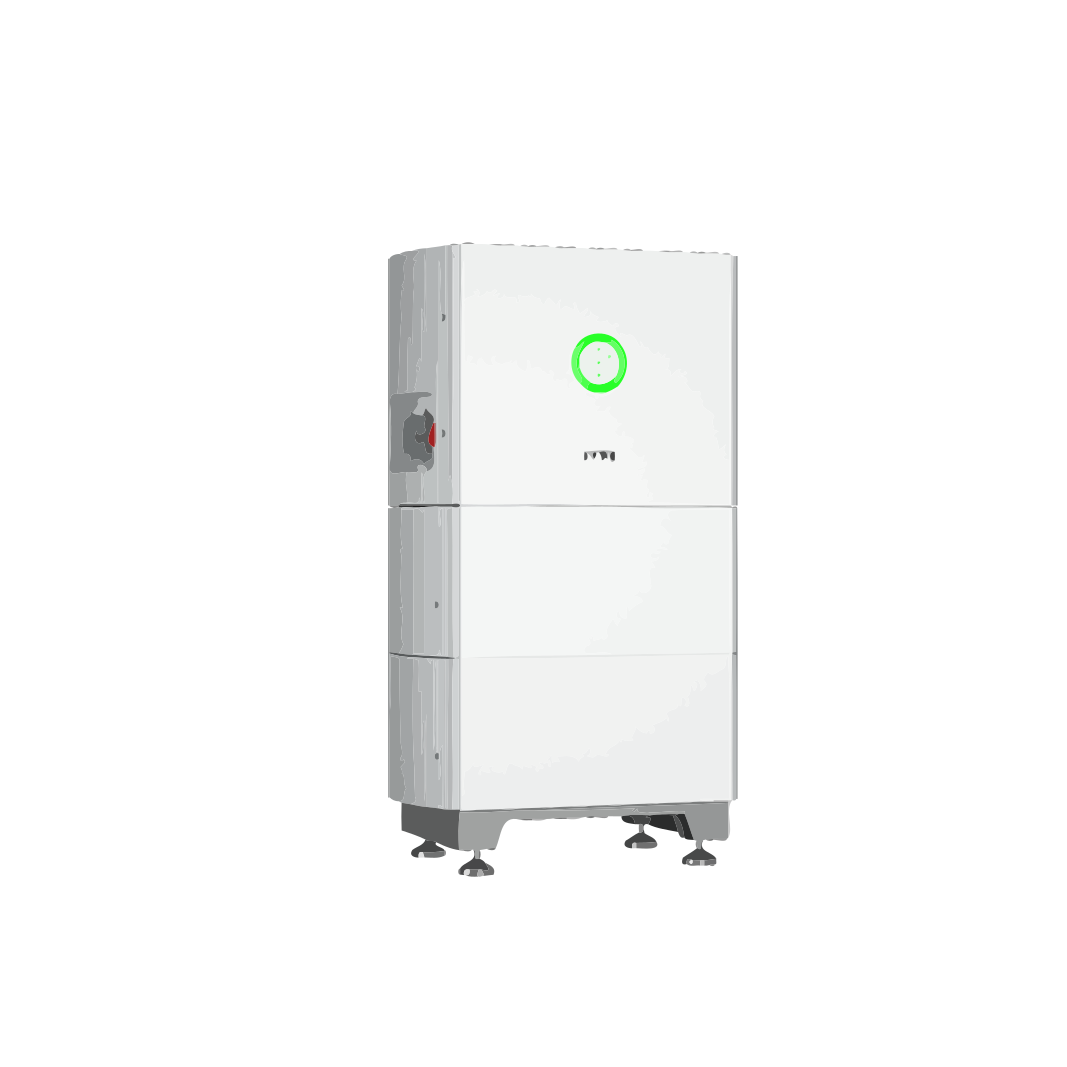
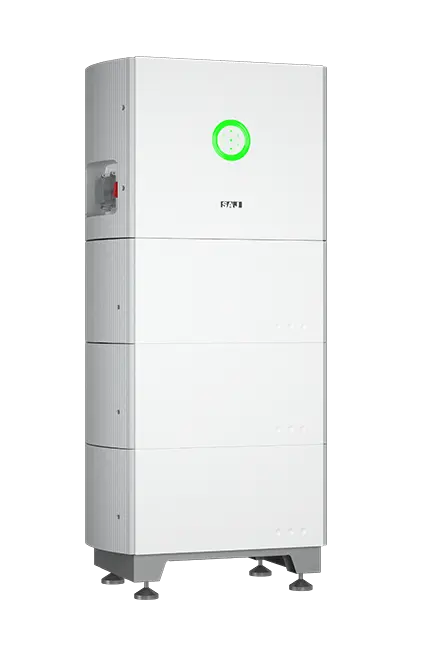
HS2-5k~10k Dreiphasiges All-in-One-Energiespeichersystem
Technical Specifications
| AC Power | 5kW - 10kW |
|---|---|
| Inverter Type | All-in-one hybrid energy storage system |
| MPP Voltage Range | 180 – 900 Volt |
| MPP Tracker | 2 |
| Phases | 3 |
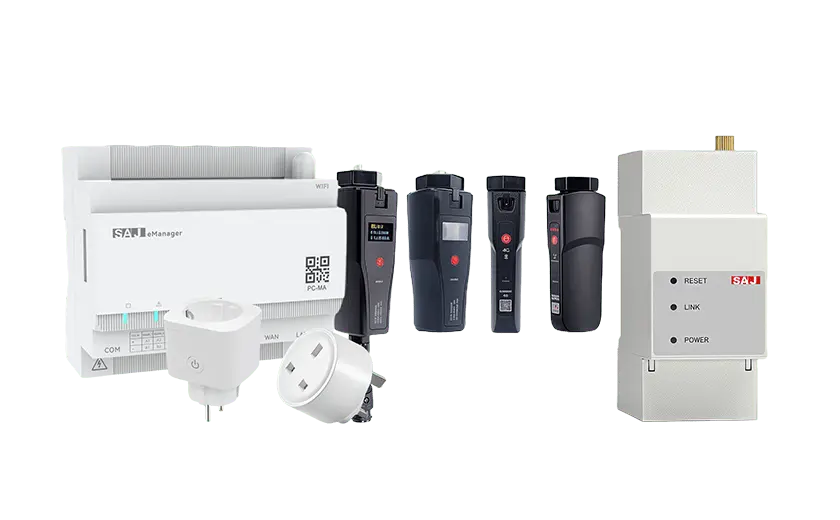
| Communication | CAN, RS485, Wi-Fi, Ethernet, 4G, DRM, Bluetooth |
| Pieces per Package | 1 per carton, 6 per pallet |
| Warranty | 10 years |
Product Description
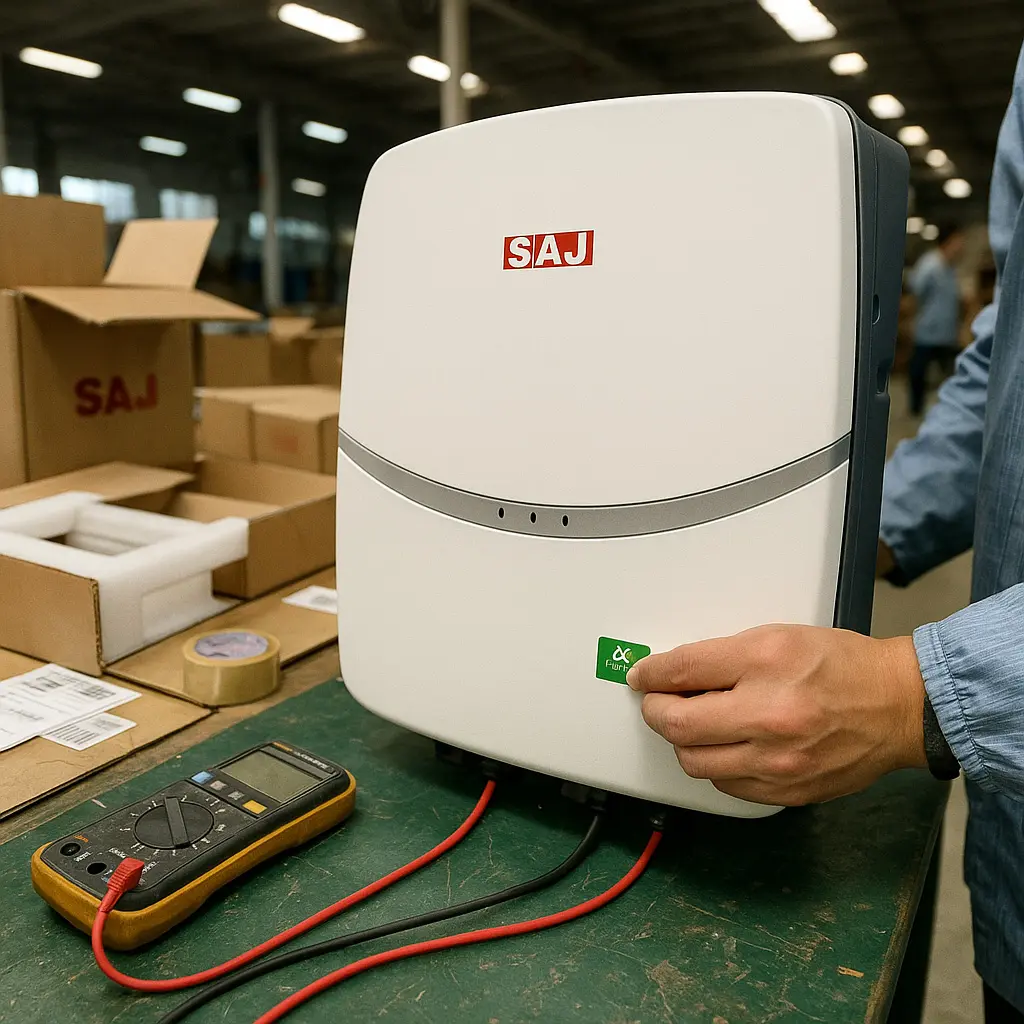
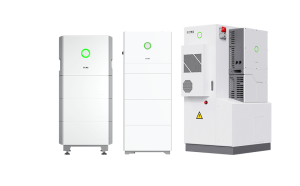
SAJ HS2 5 – 10 kW Three-Phase All-in-One ESS (T2)
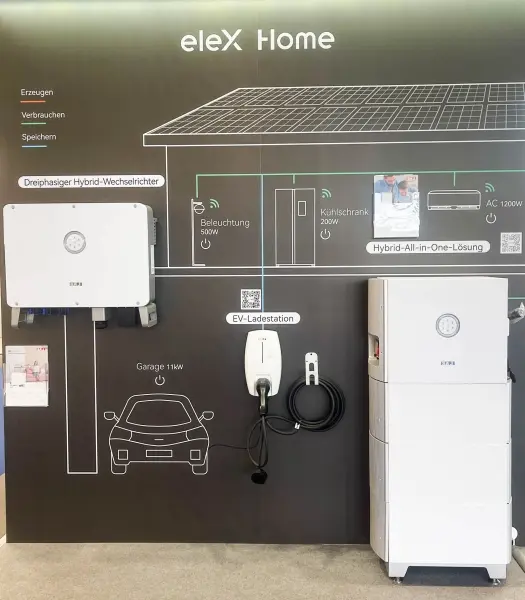
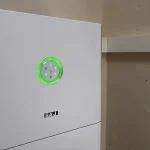
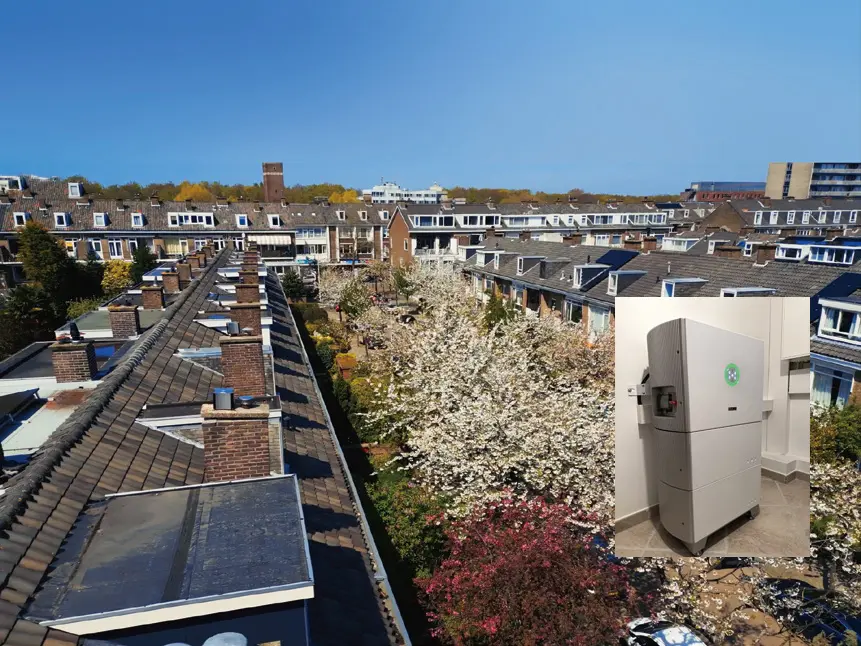
SAJ’s all-in-one three-phase solution for residential energy storage. It integrates a hybrid inverter, BMS and modular battery into a single IP65 outdoor unit.
With 98 % peak efficiency, 16 A string current, <10 ms UPS backup and up to 25 kWh of storage, it offers a simple, quiet and powerful way to maximise home energy independence.
Design
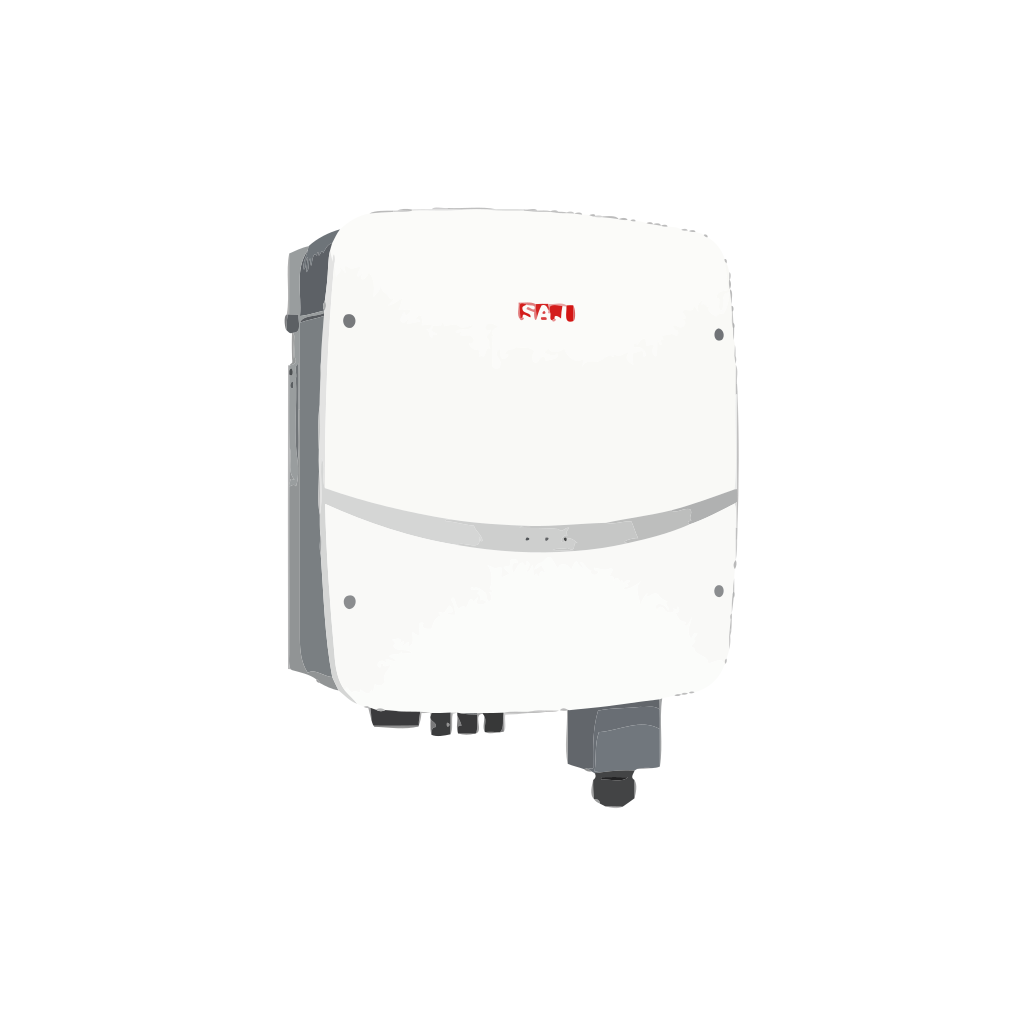
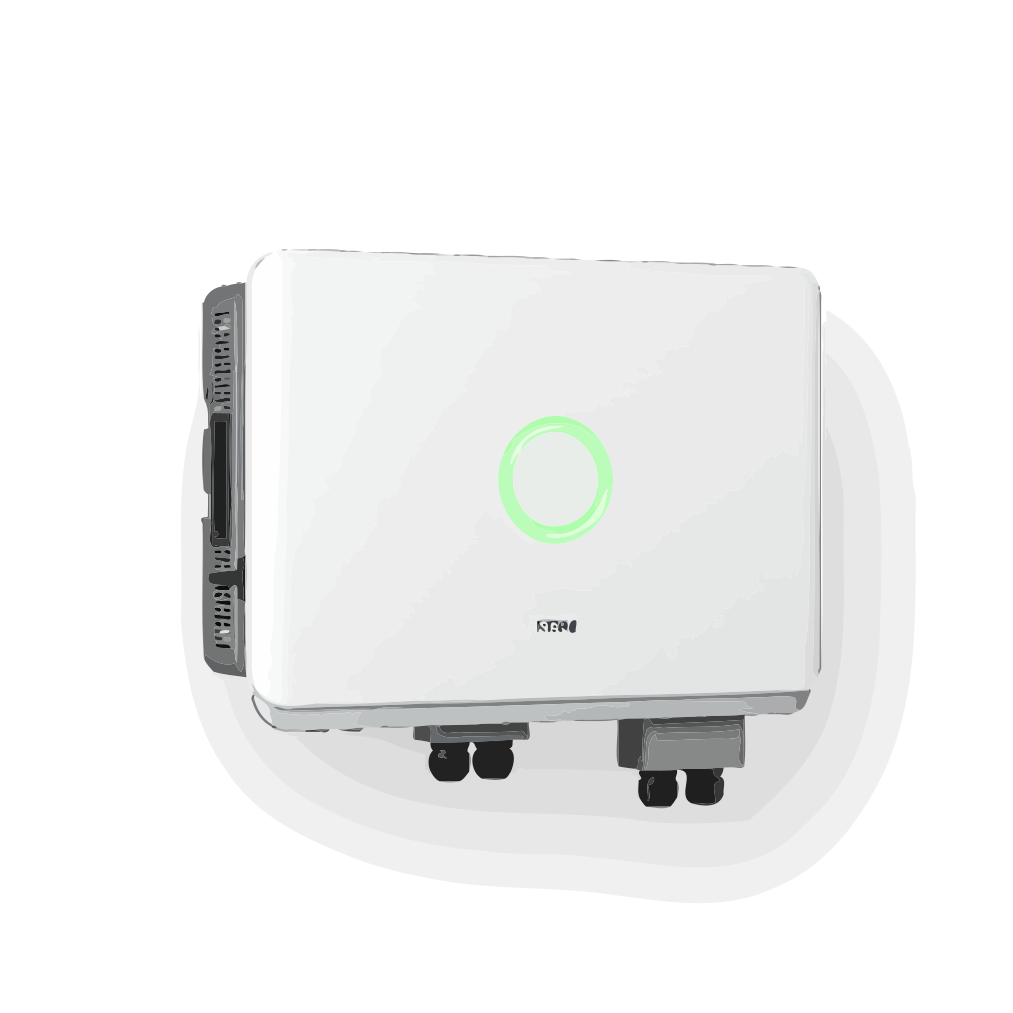
| Inverter Size (H×W×D) | 450 × 626 × 365 mm |
| Battery Size (per 5 kWh) | 261 × 626 × 365 mm |
| Weight (Inverter / Battery) | 33 kg / 52.5 kg |
| Cooling | Natural convection < 35 dB |
| Enclosure | Aluminium, IP 65 |
PV & AC Specs
| Rated AC Power | 5 / 6 / 8 / 10 kW |
| Max PV Power | 7.5 – 15 kW DC |
| MPPTs / Strings | 2 × 1 (180–900 V, 16 A ea.) |
| Grid Output | 3L+N+PE, 220/380 – 230/400 V |
| UPS Backup | 5 – 10 kVA, < 10 ms transfer |
| Maximale Effizienz | 98.0 % |
| THD (grid) | < 3 % |
Battery Specs
| Chemistry | LiFePO4 (HV 180–600 V) |
| Capacity | 10 – 25 kWh (2 to 5 modules) |
| Charge / Discharge | 30 A max (all models) |
| Round-trip η | Up to 97.6 % |
Smart Functions
- Self-Use, Time-of-Use & Backup modes
- Zero-export & dynamic limit via smart meter
- AC retrofit for existing solar systems
- 100 % three-phase imbalance support
- Optional AFCI & Rapid Shutdown (RSD)
- Bluetooth LCD + eSAJ Home app; Wi-Fi / Ethernet / 4G cloud & OTA updates
Safety & Compliance
- DC switch, Type II SPDs, RCMU, GFCI, DCI & insulation monitoring
- Active anti-islanding, AC short-circuit & overload protection
- Battery reverse-polarity & over-voltage safeguards
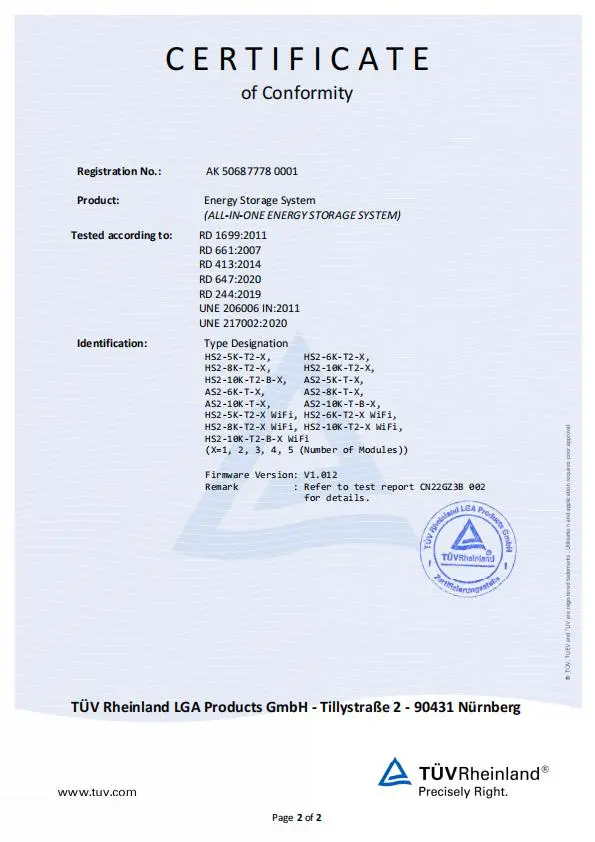
- Meets IEC 62109, EN 50549, AS 4777.2, VDE-AR-N 4105, CEI 0-21
Install & Service
- Modular design for ground or wall mount
- Internal wiring for clean, fast installation
- Commission in minutes via eSAJ Home app
- Global SAJ service network
Warranty
| Standard Cover | 10 years |
Product Resources
Download the latest user manual & datasheet:
Product Video Showcase
Watch our product demonstrations and tutorials
HS2 ALL-IN-ONE Residential Energy Storage Solution Installation Guide (Three Phase) - Sept. 2024
Video failed to load
SAJ H2 & HS2 series Initialization Setting - Sept. 2024
Video failed to load
SAJ HS2 Solaranlagen Installationsanleitung aus schrack tecknik
Video failed to load
Explore why HS2 series so far is the most popular SAJ ALL-IN-ONE residential energy storage system
Video failed to load
HS2 Webinar in English
Video failed to load
Application Scenarios
Discover how this product can be used in different real-world scenarios
Suburban House with Heat Pump & Laundry (TOU Savings + Backup)
Who it’s for: Detached homes that want lower evening bills and seamless backup for lights/IT while running a heat pump and daily laundry.
| Component | Recommended | Why |
|---|---|---|
| PV array | 6–10 kW (2 MPPT, split E/W or S) | Covers daytime base load + charges battery |
| Battery stack | 10–16 kWh usable | 2–4 h evening peak shaving + outage buffer |
| Backup branch | LEDs, router/CCTV, work PC, fridge | Seamless transfer (UPS-class) without reboots |
Simple TOU schedule (example):
Charge (off-peak): 00:00–05:00 Daytime: PV → Loads; surplus → Battery Discharge (peak): 18:00–22:00 Reserve SOC: 25–30%
Installer checklist:
- Put heat pump/washer on non-backup; keep backup for steady loads.
- Label backup sockets clearly to avoid accidental heavy tools usage.
- Run a 2-minute outage test at sunset to verify switchover and runtime.
“Evening bills dropped and lights never flicker during short cuts.”
EV-Ready Home: Peak Shaving + Off-Peak Charging (Single-Phase)
Who it’s for: Homes that want to control evening bills while charging an EV at night. EV charger stays on non-backup; house essentials sit on backup.
House vs EV — simple split:
| Circuit | What’s on it | Reason |
|---|---|---|
| BACK-UP | LEDs, router/CCTV, work PC, fridge | No flicker/reboot during grid blips |
| NON-BACKUP | EV charger (10–16 A), oven, AC compressor | Avoid high inrush on transfer |
Daily schedule (example):
House battery: Charge 00:00–05:00; Discharge 18:00–22:00; Reserve SOC 25–30% EV charging: Start 00:30 @ 10–16 A (off-peak); stop by 05:30 Notes: Keep EV on non-backup; label sockets to avoid mix-ups
Rural Café / Clinic (Unstable Grid): Quiet Backup Without a Genset
Who it’s for: Sites with frequent dips/short cuts that still need lights, Wi-Fi/EMR, and a small fridge to keep operating calmly.
| Time | Energy flow | Note |
|---|---|---|
| Morning–Afternoon | PV → Loads; surplus → Battery | Quiet operation, indoor-friendly |
| Evening | Battery → Lights/IT | No genset noise/fumes |
| Grid outage | UPS-class transfer | POS/EMR stays online |
Wiring quick path:
- Move LEDs, router/EMR PC, small fridge to BACK-UP.
- Keep coffee machines/ovens on non-backup (high inrush).
- Mark the board and run a 2-minute outage test for staff training.
Noise & placement: Locate the stack in a back room; low audible noise suits patient areas and small dining rooms.
“Two sags this week — lights and router never blinked; service stayed calm.”
How We Work With You
From your first call to final delivery, we make the process simple and clear
Talk & Plan
We listen to your needs and create a plan that works for you. Our team will help you understand all your options.
Quote & Agree
You get a clear price with no hidden costs. Once you're happy with everything, we sign the agreement and start working.
Make & Check
We carefully make your order and check everything meets our high standards. You'll know exactly how things are going.
Ship & Support
Your order ships safely to you on time. We're always here to help if you need anything after delivery.
Häufig gestellte Fragen
Find answers to common questions about our products and services
How should I plan the BACK-UP sub-board for HS2-5~10K sites?
Goal: keep essentials alive during short outages without nuisance trips or reboots.
| Put on BACK-UP | Typical load | Why |
|---|---|---|
| IT & networking | Wi-Fi/CCTV 30–60 W | No reboot on switchover ≤10 ms |
| Lighting (LED) | 150–250 W (3–5 rooms) | Low inrush, safety/operations |
| Office/retail devices | Laptop/POS 60–150 W | Avoids data loss |
| Fridge (inverter type) | 90–150 W avg | Food safety |
Backup power window (model examples):
- HS2-5K: 5,000 VA (peak 10,000 VA for 60 s)
- HS2-8K: 8,000 VA (peak 16,000 VA for 60 s)
- HS2-10K: 10,000 VA (peak 16,500 VA for 60 s)
Output distortion on linear loads: <3% THDv.
- Move selected circuits to the dedicated BACK-UP terminals; label clearly.
- Keep high-inrush devices (EV charger, big oven, large compressors) on non-backup.
- Set a reserve SoC (e.g., 25–30%) and perform a 2-minute grid-off test before handover.
“POS and lights stayed up; customers didn’t notice the grid dip.”
What’s the quickest commissioning workflow with the app?
Target: first-time power flow on day one, with settings captured for records.
- Install comm module; power AC breaker; press Start to wake the system.
- Open the mobile app → Remote Configuration → Bluetooth → bind by inverter SN tail.
- Select country & grid code; confirm date/time and phase sequence.
- Pick a working mode: Self-Use, Time-of-Use, or Back-up; set reserve SoC (e.g., 25–30%).
- Join Wi-Fi/Ethernet/4G; create the plant; check live PV → Load → Battery → Grid.
5-minute handover checklist:
- Screenshot final grid profile, SoC reserve, and TOU windows
- Run a grid-off test (no flicker/reboot on BACK-UP)
- Share “viewer” access with the owner/store manager
Simple TOU template (example):
Charge (off-peak): 00:00–05:00 Daytime: PV → Loads; surplus → Battery Discharge (peak): 18:00–22:00 Reserve SoC: 25–30%
How do I expand from 10 kWh to 25 kWh later without headaches?
Capacity map (usable): 2→5 modules ≈ 9.0 / 13.5 / 18.0 / 22.5 kWh. Plan space and conduits for the final stack from day one.
Upgrade workflow:
- Schedule downtime; isolate AC & PV; power down per manual.
- Add battery module(s); secure with locking brackets; install side covers.
- Reconnect COMM/power harness; power up; confirm new capacity in the app.
- Run a short charge/discharge to verify module reporting and balance.
- Keep SoC of old/new modules within ±5–10% before coupling.
- Maintain ventilation clearances (natural convection cooling).
- Label stack height on the board to avoid future overloading of the wall/base.
What protection & compliance features are built in?
| Feature | What it does | Why it matters |
|---|---|---|
| RCMU (integrated) | Residual current monitoring | RCD optional only if local code requires |
| Surge protection | Integrated DC & AC SPD | Protects against transient events |
| Anti-islanding | Grid-safety disconnection | Utility compliance |
| AFCI / RSD (optional) | Arc detection / rapid shut-down | Extra DC-side safety |
Standards snapshot: EN 62109-1/2, EN 50549, IEC 62116/61727, AS 4777.2, VDE-AR-N 4105, and more (see datasheet).
Grid quality: supports 100% three-phase voltage imbalance; Euro efficiency up to 97.6%.
What’s in the cartons, and how should I stage the install?
Typical contents (inverter + battery packages): plug-in GRID/BACK-UP connectors, PV connectors (HS2), smart meter + 3 CTs, COMM cables, mounting brackets, grounding cable, side covers, and printed/QR docs. Communication module may be included if ordered.
Staging checklist (saves time on site):
- Mark wall/base positions with the provided template; confirm clearances for stack growth.
- Pre-label BACK-UP vs non-backup circuits on the board.
- Pre-run AC/PV/COMM conduits; prepare Wi-Fi SSID/password or Ethernet drop.
- Lay out connectors by circuit (PV / BAT / GRID / BACK-UP) to avoid cross-wiring.
- Plan a 2-minute outage test for handover.
Note: Use one external AC breaker per inverter (typical 63 A recommendation for HS2-5~10K). Type A or B RCD only if required by local code.
Sunriver Electric: what do we provide around HS2-5~10K (before & after shipping)?
We focus on predictable procurement for installers and distributors — clean choices, complete docs, and transparent shipping.
| Stage | What you receive | Why it helps |
|---|---|---|
| Model match & quote | FOB pricing + model suggestions based on loads/roof split | Faster decisions; avoids over/under-sizing |
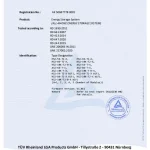
| Documentation pack | Latest datasheet, Quick Guide, User Manual, certificates (PDF) | Smooth utility filings & internal approvals |
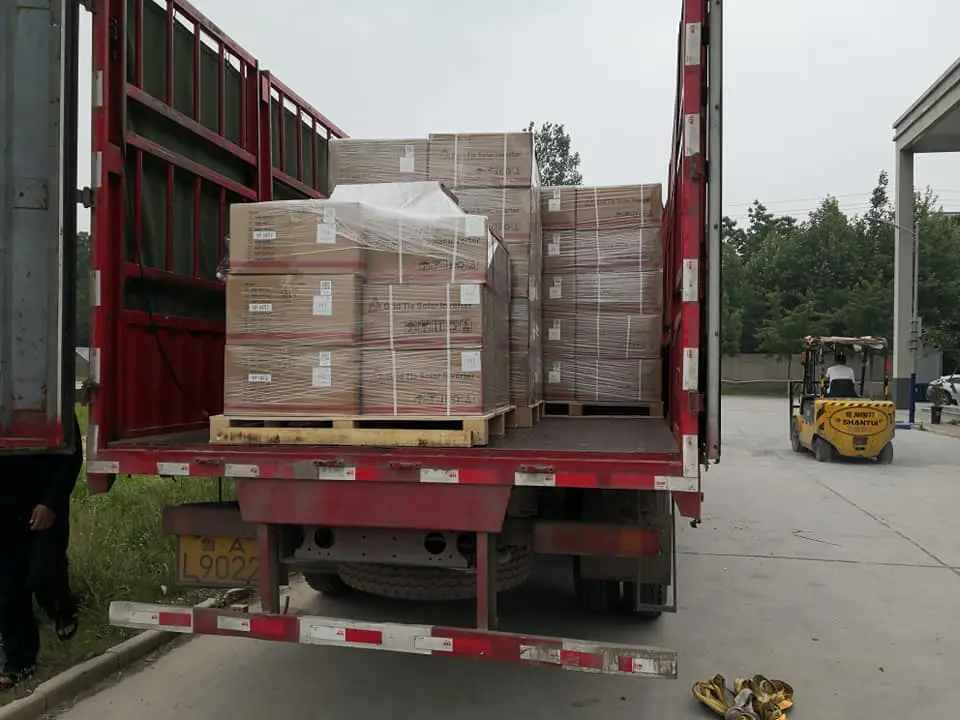
| Pre-shipment | Packing list with SNs, carton specs & gross weight; label sample; loading photos on request | Fast warehouse check-in; better traceability |
| After shipping | Vessel/flight info + B/L or tracking; exception alerts if delays occur | Transparent progress; easier site scheduling |
On request:
- Simple wiring overview for team briefing
- FAQ kit (backup planning, TOU examples, commissioning checklist)
- Certificate language packs (e.g., EN/ES/TH)
Speed up your quote — send 6 bullets: site type, roof split/rough panel count, backup circuits, target usable kWh or runtime, country/grid standard, target ship week + destination port.
Contact: export@sunriver-inverter.com
Still have questions?
Can't find the answer you're looking for? Our support team is here to help you.
Related Products
Discover similar products that might interest you
Ready to Talk About This Product?
Tell us what you need—from pricing and availability to technical specs or project planning. Our product team will respond within 24 hours.
- Request tailored quotations and lead times
- Get engineering support and compatibility checks
- Receive product literature and case studies
Danke! Wir haben Ihre Anfrage erhalten.
Our product specialists will reach out within 24 hours. A detailed Thank You page has opened in a new tab.