

 sales@sunriver-electric.com
Search for “best solar company 2025” and most of what you see are:
- Lists of local installers
- Sales funnels for quotes
- Financing and lease comparisons
Useful, but they don’t answer a different question many readers actually have:
Which equipment brands are building the most advanced inverters,
hybrid systems and home batteries in 2025?
Here, “solar company” means the equipment brand behind the system.
That’s the angle we take at Sunriver Electric.
That includes the makers of string/hybrid inverters, home and small‑commercial battery storage, and increasingly all‑in‑one (AIO) solar + storage systems with a real home energy management layer (HEMS/EMS).
No matter which installer you hire, your day‑to‑day experience lives or dies with the hardware + software brand behind the system:
- How the inverter behaves with the grid
- How stable (and safe) the battery is
- Whether the app feels simple or painful
- How cleanly the system can expand later (more batteries, EV charging, heat pumps)
In 2025, the direction of travel is hard to miss:
The industry is shifting from “many separate boxes + many apps”
to “highly integrated all‑in‑one systems + one unified brain.”
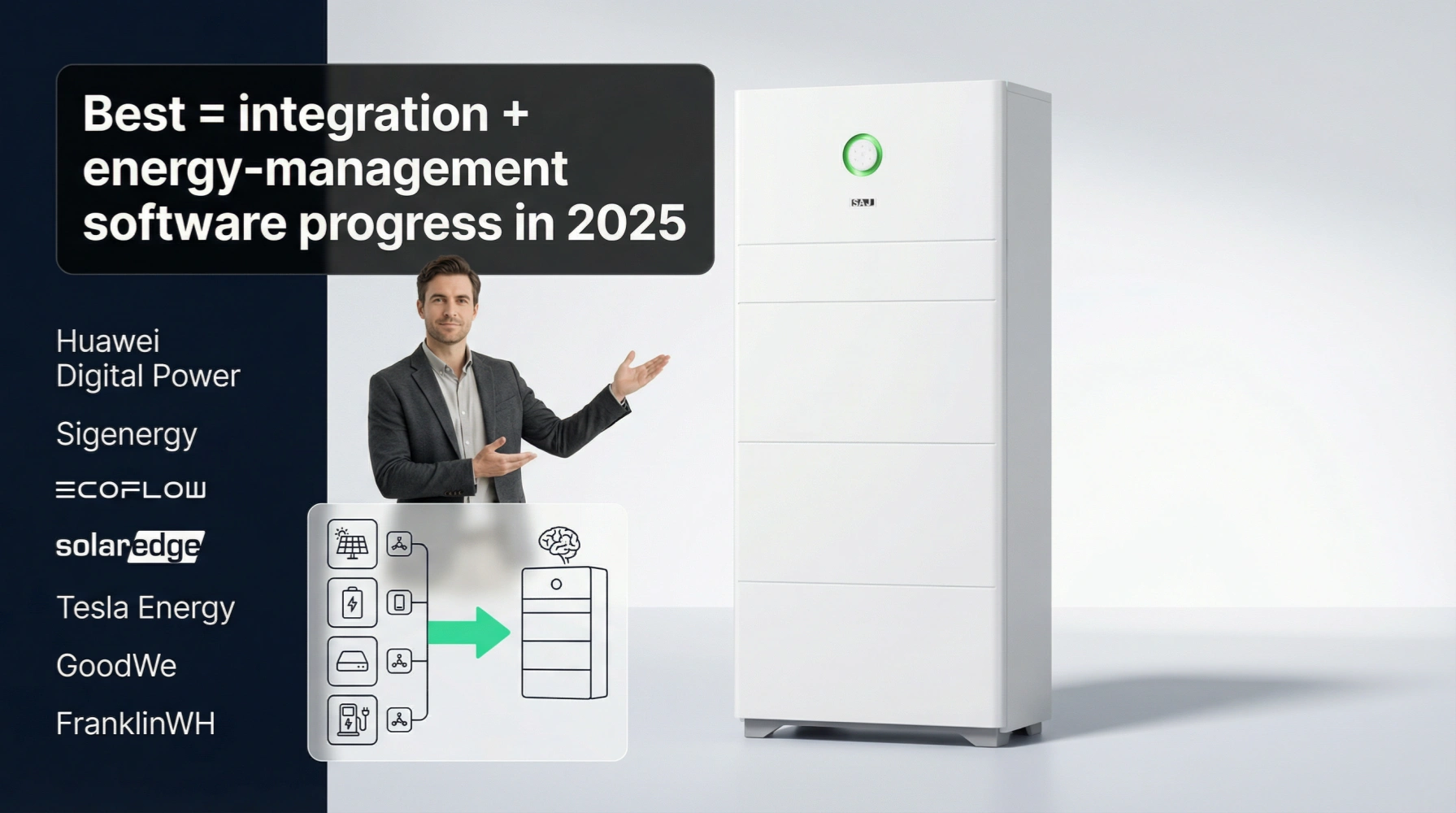
So “Best” here does not mean “highest shipment volume” or “best stock story.” It means:
Which brands made the clearest, most practical progress in 2025
on system integration and software / energy‑management experience?
Top 8 Solar Inverter & Battery Brands (2025) — At a Glance
This ranking reflects a system‑experience view, not an official industry league table.
If you only read one thing: this Top 8 is about who moved fastest on integration and energy‑management software in 2025—not who shipped the most units.
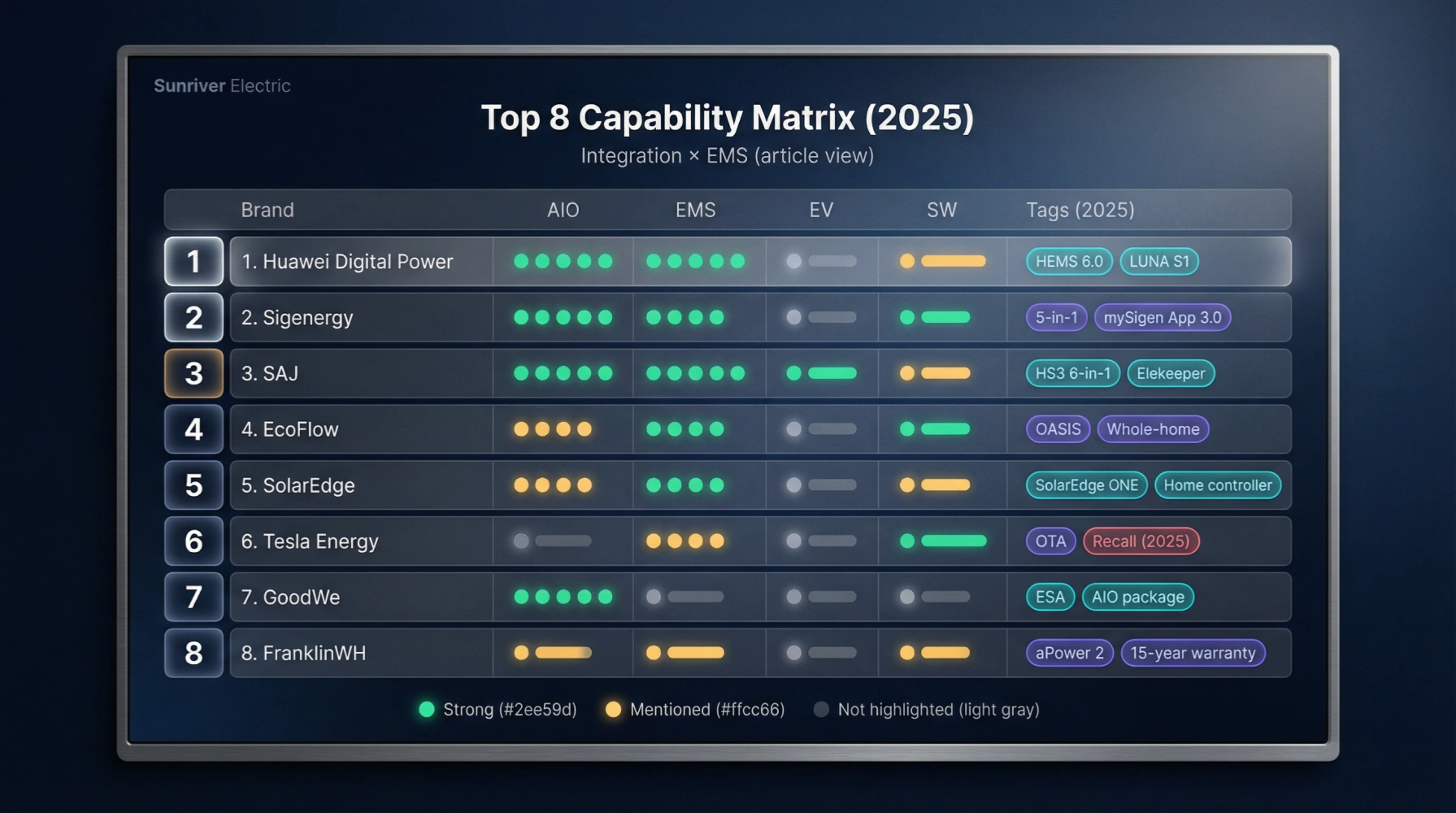
| Rank | Brand | 2025 focus (one line) |
|---|---|---|
| 1 | Huawei Digital Power (FusionSolar) | Home Energy Management 6.0 + LUNA S1; “big‑system” thinking brought into residential. |
| 2 | Sigenergy | “5‑in‑1” platform positioning + mySigen App 3.0; AI + explainable energy flows. |
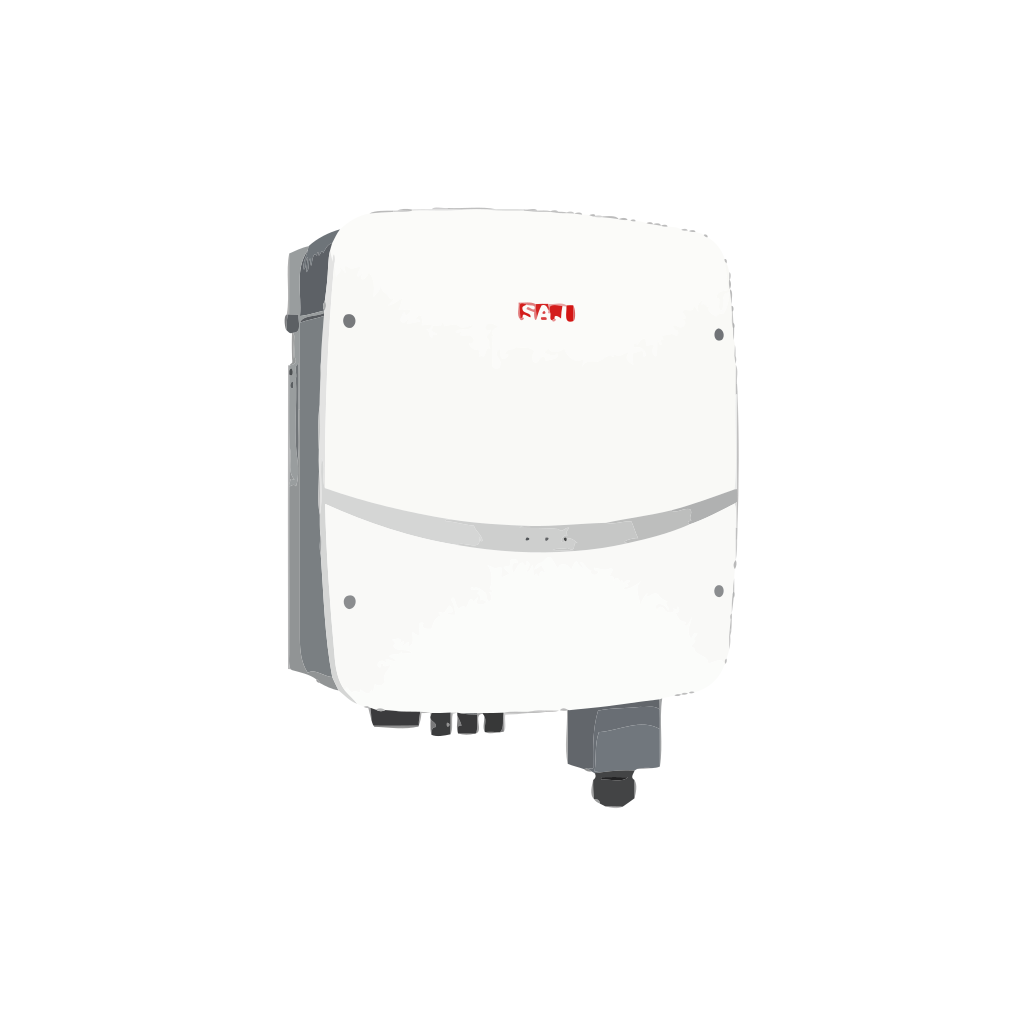
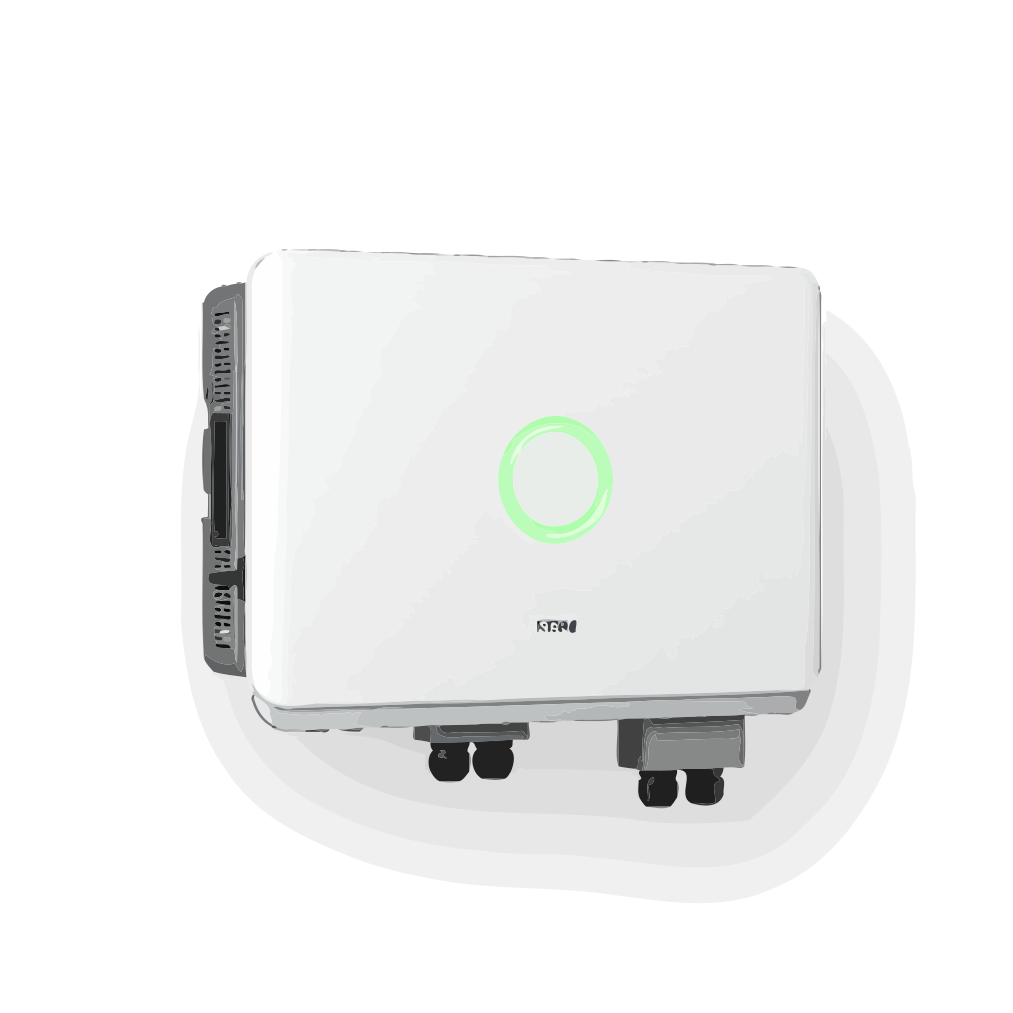
| 3 | SAJ | HS3 “6‑in‑1” hub (incl. DC EV charging) + Elekeeper EMS; pushing true system integration. |
| 4 | EcoFlow | OASIS as the software front door; whole‑home path via Ocean Pro / DELTA Pro Ultra X. |
| 5 | SolarEdge | SolarEdge ONE + EU home controller; shifting from hardware brand to EMS platform. |
| 6 | Tesla Energy (Powerwall) | OTA/software benchmark—plus a 2025 recall reminder that safety and response matter. |
| 7 | GoodWe | ESA AIO packaged for real installs: quieter, simpler, clearer expansion paths. |
| 8 | FranklinWH | aPower 2 whole‑home backup + 15‑year warranty; lifecycle confidence focus. |
⚡ Don’t Get Tricked by Terminology
"Hybrid," "On-Grid," "Ready"… confused? We break down exactly what the hardware does before you spend a dime.
- The Core Differences: Hybrid vs. On-Grid Inverter: An In-Depth Comparison
- The "Battery-Less" Hybrid: Can a Hybrid Inverter Work Without a Battery?
- Basics 101: What Is an On-Grid Inverter? (The Complete Guide)
- Efficiency Explained: MPPT Basics: Why It’s the Key to High Efficiency
How We Ranked “Best”: Integration, EMS, and Real 2025 Moves
We built this list around equipment brands—and only around what they actually did in 2025.
The short version: this is a ranking of system integration + software / energy‑management progress in 2025, not a shipment leaderboard.
Four dimensions we used
-
Integration level
Is the brand moving from “separate inverter + batteries + gateway + EV charger” toward a real AIO system with fewer external boxes and cleaner wiring? -
Software & energy management (EMS/HEMS)
Are there meaningful improvements in the app and control layer—and do they make the system easier to live with (tariffs, weather, load patterns, grid signals)? -
Real productization in 2025
Was there a concrete launch or major upgrade this year (not just a slide deck)? -
Delivery friendliness (installers / distributors)
Does integration reduce wiring and commissioning pain, clarify expansion and service paths, and help cut truck rolls?
Think of this article as a 2025 field guide to system‑level innovation in inverters and storage—more than a “who’s biggest” scoreboard.
It’s the same lens we use at Sunriver Electric when we’re trying to separate glossy specs from real, livable system design.
Before we look at individual brands, it helps to clear up a few big-picture questions about how these systems are put together.
FAQ: System types & architecture
Top 8 Brands — What Changed in 2025 (Detailed Breakdown)
The order from 1 to 8 does not mean “8th place is bad.” It reflects how strongly each brand pushed the all‑in‑one + software story in 2025.
Read this section like a buyer’s brief: what each company actually shipped or upgraded in 2025, and what that changes in the real world.
We wrote it to be skimmable on a phone—but still specific enough to guide better questions.
1. Huawei Digital Power (FusionSolar)
Home Energy Management 6.0: big‑system thinking in a residential shell
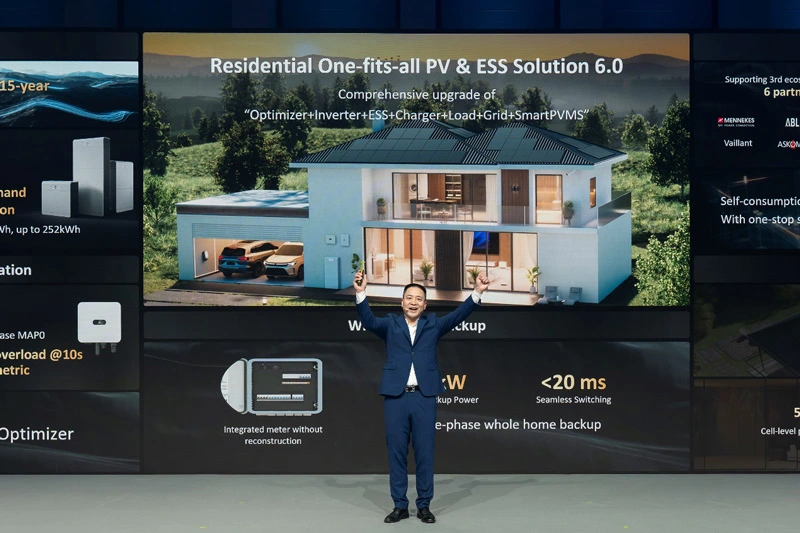
At Intersolar Europe 2025, Huawei Digital Power presented its Residential Home Energy Management Solution 6.01 built around:
- Rooftop PV generation
- Home storage (including the new LUNA S11 series)
- Smarter household consumption (loads, EVs, heat pumps, and more)
The idea is a closed loop from generation to usage, framed as “leading home energy management.”
The LUNA S1 line comes with:
- A 15‑year warranty
- High usable‑energy ratios compared to typical batteries
- Capacity scalability into the hundreds of kWh
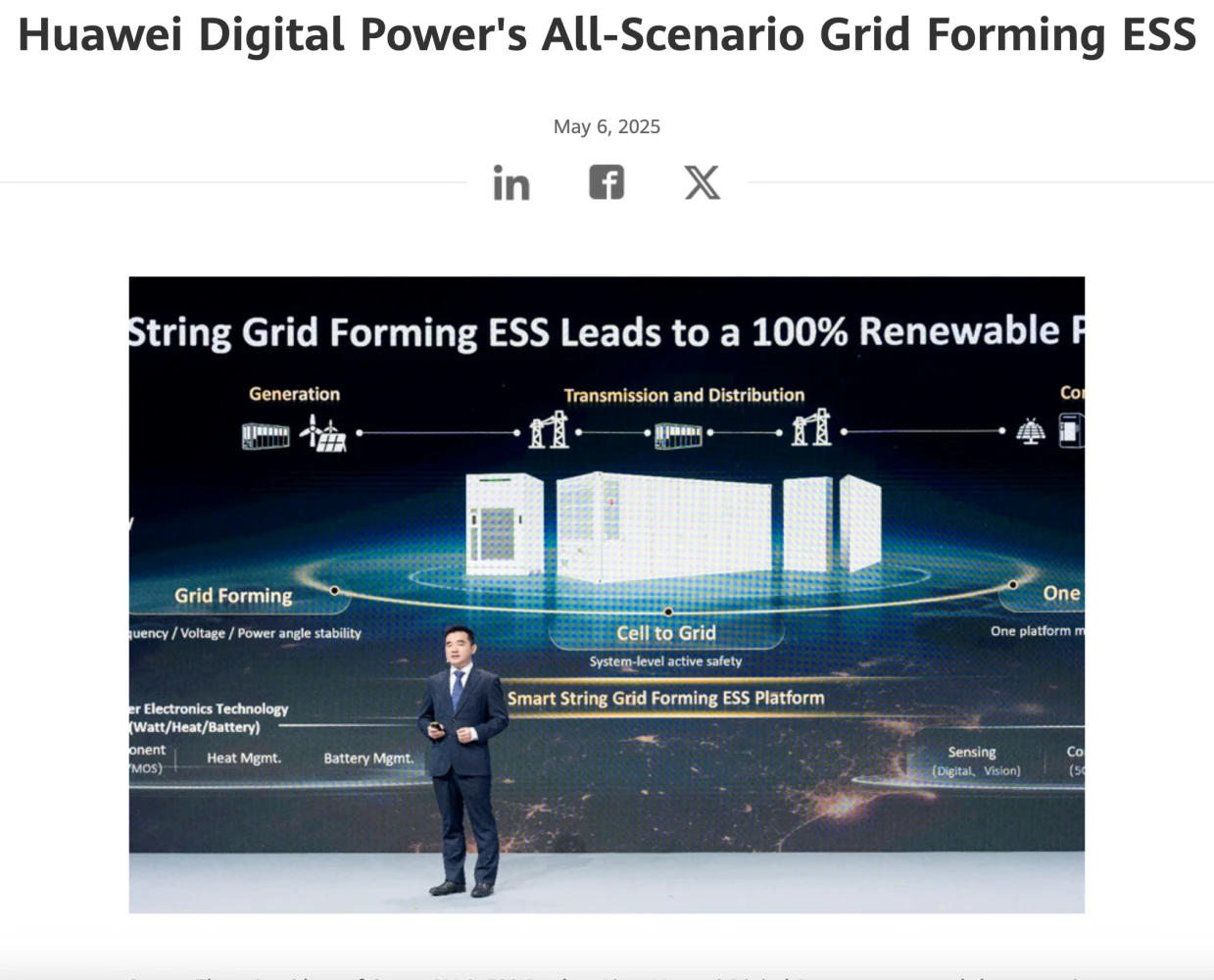
Why it ranks here: Huawei’s differentiator is less about a single headline product and more about translating utility‑scale / C&I engineering discipline—grid support, system architecture, long lifecycle thinking—into residential packaging and control logic.
2. Sigenergy
Turning “5‑in‑1” into a platform, not just a big metal box
At Intersolar Europe 2025, Sigenergy’s theme was clear:
- SigenStor2 is positioned as a “5-in-1” energy platform (inverter, battery, control, backup, and more in one architecture).
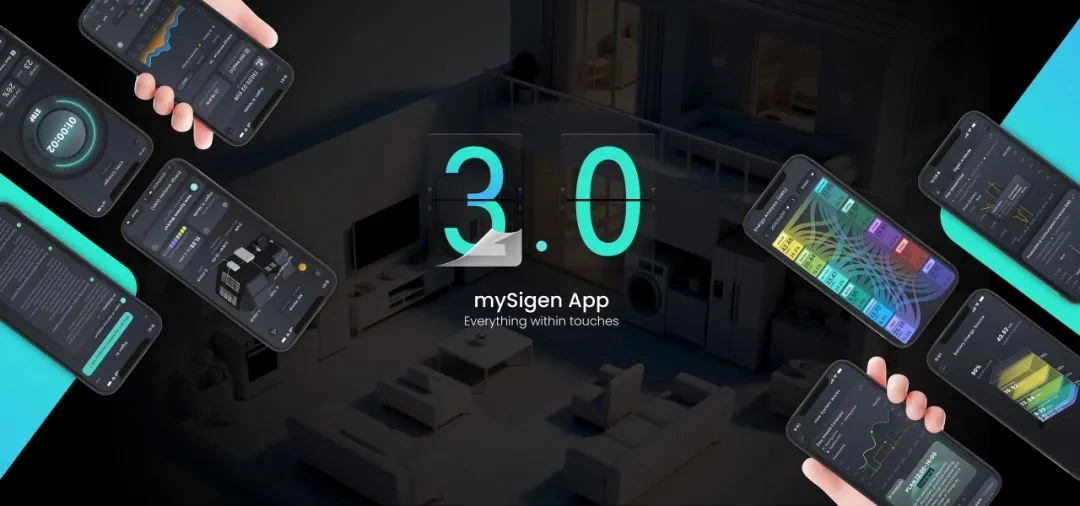
- mySigen App 3.02 pushed AI and visualization into the main user experience.
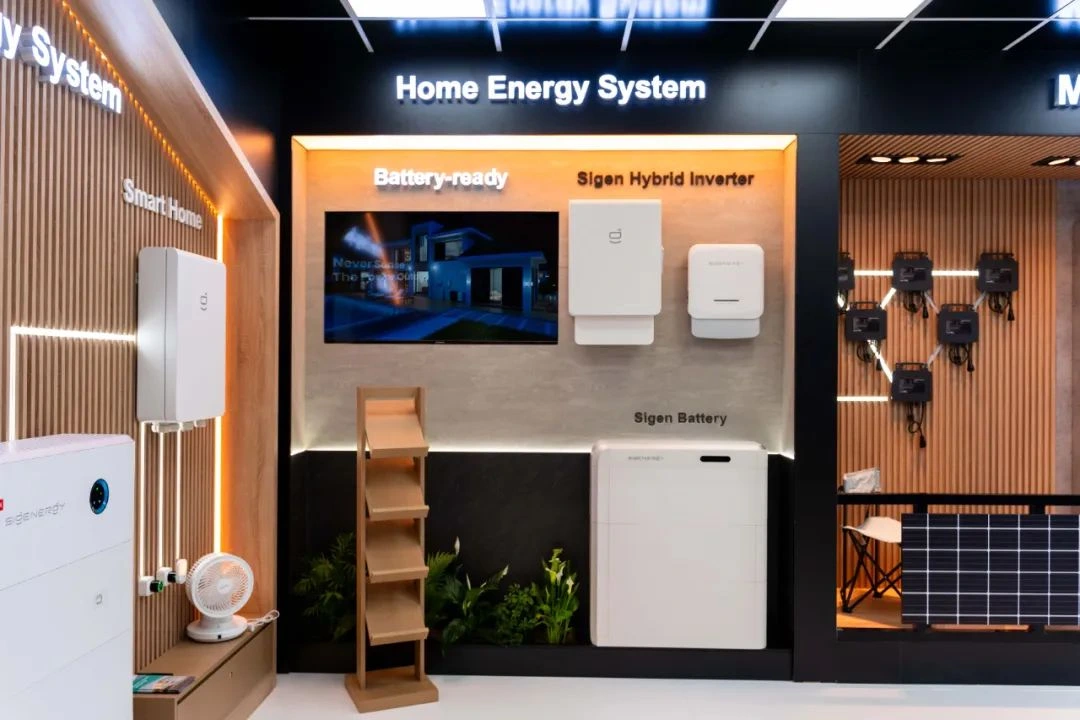
The update focuses on two practical outcomes:
- AI baked into the system’s decisions (tariffs, generation patterns, load behavior, weather), not a gimmick.
- “Explainable” energy management: visual flows (including Sankey‑style diagrams) plus plain‑language reasons for charge/discharge choices.
Why it ranks here: among 2025 launches, Sigenergy is one of the clearest examples of a brand pulling complexity into the product (and the cloud) instead of leaving it to the installer or homeowner.
3. SAJ
HS3: a real “6‑in‑1” home energy center
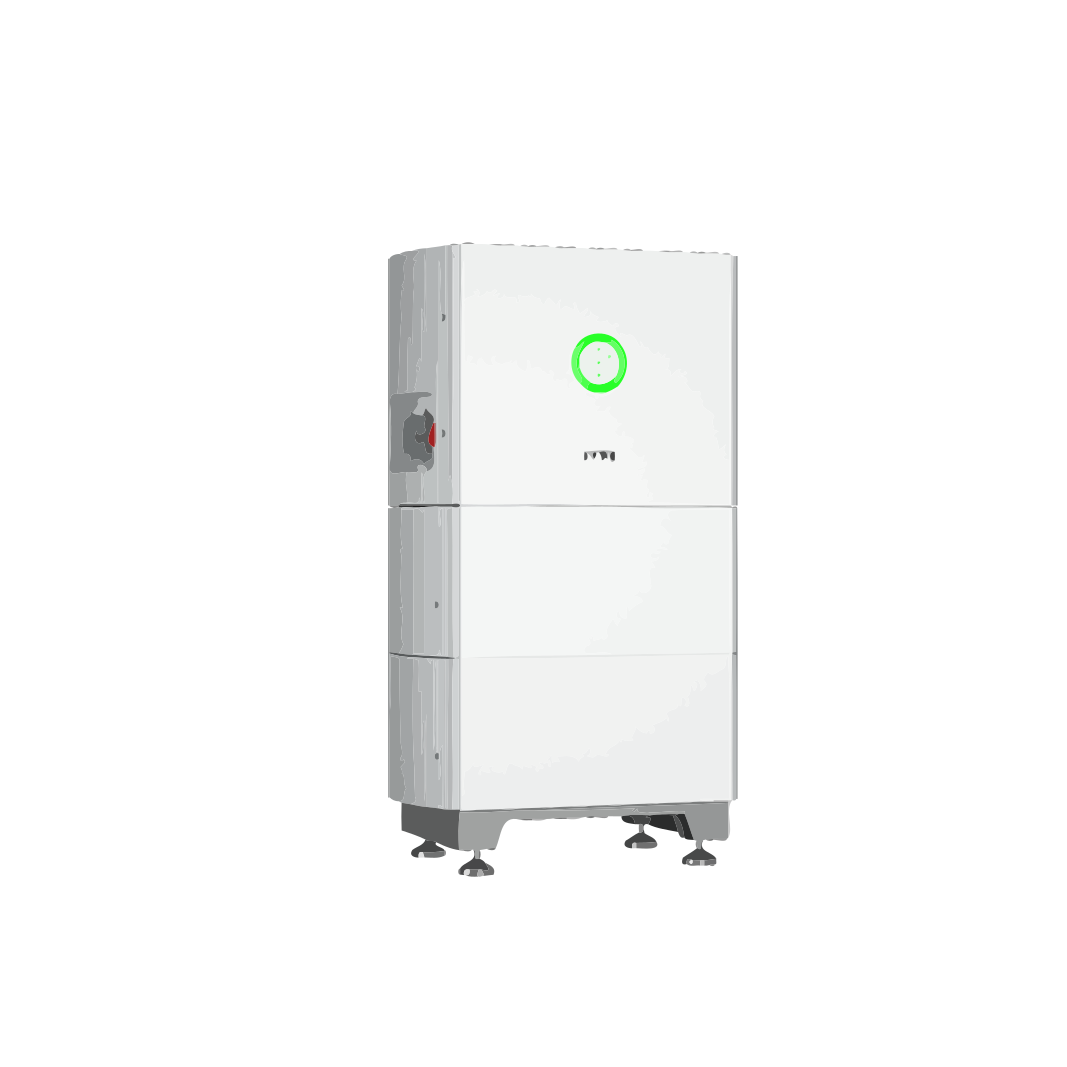
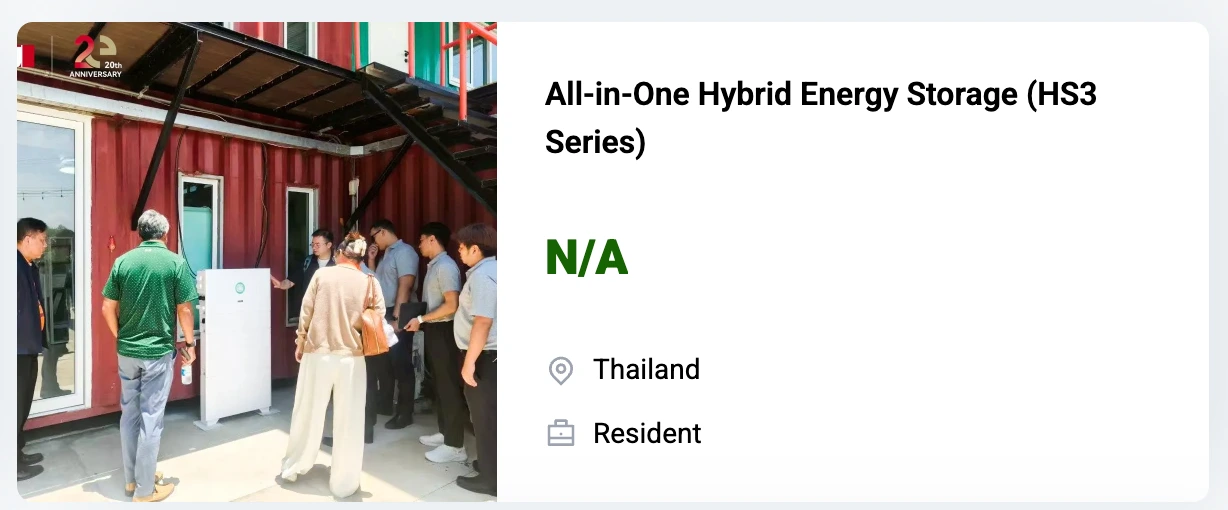
SAJ has been on the inverter side for a long time—from simple on‑grid units to hybrids built for backup and self‑consumption. HS3 feels like the point where that experience stops being “one more model number” and turns into a single product that’s meant to act as the home’s energy hub—something you can actually live with in a real garage or utility room.
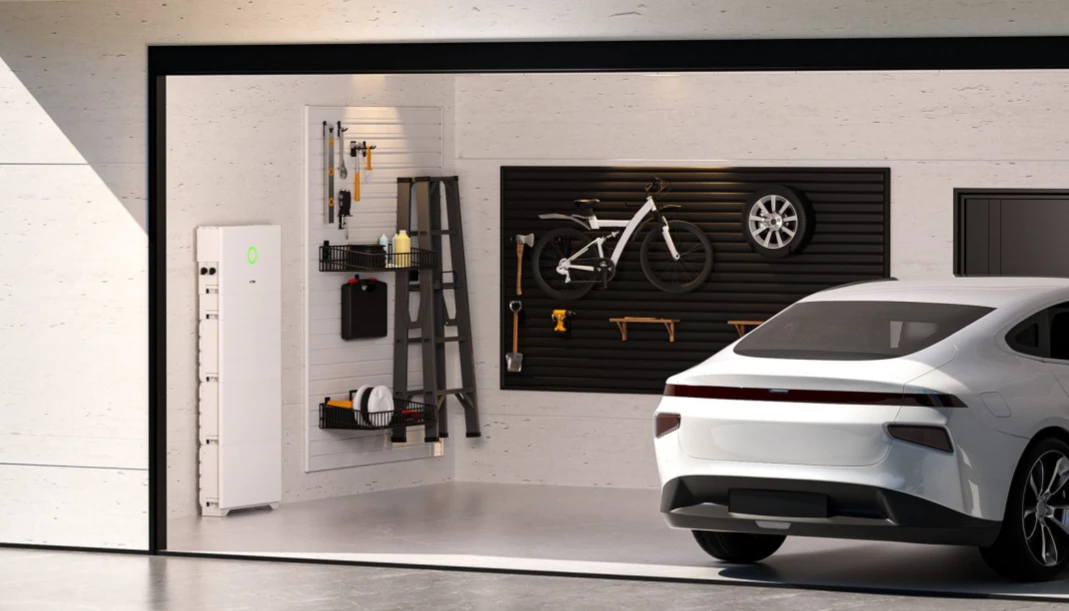
In plain terms, HS3 is built for homeowners who want PV, storage, EV charging, and backup to behave like one coherent system—not a wall of mismatched boxes.
In 2025, SAJ launched HS3 as a “6‑in‑1” residential system:
PV inverter + DC EV charger + PCS (power conversion)
- battery pack + backup module + EMS
integrated as one system
In many residential scenarios, a single HS3 can cover:
- PV generation (feed‑in and self‑consumption)
- Battery storage (time‑of‑use arbitrage, self‑consumption boost)
- Whole‑home or critical‑load backup
- DC fast charging for EVs
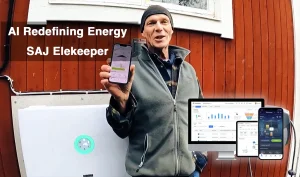
- Monitoring and control via the Elekeeper platform
A simple way to think about it is this:
| What HS3 brings together | What the homeowner actually notices |
|---|---|
| Inverter, battery, backup, and EV DC charging | One wall‑mounted unit instead of several separate devices |
| Built‑in EMS + Elekeeper | One place to check status and change modes |
| Slim all‑in‑one form factor | The “energy corner” looks planned, not like bolt‑on add‑ons |
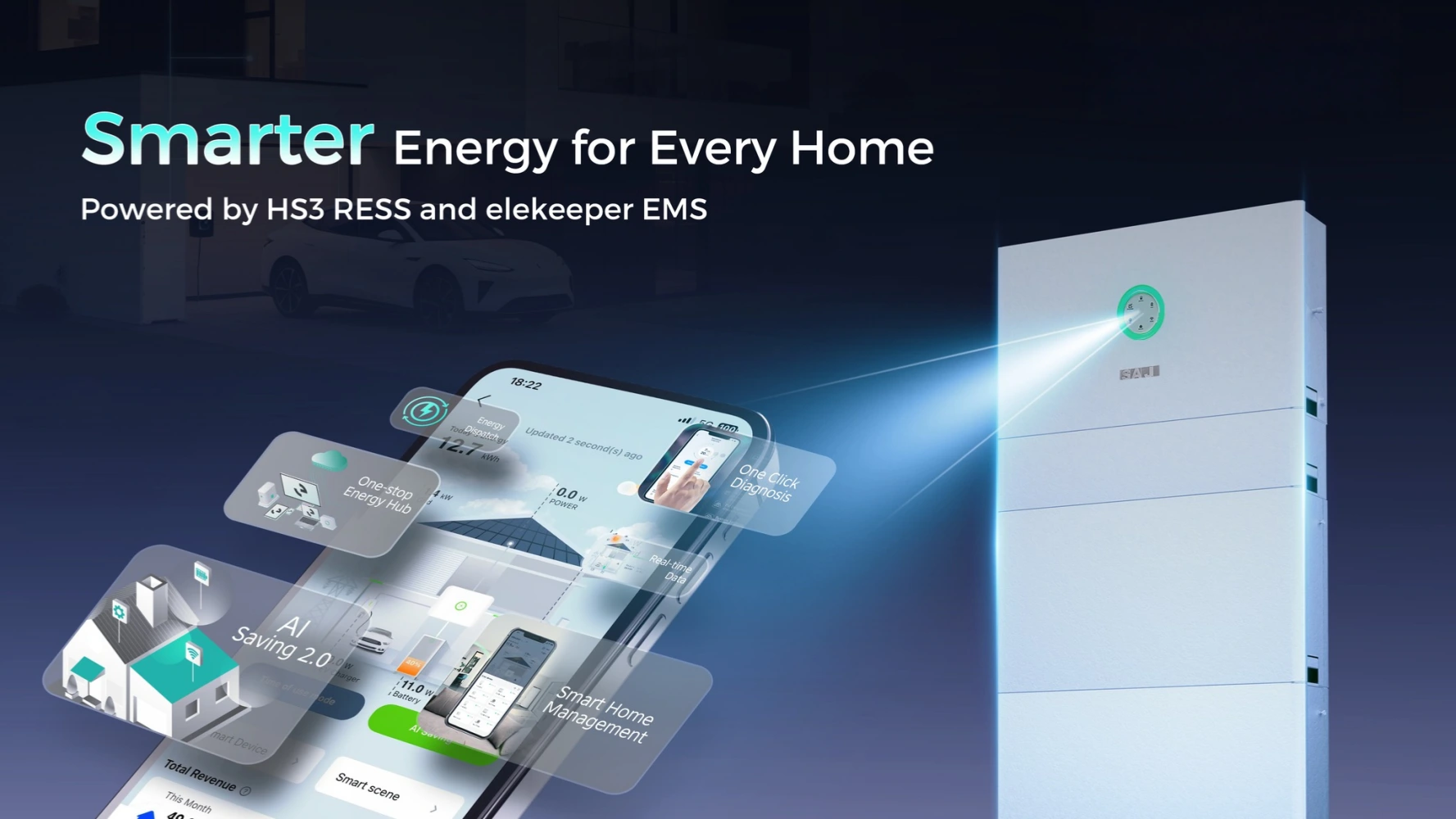
On paper, “6‑in‑1” sounds like marketing. It becomes meaningful when you look at how it fits real project constraints.
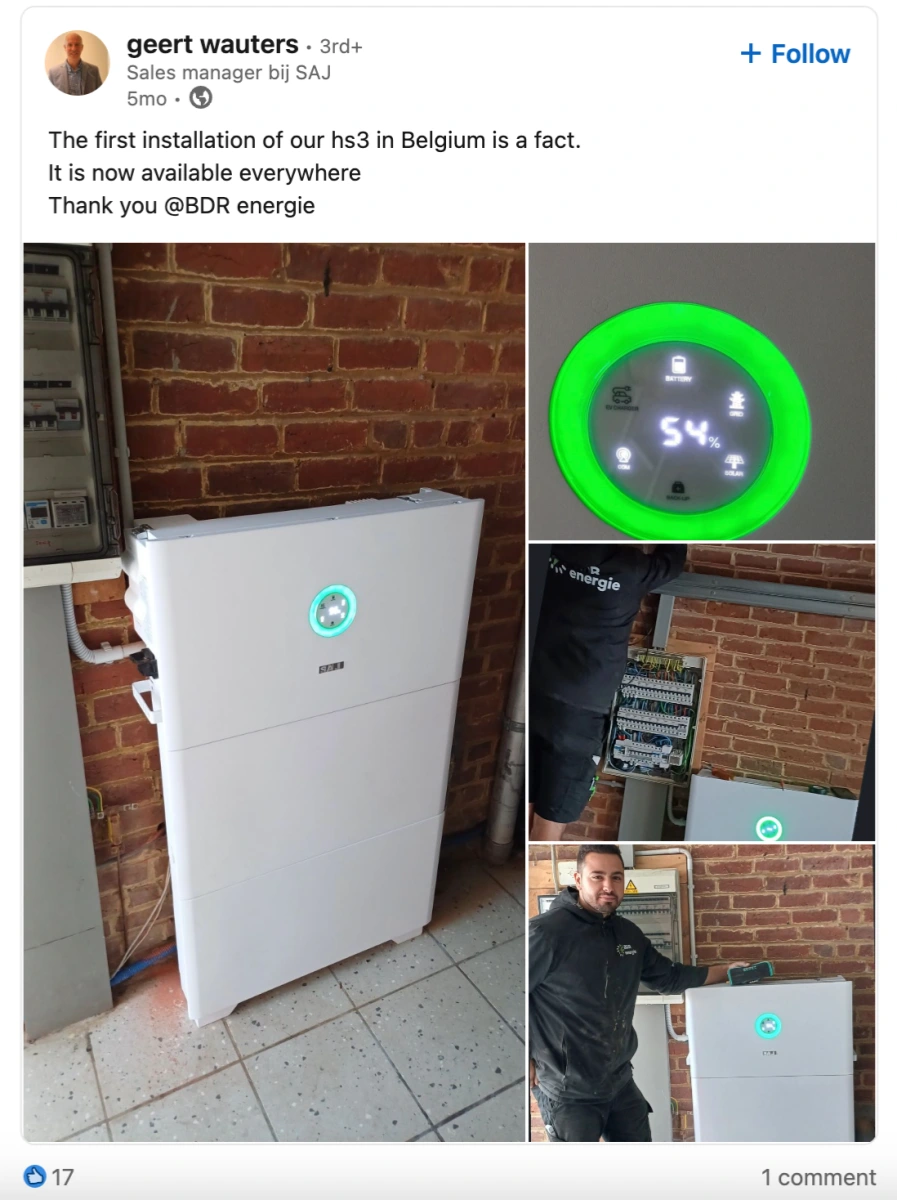
Typical scenarios where HS3 tends to make sense
Scenario 1 — The EV + blackout household
The goal is straightforward: reduce bills, keep essentials running during outages, and avoid juggling three separate brands for PV, batteries, and EV charging. HS3 pulls those functions into one control layer, which usually makes the handover conversation (normal operation vs backup) simpler for homeowners and installers.
Scenario 2 — The new‑build “energy corner”
For new homes, owners often want a clean, intentional “energy corner” in the utility room—something they can point to and say “that’s the heart of the system.” A single all‑in‑one unit makes the design discussion simpler: one placement on the drawing, one space reservation, one interface to explain.
Scenario 3 — The tight‑space retrofit
In older homes, the only workable location might be a narrow garage wall next to a door, a freezer, or storage. In those installs, the all‑in‑one form factor is what makes the project feel like a modern appliance instead of a mini substation: fewer external enclosures, fewer visible add‑ons, and a cleaner wall layout.
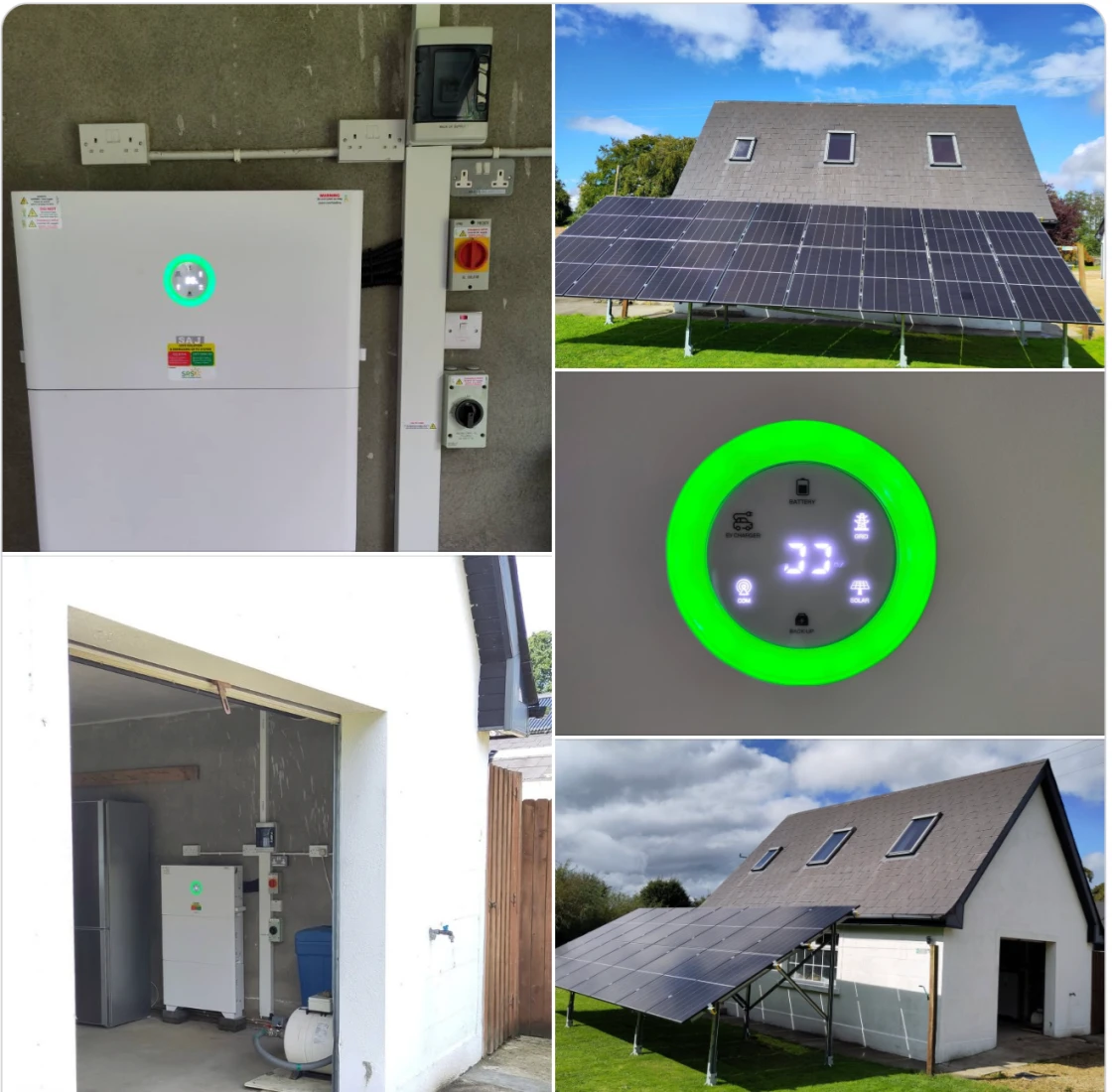
From a project point of view, that’s HS3’s biggest strength: it turns what used to be three or four separate devices into one system with one “brain.” It’s easier to explain in a proposal, easier for homeowners to remember (“it’s all in that box”), and often easier to support over the long term.
HS3 also targets real‑world install and home‑use friction:
- Slim, modular, wall‑mount design (around 17 cm thickness)
- Plug‑and‑play wiring to reduce on‑site work
- Built‑in safety features and a wide working temperature range (‑30°C to 50°C)
Why it ranks here: HS3 pushes integration unusually far for residential—especially by pulling EV DC charging and EMS into the same system, not just the same catalogue. From a Sunriver Electric perspective, this is exactly the direction we want residential systems to move: one platform, one app, and fewer points of failure for real‑world homes.
4. EcoFlow
OASIS: leading with software, turning hardware into attach points
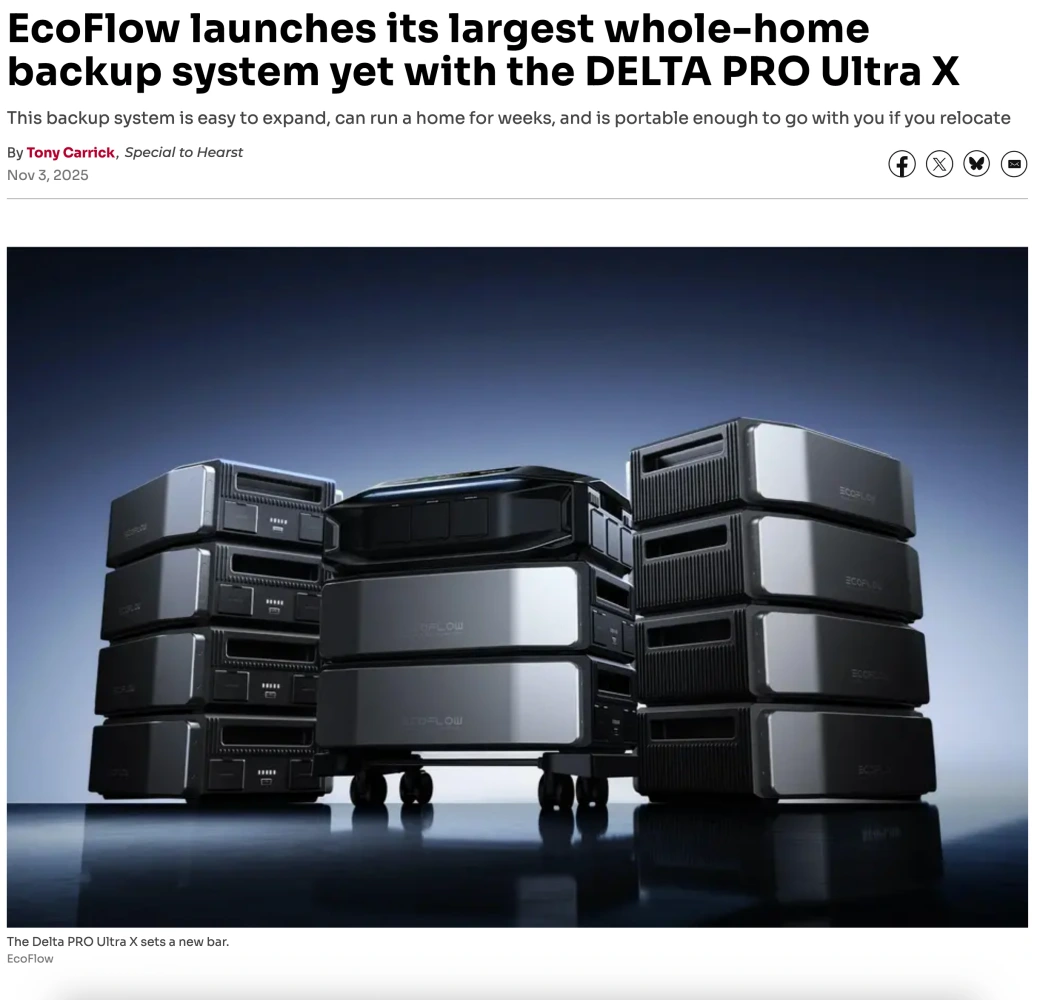
EcoFlow built its name in portable power, but its 2025 story is whole‑home systems led by software:
-
OASIS Home Energy Management System3
A single platform across app, a home energy monitor (like PowerInsight), and a web interface—built around 24/7 monitoring, load‑level visibility, and configurable strategies. -
Ocean Pro3 whole-home energy system (U.S.)
Modular 10 kWh units scalable up to roughly 80 kWh, with high PV input and robust inverter capacity—tightly tied to OASIS for scheduling, load management, and potential VPP integration. -
DELTA Pro Ultra X3 + Smart Home Panel 33
A flexible, high‑capacity backup setup designed for tariff‑ and weather‑aware charge/discharge strategies.
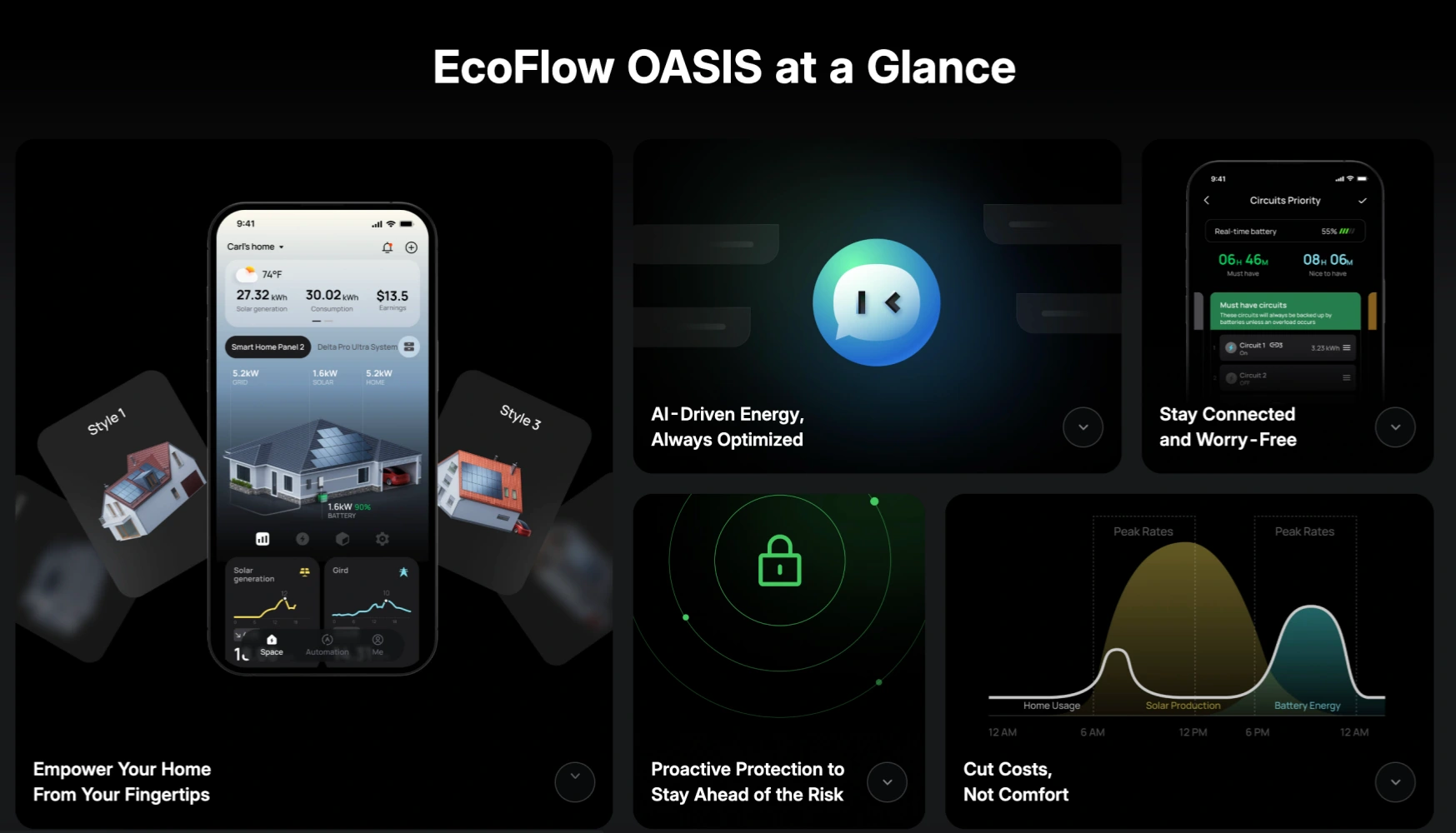
Why it ranks here: EcoFlow treats the HEMS layer as the “front door,” which makes its ecosystem feel cohesive—especially for users already in the brand.
5. SolarEdge
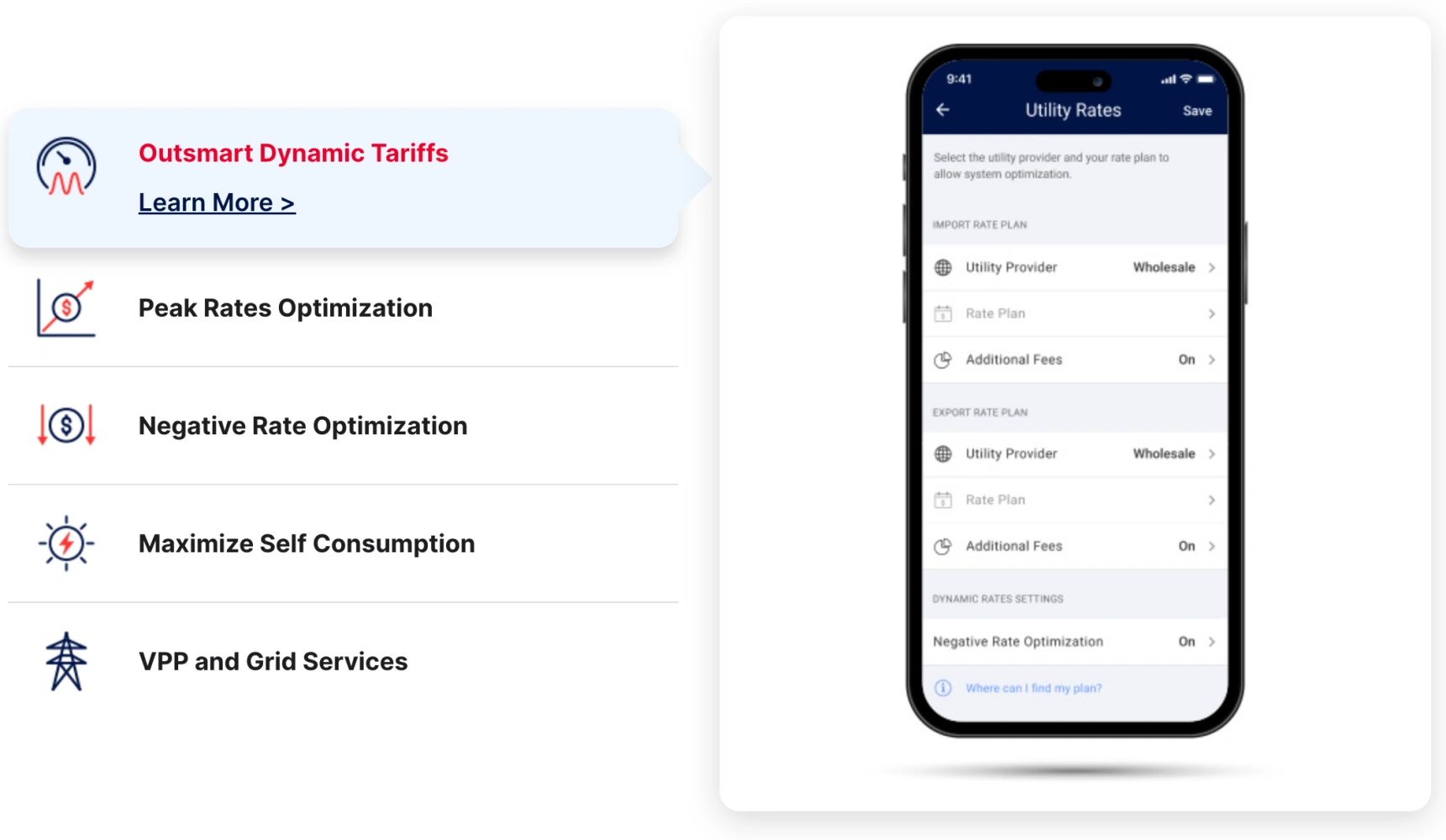
SolarEdge ONE4: from optimizer brand to AI EMS platform
SolarEdge’s 2025 storyline is a brand shift:
From “panel optimizers + inverters”
to a full‑fledged EMS platform for homes and businesses.
The core building blocks:
- SolarEdge ONE4, positioned as an AI‑based personal energy assistant to optimize consumption, storage, and export.
- A new home energy controller for Europe4, positioned as the “nerve center” for PV + storage + loads, integrating with signals like tariffs and Smart Meters.
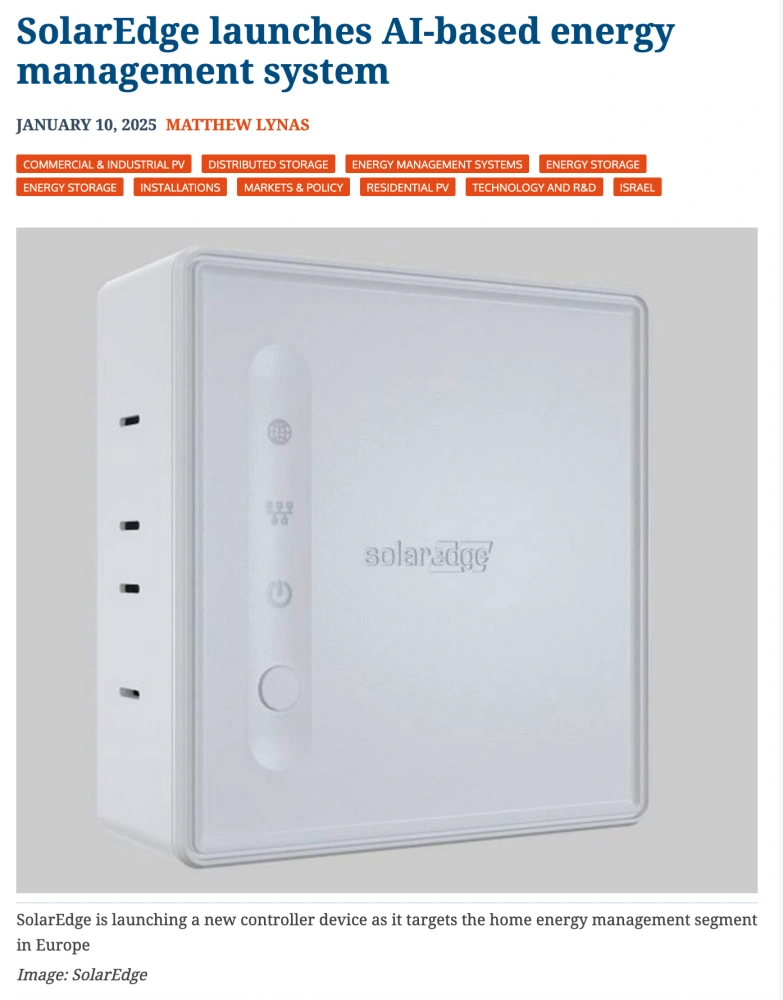
Why it ranks here: it’s a clear, public commitment to EMS—with products built around system control, not just DC optimization.
6. Tesla Energy (Powerwall)
Software strength—and a clear reminder about safety
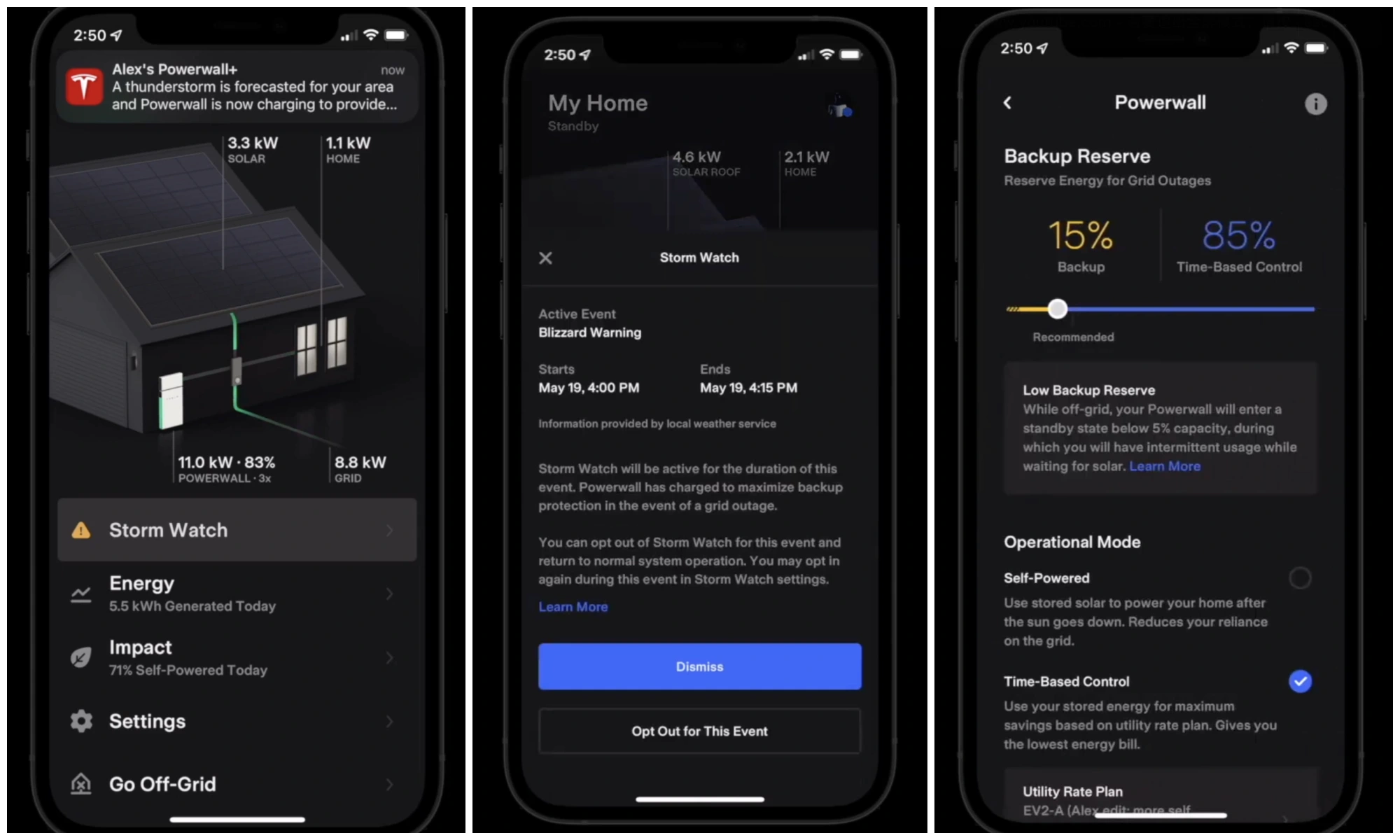
Powerwall remains one of the most mature software experiences in home storage, with over‑the‑air updates improving modes and behavior over time.
But 2025 also brought a significant reminder:
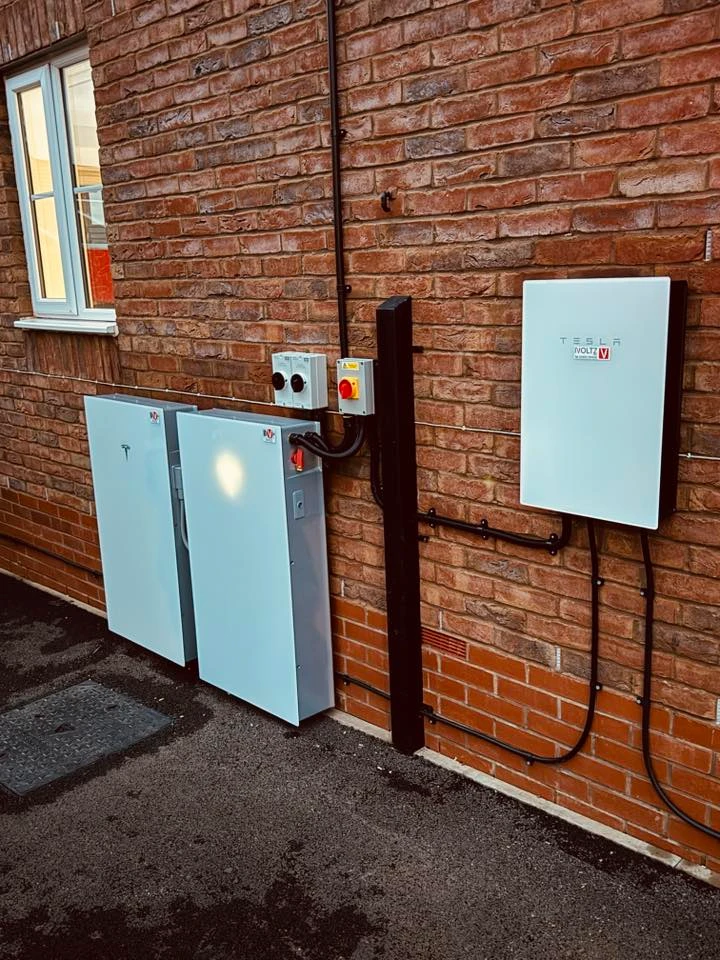
- Around 10,5005 Powerwall 2 units in the U.S. were recalled5 due to a risk associated with third‑party cells that could, under certain conditions, overheat and potentially cause smoke or fire.
- Tesla’s response involved remotely discharging affected batteries, then physically replacing modules at no charge, with notifications via the Tesla app and email.
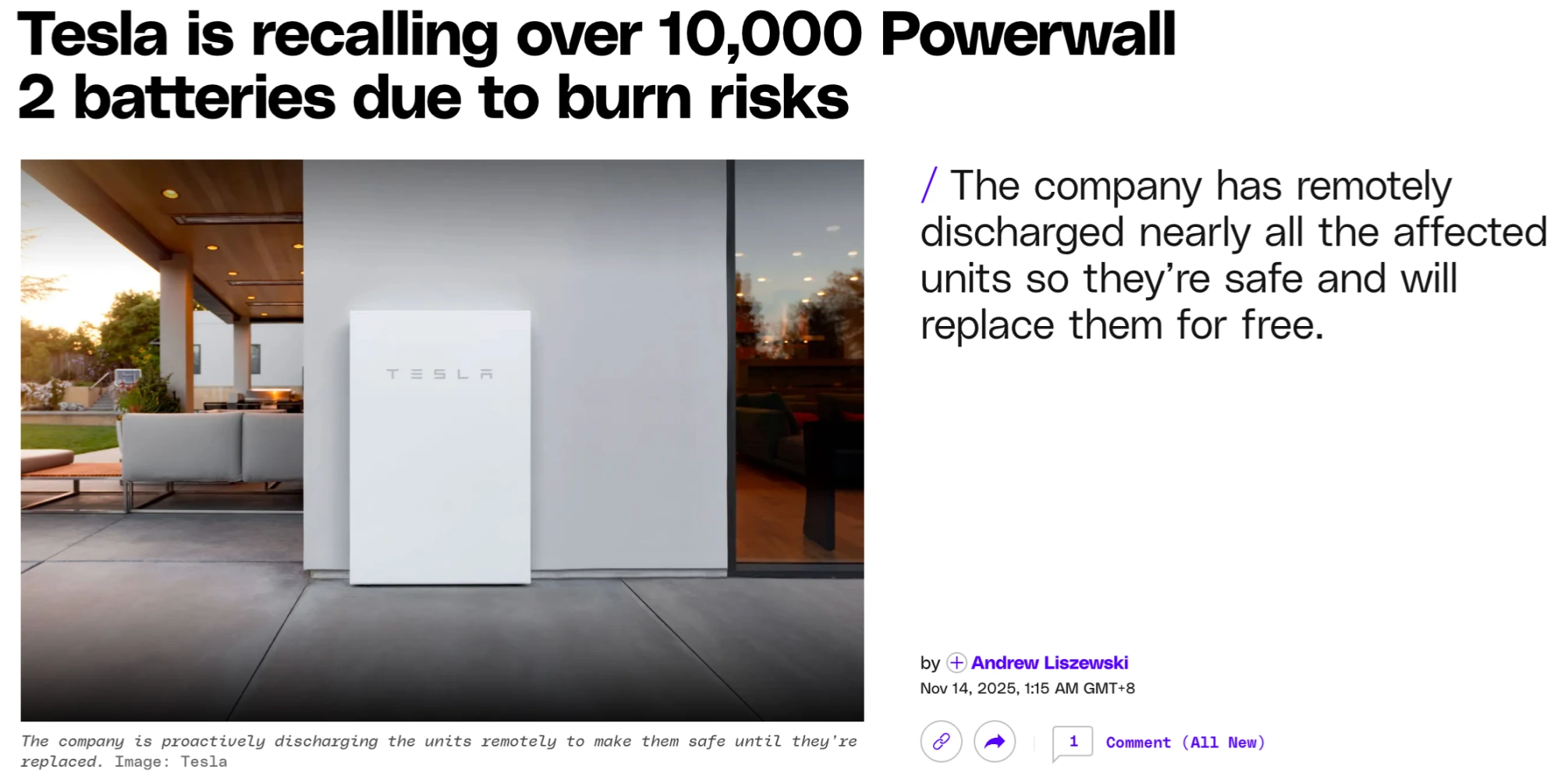
Why it ranks here: Powerwall still sets a software/OTA benchmark, and the recall underscores a practical reality—safety design, monitoring, and response processes are part of what “best” should mean.
7. GoodWe
ESA: quieter, easier, more flexible AIO for real homes
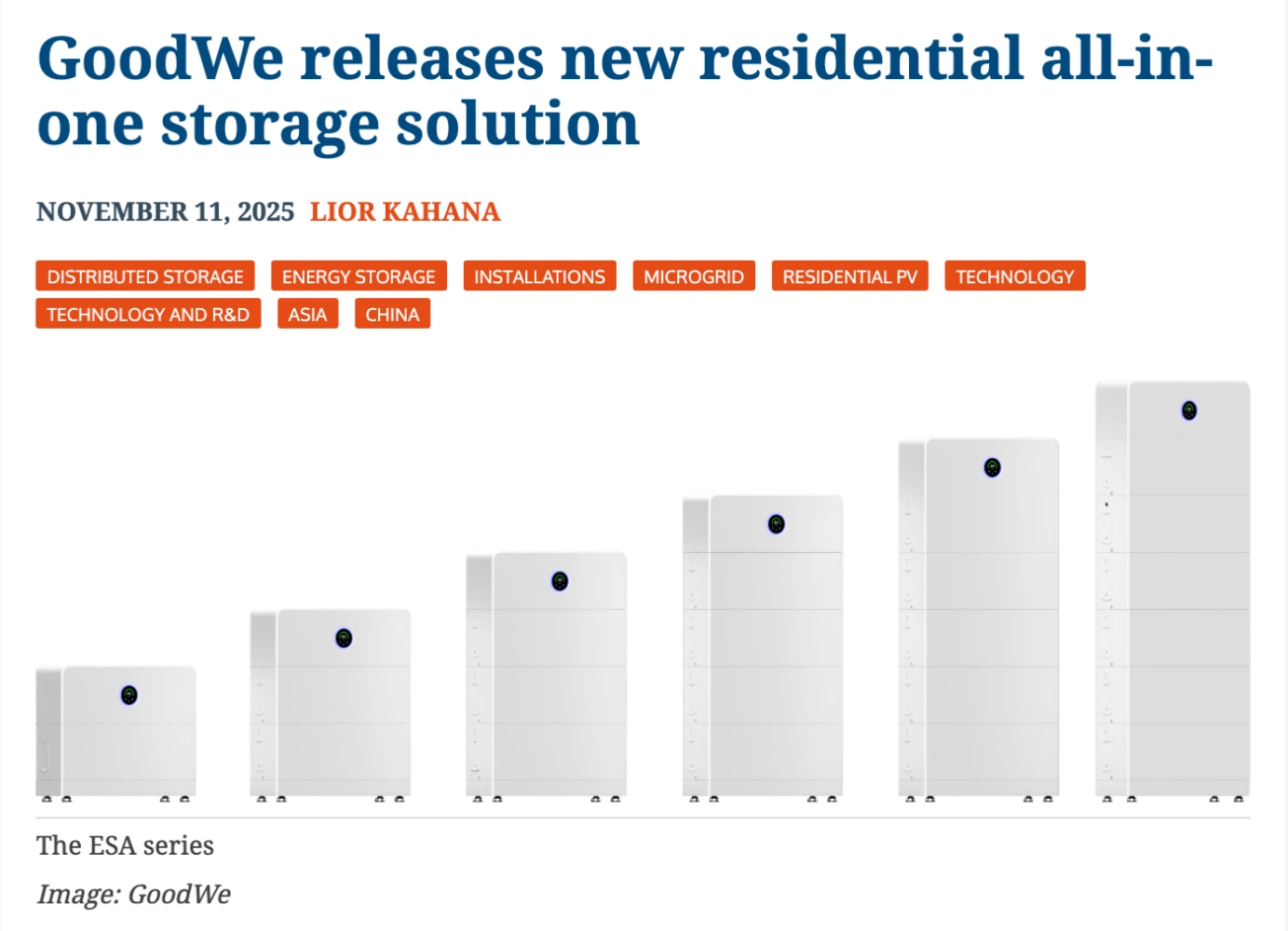
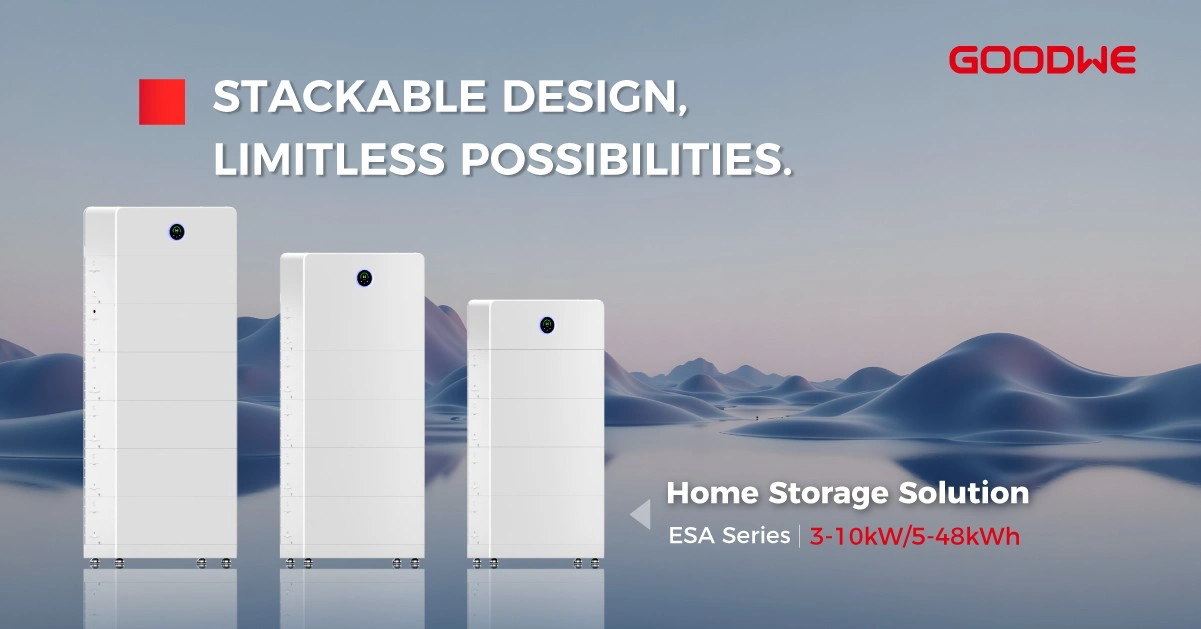
GoodWe’s 2025 launch of the new-generation ESA6 is a “make the AIO actually installer‑friendly” play:
- 3–10 kW single‑phase hybrid inverter + 5–48 kWh battery in one unit
- Up to 6 inverters paralleled, reaching 288 kWh for larger projects
- Inverter and battery rated IP66 for indoor/outdoor installation
GoodWe’s user‑level messaging centers on:
- Quieter operation (more “home appliance” than equipment rack)
- Simpler installation (fewer boxes, less wiring, shorter commissioning)
- Clearer expansion paths
Why it ranks here: ESA is less about a new category and more about turning “classic inverter company” reliability into a more repeatable, scalable residential package.
8. FranklinWH
aPower 2 + 15‑year warranty: whole‑home backup and lifecycle confidence
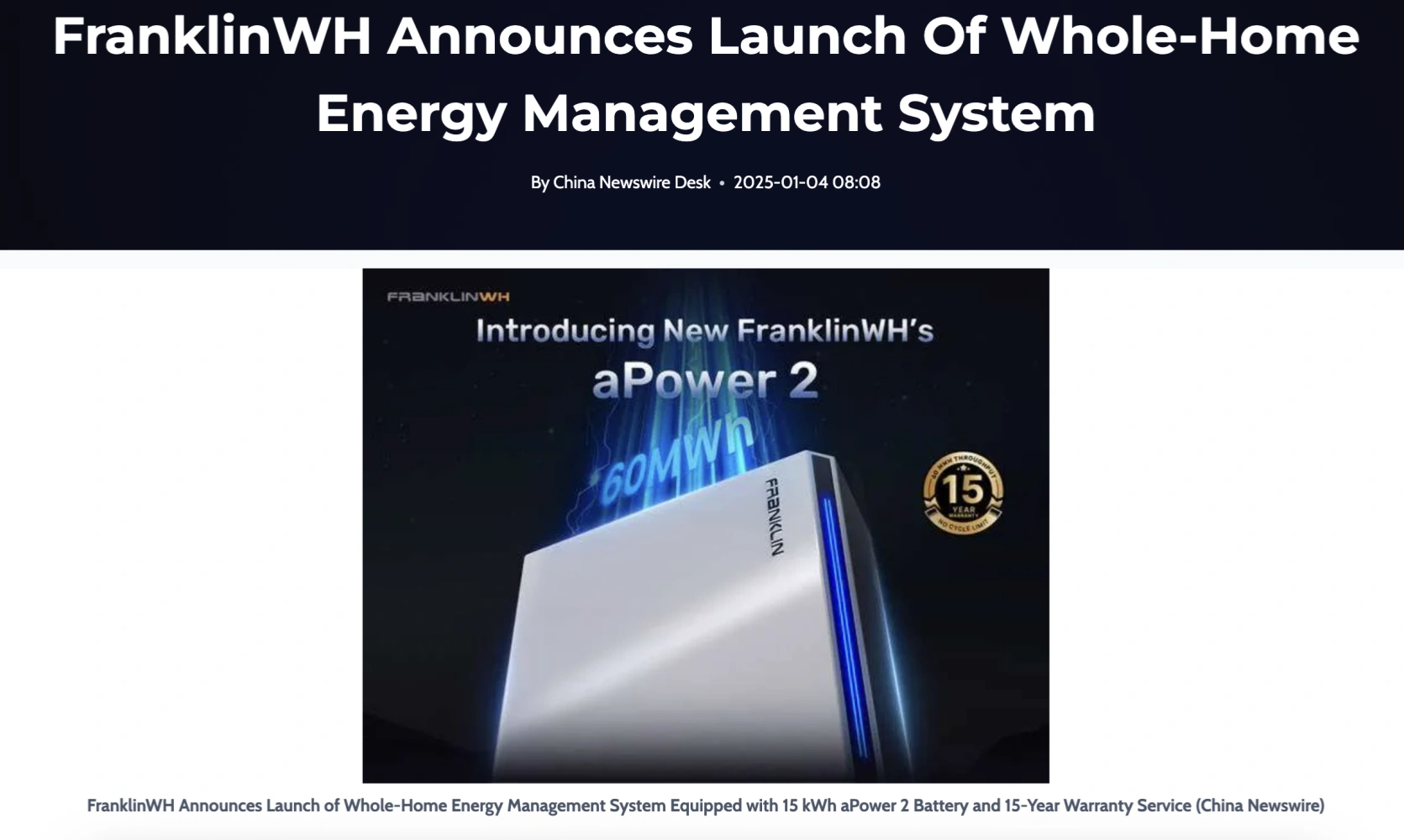
FranklinWH’s7 2025 story is focused and practical:
- aPower 2 battery: roughly 15 kWh capacity and 10 kW continuous output, positioned for whole‑home backup; marketed as supporting large loads (such as sizeable air‑conditioning).
- aGate controller to integrate PV, battery, and household circuits.
- App updates aimed at clearer UI and stronger analytics/scheduling.
The warranty for aPower 2 is:
- 15 years or a defined energy throughput,
- signaling confidence in long‑term performance.
Why it ranks here: it’s a strong “whole‑home backup + long warranty + steady software upgrades” package, even without the scale of the biggest global names.
FAQ: Cost, risk & long-term ownership
2025 Trends: All‑in‑One Systems, Smarter EMS, and Safety
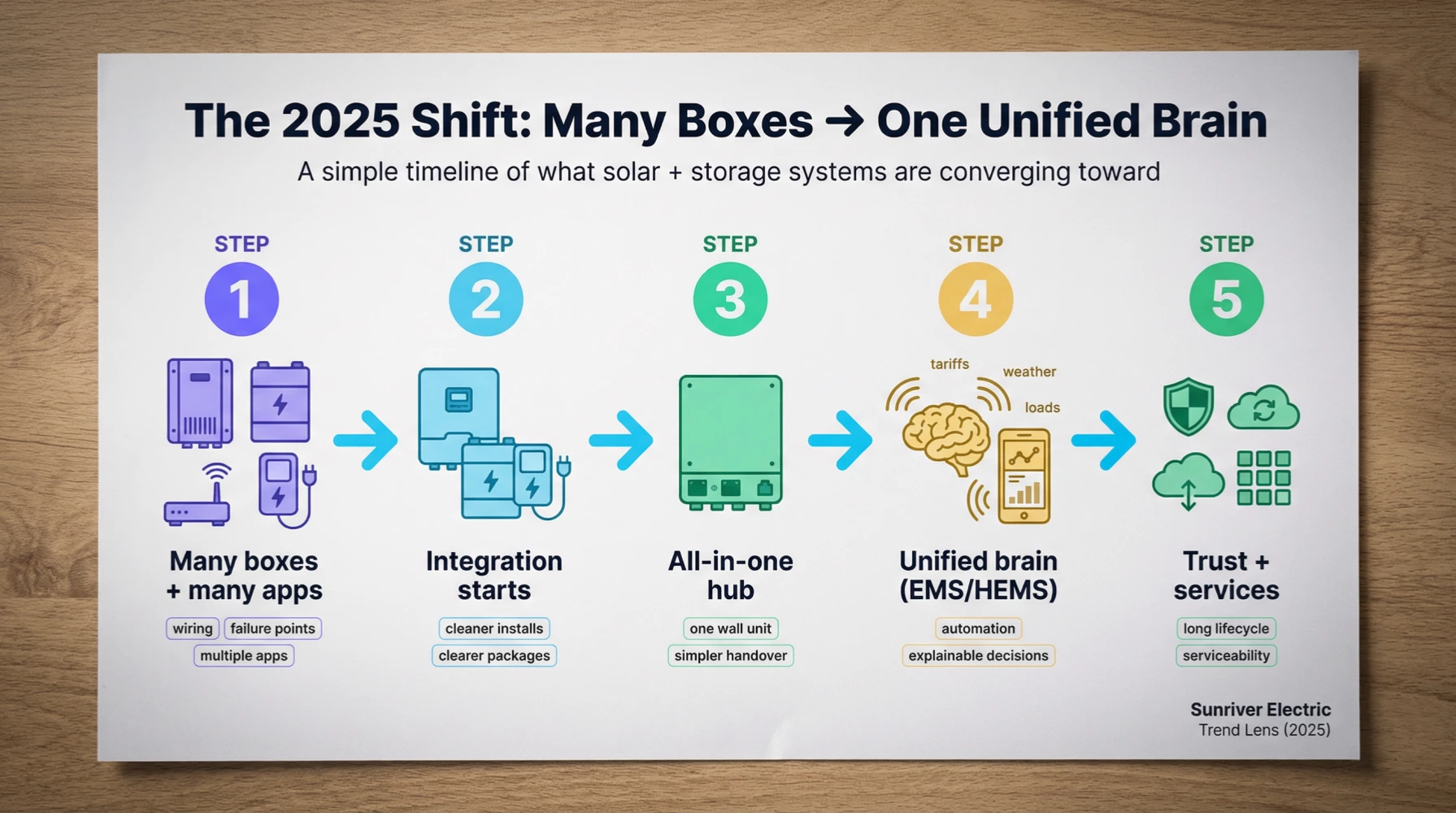
These trends are the real point of the list: use them as a lens when you evaluate any other brand that isn’t in this Top 8.
Trend 1: All‑in‑one is no longer about looking clean—it’s about failing less
The motive is consistent: reduce the number of external boxes, cables, and independent components needed to deliver PV + storage + backup + load control.
What that tends to translate into:
- Fewer connection points → fewer failure points
- More uniform configuration → more consistent commissioning
- Clear expansion paths → lower cost of later upgrades
🛠️ Deep Dives: The "All-in-One" Reality
Glossy brochures are nice, but how do these systems actually perform? We review the specifics.
- The Critical Questions: 7 Puzzles to Solve Before Committing to an All-in-One System
- HS3 Hands-On: SAJ HS3 Energy Storage System Review
- Installation Reality: SAJ HS3 Installation Guide (Step-by-Step)
- Category Overview: Comparison: The Best All-in-One Home Energy Storage 2025
Trend 2: Software and EMS moved from “extra” to “front stage”
In 2025, top brands rarely describe themselves as “hardware‑only.”
The real question is increasingly:
Am I buying only an inverter + batteries,
or a long‑term energy platform that keeps improving over 10–15 years?
Trend 3: Safety and compliance are becoming explicit differentiators
The Powerwall 2 recall made visible what has always been true: cell quality, protection design, and software logic all matter.
For buyers, that means:
- Don’t only compare kW and kWh.
- Take a hard look at safety features, warranties, and how a brand behaves when something goes wrong.
How to Choose: Homeowners vs Installers (Quick Checklist)
A practical way to use this guide: decide what kind of system you need first, then use the brand sections to ask sharper questions.
If you’re a homeowner (or business owner)
-
Choose the system type first, then the brand
- Stable grid, simple on‑grid PV → a good inverter + panels may be enough.
- Frequent outages → lean toward integrated storage systems and clearer backup architecture.
- EVs, heat pumps, smart‑home loads → prioritize stronger software/EMS maturity.
-
Treat “one app runs everything” as a real criterion
Ask your installer which app/portal you’ll actually live in day‑to‑day. -
Ask about the roadmap, not just today’s brochure
Update cadence, real examples of major UI/UX upgrades, and readiness for tariffs / VPP / device integrations matter over a decade.
If you’re an installer or distributor
-
Prefer brands that help you standardize
Clear reference designs, wiring diagrams, training, and remote diagnostics can directly reduce callbacks. -
Shift toward all‑in‑one and platform‑style solutions
Use AIO systems for mainstream residential where standardization matters; use stronger platforms for complex or premium projects. -
Make software training part of handover
Show the main app, the basic modes, and a sensible default strategy—this alone can prevent many “support tickets.”
Key Takeaways for 2025–2035 (What Matters Most)
In this category, “best” increasingly means fewer boxes, fewer failure points, and better software—plus a safety culture that shows up when something goes wrong.
Efficiency and hardware reliability still matter. But more and more, buyers end up choosing based on:
- Simplicity that reduces install and user error
- Software that is smart without being annoying
- Safety, monitoring, and response processes you can trust over a 10–15 year lifecycle
These eight brands are just examples of that shift, not the only winners. Use the lens, then apply it to whichever brands your project can realistically source, support, and service.
🛡️ Protect Your Investment (Safety & ROI)
Solar is a 15-year relationship. Here is how to keep your savings high and your home safe.
- Fire Safety: Solar AFCI Protection Explained (Why It Matters)
- Protect Your Wallet: Is Net Metering Disappearing? (How to Adapt)
- Grid Rules: Export Limits 101: What They Are & How to Set Them
- Troubleshooting: SAJ Elekeeper Monitoring: Setup, Alerts & AI
-
Huawei’s 2025 residential “Home Energy Management Solution 6.0” framing and the LUNA S1 product positioning (including warranty and scalability messaging). ↩ ↩
-
Sigenergy’s Intersolar 2025 narrative around the SigenStor “5-in-1” architecture and the mySigen App 3.0 upgrade. ↩ ↩
-
EcoFlow’s strategy of leading with the OASIS software layer across whole-home hardware (Ocean Pro, DELTA Pro Ultra X, and Smart Home Panel 3). ↩ ↩ ↩ ↩
-
SolarEdge’s push from hardware into a more explicit EMS platform story via SolarEdge ONE and the Europe-focused controller direction. ↩ ↩ ↩
-
Official recall notice and major-media reporting on the Powerwall 2 recall scope and remedy steps (remote discharge, replacement workflow, and customer notification). ↩ ↩
-
GoodWe’s 2025 ESA Series all-in-one launch framing and the core “installer-friendly AIO” positioning. ↩
-
FranklinWH’s aPower 2 whole-home system messaging and the 15-year warranty framing as a lifecycle-confidence signal. ↩
 English
  Deutsch (Österreich)
  Français
  Español
  Português