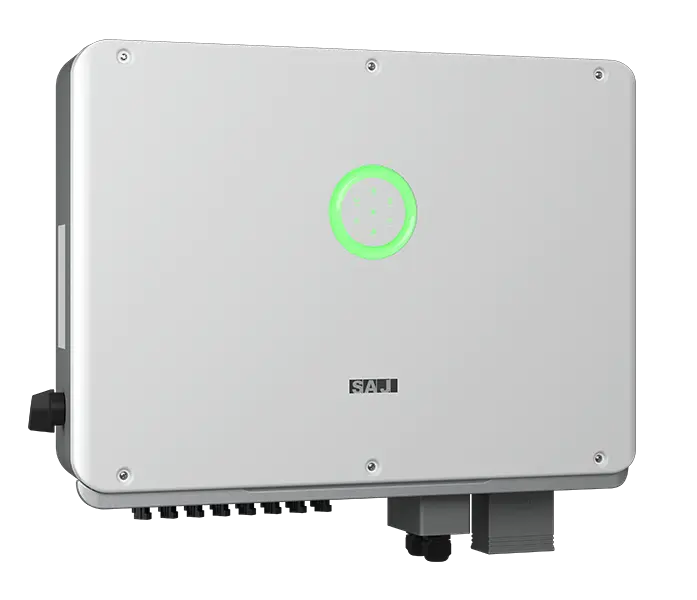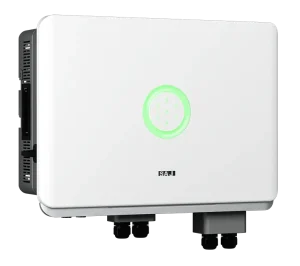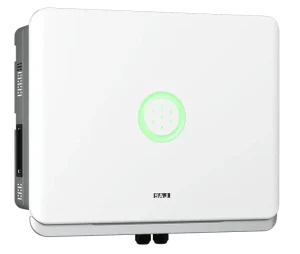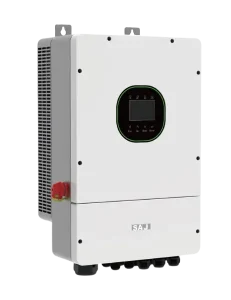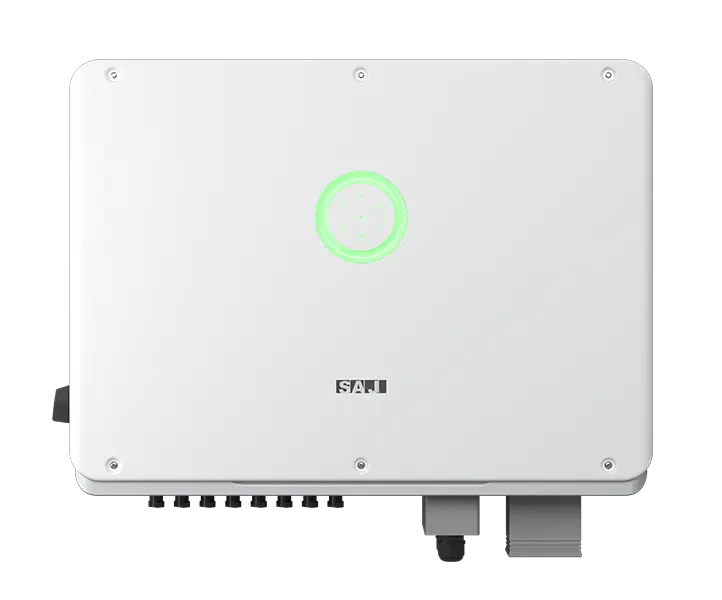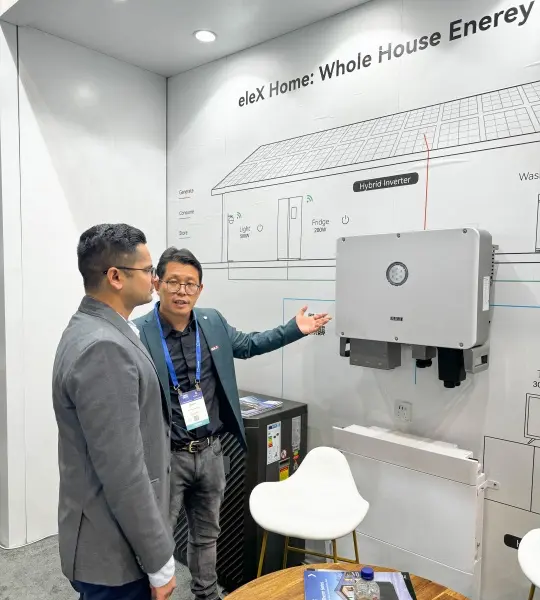

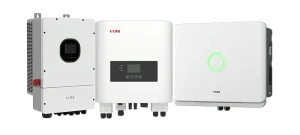
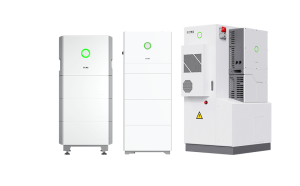
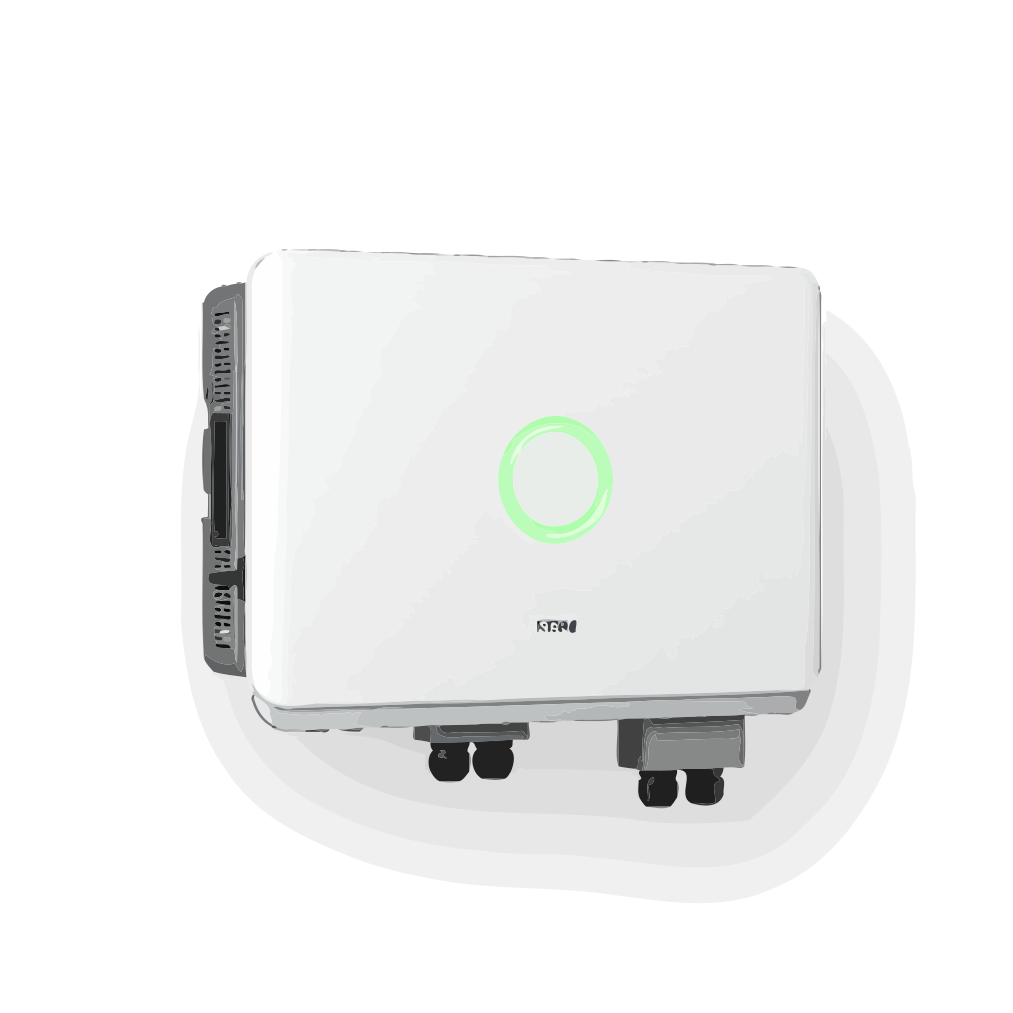
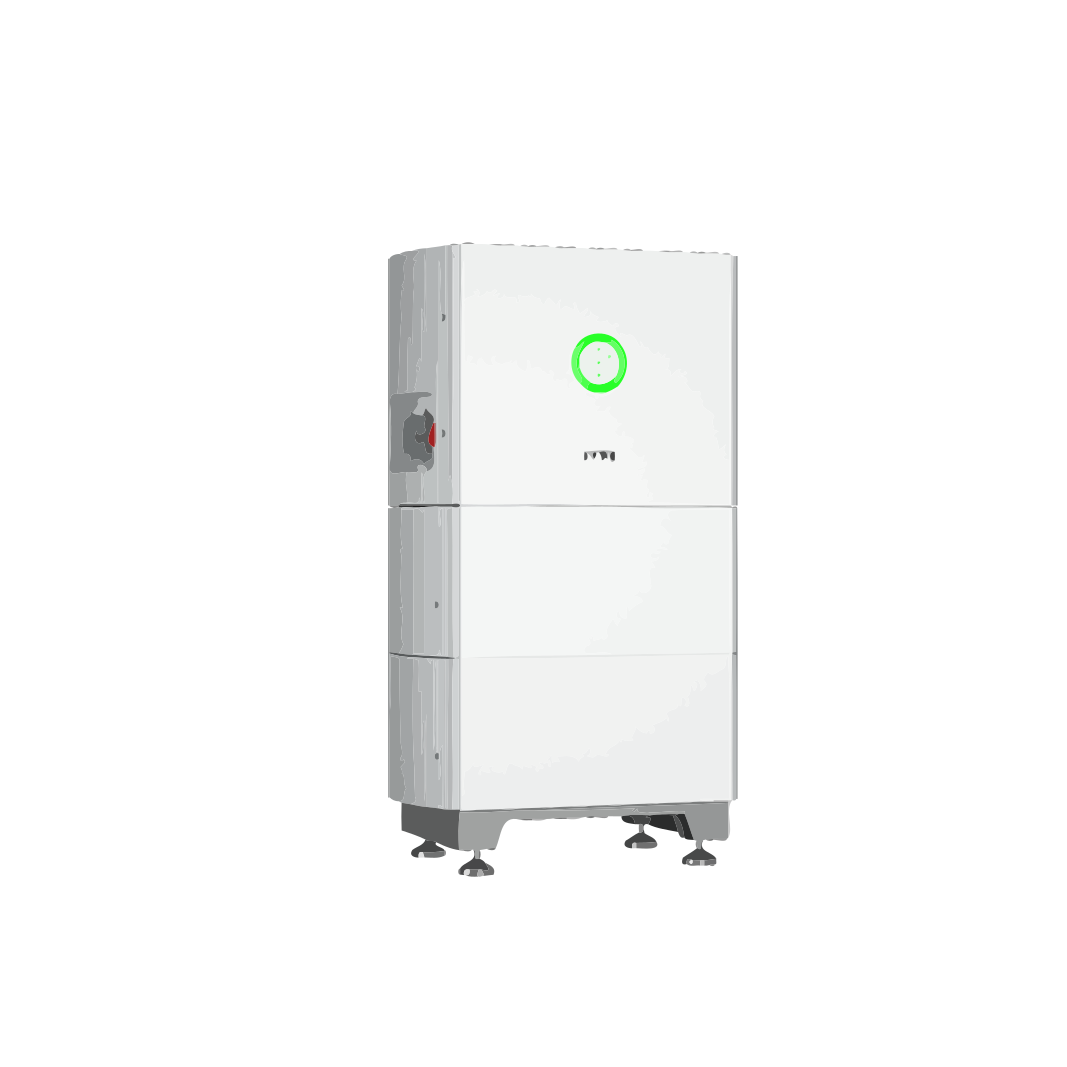
Inverter ibrido trifase H2-10k~30k

Specifiche tecniche
| Alimentazione CA | 10 kW - 30 kW |
|---|---|
| Tipo di inverter | Inverter ibrido |
| Intervallo di tensione MPP | 180 – 900 volt |
| MPP Tracker | 2 – 3 (model-dependent) |
| Fasi | 3 |
| Comunicazione | CAN, RS485, RS232, Wi-Fi, Ethernet, 4G, DRM |
| Pezzi per confezione | 1 per carton, 4 per pallet |
| Garanzia | 5 years (extendable up to 15 years) |
Descrizione del prodotto
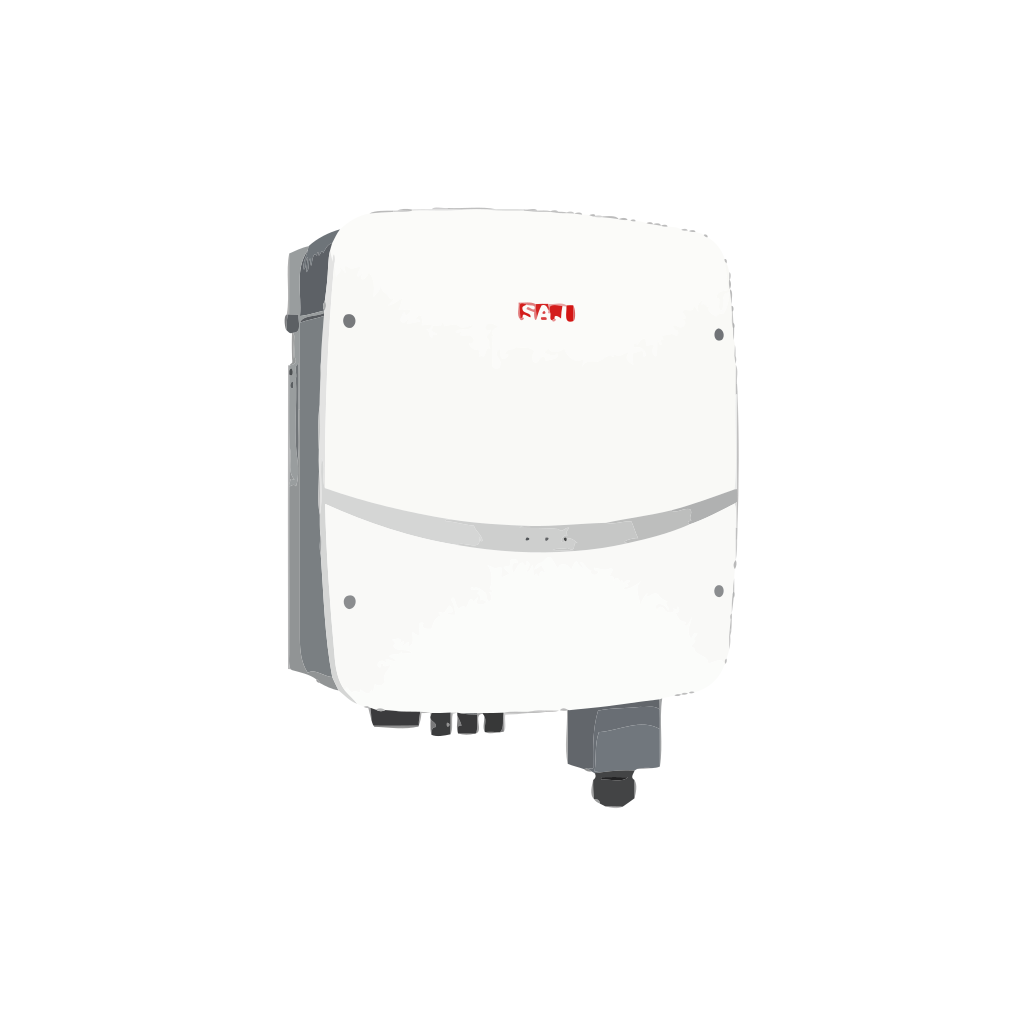
SAJ H2 10 – 30 kW Three-Phase Hybrid Inverter (T2 / T3)
Heavy-duty hybrid inverter for commercial villas and light-industrial roofs.
98 % peak efficiency, 3 × MPPT up to 20 A per string and dual 50 A battery ports deliver rock-solid performance, while 150 % DC oversizing, 110 % AC overloading and < 20 ms UPS switchover maximise uptime and yield.
Design
| Dimensioni | 576 × 659 × 242 mm |
| Peso | 50 kg |
| Raffreddamento | Intelligent fan < 50 dB |
| Allegato | IP 65 aluminium, C5 anti-corrosion |
Specifiche relative al sistema fotovoltaico e al sistema CA
| Potenza nominale in corrente alternata | 10 / 12 / 15 / 20 / 25 / 30 kW |
| Potenza fotovoltaica massima | 20 – 45 kW DC (150 %) |
| MPPTs / Strings | 2 × 2 (T2) or 3 × 2 (T3) |
| MPPT Range | 180 – 900 V DC |
| Max String Current | 20 A (40 A per MPPT) |
| Uscita della griglia | 3L+N+PE 220/380 – 240/415 V |
| AC Overload | 110 % for 60 s |
| Alimentazione di emergenza UPS | 10 – 30 kVA, < 20 ms transfer |
| Massima efficienza | 98 % |
Specifiche della batteria
| Chemistry | LiFePO4 (HV 180 – 800 V) |
| Ports | 2 × 50 A (1C charge / discharge) |
| Round-trip η | 97.6 % |
| Compatible stacks | Up to two battery banks (CAN) |
Funzioni intelligenti
- Self-Use, Time-of-Use, Backup & Peak-shaving modes
- Zero-export & dynamic limit via SAJ smart meter
- 100 % three-phase imbalance support
- Opzionale AFCI 20 A for arc-fault shutdown
- Bluetooth LCD + Elekeeper app; Wi-Fi / Ethernet / 4G cloud & OTA updates
Safety & Compliance
- Type II AC & DC SPDs, DC switch, RCMU, GFCI, DCI & insulation monitoring
- Active anti-islanding (AFD), AC short-circuit & overload protection
- Meets EN 50549, CEI 0-21/0-16, AS 4777.2, VDE-AR-N 4105, G98/G99 …
Installazione e assistenza
- Wall-mount bracket, MC4 PV inputs, quick-fit AC & battery plugs
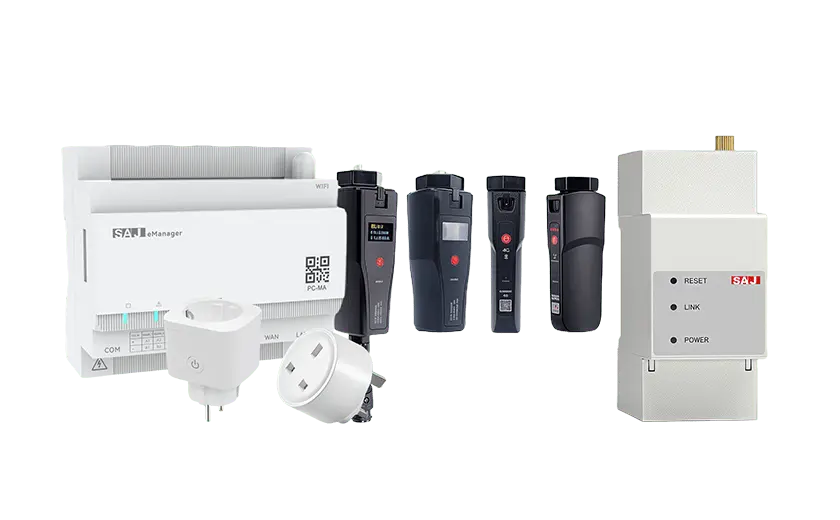
- Smart meter, CT set & AIO3 communication module included
- Commission in minutes via Elekeeper app
- Global SAJ support network
Garanzia
| Copertura standard | 5 anni |
| Opzioni di estensione | 10 / 15 years |
Risorse sui prodotti
Scarica il manuale d'uso e la scheda tecnica aggiornati:
Galleria video dei prodotti
Guarda le nostre dimostrazioni dei prodotti e i nostri tutorial
SAJ's beautiful and stunning case reference in Sweden - 2023 - EN
Impossibile caricare il video
SAJ Installation Guidance & Addressing Common Installation Issues and Solutions
Impossibile caricare il video
SAJ H2&B2 Installation tutorials
Impossibile caricare il video
SAJ at ☀SNEC ES+ 2023 Shanghai: Revolutionize Energy Storage Solutions - 2023 - EN
Impossibile caricare il video
SAJ H2 & B2 High Voltage Energy Storage Solution
Impossibile caricare il video
Smarter and More Profitable - SAJ at Intersolar Europe 2023
Impossibile caricare il video
Applicazioni Scenari
Scopri come questo prodotto può essere utilizzato in diversi scenari reali
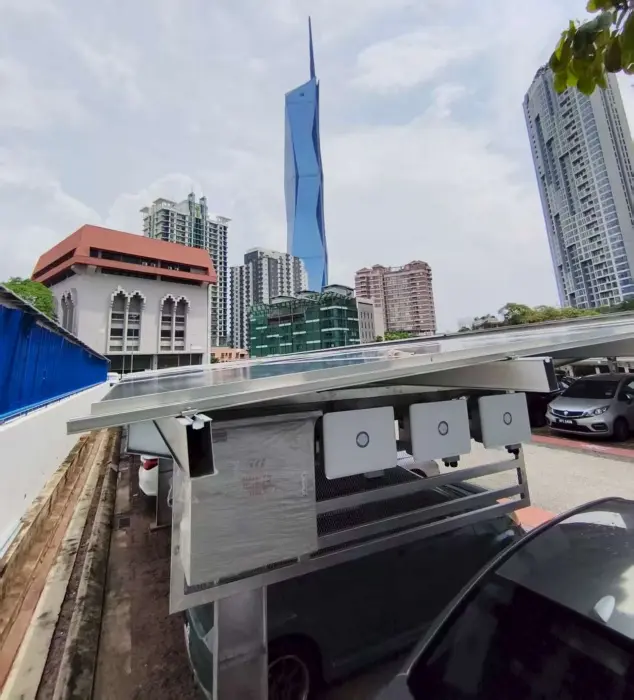
C&I Rooftop (10–30 kW): Office / Clinic / Supermarket
Who it’s for: Small-to-mid commercial buildings that need three-phase supply, seamless backup for IT/POS, and TOU bill savings.
| Componente | Recommended | Why |
|---|---|---|
| PV array | 12–30 kW on 2–3 MPPTs (2 strings/MPPT) | Covers daytime base load; handles mixed roof aspects |
| HV battery | 15–30 kWh (dual HV ports supported) | Shaves evening peaks; rides through short outages |
| Backup bus | POS, lighting, networking, cashier PCs | Keeps operations online (UPS ≤20 ms) |
Three-phase balance checklist:
- Distribute single-phase sub-circuits across L1/L2/L3
- Keep high-inrush motors (compressors) on non-backup side
- Verify export limit readings before handover (screenshot)
“Two grid dips this week—checkout systems never rebooted.” — Facility Manager
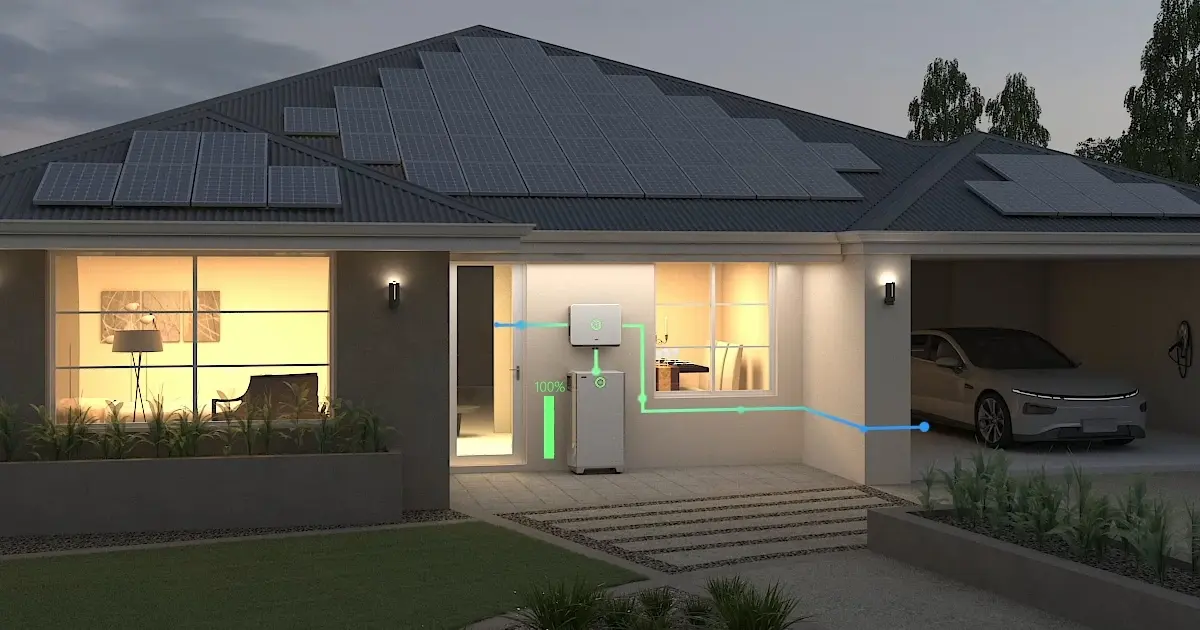
EV-Ready Villa / Boutique Hotel: HVAC + Night Peak Shaving
Who it’s for: Villas or small hotels with three-phase HVAC/heat pump and EV charging, aiming for comfort + lower bills.
Suggested setup:
- PV 15–25 kW across 2–3 MPPTs (split S/E/W)
- Battery 20–30 kWh; reserve SOC 25–30% for outages
- EV charger and HVAC placed on non-backup branch
Simple TOU plan (code style):
Charge (off-peak): 00:00–05:00 Discharge (peak): 18:00–22:00 Reserve SOC: 25% Export Limit: 0 W (if required)
Installer notes:
- Balance single-phase sub-loads across L1/L2/L3
- Leave backup bus for lights, IT, security, elevators (if small)
- Save screenshots of grid profile and export-limit for records
Apartment Building Common Areas: Night Security & Cost Control
Who it’s for: Multi-unit residential buildings needing quiet, seamless backup for corridors, lobby IT, and security—plus lower common-area bills.
| Subsystem | Typical power | Backup? | Note |
|---|---|---|---|
| Corridor & stairwell LEDs | 300–800 W | Yes | No flicker during dips (UPS ≤20 ms) |
| CCTV + access control | 50–120 W | Yes | 24/7 continuity for security |
| Lobby/concierge IT | 150–300 W | Yes | Routers, PCs, intercoms stay online |
| Water booster / elevator | kW-class | No | Leave on non-backup (high inrush) |
Energy plan (simple):
PV daytime: PV → Corridors/Lobby IT; surplus → Battery Evening peak: Battery → Corridors/CCTV (18:00–23:00) Night buffer: Reserve SOC 25–30% for late-night security Maintenance: Download monthly report; review alarms
Commissioning essentials:
- Balance single-phase branches across L1/L2/L3 to reduce neutral loading.
- Move essential circuits (LEDs/CCTV/IT) to the backup panel; label clearly.
- Run a 2-minute outage test; confirm transfer time and load priority.
- Recommended PV: 12–24 kW on 2–3 MPPTs; Battery: 20–40 kWh (dual HV ports).
- Keep motors (pumps/elevators) on non-backup; schedule starts outside evening peaks.
- Save screenshots of final parameters and monthly kWh report for board records.
“Two outages this month—corridors stayed lit and cameras never dropped.” — Building Manager
Come collaboriamo con voi
Dalla prima telefonata alla consegna finale, rendiamo il processo semplice e trasparente
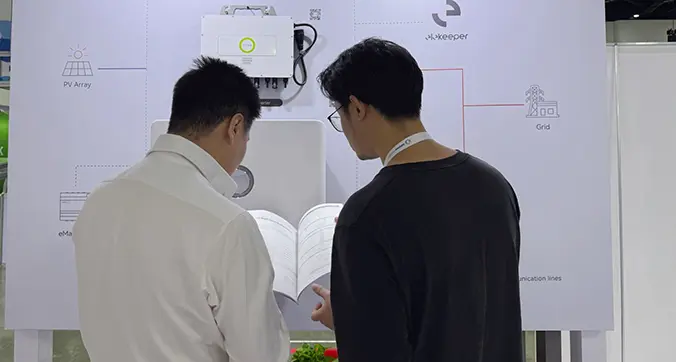
Discutere e pianificare
Ascoltiamo le tue esigenze e elaboriamo un piano su misura per te. Il nostro team ti aiuterà a comprendere tutte le opzioni a tua disposizione.
Cita e accetta
Ti verrà comunicato un prezzo chiaro, senza costi nascosti. Una volta che sarai soddisfatto di tutto, firmeremo il contratto e inizieremo a lavorare.
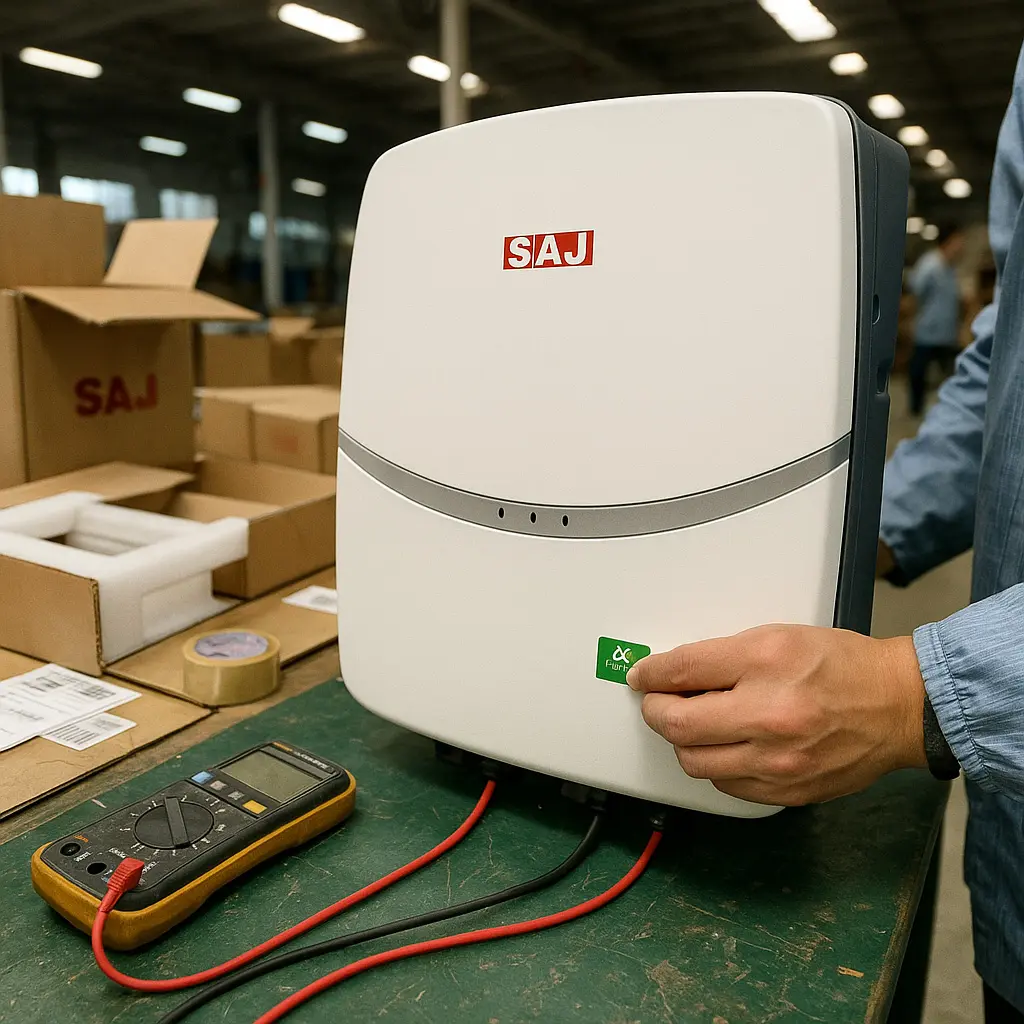
Prepara e controlla
Prepariamo con cura il tuo ordine e verifichiamo che tutto sia conforme ai nostri elevati standard. Sarai sempre informato su come procede la procedura.

Spedizione e assistenza
Il tuo ordine ti verrà spedito in modo sicuro e puntuale. Siamo sempre a tua disposizione per qualsiasi necessità dopo la consegna.
Domande frequenti
Trova le risposte alle domande più frequenti sui nostri prodotti e servizi
How do I choose the right inverter size (10k / 12k / 15k / 20k / 25k / 30k)?
Quick rule: Size the inverter by your peak daytime load e roof PV potential, not just the meter rating.
| Site type | Typical peak load | Suggested inverter | PV array | Battery (evening 2–4h) |
|---|---|---|---|---|
| Small clinic / store | 6–9 kW | 10–12 kW | 8–12 kW | 10–15 kWh |
| Villa w/ heat pump | 10–14 kW | 15–20 kW | 12–18 kW | 15–20 kWh |
| Workshop / small factory | 15–24 kW | 20–25 kW | 18–30 kW | 20–30 kWh |
| Large retail / EV-ready | 22–30 kW | 25–30 kW | 24–36 kW | 25–40 kWh |
Rules of thumb:
- PV size ≈ 1.2–1.5 × average daytime load (roof & policy permitting).
- Battery kWh ≈ evening peak kW × hours + 15–25% reserve.
- Put EV charger / heavy motors on the non-backup side.
Checklist before you lock the size:
- List top 5 loads you must keep during outages (backup bus).
- Confirm roof orientations for 2–3 MPPT distribution.
- Check local limits (export cap / phase balance / DNSP rules).
How does backup work and what wiring rules matter most?
| Model class | Recommended AC breaker |
|---|---|
| 10–20 kW | 50 A |
| 25–30 kW | 63 A |
Grid/backup neutrals: In AU/NZ system diagrams, grid-side N and backup-side N are common; PE at the BACK-UP port is not connected. Follow local codes.
- Balance single-phase loads across L1/L2/L3; keep high-inrush devices off backup.
- Use 10–16 mm² AC cable (16 mm² recommended) and 8 mm² additional ground as guided.
- Confirm LED/app status after a simulated grid-off test.
What can I actually do in the app day-to-day (without touching wiring)?
Everyday tasks you’ll use most:
- Switch working modes: Self-Use / Backup / Time-of-Use.
- Set a Reserve SOC (e.g., 25–30%) for evening outages.
- Turn Zero-Export on/off if your utility requires it.
- Check yesterday’s energy report and monthly trend.
- Run a firmware update when prompted (one tap, no site visit).
Simple TOU schedule (example):
Charge (off-peak): 00:00–05:00 Discharge (peak): 18:00–22:00 Reserve SOC: 25% Export Limit: 0 W (if policy needs it)
How should I size PV strings and the HV battery for H2-10k~30k?
PV side: Max 1000 Vdc; MPPT 180–900 V; up to 3 MPPTs with 2 strings/MPPT. DC input currents 40/40/40 A allow modern high-current strings.
Example: Panel Voc(stc)=49 V; TempCoeffVoc=-0.28%/°C; Tmin=-10°C Voc(@-10°C)=49×[1+0.0028×(25-(-10))]≈53.8 V Max series ≈ floor(1000/53.8)=18 modules/string
Battery side: LiFePO₄ 180–800 V; dual ports; max charge/discharge 2×50 A. Use CAN/RS485 BMS mapping for accurate SOC and safe curves.
- Supports ~150% DC oversizing to boost yield in low-irradiance hours.
- Supports three-phase voltage imbalance and fast battery charge/discharge.
How do I commission and monitor (app, grid profile, Volt-Var/Volt-Watt)?
- Install the Elekeeper app (formerly eSAJ Home); choose Overseas Node; bind device by SN via Bluetooth.
- Select country/grid profile (e.g., AS4777_A/B/C for AU) and save protection parameters.
- Connect Wi-Fi/Ethernet/4G module for cloud; monitor via app or eSolar web.
Power quality: Fixed PF/Var, Volt-Watt e Volt-Var per AS/NZS 4777.2 / DNSP presets. Review after firmware updates.
Simple TOU example: Charge (off-peak): 00:00–05:00 Discharge (peak): 18:00–22:00 Reserve SOC: 25% Export Limit: 0 W if required by utility
What ships with the inverter and how does Sunriver help you deploy faster?
In the box (typical AU set):
| Item | Use |
|---|---|
| Hybrid inverter unit | PV + Battery control (on/off-grid) |
| Mounting bracket & hardware | Wall install |
| PV/battery connectors, AC terminals | Clean terminations |
| Smart meter (DTSU666) + 3 CTs + 10 m RS485 | Export limit & energy data |
| Waterproof covers (AC/Comm/DC) | IP65 integrity |
| Quick Guide + User Manual | Wiring & commissioning |
What we prepare for you:
- FOB pricing and model matching for 10–30 kW sites
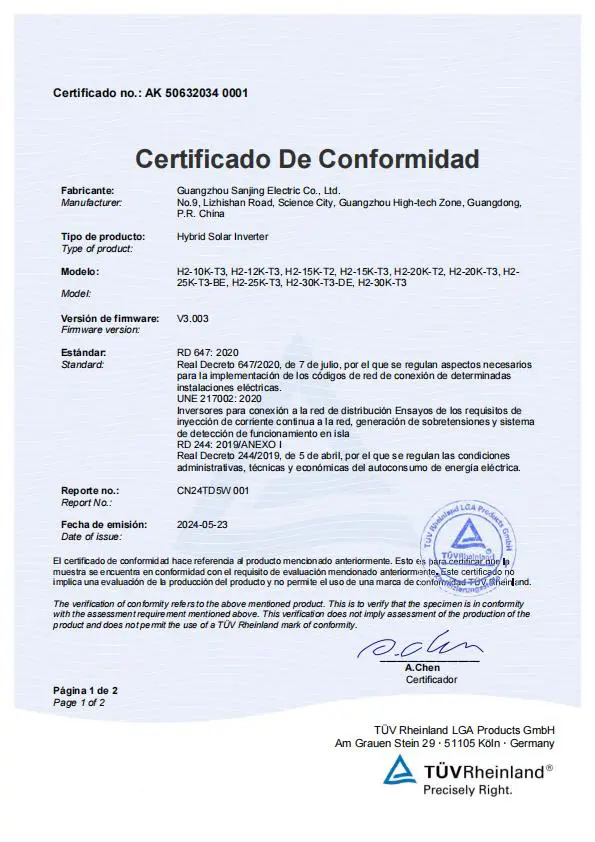
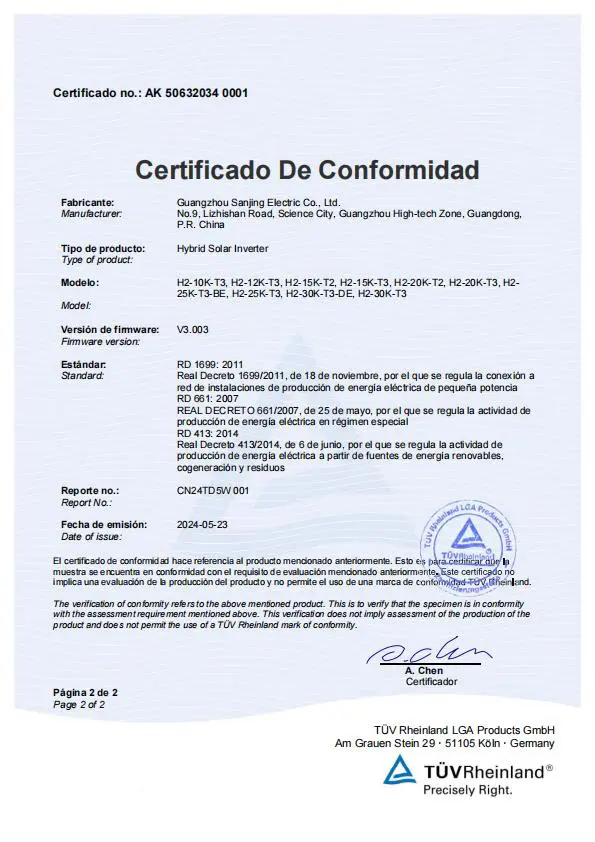
- Digital manuals, quick guides, and compliance certificates on request
- Meter/CT wiring notes and Export-Limit setup checklist
Pre-install checks: confirm breaker size (50 A or 63 A), CT orientation (→ grid), RS485 A/B polarity, and grid profile selection in the app.
Hai ancora domande?
Non riesci a trovare la risposta che cerchi? Il nostro team di assistenza è a tua disposizione per aiutarti.
Prodotti correlati
Scopri prodotti simili che potrebbero interessarti
Sei pronto a parlare di questo prodotto?
Facci sapere di cosa hai bisogno: dai prezzi e dalla disponibilità alle specifiche tecniche o alla pianificazione del progetto. Il nostro team di prodotto ti risponderà entro 24 ore.
- Richiedi preventivi personalizzati e tempi di consegna
- Ottieni assistenza tecnica e verifiche di compatibilità
- Ricevi la documentazione sui prodotti e i casi di studio
Grazie! Abbiamo ricevuto la tua richiesta.
I nostri esperti di prodotto ti contatteranno entro 24 ore. Si è aperta una pagina di ringraziamento dettagliata in una nuova scheda.