
 sales@sunriver-electric.com
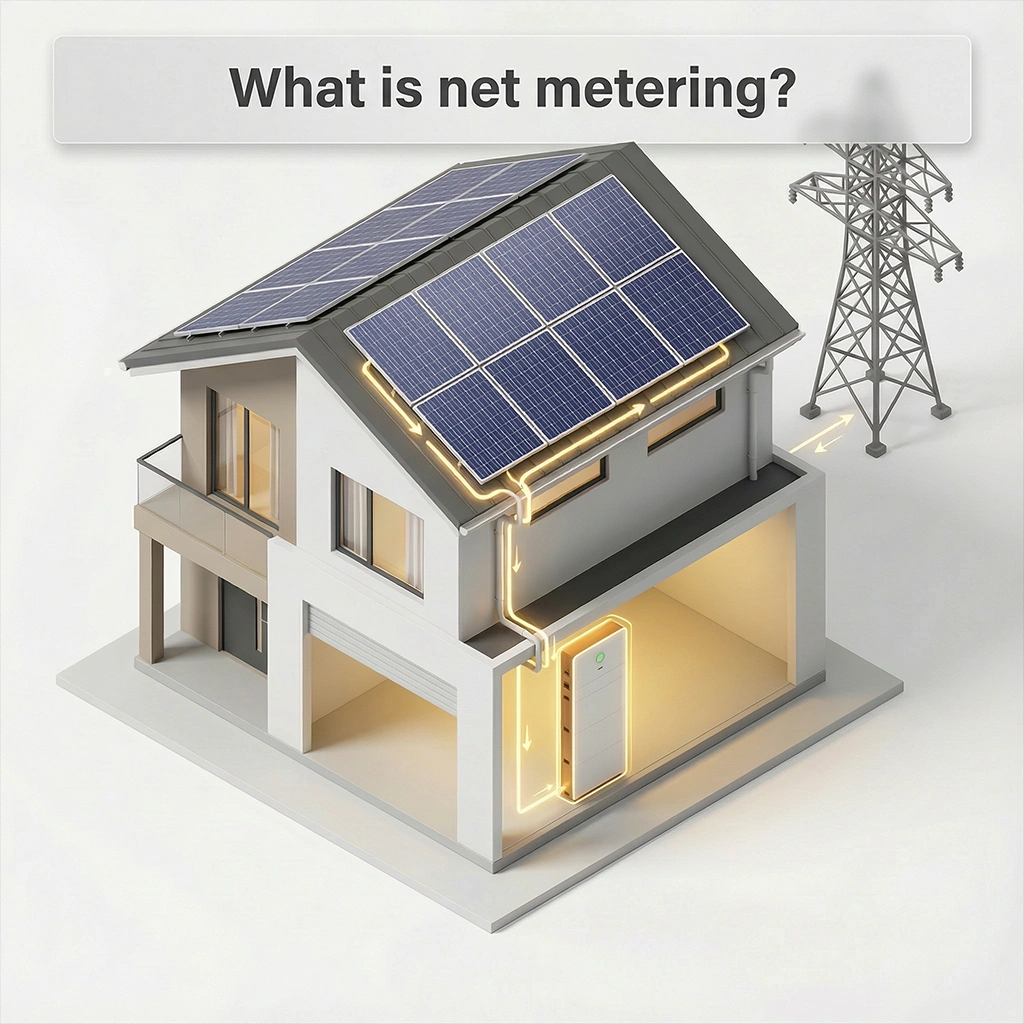
For over two decades, Net Metering was the golden rule of solar. It was a simple, fair deal that allowed the electrical grid to function as a "free battery" for your home. You deposited excess solar energy during the day and withdrew it at night, typically at a fair 1-for-1 exchange rate.
But that deal is disappearing.
As grid infrastructure becomes crowded, major utilities globally are moving from traditional Net Metering to "Net Billing" (often seen on bills as NEM 3.0 or Avoided Cost). This shift changes the fundamental math of solar investment.
To protect your Return on Investment (ROI)1, you must understand whether you are trading power at a fair rate or selling it at a loss—and why the "Old Strategy" of simply sending power to the grid might now be draining your wallet.
Puntos clave
- Net Metering: A billing mechanism where you trade electricity with the grid at the full retail rate (1:1).
- Net Billing: A new standard where you sell exports at a low "wholesale" rate and buy imports at a high "retail" rate.
- The Strategic Shift: To counter rising costs, modern solar strategies prioritize Self-Consumption (keeping your own power) via Hybrid Systems rather than exporting to the grid.
The Old Rule (Net Metering): When the Grid Was Your "Free Battery"
At its core, Net Metering turns your electric meter into a bi-directional ledger. It tracks two distinct values: Importar (energy you buy from the grid) and Exportar (excess energy you send to the grid).
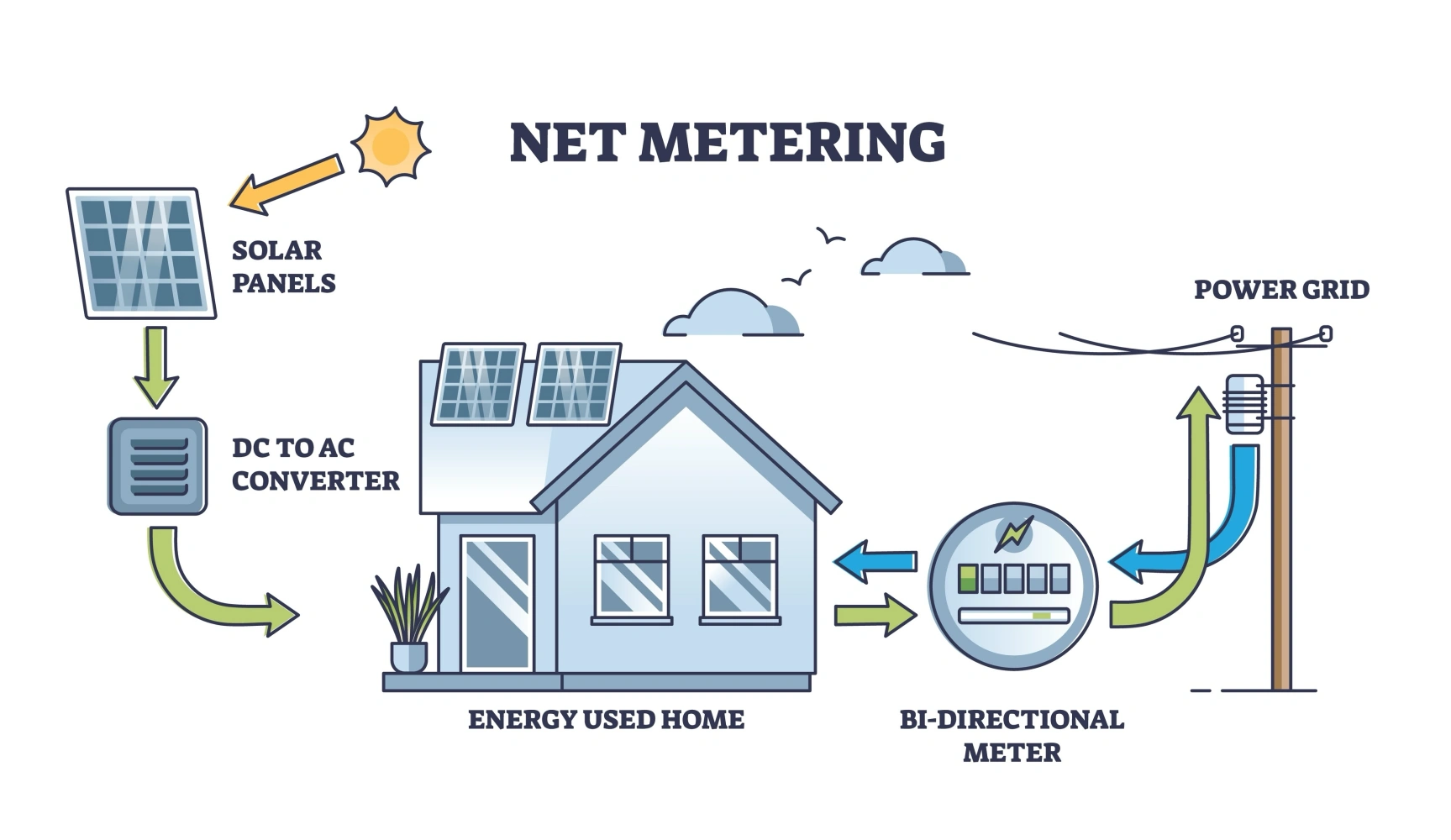
In the classic scenario (Legacy 1:1 Net Metering), every kilowatt-hour (kWh) you send to the grid creates a credit worth exactly one kWh of usage later. If you export 10 kWh at noon and use 10 kWh at night, the utility treats it as a wash—your net bill for that energy is zero.
The Seasonal Reality: The "Annual Banking" Cycle
Real expertise means understanding that Net Metering isn’t just about Day vs. Night; it is a seasonal survival strategy.
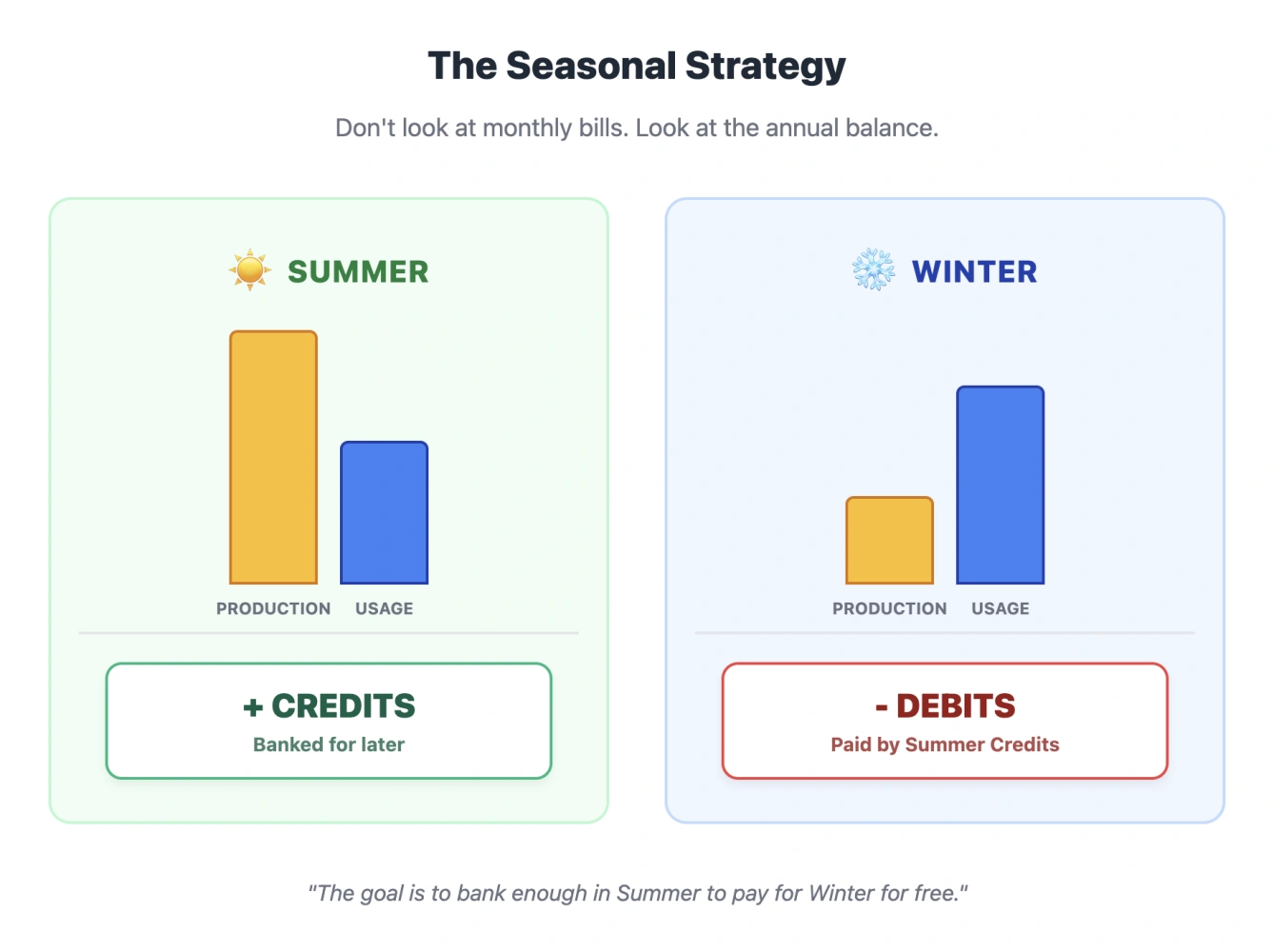
- Summer (The "Deposit" Season): Your panels produce far more energy than your home consumes. You aren’t just powering your AC; you are building up a massive "Credit Balance" in the utility’s ledger.
- Winter (The "Withdrawal" Season): As days get shorter and production drops, you stop exporting. You draw power from the grid, "spending" the credits you banked in July.
The Critical "True-Up" Event
Once a year (usually on your installation anniversary), the utility settles the account. Under the old rules, the goal was simply to hit a Net Zero bill.
Nota: Under Net Metering, the goal isn’t to produce maximum power; it’s to produce exacto power. Over-producing usually just gives the utility free energy, as "Net Surplus Compensation" rates are typically negligible (often $0.03/kWh).
Visual Evidence: Watching the Trade
You can see this financial exchange happening in real-time on modern monitoring interfaces.
If you look at the SAJ Elekeeper App, the dashboard visualizes this relationship clearly. During peak sunlight hours, you will see a glowing green arrow flowing away from your house icon toward the grid icon. This arrow represents your "deposit" hitting the bank.
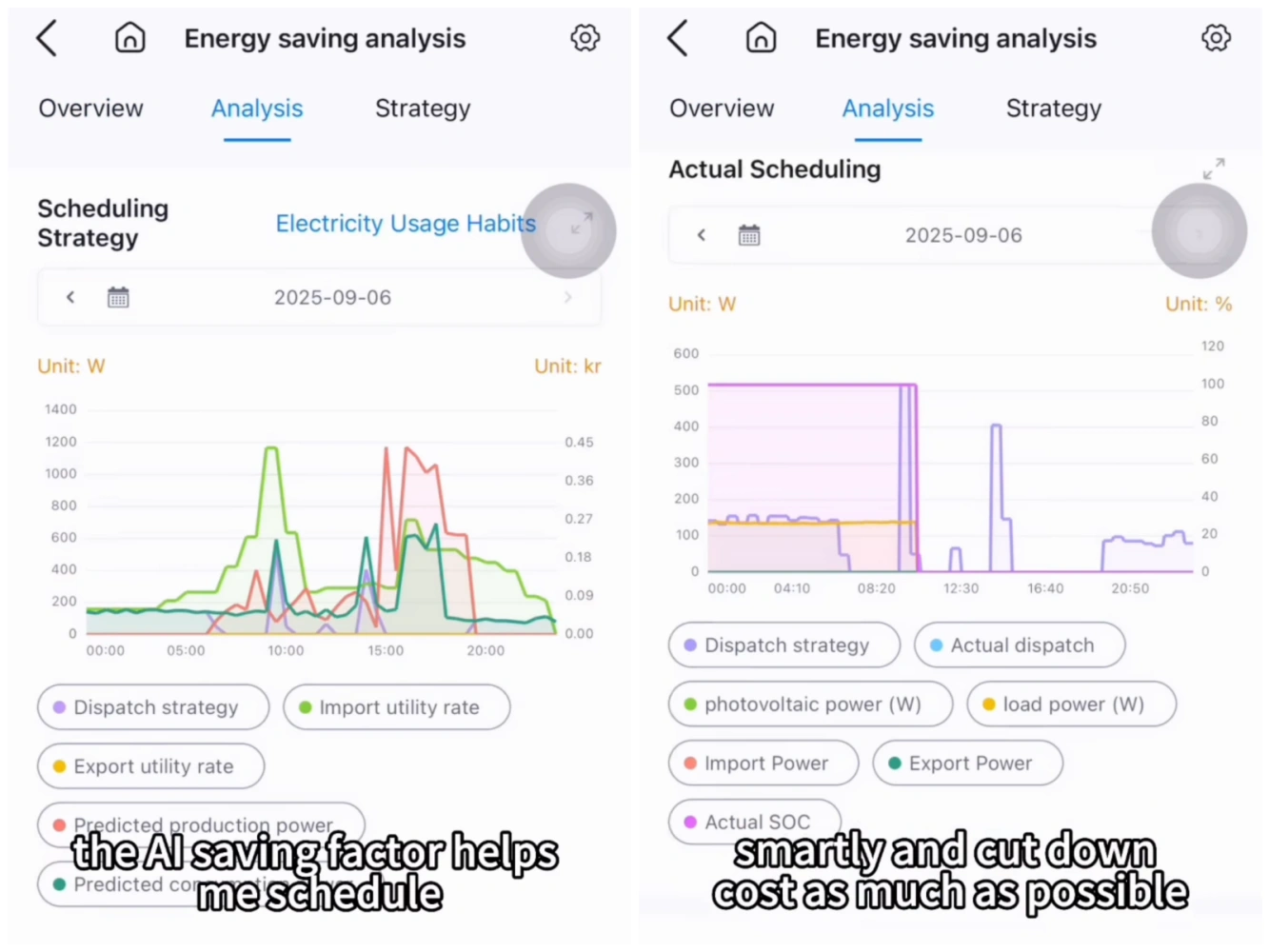
Note: The data in the Elekeeper app typically refreshes on a 5-minute cycle to conserve bandwidth. If you turn on a heavy appliance like a dryer, give the system a moment to update the flow direction.
FAQ: Common Myths & Misconceptions
The New Trap (Net Billing): Why Exporting Power Now Loses Money
While the "Free Battery" concept sounds perfect, the rules have changed. In mature solar markets (including parts of Europe, Australia, and the US), utilities have shifted to Net Billing.
This shifts the math from a "Trade" to a "Sale"—and the rates are rigged against you.
The "Duck Curve" Problem
Why the change? It stems from the "Duck Curve"—a phenomenon where solar panels flood the grid at noon (low demand), driving the value of electricity down. Conversely, demand peaks between 4:00 PM and 9:00 PM, right when solar production vanishes.
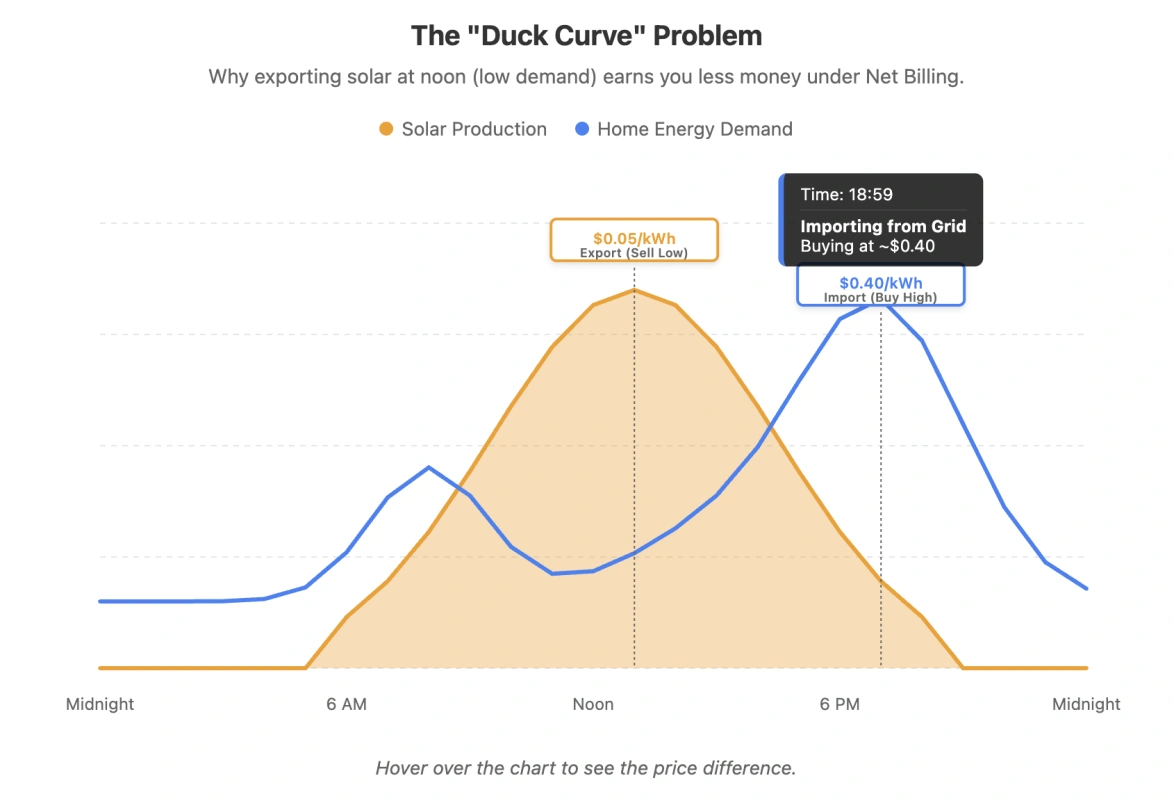
Because your noon energy is less valuable to the utility, they have stopped paying full price for it.
The Mechanics of the Loss: "Instantaneous Netting"
How do utilities enforce this price drop? They use a method called Instantaneous Netting.
In the old days, meters tallied your usage monthly. If you exported 10 kWh and imported 10 kWh in the same day, they cancelled out. New smart meters measure electricity in 15-minute intervals, and they do not let these intervals cancel each other out.
- 12:00 PM – 12:15 PM: You export solar energy. The utility credits you pennies ($0.05).
- 12:15 PM – 12:30 PM: A cloud passes, and your AC kicks on. You import grid energy. The utility charges you dollars ($0.40).
Even though the sun was up for both intervals, you lost money.
The Math: Paying 8x More Than You Earn
Here are the real numbers often found in Net Billing policies:
- Selling (1:00 PM): You send 1 kWh to the grid. You earn $0.05.
- Buying (7:00 PM): You buy 1 kWh back. You pay $0.40.
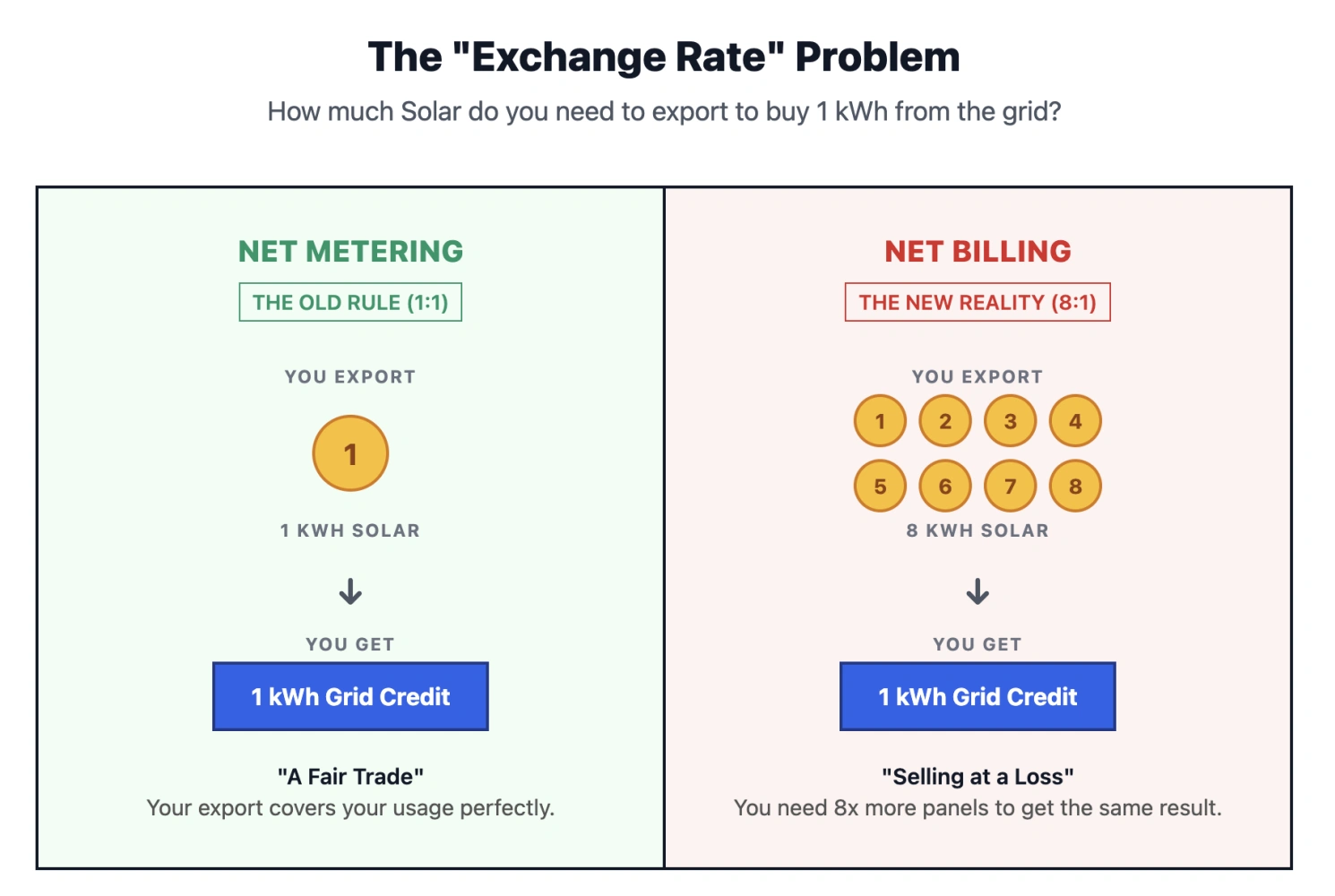
Under this system, you have to export 8 kWh of solar energy just to pay for 1 kWh of night-time usage. The grid is no longer a free battery; it is a currency exchange that charges you an 87% commission on every trade.
Understanding Grid Constraints
- Export Limit 101: Explained — Why some grids strictly limit how much power you can send back.
- Hybrid vs. On-Grid Inverter: In-Depth Comparison — Understand the technical differences between "Trading" and "Storing" power.
FAQ: The Strategic Reality
Q: Is Net Metering going away?
A: The name stays, but the math is changing globally. If you see terms like "Avoided Cost" or "Generation Credit" on your bill, you are likely already on a Net Billing plan.
Q: Why is "Self-Consumption" better?
A: By storing your own energy, you avoid the "Exchange Rate" loss entirely. Every kWh you keep is worth the full retail price ($0.40), not the wholesale price ($0.05).
The Solution (Self-Consumption): Stop Selling Power, Start Storing It
To navigate the reality of Net Billing, the goal is no longer to export power—it is to hoard it. To avoid the exchange rate loss, you must upgrade from standard grid-tied hardware to a Hybrid Storage System that allows you to keep your own power.
Hardware: The "Brain" of the System
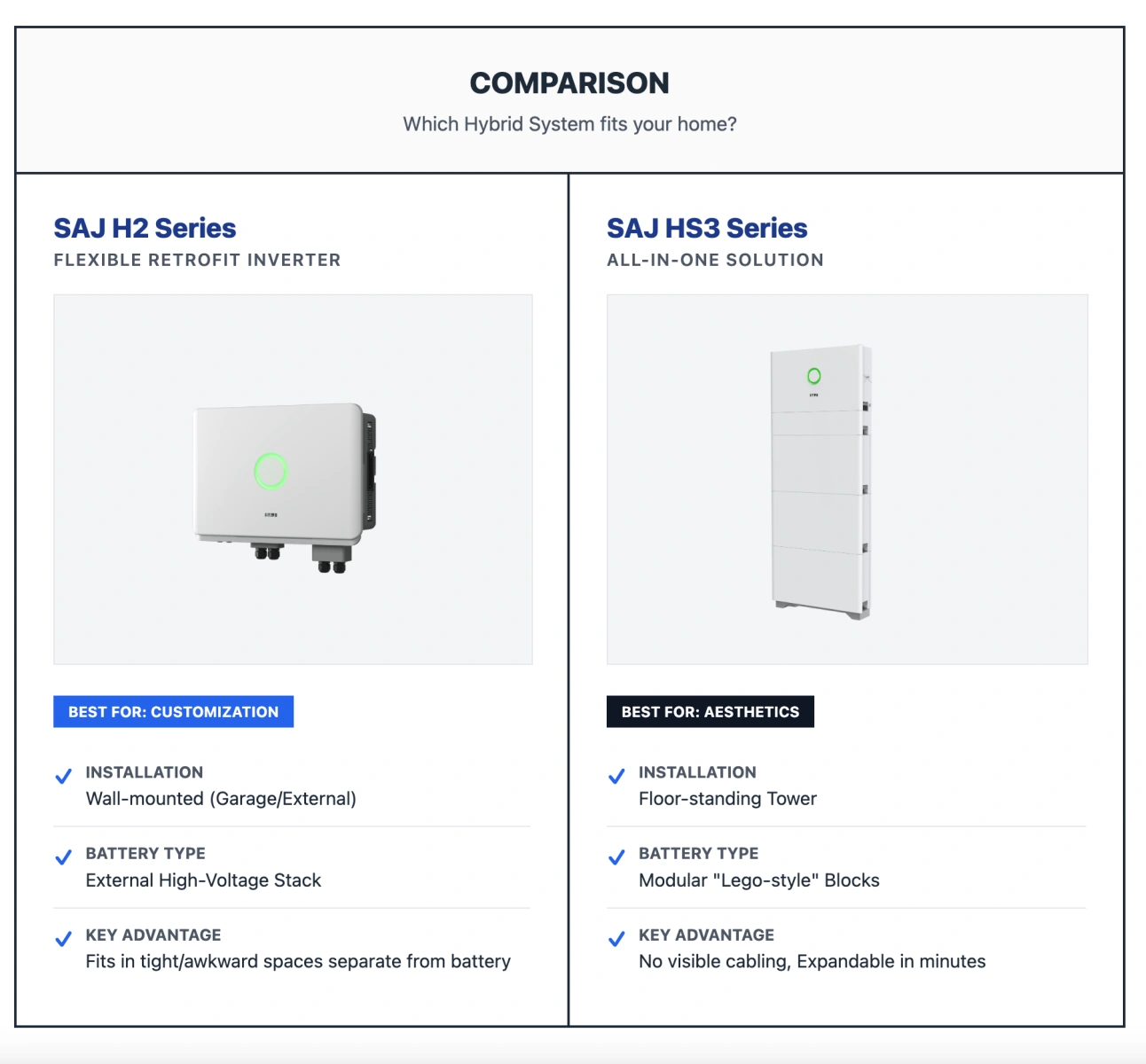
At Sunriver Electric, we help homeowners match the hardware to their specific building needs. Here is how the two main SAJ hybrid options compare.
Option 1: SAJ H2 Series (Flexible Retrofit)
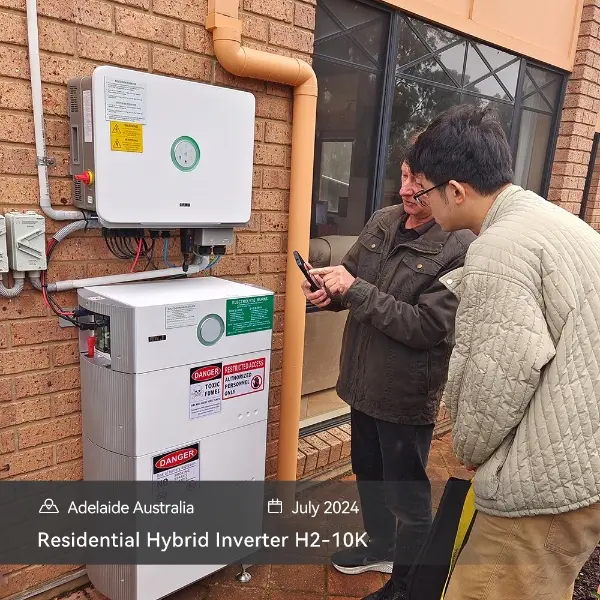
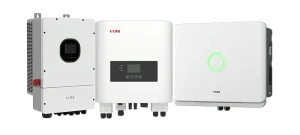
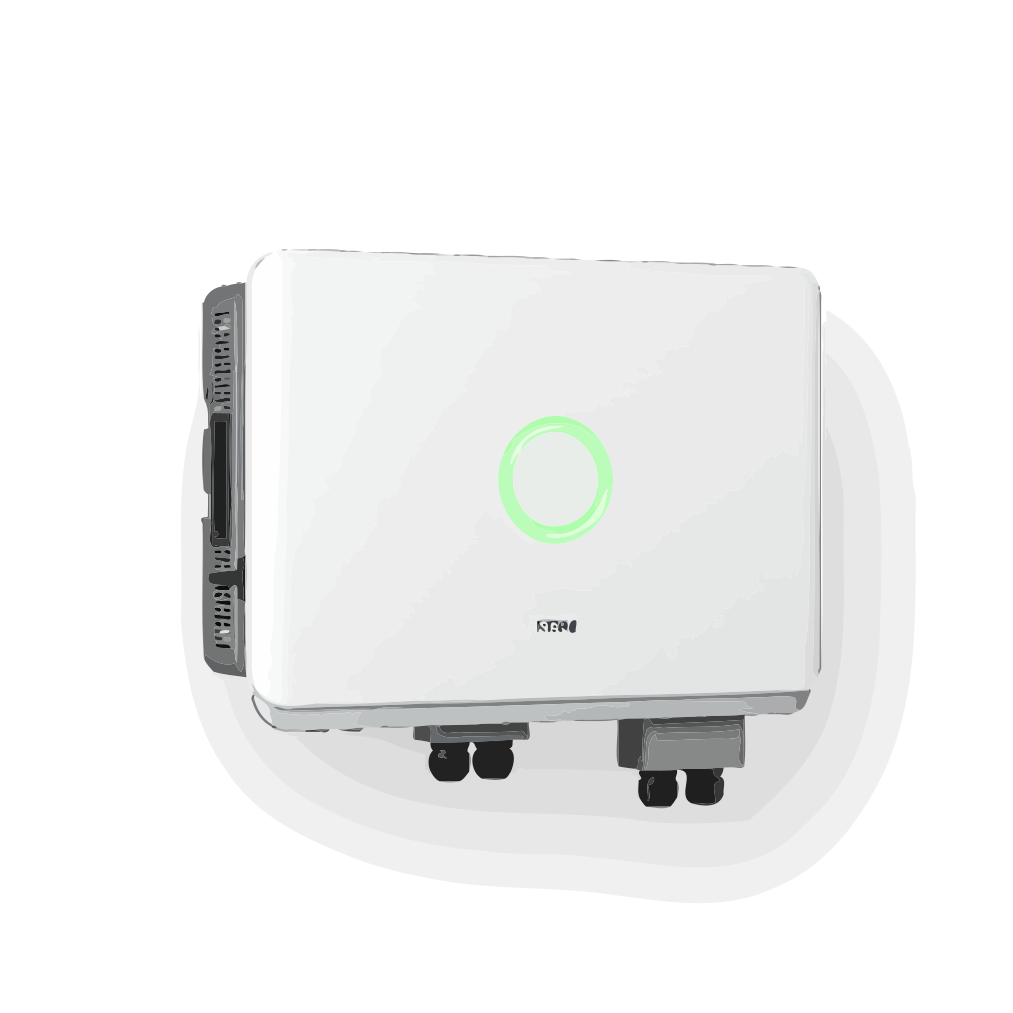
El SAJ H2 is a high-voltage Hybrid Inverter designed for maximum flexibility. It separates the inverter from the battery, making it ideal for retrofitting storage into tight spaces (like a crowded garage wall) or for users who want to customize their battery stack size precisely.
Option 2: Serie SAJ HS3 (All-in-One)
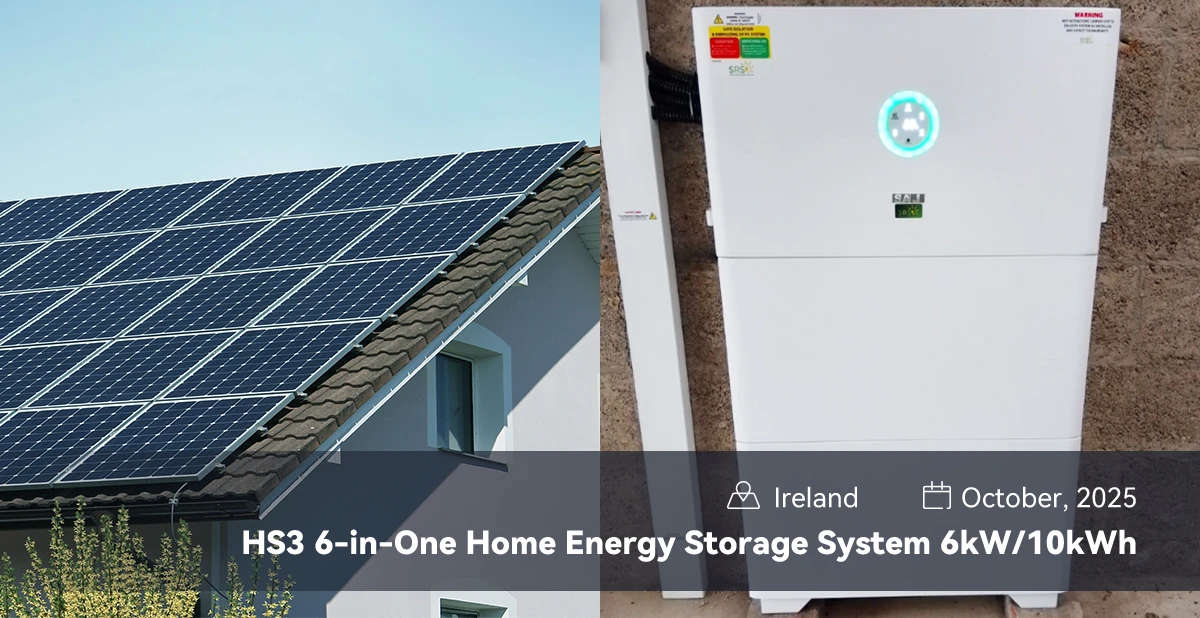
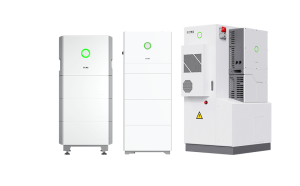
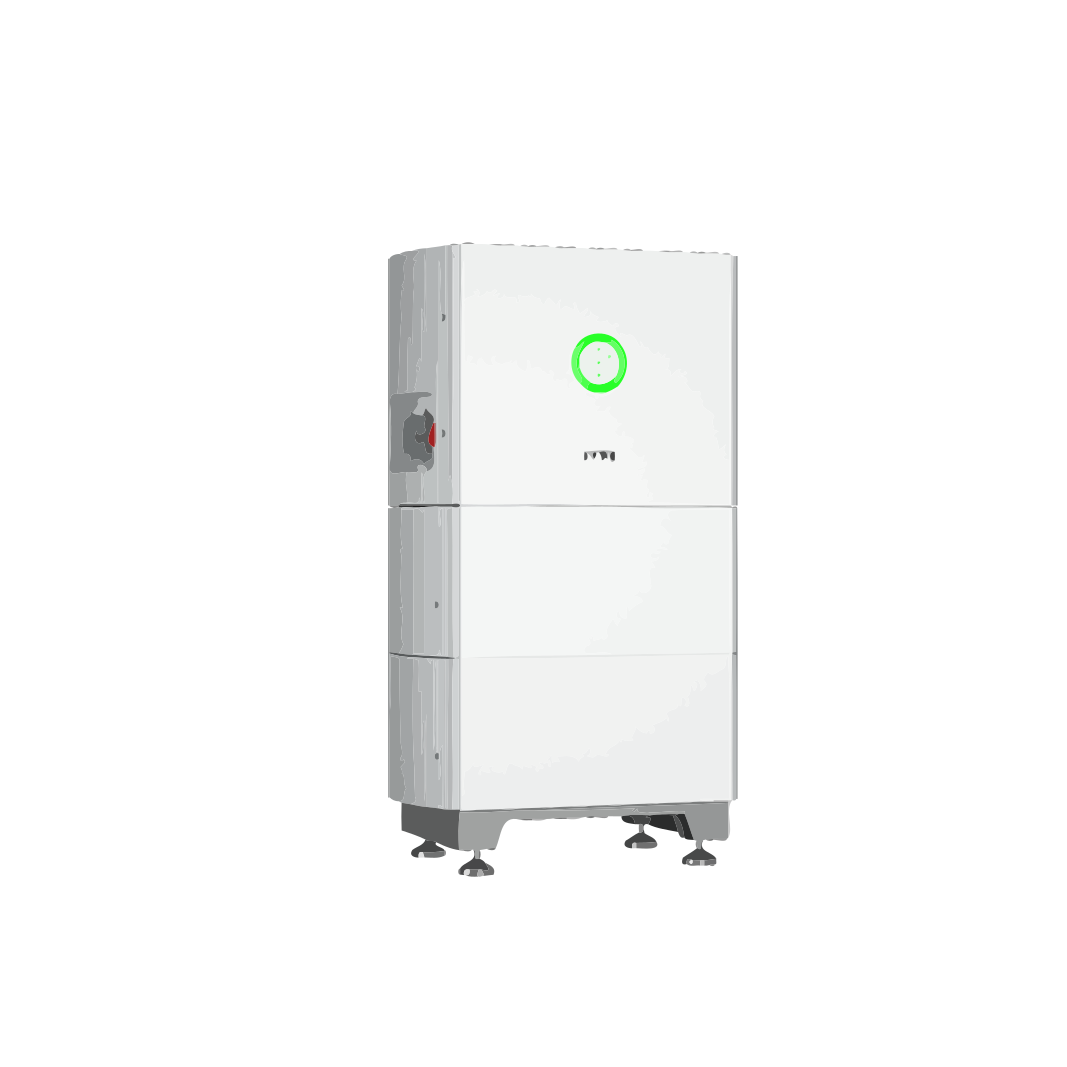
For those prioritizing aesthetics, the SAJ HS3 combines the hybrid inverter and battery modules into a single, cable-free "tower." Its modular design allows for "Plug-and-Play" expansion—you can start with 5kWh and click in more modules later as your needs grow.
At A Glance: Which Hardware Fits You?
| Característica | SAJ H2 Series (Hybrid Inverter) | SAJ HS3 Series (All-in-One) |
|---|---|---|
| Ideal para… | Customization. Tight wall spaces or specific capacity needs. | Simplicity. Clean, appliance-like look with no visible wires. |
| Battery Style | External High-Voltage Batteries (Stackable). | Modular "Lego-style" Blocks (Directly Stackable). |
| Velocidad de copia de seguridad | <10ms UPS Switch (Router stays online). | <10ms UPS Switch (Router stays online). |
| Key Capability | 150% DC Oversizing. Charges batteries fast even on cloudy days. | Plug-and-Play Expansion. Add storage in minutes without rewiring. |
Choosing the Right Inverter
- Best All-in-One Home Energy Storage 2025 — A comprehensive guide to selecting the right battery capacity for your home.
- Análisis del sistema de almacenamiento de energía HS3 — Deep dive into the specs and performance of the SAJ HS3.
The Software Fix: Automating Your Savings (AI Saving Mode2)
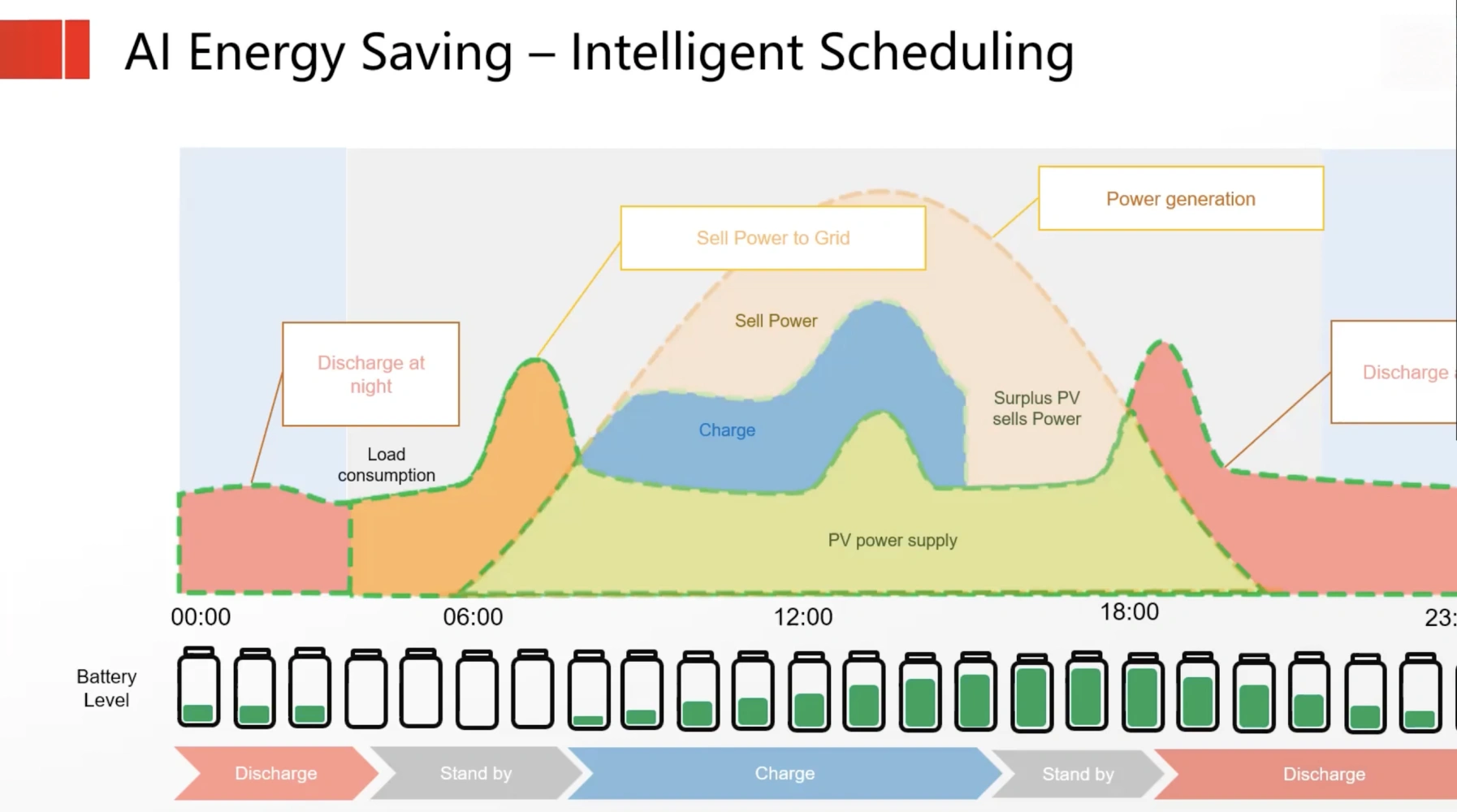
Having the battery is step one. Knowing when to use it is step two. Manually managing your charge/discharge times is difficult, which is why modern SAJ systems utilize AI Saving 2.0.
The system processes three specific inputs to make decisions for you:
- Load Forecasting: It learns your usage patterns (e.g., knowing you usually cook dinner at 6 PM).
- Tariff Data: It monitors your local electricity prices.
- Weather Forecast: It predicts solar production for the next 24 hours.
Visual Evidence: In the Elekeeper app, this is activated via a prominent green toggle labeled "AI Saving". Once enabled, the system automatically builds a strategy to ensure you never sell your power for pennies ($0.05) at noon if you are going to need it at 7 PM ($0.40).
Final Verdict: Hybrid vs. String Inverter—Which Do You Need?
Knowing that Hybrid is the superior technology for financial savings, the question becomes: Do you need it today, or can you wait?
The "Battery-Ready" Argument (Why Wait?)
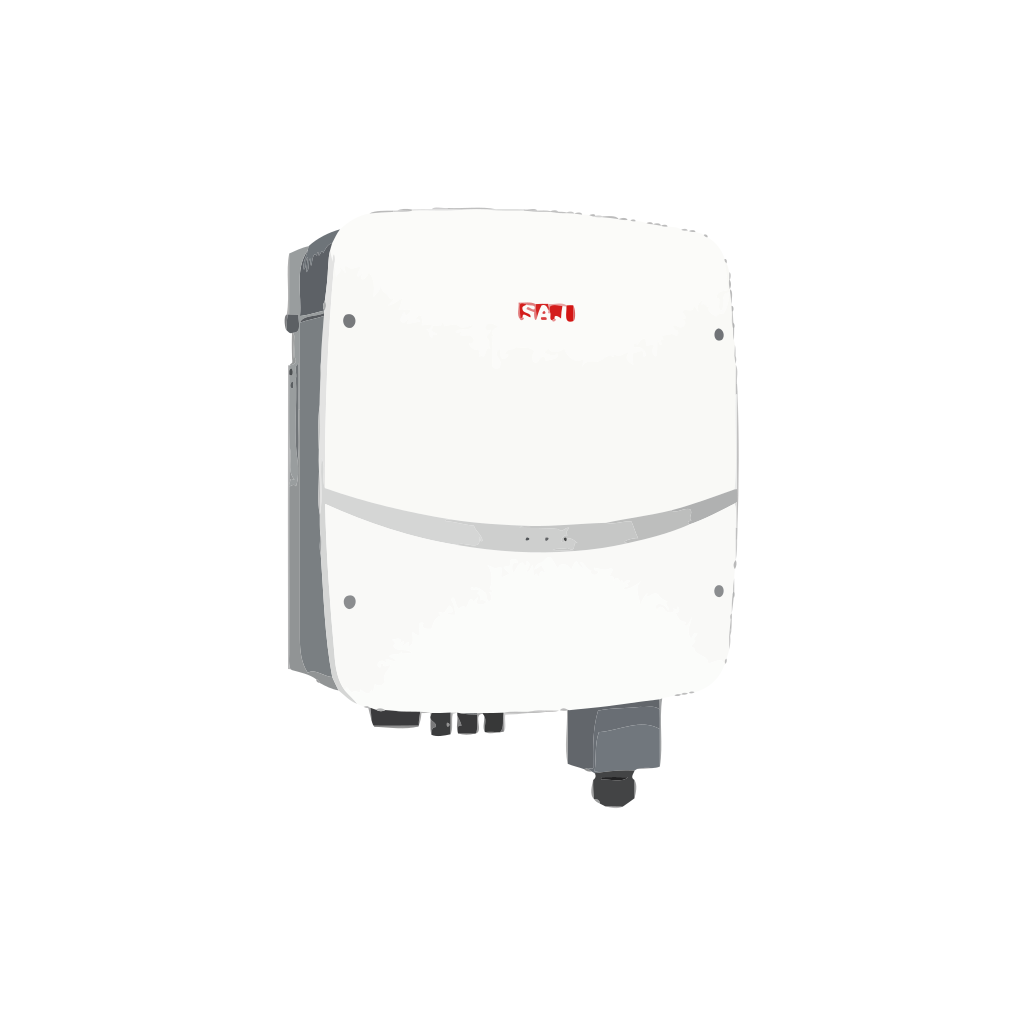
Even if you are in a region with favorable Net Metering (Scenario A) and could use a cheaper Grid-Tied inverter like the SAJ R5/R6, you face a long-term risk. Utility policies change frequently. If your region switches to Net Billing in 3 years, adding a battery to an old Grid-Tied system often requires buying a whole new inverter.
Pro Tip: Installing a Hybrid Inverter (SAJ H2) today—even without a battery attached initially—makes your home "Battery Ready." You secure the ability to add storage later by simply plugging it in, future-proofing your home against rate changes.
The "Blackout" Reality Check
Finally, consider the value of security. Financials aside, Net Metering provides no power during an outage.
- Grid-Tied (R5/R6): Power goes out → You go dark (even if the sun is shining).
- Hybrid (H2/HS3): Power goes out → The UPS function3 kicks in.
El SAJ H2 features a UPS switch time of <10ms. In practical terms, this is fast enough that your WiFi router won’t even reboot when the grid fails, keeping your internet online while your neighbors are in the dark.
Your Action Plan
To ensure you aren’t losing money, follow this simple check:
- Check Your Bill: Look for keywords like "NEM 1.0" or "Cumulative Credit" (Safe) vs. "Avoided Cost" or "Wholesale Rate" (Losing Money).
- Assess Stability: Does your grid have frequent outages? If yes, Hybrid is mandatory.
- Choose Wisely:
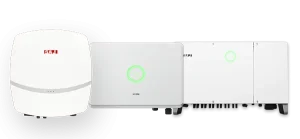
- For pure cost-savings in stable, 1:1 Net Metering zones: SAJ R5/R6.
- For energy independence, blackout protection, and immunity to rate hikes: SAJ H2/HS3.
Conclusion: Moving from Grid-Reliance to Energy Independence
We are leaving the era of "Renting the Grid" and entering the era of "Owning Your Power." While Net Metering was a fantastic incentive to launch the solar industry, Hybrid Self-Consumption is the necessary evolution for the modern grid.
The math is clear: in a world of dropping export rates and rising retail prices, the only way to guarantee the value of your solar energy is to store it yourself.