

 sales@sunriver-electric.com
The solar industry is undergoing a quiet but dramatic change. For the past decade, our focus was mainly on hardware. We constantly asked which PV panels had higher efficiency or which batteries offered longer cycle lives.
However, the game has changed. Grid structures are becoming more complex, Time-of-Use (TOU) tariffs1 are becoming standard, and home energy loads are diversifying. Simply "stacking hardware" no longer maximizes Return on Investment (ROI).
"Hardware is the bone and muscle, but software is the brain."
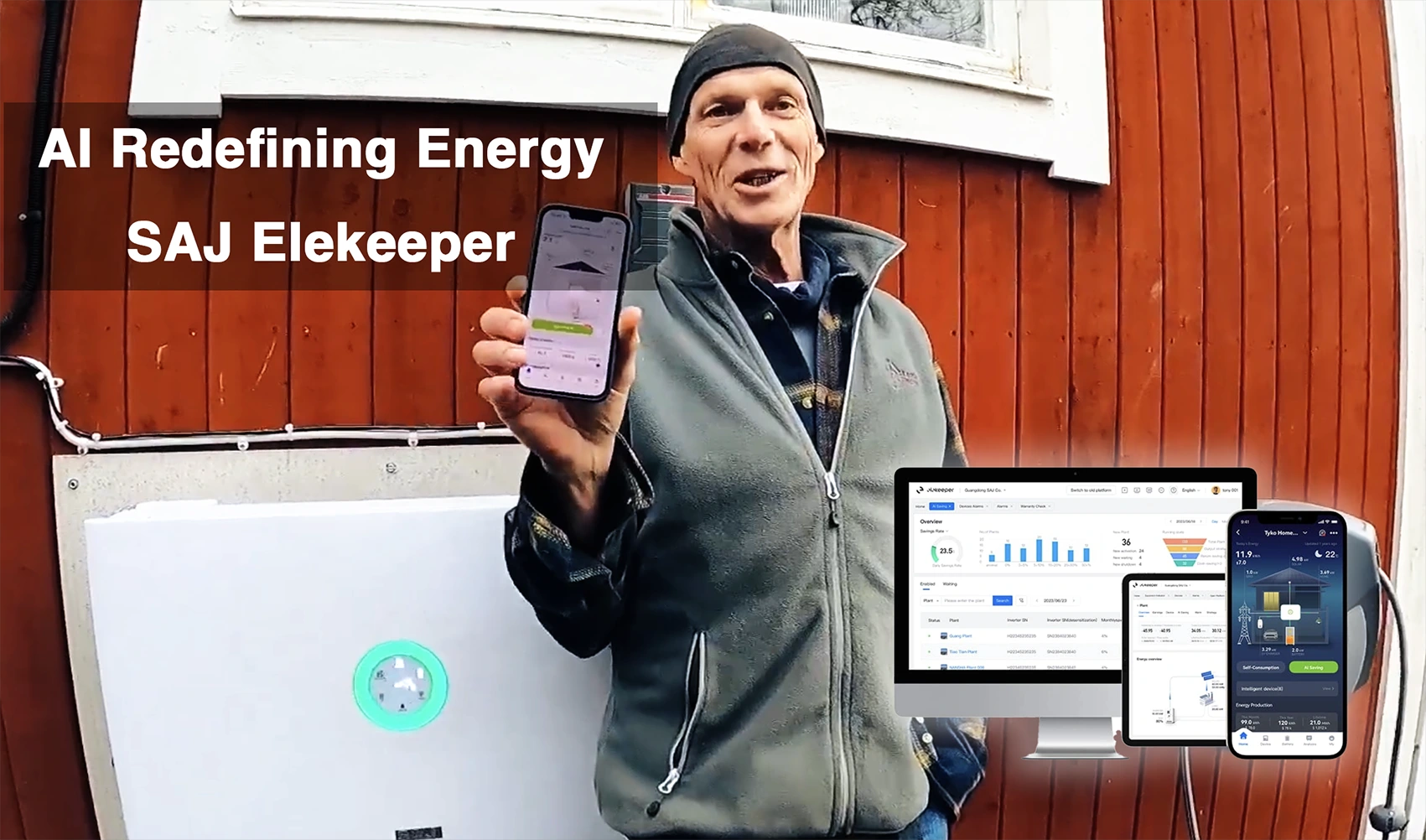
In this context, SAJ (SAJ Electric) launched the Elekeeper platform. Powered by the core AI Saving 2.0 engine, Elekeeper represents the future of Home Energy Management Systems (HEMS)2 by evolving from a simple data viewer into a cross-platform "energy butler" capable of edge computing.
Understanding Elekeeper is crucial. It is not just about learning to use an App. It is about mastering how to "earn" back electricity costs through algorithms in this new energy era, rather than just "saving" them.
What Hardware Foundations Support the SAJ Elekeeper Ecosystem?
To understand the software magic, we must first clarify the hardware architecture supporting it. Many people mistakenly think Elekeeper is just a mobile App residing in their phone.
Actually, the Elekeeper ecosystem relies on a tight integration of inverters, data collectors, smart meters, and cloud servers to function correctly. In Sunriver Electric’s project implementation, choosing the right communication hardware is the key to ensuring the system runs stably for the long term.
1. The Core Heart: SAJ Inverter Family
Data originates from the inverter. SAJ’s product line covers needs from residential to commercial. They are not just power converters; they are "data sentinels" distributed throughout the system.
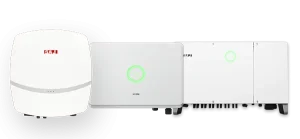
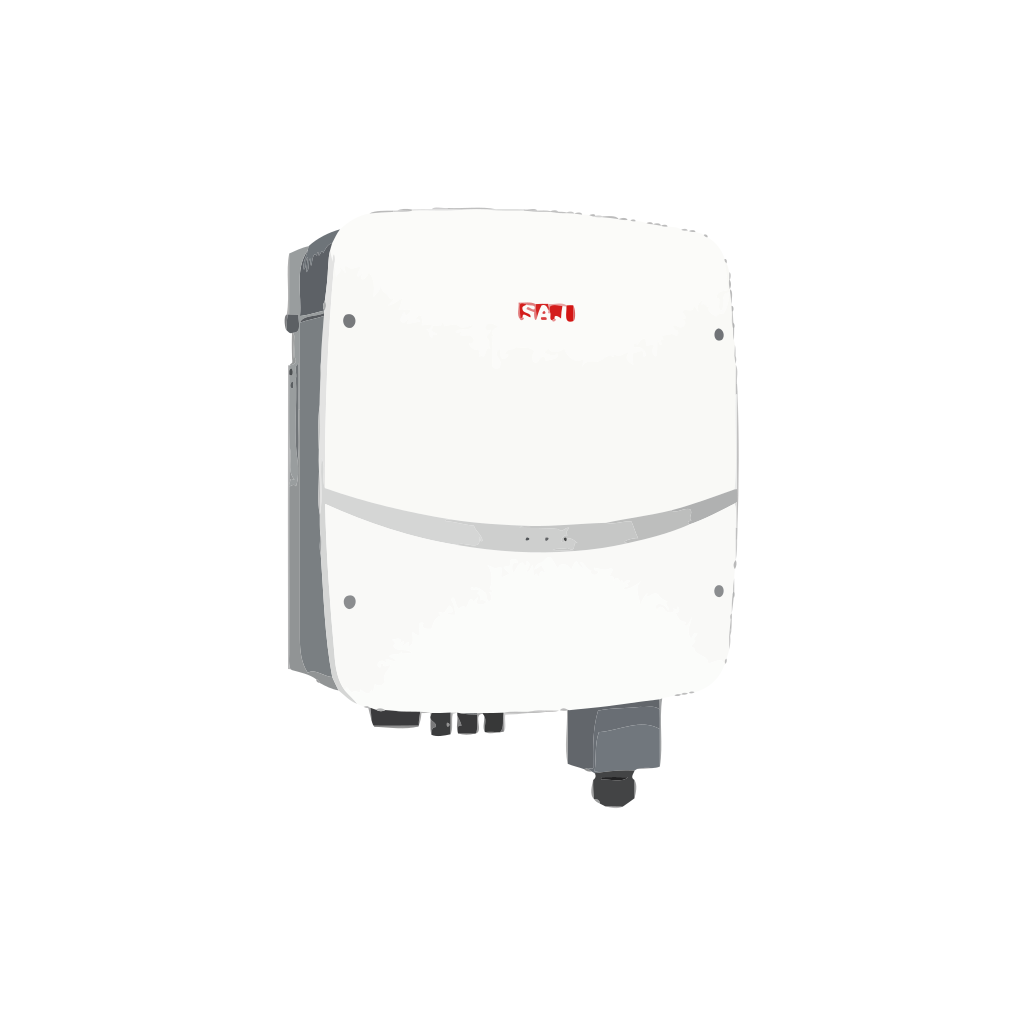
- R5/R6 Series (Grid-tied): These devices are used for pure PV projects. Although they do not connect to batteries, users can still monitor detailed string (MPPT) voltage and current data via Elekeeper. For commercial clients, the C6 series (75kW-125kW) offers powerful three-phase capabilities, allowing for cluster management via Elekeeper.
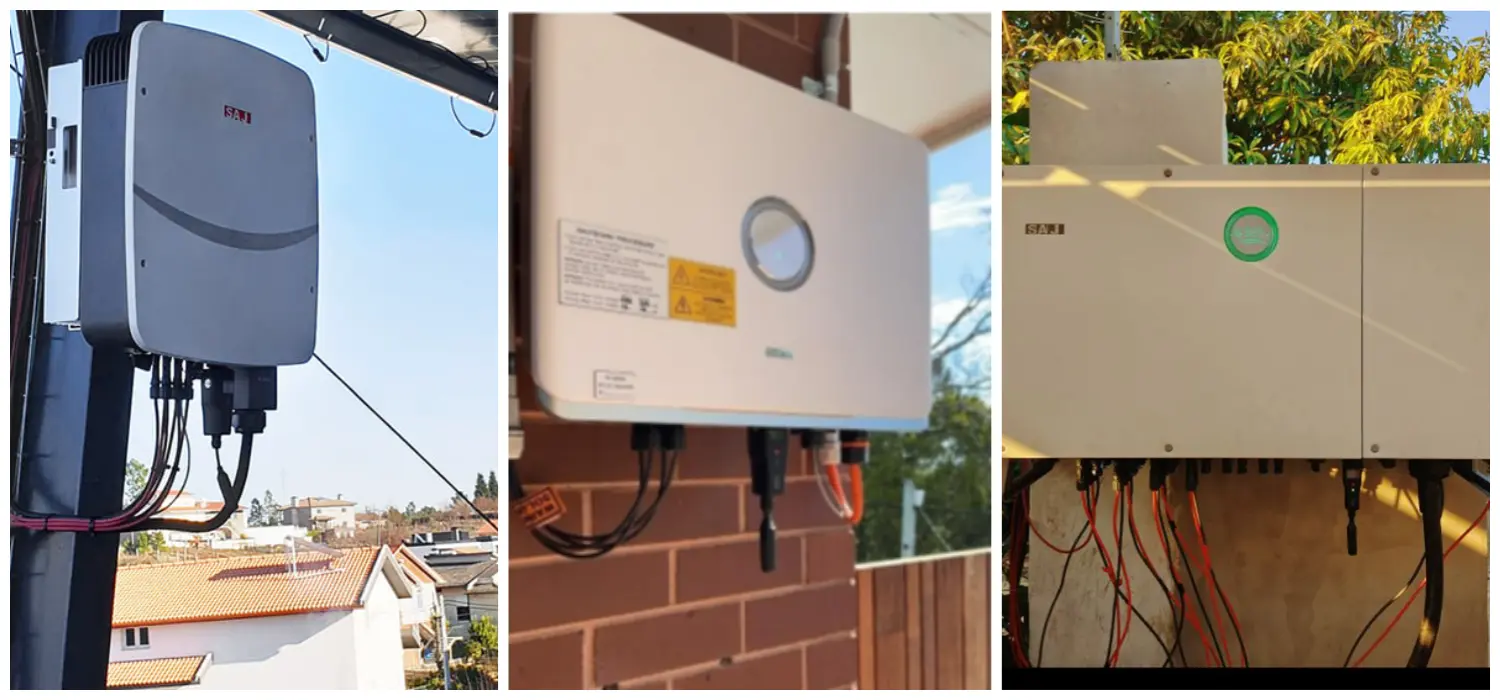
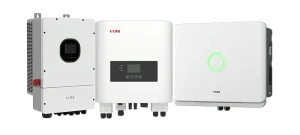
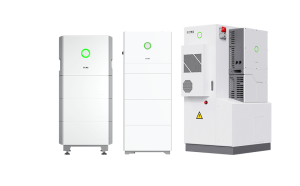
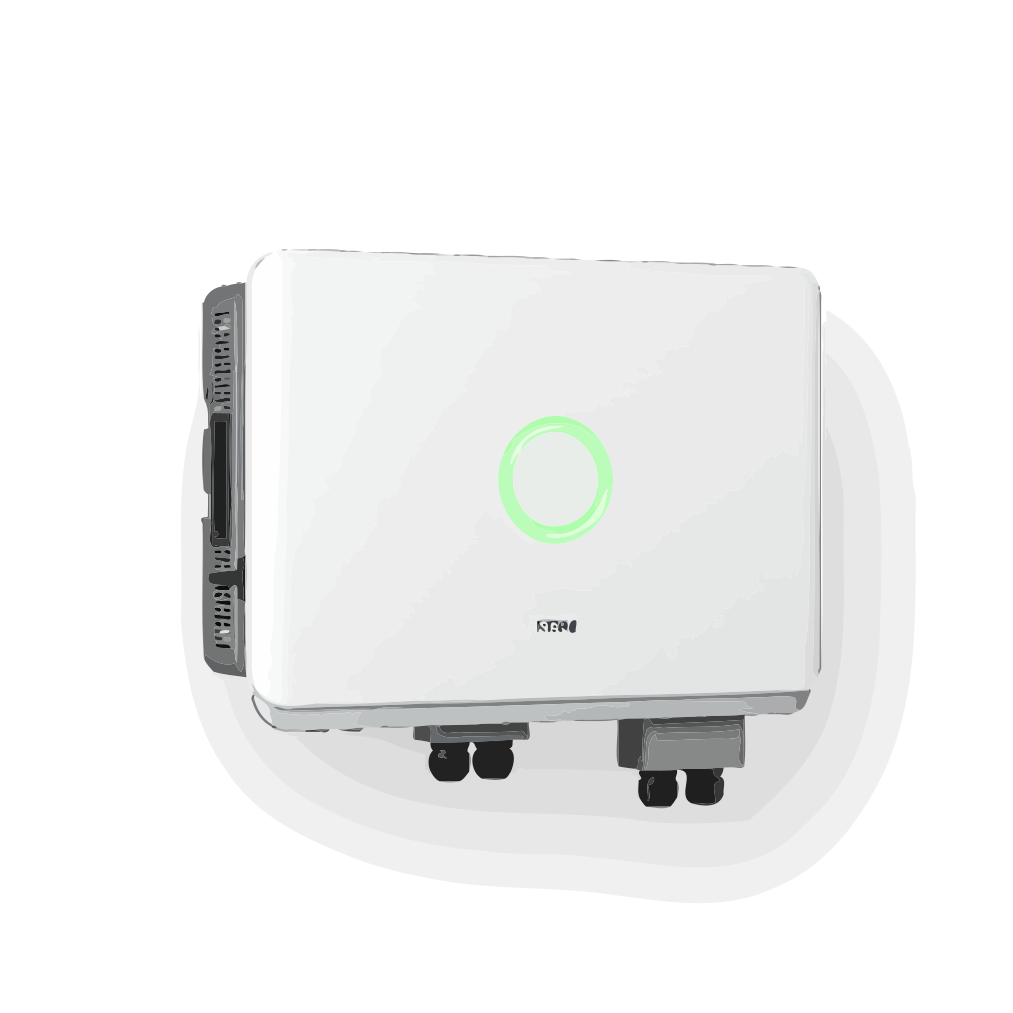
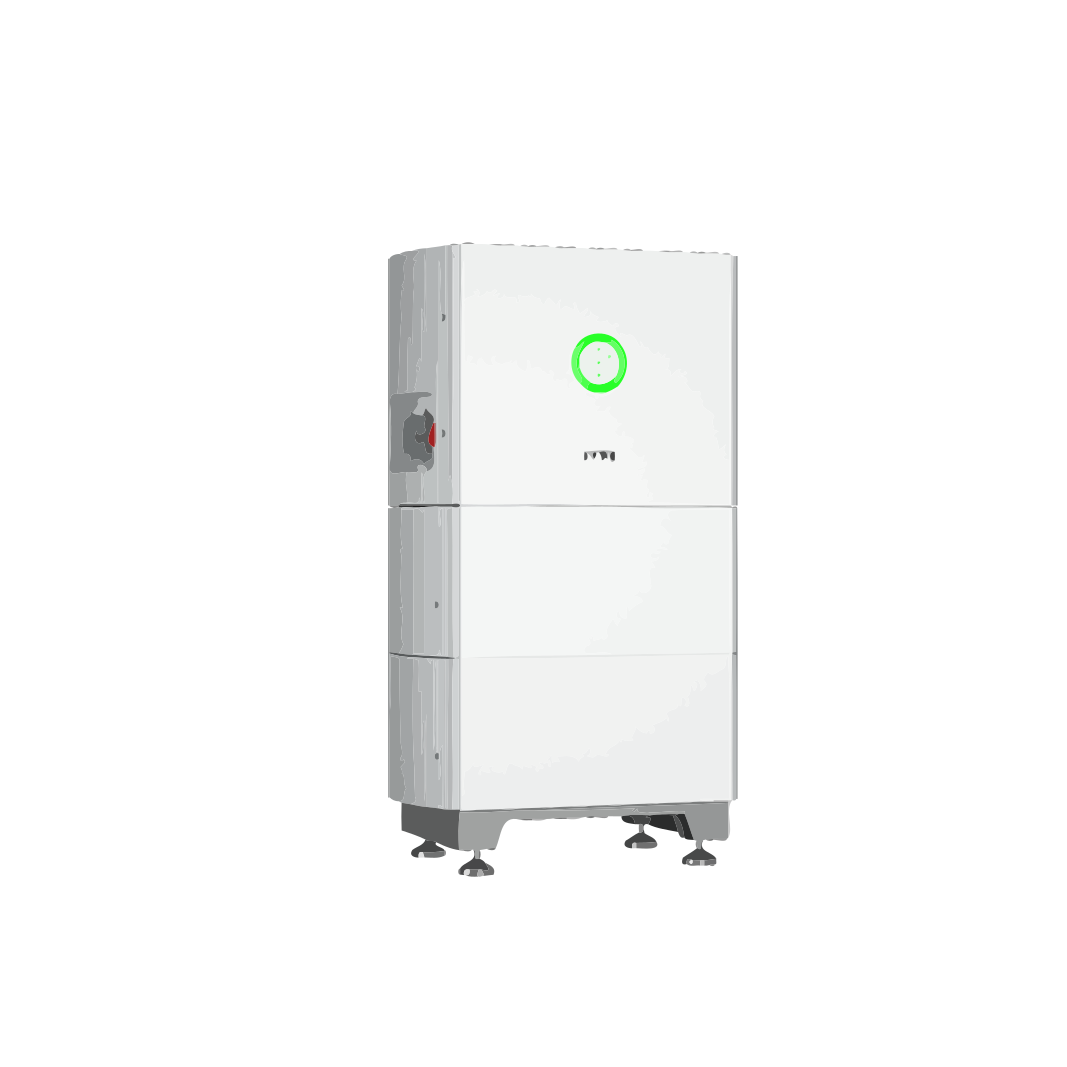
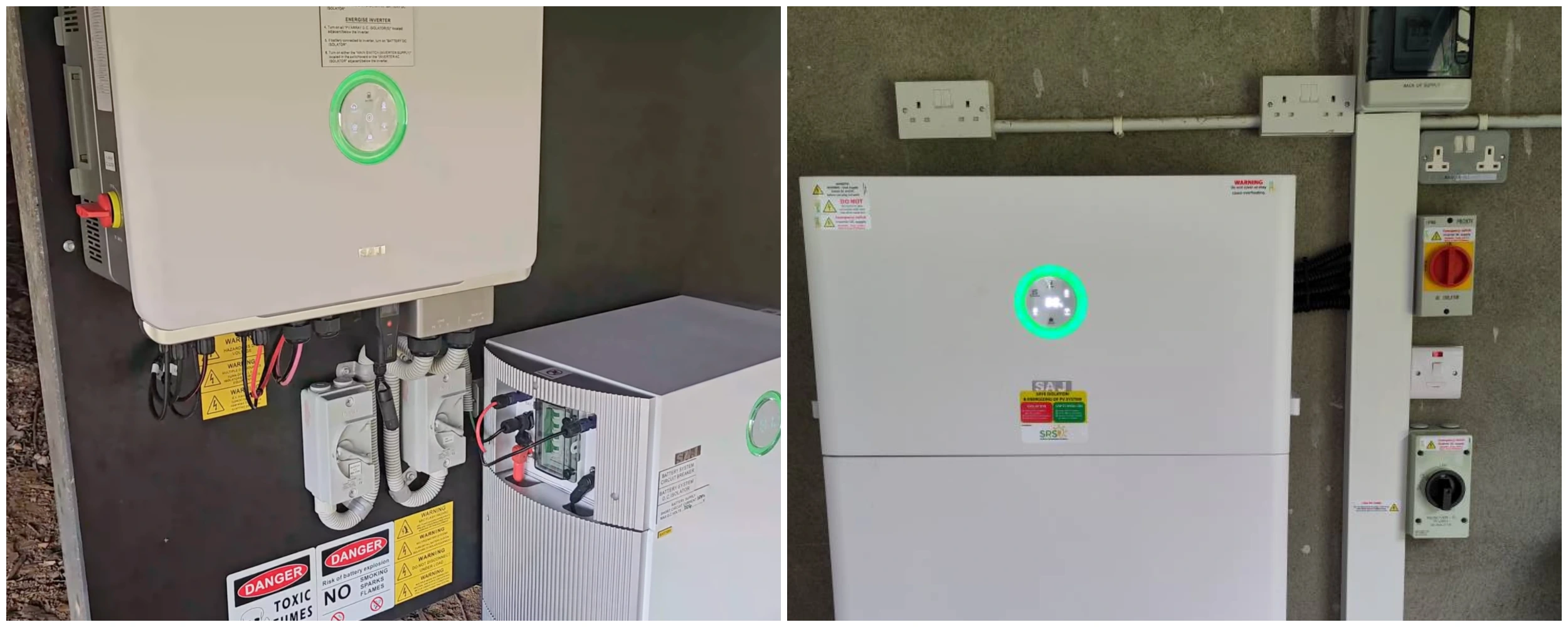
- H1/H2/HS2/HS3 Series (Energy Storage): This is the main battlefield where Elekeeper exerts its AI potential. The H1 (single-phase) and H2 (three-phase) hybrid inverters possess bidirectional control capabilities. They manage both PV generation and battery charging/discharging. The HS3 All-in-One unit physically integrates the inverter and battery, simplifying installation while Elekeeper reveals its internal data logic.
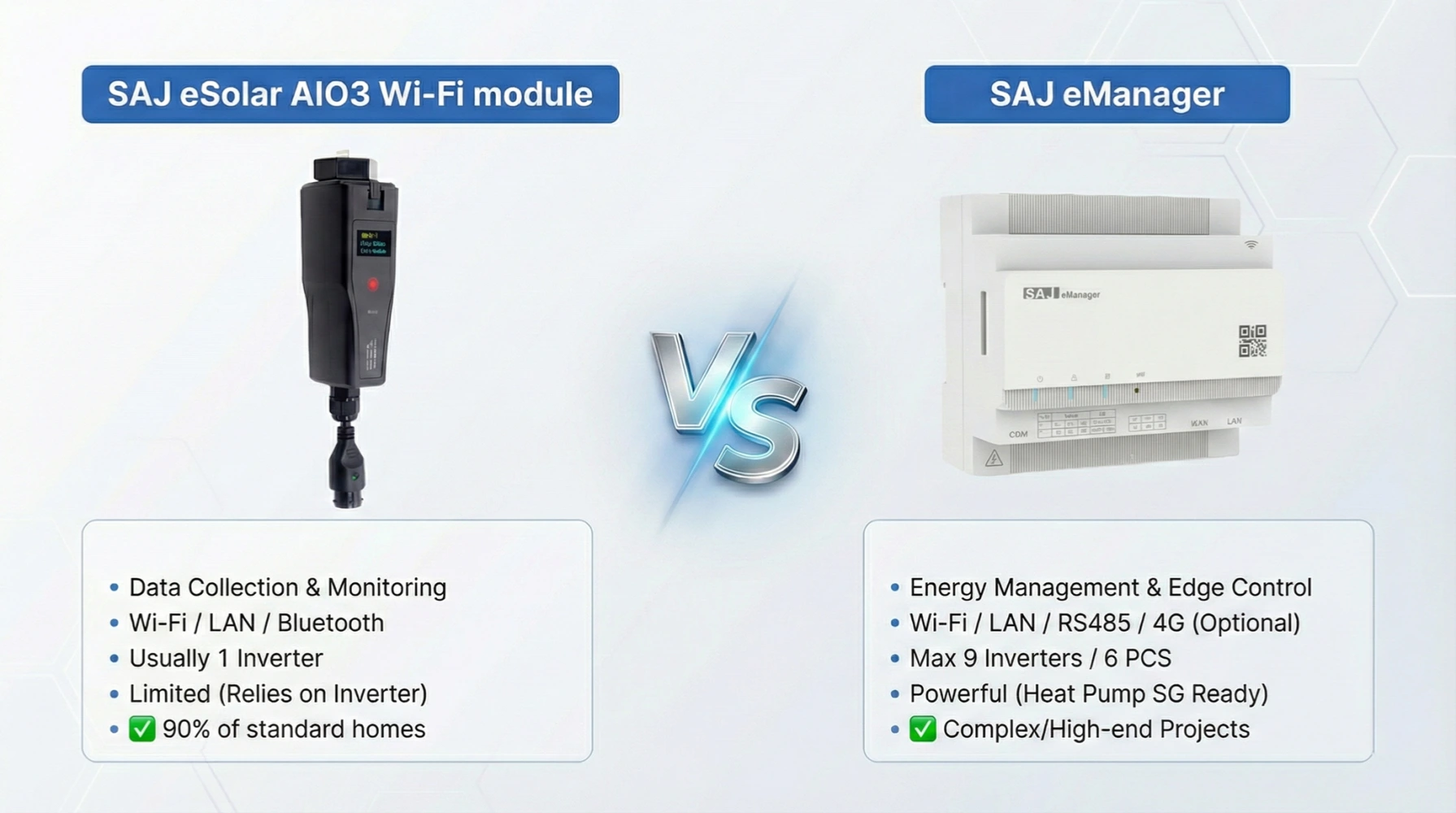
2. Communication Gateway: eSolar AIO3 vs. eManager
This is the part most Installers find confusing. It is also the most frequent technical question we receive at Sunriver Electric: "Should I configure AIO3 or eManager for my client?" These two play vastly different roles in the Elekeeper ecosystem.
Option A: eSolar AIO3 (The Minimalist Data Mover)
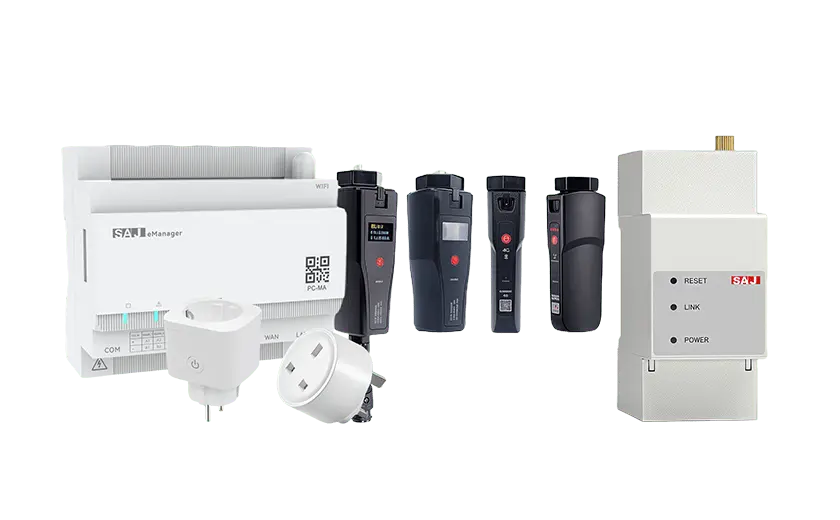
The eSolar AIO3 is a 3-in-1 data logger designed for standard residential projects, integrating Wi-Fi, Ethernet, and Bluetooth to ensure basic connectivity and data transmission.
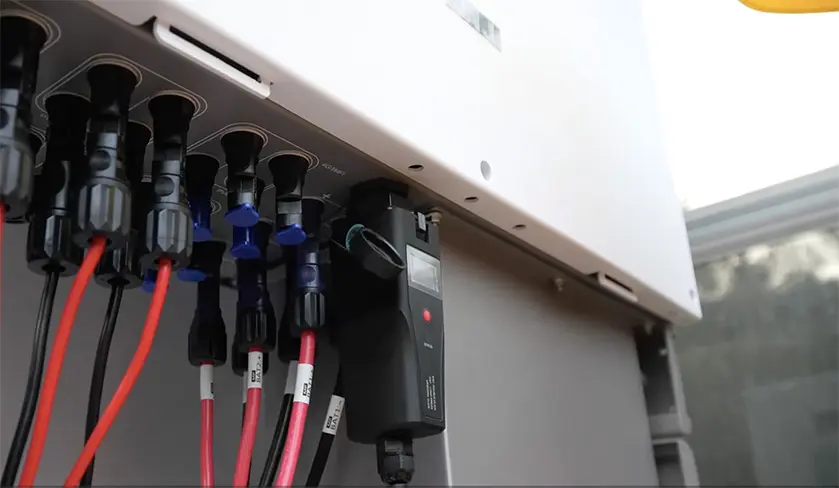
- Hardware Features: Its "three-mode" design solves the pain point of unstable on-site networks. If the Wi-Fi signal is weak, installers can plug in a LAN cable. If the cloud disconnects, owners can use Bluetooth for local debugging.
- Functional Positioning: Its core task is "pass-through." It packages register data from the inverter and sends it to the cloud. It does not possess complex logic judgment capabilities; its wisdom relies heavily on cloud commands.
- Best Scenario: Standard family users who only need to monitor generation and battery status without complex smart home integration.
Option B: SAJ eManager (The Intelligent Hub for Edge Computing)
If you wish to implement true "smart home energy management," the eManager is a mandatory option. It is not just a collector; it is a micro-server.
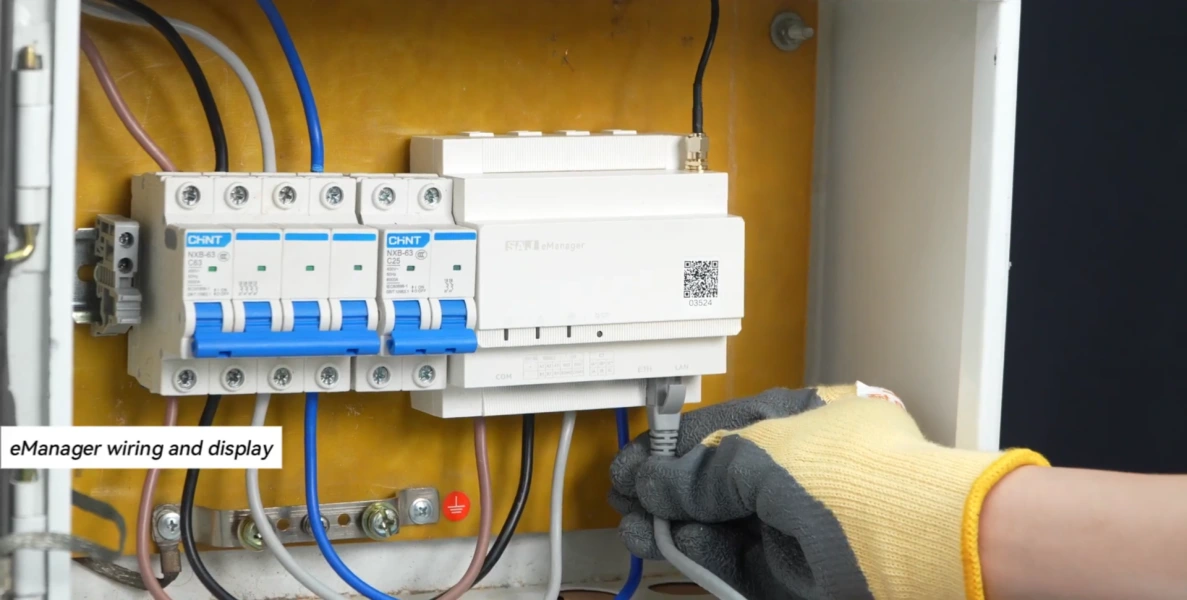
- Edge Computing: Unlike the AIO3, eManager has local processing power. Even if the internet connection is lost, it can control system operation based on preset logic (such as local timing strategies or anti-backflow limits). This is key to high reliability.
- Rich Interfaces: It is equipped with RS485 ports (for connecting multiple inverters or meters), dry contacts (DO ports for heat pumps), and CT interfaces. It can manage up to 9 inverters or 6 PCS units, making it ideal for luxury homes or small C&I projects.
- AI Implementation: While AI algorithms are trained in the cloud, the execution often relies on eManager, which enables millisecond-level power response and precise zero-export control.
Quick Selection Guide
| Feature Dimension | eSolar AIO3 (Basic) | SAJ eManager (Pro) |
|---|---|---|
| Core Role | Data Collection & Monitoring | Energy Management & Edge Control |
| Connection | Wi-Fi / LAN / Bluetooth | Wi-Fi / LAN / RS485 / 4G (Optional) |
| Device Limit | Usually 1 Inverter | Max 9 Inverters / 6 PCS |
| Smart Load | Limited (Relies on Inverter) | Powerful (Heat Pump SG Ready) |
| Sunriver Verdict | ✅ 90% of standard homes | ✅ Complex/High-end Projects |
3. Essential Sensors: Smart Meters and Wi-Fi Plugs
One famous saying in AI is: "Garbage In, Garbage Out." For Elekeeper’s AI to make correct decisions, it needs high-quality data input.
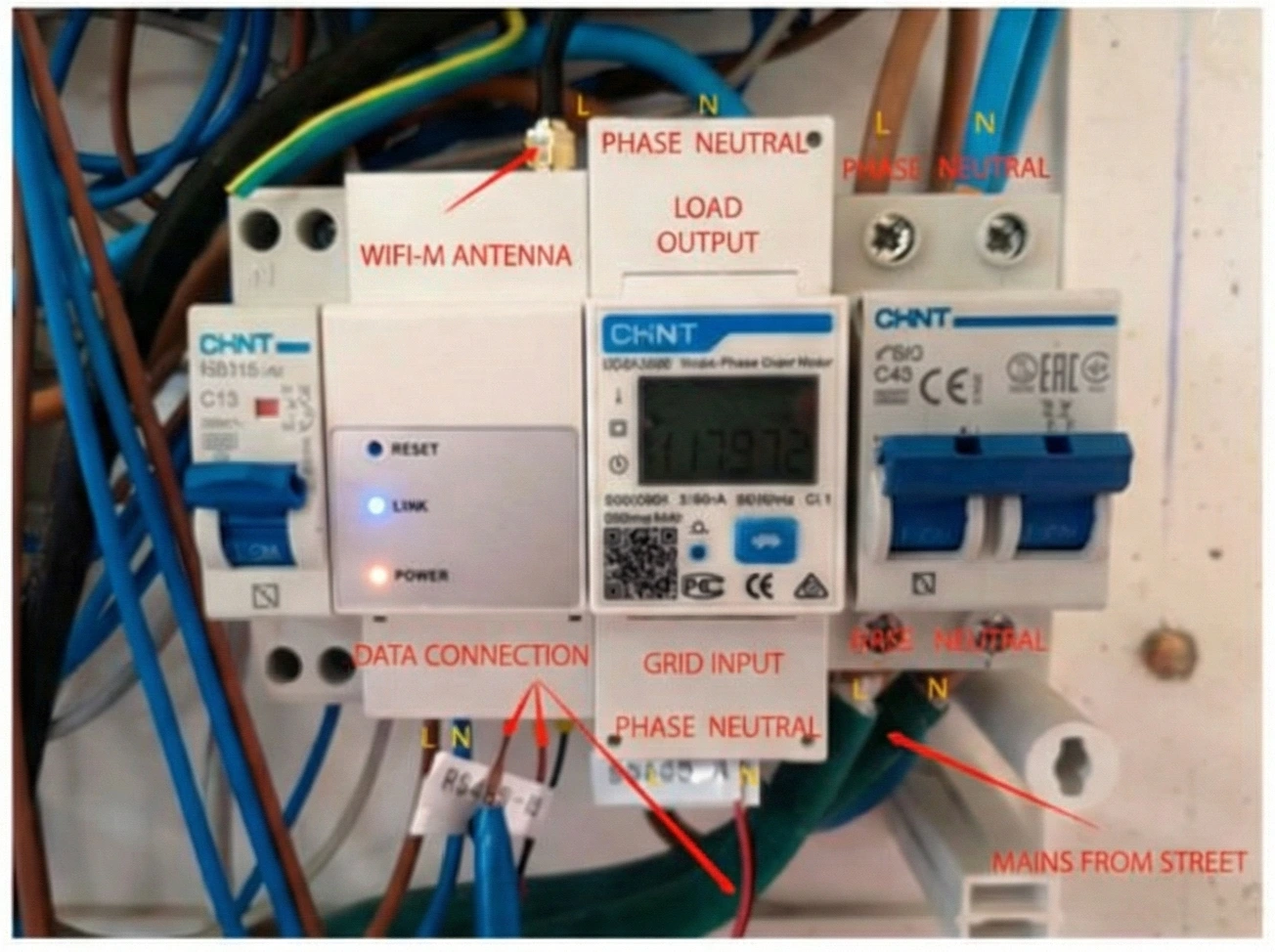
- Smart Meter: This is the system’s "eye." Installed at the grid entry point, the meter tells the system in milliseconds whether the home is buying from or selling to the grid. Without it, Elekeeper only knows solar generation but not consumption, making AI Saving mode impossible.
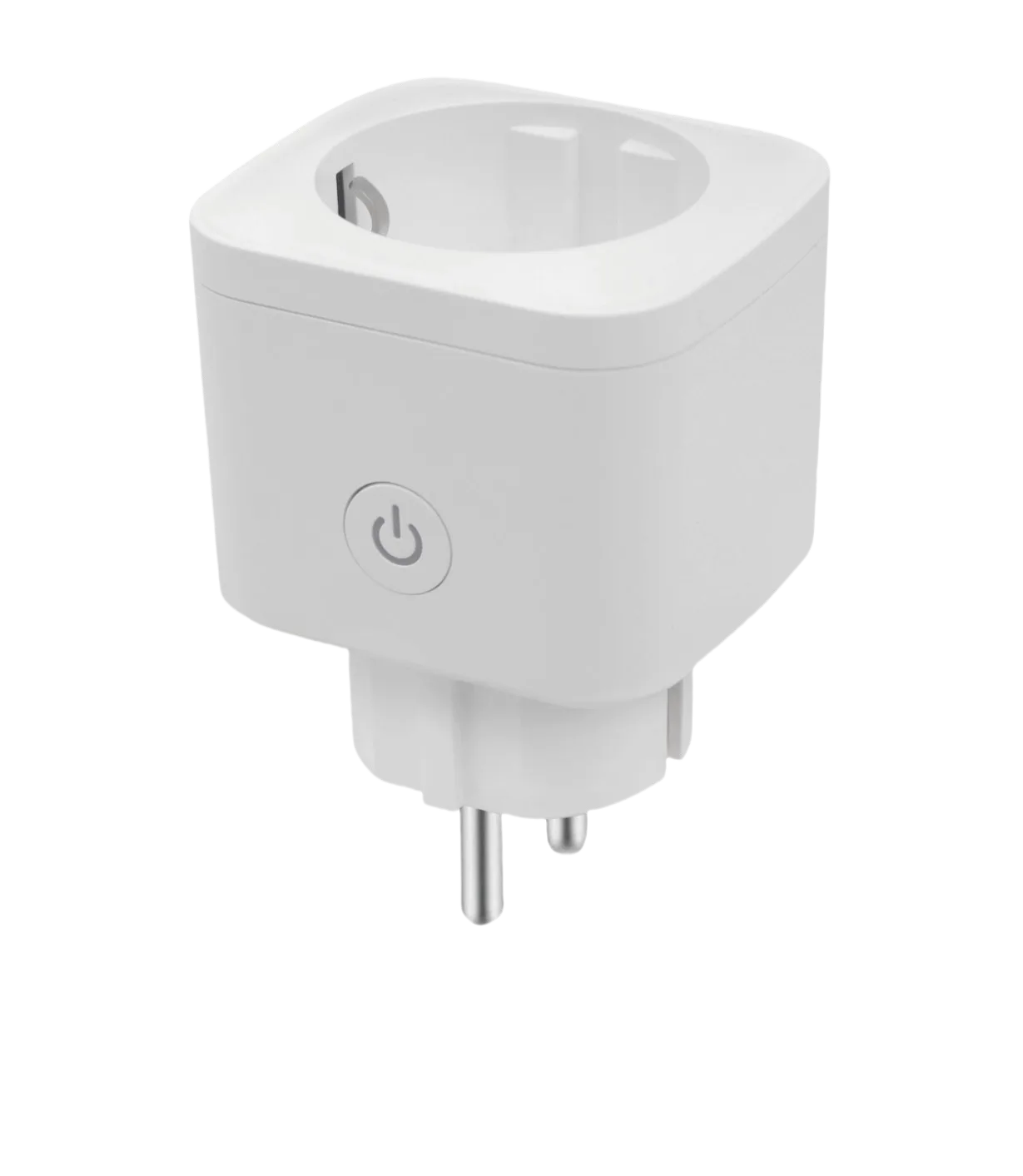
- Smart Wi-Fi Plug (EU02C): A specific accessory often underestimated. It connects between high-power appliances (like pool pumps) and wall outlets. Through Elekeeper, users can perform "Load Shifting3" by automatically turning on appliances via smart plugs when excess solar power is available.
Inverter & connectivity context
- HS3 energy storage system review – https://sunriver-inverter.com/hs3-energy-storage-system-review/
- All-in-one energy storage system explained – https://sunriver-inverter.com/all-in-one-energy-storage-system-explain/
- SAJ on-grid inverter monitoring guide – https://sunriver-inverter.com/saj-on-grid-inverter-monitoring-guide/
💡 FAQ Cluster – Connectivity & Integration
How Has the User Experience Evolved from eSolar to Elekeeper?
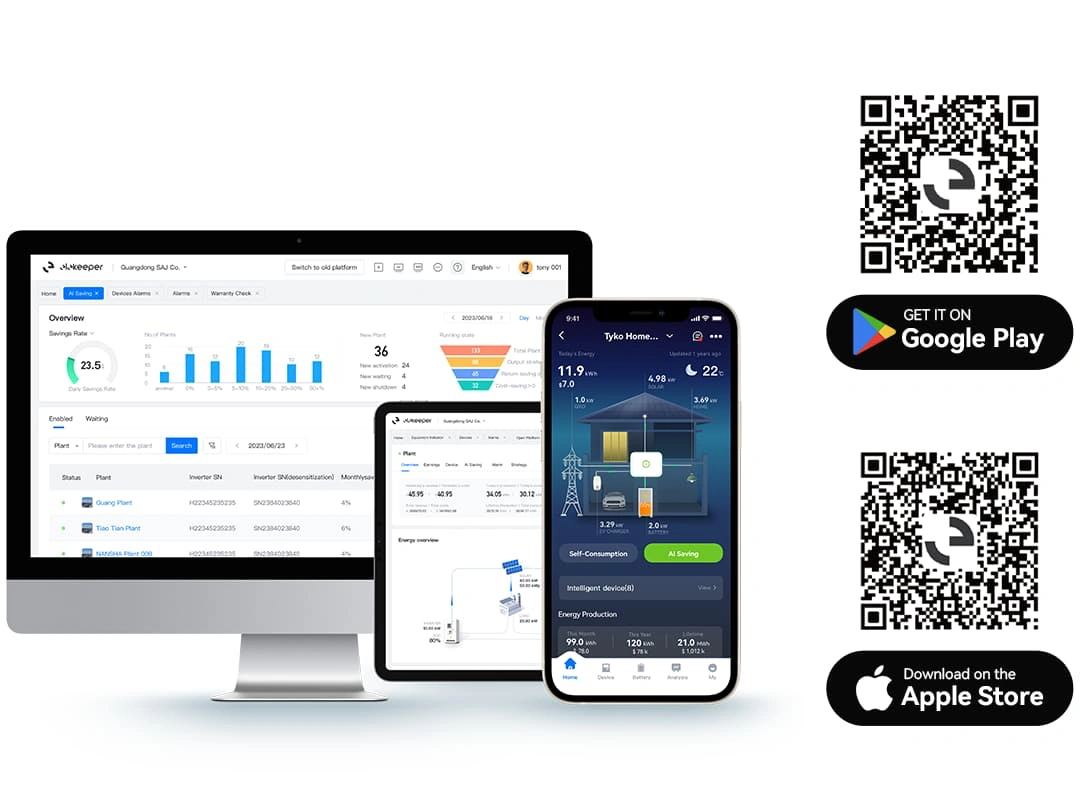
Software interface design directly determines whether users accept a complex energy system. The upgrade from the old eSolar Air to the new Elekeeper is not just a rebranding; it is a fundamental shift in User Experience (UX) logic.
Neomorphic Design and "Visualized Trust"
In Sunriver Electric’s customer feedback, we found the biggest pain point was distrust of the "black box." Users ask: "Is my battery really working?" "Why am I buying grid power when it’s sunny?"
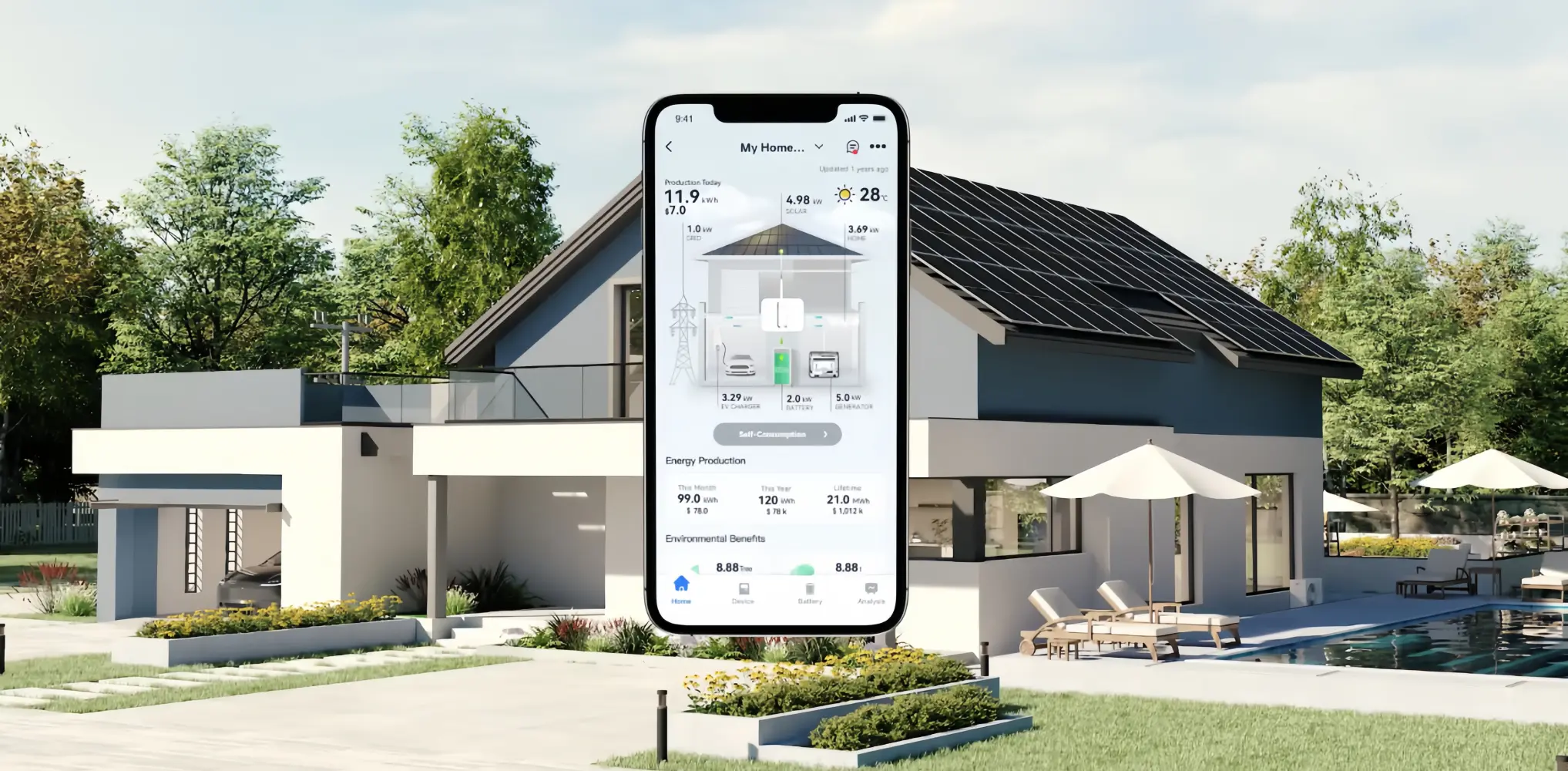
Elekeeper adopts a modern Neomorphic UI design style. Its core lies in the dynamic Energy Flow Diagram.
- Dynamic Nodes: The interface center clearly displays the five major nodes: PV, Inverter, Battery, Load, and Grid.
- Real-time Flow: Energy movement is shown via dynamic arrows. If PV is charging the battery, green arrows flow to the battery. If the battery discharges at night, arrows flow in reverse.
- Intuitive Perception: The neomorphic interface builds user trust by offering a "what you see is what you get" visualization, where arrow speed and direction instantly clarify the home’s energy status. This drastically lowers the cognitive barrier for homeowners.
Data Granularity: Refreshed in Seconds
Old monitoring systems often refreshed data every 5 to 15 minutes. In that 15 minutes, a cloud might pass, a kettle might boil, or an EV might start charging. Low refresh rates "flatten" these peaks, confusing users about high bills.
Elekeeper emphasizes being "Refreshed in Seconds." When you turn on the air conditioner, you see the load curve jump on the App within seconds. This instant feedback is vital for cultivating energy-saving habits and helps installers verify wiring instantly.
Cross-Platform Consistency
Elekeeper is a cross-platform application covering iOS, Android, and Web. For Sunriver Electric’s professional installers, the Web version offers deep reporting and batch management for hundreds of sites. For owners, the App provides portability. Data remains consistent across all platforms, ensuring that whether you are an installer exporting reports or a homeowner checking usage, the information is synchronized and accurate.
How Does the AI Saving 2.0 Engine Actually Work?
"AI" is a buzzword often abused in the tech world. But in the context of SAJ Elekeeper, AI Saving 2.0 is not a marketing gimmick. It is a specific data-driven algorithm model that optimizes current decisions by predicting the future.
The 4 Core Algorithm Engines
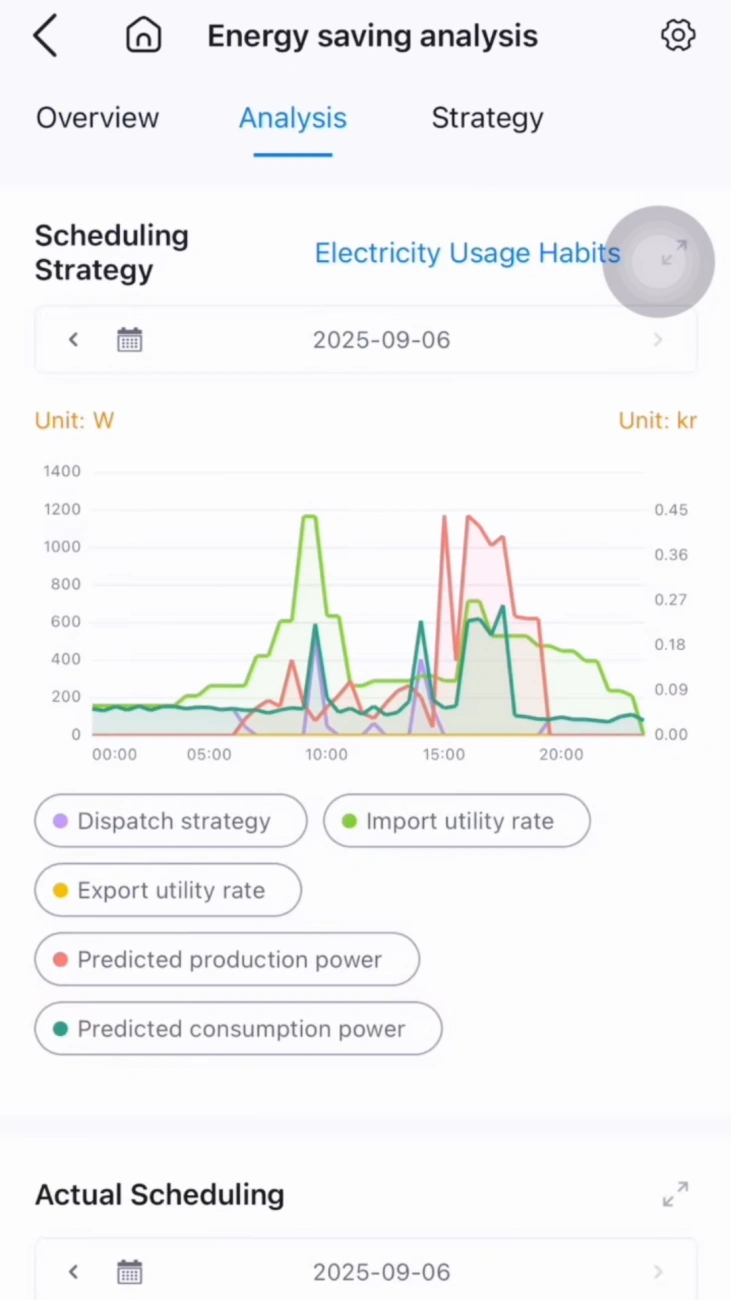
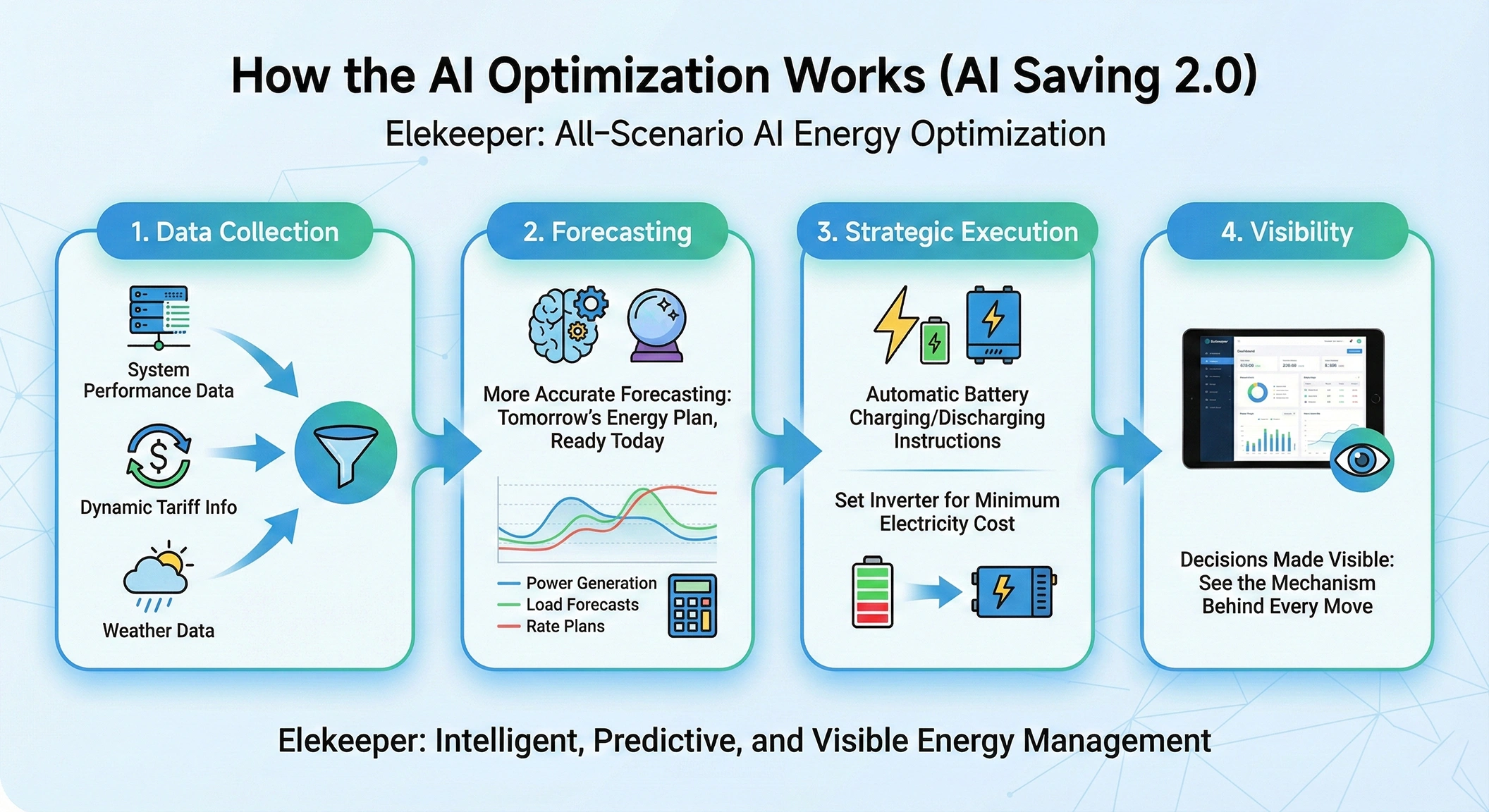
The "brain" of AI Saving 2.0 consists of four parallel modules working in synergy. AI Saving 2.0 combines solar generation forecasting, load forecasting, electricity price prediction, and intelligent scheduling to generate the optimal energy strategy.
-
☀️ Solar Generation Forecasting:
It combines local weather forecasts (irradiance, cloud cover, temperature) with historical site data. The system learns the specific characteristics of the roof. For example, it learns that "cloudy" days combined with tree shading at 10 AM reduces output by 20%. This site-specific learning is far more accurate than general weather reports. -
🏠 Load Forecasting:
It analyzes user consumption habits. The system knows the house is empty on weekdays but has high laundry loads on Saturday mornings. It creates a typical "Load Profile." It can even predict how much heating load will increase if the temperature drops tomorrow. -
💰 Electricity Pricing Forecasting:
It interfaces with local TOU tariffs or dynamic spot prices. In markets like the UK or Nordic countries, prices change every 30 minutes. The AI identifies low-price periods (sometimes even negative prices) to charge and high-price periods to discharge. -
🧠 Intelligent Scheduling:
This is the decision layer. It synthesizes the three forecasts above. It calculates millions of possible charging/discharging combinations to select the path with the highest economic benefit. For example: "Charge tonight because tomorrow is cloudy (low PV) and prices are high."
Data-Dependent Predictive Process
| Step | Mechanism & Inputs |
|---|---|
| Data Collection | The system automatically accesses key inputs: system performance data, dynamic tariff4 information, and weather data. |
| Forecasting | The system utilizes this data to generate more accurate forecasting, often translating to “Tomorrow’s energy plan, ready today.” It makes a simulated calculation based on rate plans, power generation forecasts, and load forecasts. |
| Strategic Execution | Based on the forecast, the system automatically generates a series of battery charging and discharging instructions. The system then automatically sets the inverter according to this strategy to achieve the objective of minimum electricity cost. |
| Visibility | Elekeeper makes the decisions made visible so users can “see the mechanism behind every move.” |
Three Smart Modes
To make complex algorithms usable, Elekeeper packages them into three modes:
- Maximized Revenue: Suitable for aggressive arbitrage. The system frequently buys low and sells high using the battery, potentially emptying the battery for profit rather than saving it for backup.
- Self-Consumption Priority: For users seeking independence, this mode minimizes grid purchases by prioritizing battery storage, only sending power to the grid when the battery is fully charged. This is best for regions with high electricity costs but low feed-in tariffs.
- Balanced Revenue: A compromise. It ensures a certain level of backup power (for outages) while participating in obvious arbitrage opportunities.
💡 Transparency Note: Elekeeper features a "Visualized Analysis Engine." Users can see why the AI made a decision (e.g., "Forcibly charging due to predicted storm"). This transparency makes the technology trustworthy.
AI / Elekeeper usage & setup
- SAJ Elekeeper monitoring, alerts and AI setup – https://sunriver-inverter.com/saj-elekeeper-monitoring-alerts-setup-ai/
- Hybrid inverter basics: concept, modes, data – https://sunriver-inverter.com/hybrid-inverter-basics-concept-modes-data/
- Export limit 101 explained – https://sunriver-inverter.com/export-limit-101-explained/
💡 FAQ Cluster – Myths About AI and Daily Use (Usage & AI Myths)
Real-world feedback and limitations
To maintain objectivity, we must face real user feedback. No system is perfect, and Elekeeper is no exception.
✅ What Users Love
- Visual Appeal: Most users praise the UI for being modern and easier to understand than old industrial software.
- Smooth Migration: The transition from eSolar Air to Elekeeper is generally smooth, with accounts and historical data preserved.
⚠️ Complaints and Room for Improvement
While the interface is praised, users often report issues with data latency under poor network conditions and find the manual setup for Time-of-Use (TOU) periods overly complex.
- Latency: Despite the "seconds" claim, poor network environments still cause lag. Some users want even faster real-time data for manual load control.
- TOU Complexity: Setting time slots manually can be tedious for average users, leading to configuration errors.
- Integration Limits: Advanced Home Assistant (HA) users feel the official API is limited. Hardcore DIY users often prefer direct Modbus connections via eManager for better stability.
Looking Ahead – Virtual Power Plants (VPP) and Interconnection
Elekeeper’s ambition goes beyond single homes. Sunriver Electric sees SAJ building a larger energy internet through software.
État de préparation au VPP
As battery installations grow, thousands of Elekeeper nodes can be aggregated into a giant "virtual battery." Elekeeper is VPP-ready5, meaning it can aggregate distributed battery systems to respond to grid frequency commands, allowing users to earn auxiliary service fees.
Sector Coupling
Future Elekeeper versions will break barriers to achieve "Solar-Storage-Charging-Heating" integration.
- V2H (Vehicle to Home): EVs will become mobile power banks. Future algorithms will integrate EV chargers for bidirectional interaction.
- Thermal Management: Using eManager to control heat pumps converts excess electricity into stored heat (hot water), a storage method cheaper than lithium batteries.
Conclusion: Choosing Elekeeper is Choosing the Future
Why does Sunriver Electric value SAJ Elekeeper so highly?
It represents the leap from "feature phones" to "smartphones" in energy management. For homeowners, it simplifies physics and economics into an intuitive App. For installers, it digitizes troubleshooting. For the grid, it becomes a predictable node.
It is not perfect. Its dependence on networks and closed APIs are growing pains. But with the continuous iteration of AI Saving 2.0 and the edge computing power of eManager, it is one of the most competitive platforms today.
Sunriver Electric Expert Advice:
In your next project, don’t just look at the inverter’s power rating. Upgrade to eManager and configure the AI mode properly; you will be delivering a money-making machine to your client, not just a box on the wall.
-
Understand how TOU tariffs can impact your energy bills and savings strategies. ↩
-
Explore how HEMS can optimize energy usage and reduce costs in your home. ↩
-
Discover how Load Shifting can optimize energy usage and reduce costs. ↩
-
Understanding dynamic tariffs can help you optimize energy costs and improve your savings. ↩
-
Discover the benefits of VPP readiness for energy management and grid interaction. ↩
 English
  Deutsch (Österreich)
  Français
  Español
  Português